Photo: Wikipedia
Find The Best Places To Live
in Cranston
PRO TIP! You can paste a Zillow or Redfin link to get info on that property.
What It's Like Living in Cranston, RI
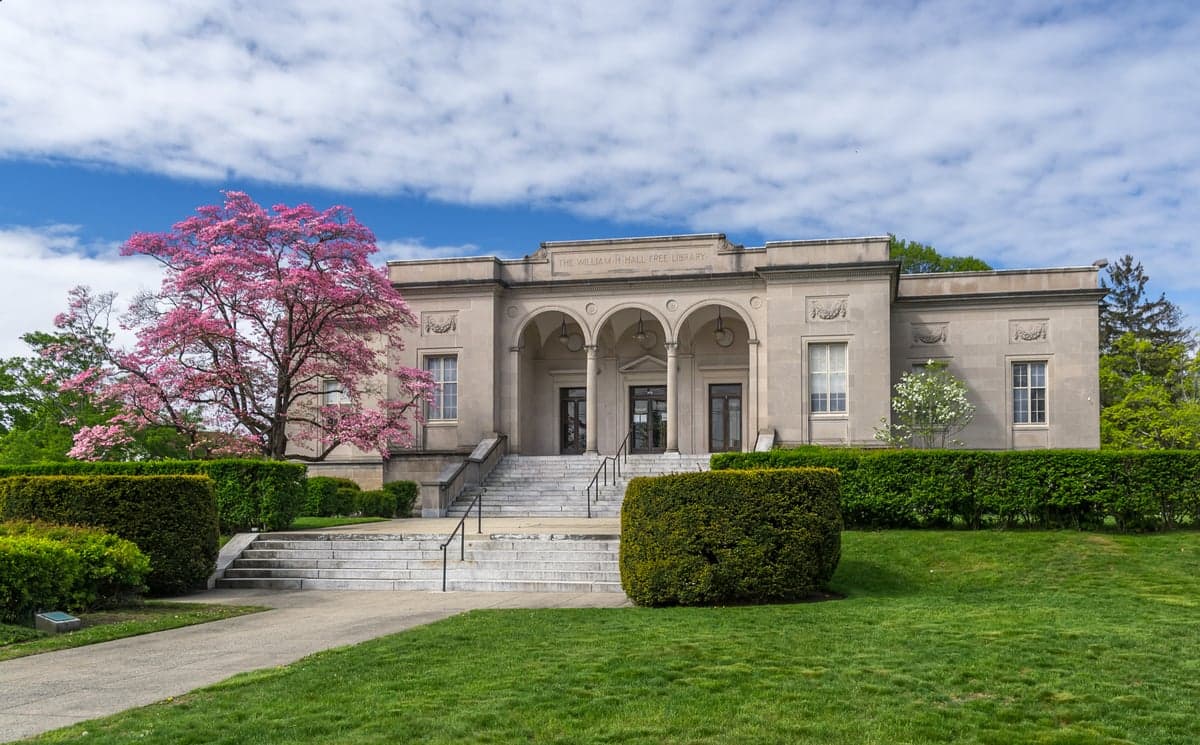
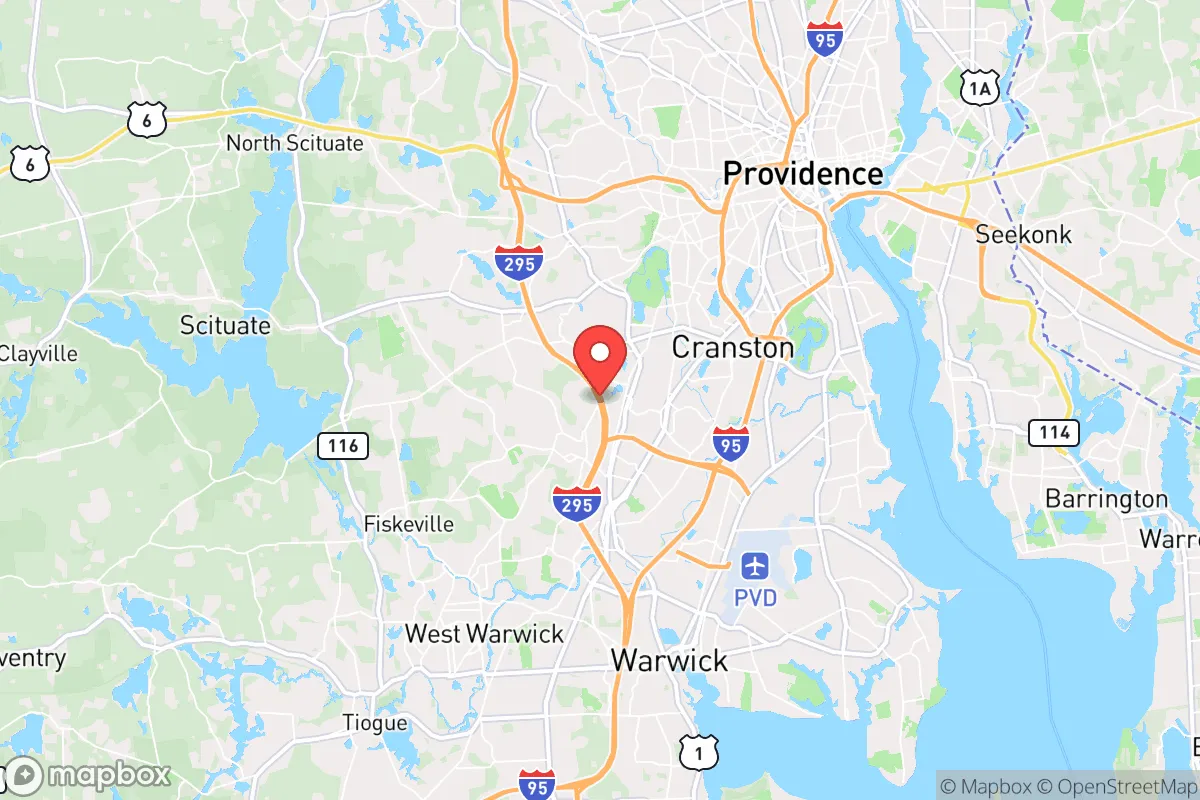
Cranston, Rhode Island, is the kind of place where you’re never quite sure if you’re in a city or a suburb, and that ambiguity is exactly what defines it. It’s the third-largest city in the state, but it feels more like a collection of distinct villages—Pawtuxet Village, Edgewood, Western Cranston—each with its own personality and a strong sense of local pride. You’ll find old Italian bakeries next to new yoga studios, and the same family-run diner where the high school football coach holds court after Friday night games.
The Daily Rhythm: More Strip Mall Than City Center
Daily life in Cranston doesn’t revolve around a single downtown square. Instead, it’s strung along major arteries like Atwood Avenue and Reservoir Avenue, where you’ll find the essential Rhode Island mix of Dunkin’ Donuts, independent pizza joints, and a surprisingly good Portuguese bakery. Most people’s weekends involve a trip to the Cranston Farmers Market at the city hall, a walk or bike ride along the Blackstone River Bikeway, or a stop at the sprawling Garden City Center—a mid-century outdoor mall that’s become the de facto town square for the western half of the city. The average commute is a manageable 24 minutes, which means you can live in a quiet neighborhood with a decent yard and still be at a job in Providence or Warwick in under half an hour. That’s a big draw for the 35.8% of residents with a college degree who work in healthcare, education, or the state government.
Sports, Community, and the High School as Town Hall
If you want to understand Cranston’s social fabric, look to its high schools. Cranston East and Cranston West have a rivalry that’s genuinely intense—football games between them draw crowds that rival some small college games. The city doesn’t have a pro sports team, but it’s deep in Patriots and Red Sox territory, and you’ll see as many Bruins and Celtics flags as you will state flags. The real community gathering points are the local sports bars—places like The Fireside Tavern or McFadden’s—where you can catch a game and hear the same arguments about the 2004 Red Sox that you’ve heard for twenty years. For families, the schools are a central part of life; the Cranston Public Schools system is one of the largest in the state, and its performance is a frequent topic of conversation at the dinner table and the town council meetings.
What’s There to Do (Besides Eat)
Cranston’s entertainment scene is low-key but real. The biggest annual event is Gaspee Days in Pawtuxet Village, a month-long celebration of the burning of the HMS Gaspee in 1772, complete with a parade, a road race, and a colonial encampment that feels more like a living history museum than a carnival. For outdoor life, Roger Williams Park is the crown jewel—it’s technically in Providence, but it sits right on the Cranston border, and its zoo, botanical center, and miles of walking paths are a weekend staple for Cranston families. The city also has a surprising number of well-regarded restaurants, from the classic red-sauce Italian at Camille’s to the modern Portuguese fare at Madeira. The cost of living index sits at 118, which is 18% above the national average, but that’s largely driven by housing—the median home value is $348,800, which is still more affordable than most of coastal New England. For the median household income of $87,716, that’s a manageable ratio, especially for a single person or a couple without kids.
Pros and Cons of Living Here
Longtime residents love the sense of stability—this is a place where people stay for decades, and you’ll meet neighbors who went to the same elementary school as their parents. The violent crime rate is low at 88.5 per 100,000, well below the national average, and the city feels safe for walking at night in most neighborhoods. The location is hard to beat: you’re 10 minutes from downtown Providence, 45 minutes from Boston, and an hour from the Rhode Island beaches. What frustrates people is the traffic on the main roads—Atwood Avenue and Route 2 can be a slog during rush hour, and the city’s layout means there’s no real bypass. The property taxes are high, even by Rhode Island standards, and the school system, while solid, has aging infrastructure that the city is slowly trying to address. The median age is 40.1, which means it’s a place for people who are past the party phase but not yet retired—a city of homeowners, commuters, and people who genuinely like knowing their neighbors. It’s not flashy, but it’s honest, and for the right person, that’s exactly the point.

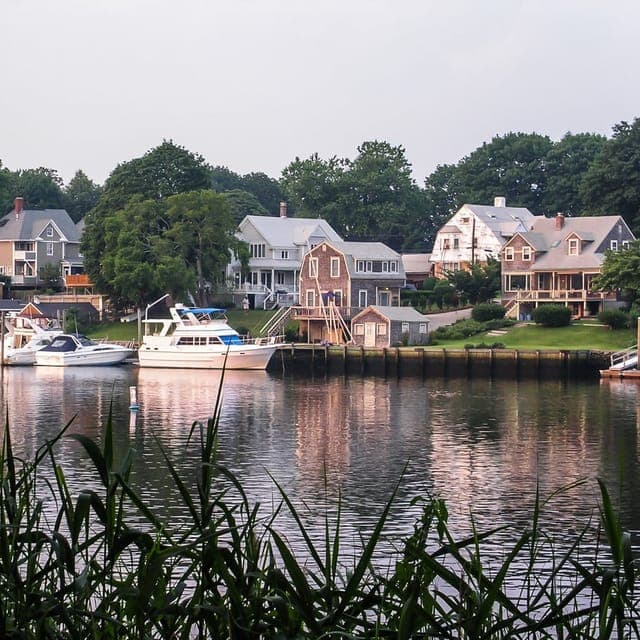
Similar small cities to Cranston
* Values derived from national, state, county, city and local statistics and may differ in a specific area. Last updated: 2026-04-21T07:16:37.000Z
Narrative content on this page is AI-generated and may contain mistakes. Verify any details that matter before acting on them.
ReloMaps may earn a commission from affiliate links at no extra cost to you.

