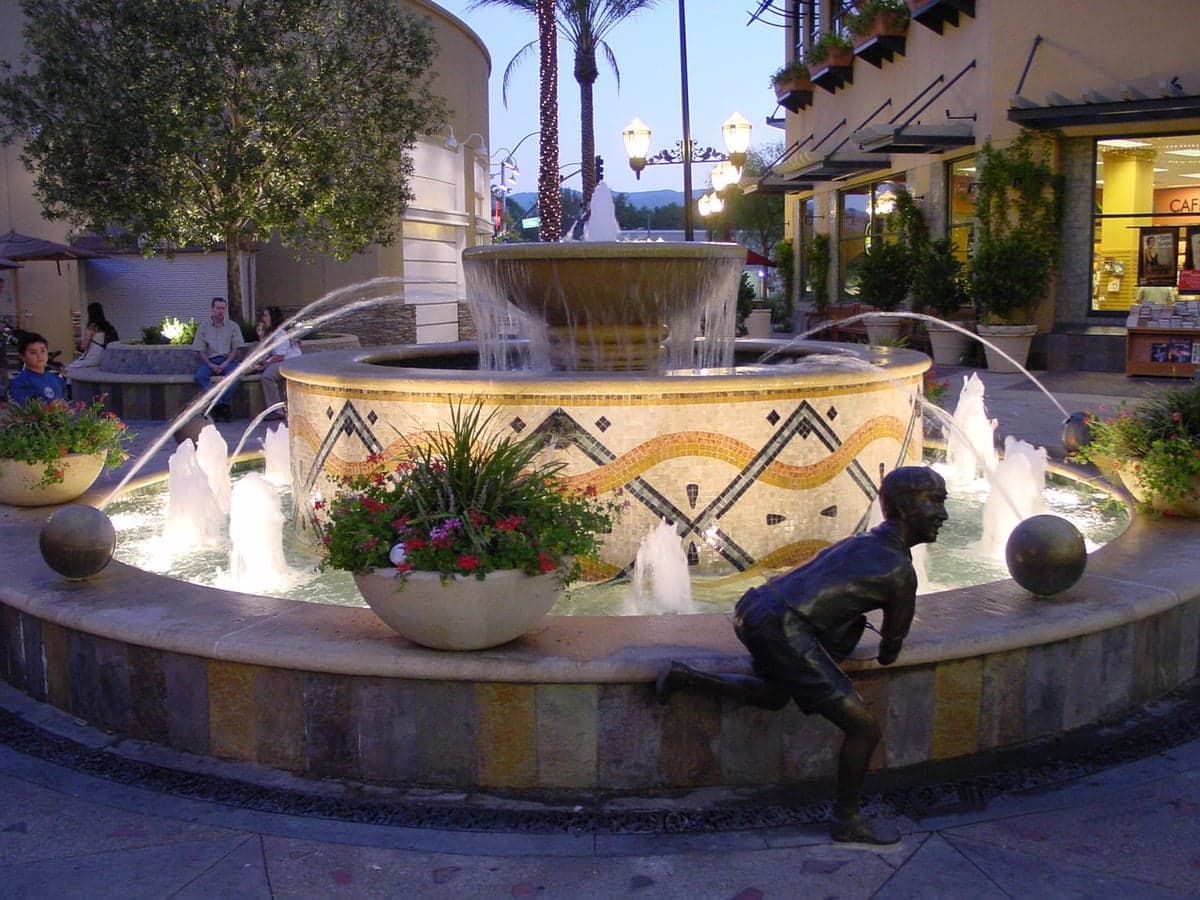
Photo: Wikipedia
Quality of Life in Santa Clarita, CA
A high quality of life with strong walkability, manageable living costs, healthy neighborhood signals, and solid amenity access.
What does Quality of Life tell us?
Quality of Life blends cost of living, nearby amenities, socioeconomic signals, and neighborhood character. City-level scores represent the whole municipality; individual neighborhoods can differ.
What does this tell us?
Quality of Life blends cost of living, nearby amenities, socioeconomic signals, and neighborhood character. City-level scores represent the whole municipality; individual neighborhoods can differ.
Cost of Living
131% above national average
The Real Cost of Living in Santa Clarita, CA for 2026
| Tier | Individual | Family (4) |
|---|---|---|
| Survival | $40k | $75k |
| Comfortable | $126k | $185k |
| Luxury | $184k+ | $286k+ |
| Elite (Top 5%) | $217k+ | $336k+ |
65%
The Area Signal
A metric tracking the socioeconomic signals of the area.
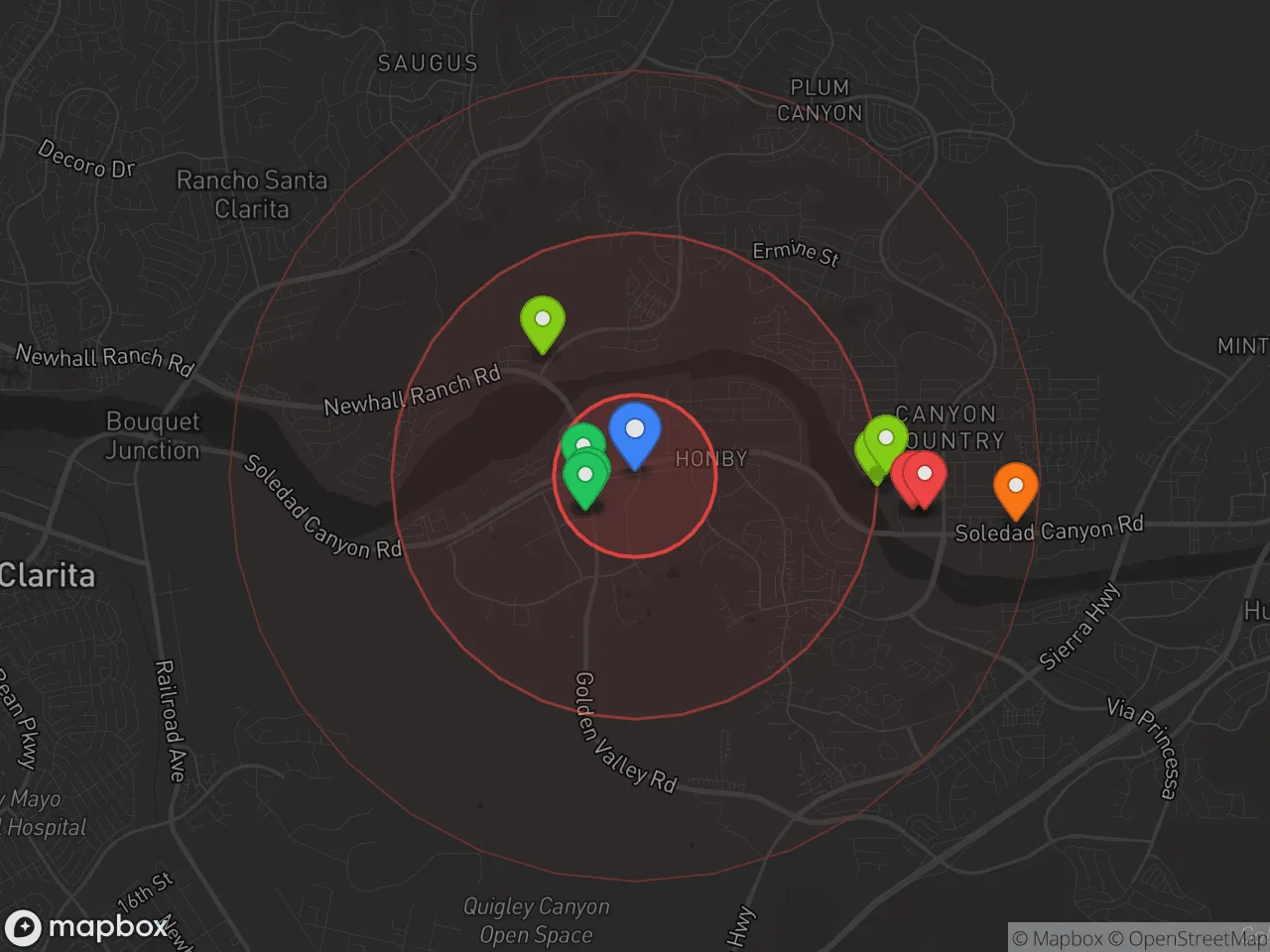
Hobbies
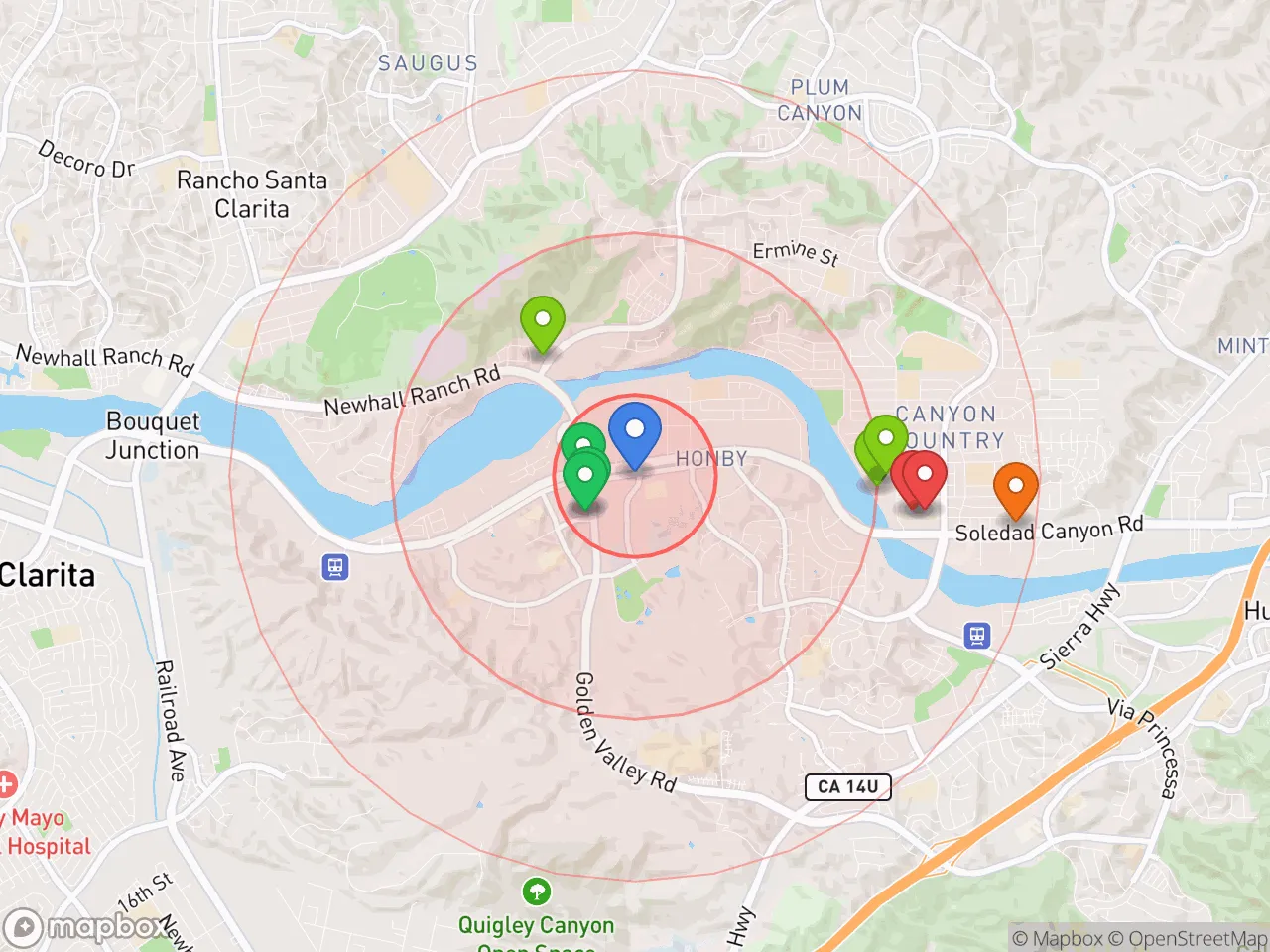
Explore the areaGroceries
10 within 10 miles
Gas
20 within 10 miles
Hospital
20 within 20 miles
Airport
LAX — Los Angeles International
Post Office
USPS — Canyon Country, CA
Critical Amenities
Quality-of-Life Analysis
Santa Clarita is an affluent, family-oriented city in northern Los Angeles County, home to roughly 220,000 residents who are drawn by its combination of suburban safety, strong public schools, and relative proximity to Los Angeles employment centers. The city’s population skews toward married couples with children, professionals in entertainment, healthcare, and aerospace, and retirees seeking a quieter alternative to the San Fernando Valley. With a median household income well above the national average, Santa Clarita has cultivated a reputation as a place where residents trade urban intensity for space, greenbelts, and a slower daily rhythm.
Cost of living and housing affordability compared to Los Angeles
Santa Clarita’s cost of living index sits at 231 — more than double the U.S. average — driven overwhelmingly by housing costs. The median home value is $721,000, and the median rent is $2,486 per month. While these figures are steep by national standards, they represent a meaningful discount compared to central Los Angeles, where the median home value exceeds $900,000 and rents routinely top $3,000. The trade-off is a longer commute: the average Santa Clarita resident spends 34.5 minutes traveling to work, among the longest in the metro area, as many workers drive south through the I-5 corridor to jobs in Burbank, downtown LA, or the San Fernando Valley. For buyers, the city offers a mix of single-family homes on larger lots, planned communities like Valencia, and newer developments in Canyon Country, but inventory is tight and bidding wars are common. Property taxes are capped at roughly 1% of purchase price under Proposition 13, though Mello-Roos district fees can add several thousand dollars annually in newer neighborhoods.
Schools, parks, and what daily life feels like
Daily life in Santa Clarita revolves around its highly rated public school system, the William S. Hart Union High School District, which consistently ranks among the top in Los Angeles County for test scores and college readiness. Elementary schools are split between the Saugus Union, Newhall, and Sulphur Springs districts, all of which maintain strong parent involvement and low student-teacher ratios. The city operates more than 30 parks, a network of paseos (walking and biking paths), and the 1,200-acre Placerita Canyon Natural Area for hiking and equestrian use. Retail and dining are concentrated at the Valencia Town Center mall, the Old Town Newhall arts district, and along McBean Parkway and Soledad Canyon Road. The rhythm is car-dependent but not sprawling — most errands are within a 10-minute drive, and the Metrolink Antelope Valley Line provides commuter rail service to downtown LA in about 75 minutes. Crime rates are well below the Los Angeles County average, with property crime roughly half the national rate and violent crime even lower, contributing to a sense of safety that families cite as a primary reason for moving here.
Santa Clarita is best suited for families and professionals who prioritize school quality, low crime, and suburban space over urban nightlife or walkability. The high cost of housing and long commute times are significant drawbacks for singles, renters on a budget, or anyone who works irregular hours outside the I-5 corridor. Retirees and remote workers who can afford the entry price will find a clean, well-maintained city with ample recreation and a slower pace. For those who can absorb the financial and time costs, Santa Clarita delivers one of the highest quality-of-life returns in Southern California outside the coastal enclaves.

Crime in Santa Clarita, CA
WARNING: The crime statistics are unreliable for this jurisdiction. Local authorities have either not reported or under reported their data to the FBI. This could be due to bad intentions, incompetence or technical issues. Regardless, we suggest skepticism.
Higher crime rates than 65% of comparable U.S. locations.
Violent CrimeViolent Crime Analysis
Property CrimeProperty Crime Analysis
Crime Analysis
Santa Clarita is generally considered one of the safer large cities in Los Angeles County, with a violent crime rate of 328.5 incidents per 100,000 residents and a property crime rate of 1,394.1 per 100,000. These figures place it well below the averages for both the state of California and the broader Los Angeles metropolitan area, though they remain above the safest national benchmarks. However, the city’s location within a large, progressive metro area—where district attorneys and judges often prioritize rehabilitation over incarceration—means that crime trends are influenced by policies that can reduce consequences for repeat offenders, a factor potential residents should weigh carefully.
Crime in context
Santa Clarita’s violent crime rate of 328.5 per 100,000 is roughly 15% lower than the California state average and about 30% lower than the national average for cities of similar size. Property crime, at 1,394.1 per 100,000, is similarly below the state median but still higher than the safest suburban communities in the region. These statistics reflect a community that benefits from relatively high household incomes and strong local policing, but they do not exist in a vacuum. The surrounding Los Angeles County justice system, led by progressive prosecutors who have implemented policies like reduced cash bail and sentence enhancements, creates a regional environment where property crime and low-level offenses may face fewer deterrents. For example, organized retail theft rings operating in the broader metro area have been known to target Santa Clarita’s shopping centers, a direct consequence of a justice philosophy that often prioritizes offender diversion over public safety.
What residents experience
In daily life, most Santa Clarita residents report feeling safe in their neighborhoods, particularly in the well-patrolled commercial corridors and newer master-planned communities. The city’s own sheriff’s station, operated by the Los Angeles County Sheriff’s Department, maintains a visible presence and has invested in community policing programs. However, the progressive policies of the county’s district attorney’s office—which has declined to prosecute certain non-violent crimes and has pushed for early release of inmates—mean that residents may encounter more individuals with prior records than in jurisdictions with stricter enforcement. Car burglaries and package thefts are the most common nuisances, and some homeowners have reported an uptick in trespassing and vandalism near transit hubs. For families, the trade-off is clear: Santa Clarita offers a safer environment than central Los Angeles, but the regional justice system’s leniency toward offenders means that property crime is a persistent concern that requires proactive measures like security cameras and neighborhood watch groups.
Neighborhood-level variation is significant. Areas like Valencia and Stevenson Ranch, with their gated communities and private security patrols, experience crime rates far below the city average—often 50-60% lower for both violent and property offenses. In contrast, older neighborhoods near the I-5 corridor, such as Newhall and Canyon Country, see higher rates of vehicle theft and burglary, reflecting their proximity to major freeways used by regional crime networks. Residents considering a move should prioritize homes in neighborhoods with active homeowners associations and strong sheriff substation coverage, as these factors provide a tangible buffer against the broader metro area’s progressive justice policies.
* Values derived from national, state, county, city and local statistics and may differ in a specific area. Last updated: 2026-04-24T12:44:37.000Z
Narrative content on this page is AI-generated and may contain mistakes. Verify any details that matter before acting on them.
ReloMaps may earn a commission from affiliate links at no extra cost to you.

