Photo: Wikipedia
Demographics of Sevierville, TN
Affluence Level in Sevierville, TN
A middle-class area roughly in line with national averages across income, home values, education, and employment.
People of Sevierville, TN
Sevierville, Tennessee, today is a city of 18,105 residents defined by its strong Hispanic plurality and a white population that remains the largest single group but no longer holds an overwhelming majority. The city is denser and more diverse than surrounding Sevier County, with a foreign-born share of 14.1% that is nearly triple the state average, driven overwhelmingly by Mexican and Central American immigration over the past three decades. Distinctive identity markers include a visible bilingual business corridor along Forks of the River Parkway and a growing Indian-subcontinent community concentrated near the new industrial parks off Highway 66. The population is notably younger than the county median, with a median age of roughly 34, and the college-educated share sits at 21.8%, below the national average but rising as remote workers and hospitality managers relocate to the area.
How the city was settled and grew
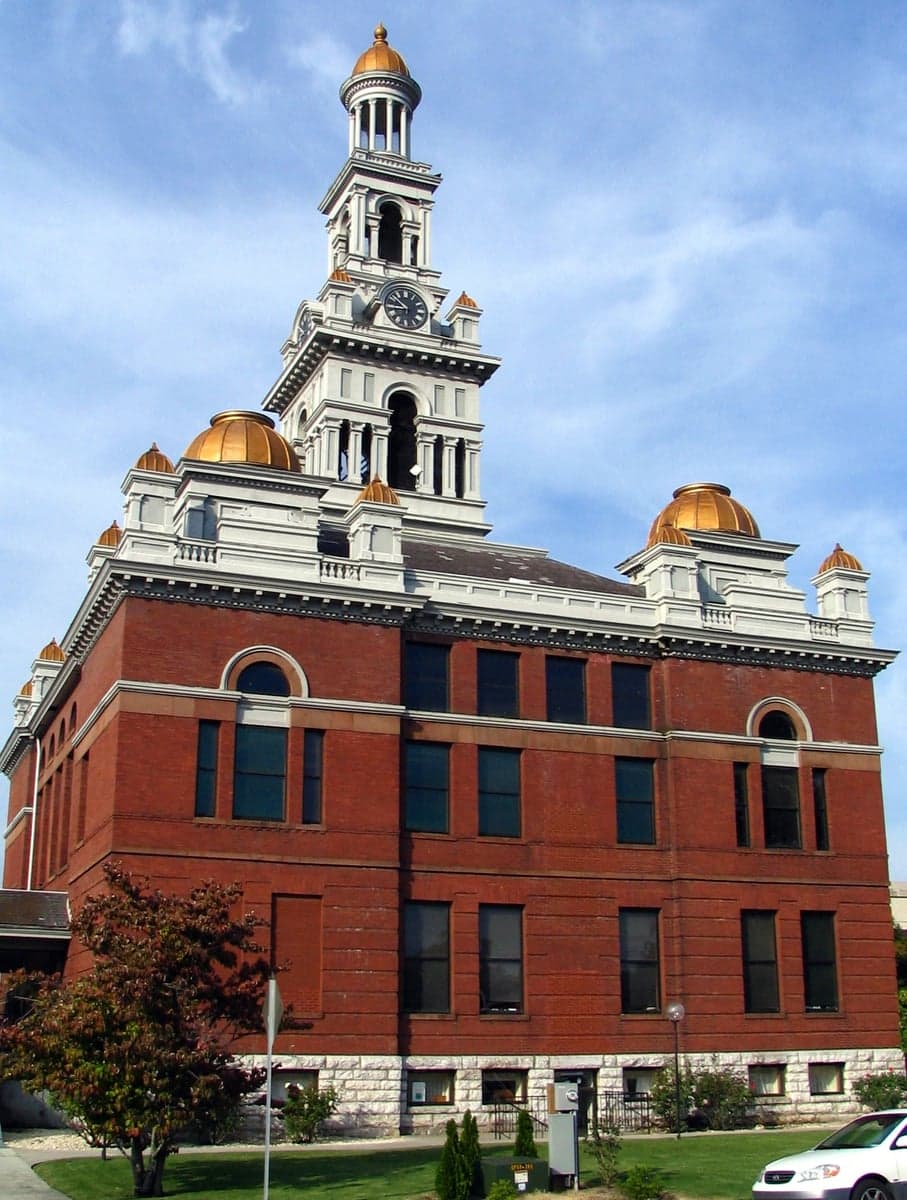
Sevierville was founded in 1795 as the seat of Sevier County, named after Revolutionary War hero John Sevier, and its early population consisted almost entirely of Scots-Irish and English settlers who received land grants for service in the wars. These families—names like Ownby, Huskey, and Reagan—built the original town grid around the courthouse square, with the Old Town Historic District still containing their 19th-century homes and commercial buildings. The first major economic wave came with the railroad in the 1880s, which connected Sevierville to Knoxville and allowed local timber and agricultural products to reach national markets, drawing a small number of German and Irish laborers who settled in the Middle Creek area along the railroad corridor. A second wave arrived during the Great Depression, when the Civilian Conservation Corps built roads and infrastructure in the Great Smoky Mountains National Park, bringing Appalachian families from deeper hollows into town; these migrants concentrated in the Bluff Mountain neighborhood on the city's western edge. By 1950, Sevierville remained overwhelmingly white and native-born, with fewer than 200 non-white residents recorded in the census.
Modern era (post-1965)
The post-1965 transformation of Sevierville's population began slowly with the expansion of tourism after the completion of Interstate 40 in the 1970s, which made the city a bedroom community for Gatlinburg and Pigeon Forge hospitality workers. The first significant Hispanic arrivals came in the 1990s, recruited by construction firms building the massive outlet malls and hotels along the Parkway; these workers, primarily from Veracruz and Guanajuato, established a residential base in the Forks of the River neighborhood east of downtown, where rental duplexes and mobile home parks offered affordable housing. By 2010, the Hispanic share had reached 15%, and it has since climbed to 23.3%, with second-generation families now buying homes in the Northview subdivision near the new Sevier County High School campus. The Indian-subcontinent population, now at 2.4%, is a more recent arrival, driven by the opening of a large Amazon fulfillment center in 2021 and the expansion of the LeConte Medical Center; these professionals have concentrated in the Hillside Estates development off Highway 66, a gated community of new-construction homes built since 2018. The East/Southeast Asian community, at 1.2%, is smaller and older, consisting largely of Korean and Vietnamese families who own motels and restaurants along the Parkway, with a cluster in the Parkway South corridor near the city limits. The Black population remains minimal at 1.4%, concentrated in a few extended families in the Old Town area who trace their roots to the railroad era.
The future
The population of Sevierville is heading toward a continued diversification driven by two forces: the ongoing demand for hospitality and logistics labor, which draws Hispanic and Indian workers, and the influx of remote workers and retirees seeking lower taxes and mountain views, which attracts white newcomers from Florida, California, and the Northeast. The Hispanic share is likely to plateau around 28-30% over the next decade as birth rates among second-generation families converge with national averages, while the Indian-subcontinent community may grow to 4-5% as the industrial parks along Highway 66 expand. The white population, while still the majority at 66.8%, is aging and declining in absolute numbers as older residents die and younger white families move to newer subdivisions in Seymour and Kodak. The city is not tribalizing into distinct ethnic enclaves—most neighborhoods are mixed, with the exception of the heavily Hispanic Forks of the River area—but economic stratification is visible, with newer subdivisions like Hillside Estates drawing professionals and older mobile home parks housing service workers. The college-educated share is expected to rise to around 28% by 2035 as the remote-worker influx continues, but Sevierville will remain a working-class city at its core, with a large service-sector workforce and a growing professional class.
For someone moving in now, Sevierville is becoming a more diverse and economically stratified small city where the old Appalachian identity is giving way to a new mix of Hispanic service workers, Indian professionals, and white remote workers. The city offers lower housing costs than Knoxville or Nashville, a strong tourism economy that provides steady employment, and a political culture that remains conservative even as the population diversifies. The key trade-off is between affordability and infrastructure: schools are strained, traffic on the Parkway is worsening, and the social fabric is still adjusting to rapid change, but for those who value economic opportunity and mountain proximity over homogeneity, Sevierville represents a genuine frontier of Southern demographic transformation.

* Values derived from national, state, county, city and local statistics and may differ in a specific area. Last updated: 2026-10-10T16:28:54.000Z
Narrative content on this page is AI-generated and may contain mistakes. Verify any details that matter before acting on them.
ReloMaps may earn a commission from affiliate links at no extra cost to you.

