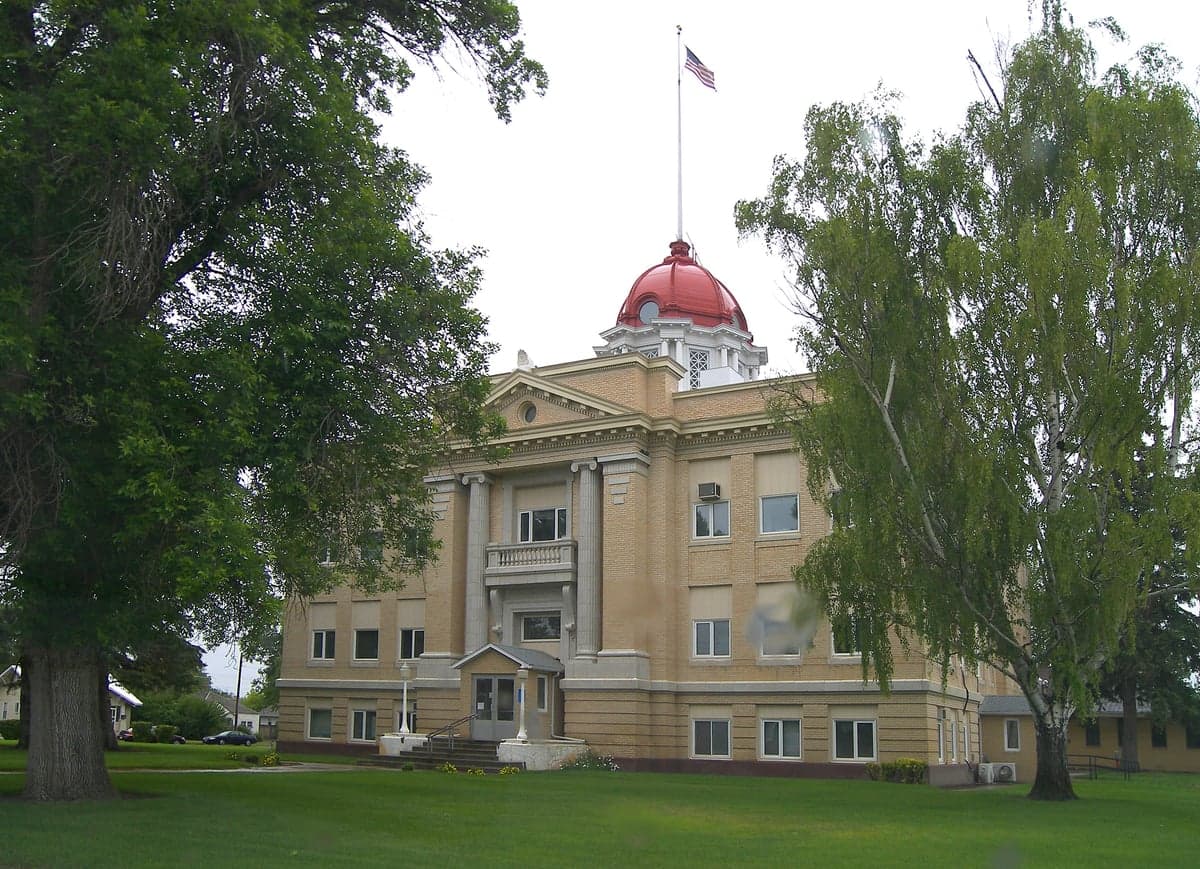
Photo: Wikipedia
Quality of Life in Sidney, MT
A high quality of life with strong walkability, manageable living costs, healthy neighborhood signals, and solid amenity access.
What does Quality of Life tell us?
Quality of Life blends cost of living, nearby amenities, socioeconomic signals, and neighborhood character. City-level scores represent the whole municipality; individual neighborhoods can differ.
What does this tell us?
Quality of Life blends cost of living, nearby amenities, socioeconomic signals, and neighborhood character. City-level scores represent the whole municipality; individual neighborhoods can differ.
Cost of Living
19% below national average
The Real Cost of Living in Sidney, MT for 2026
| Tier | Individual | Family (4) |
|---|---|---|
| Survival | $14k | $27k |
| Comfortable | $48k | $71k |
| Luxury | $114k+ | $176k+ |
| Elite (Top 5%) | $167k+ | $259k+ |
89%
The Area Signal
A metric tracking the socioeconomic signals of the area.
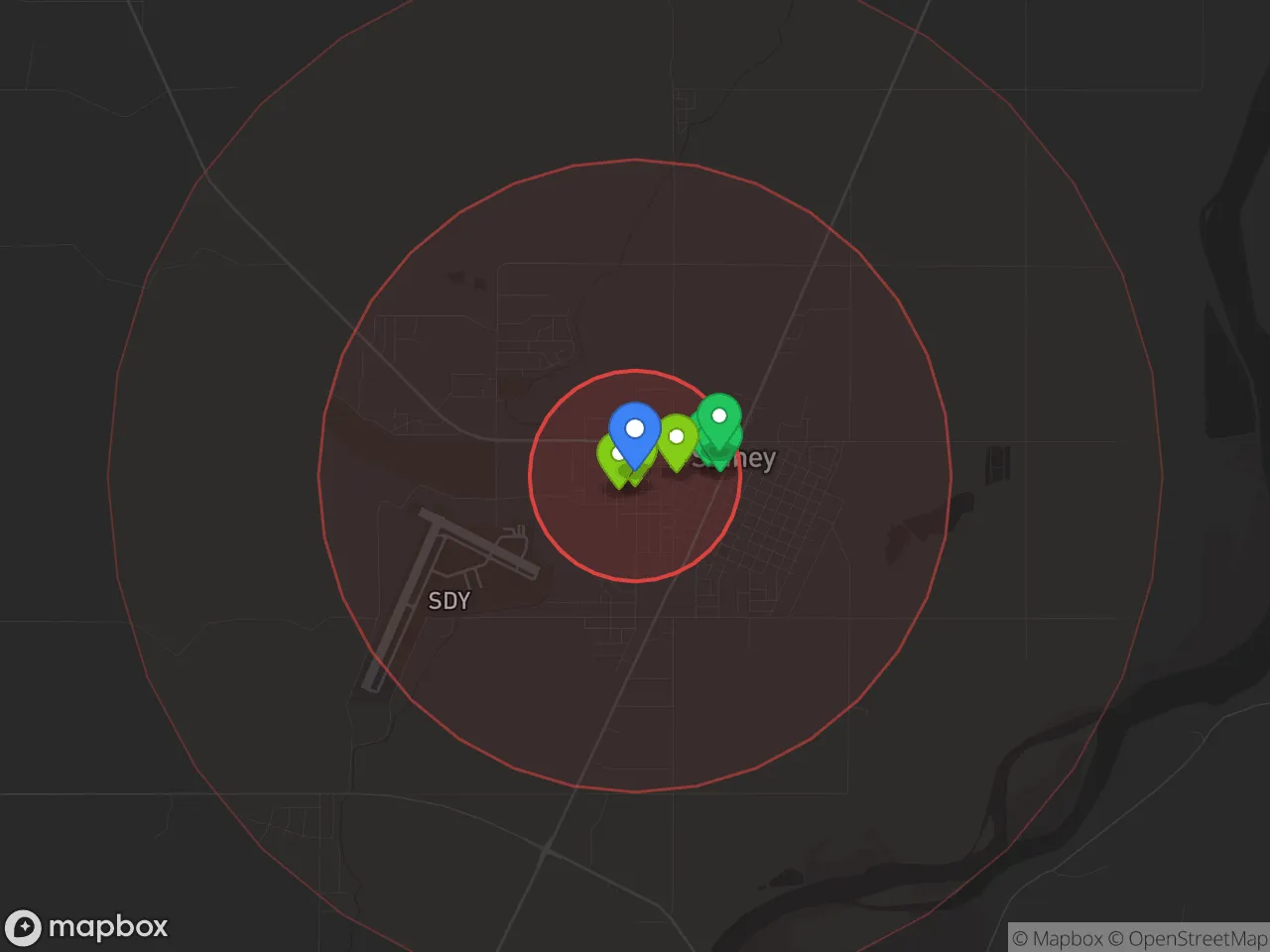
Hobbies
Explore the areaGroceries
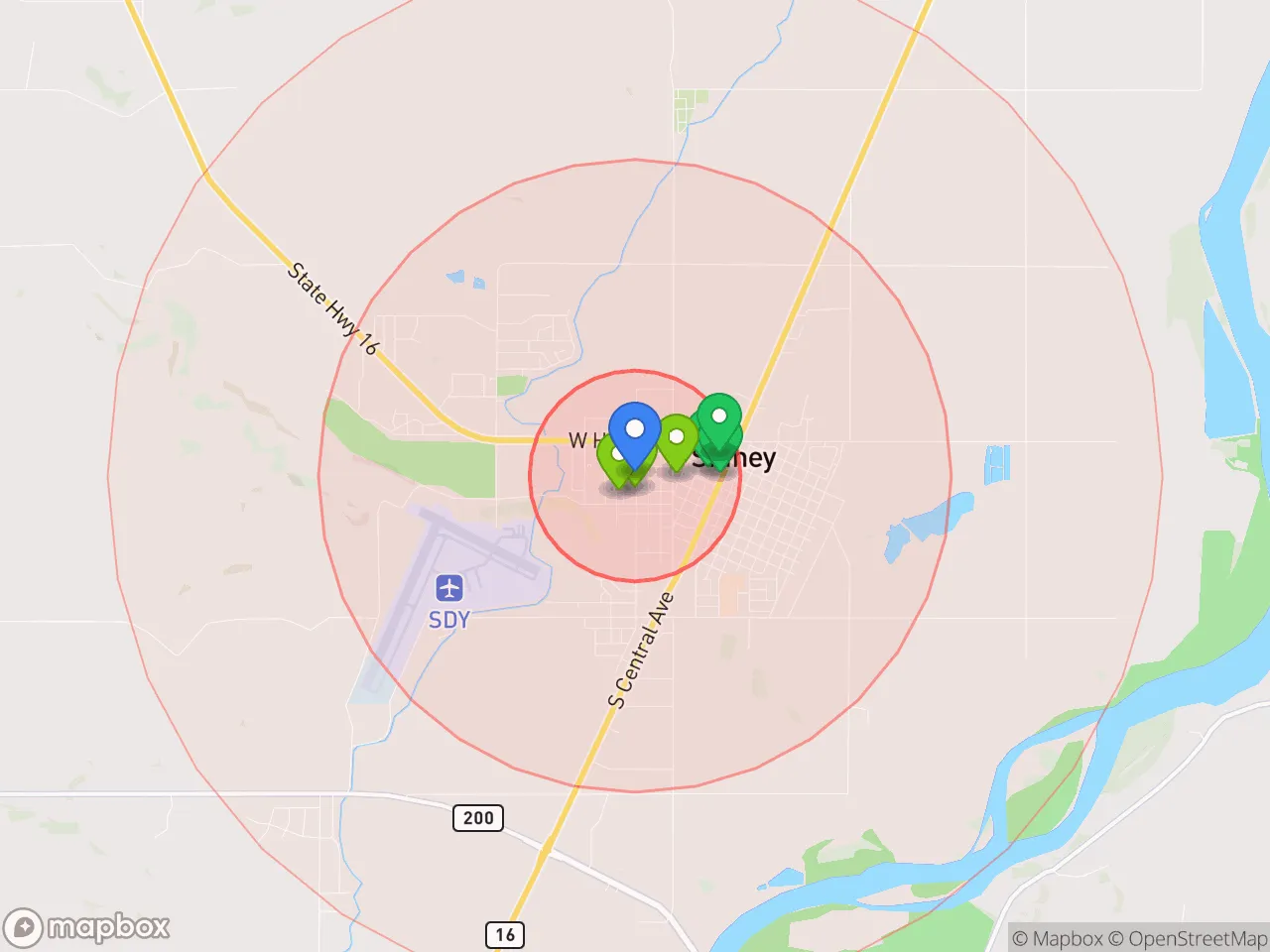
1 within 10 miles
Gas
4 within 10 miles
Hospital
1 within 20 miles
Airport
Post Office
USPS — Sidney, MT
Critical Amenities
Quality-of-Life Analysis
Sidney, Montana, offers a notably affordable quality of life, with a cost of living index of 81—well below the U.S. average of 100—making it an attractive destination for families, agricultural workers, and professionals seeking a slower pace without sacrificing economic opportunity. The community is characterized by a strong work ethic rooted in the region's energy and farming sectors, and the population skews toward middle-income households and retirees drawn by the low housing costs and wide-open spaces.
Cost of living, housing affordability, and how Sidney compares to nearby towns
Housing in Sidney is a standout advantage. The median home value sits at $249,100, roughly half the national median, while the median rent is just $890 per month. This makes homeownership accessible for first-time buyers and renters alike, especially compared to larger Montana cities like Billings (where median home values exceed $350,000) or Bozeman (over $600,000). The average commute of 19.5 minutes is short and predictable, reflecting the town's compact layout and low traffic. Utility costs and grocery prices also track below national averages, further stretching household budgets. For those considering relocation from pricier Western states, Sidney's affordability is a primary draw, though wages in local industries—primarily oil, gas, and agriculture—tend to be moderate, so the low cost of living is essential for maintaining financial comfort.
Local amenities, schools, and the daily rhythm of life in Sidney
Daily life in Sidney revolves around a small but functional set of amenities. The town has a well-regarded public school system, with Sidney High School offering a range of extracurriculars and a student-teacher ratio of about 15:1. Healthcare is anchored by Sidney Health Center, a critical access hospital that provides emergency care, primary care, and specialty services—a vital resource in a rural area where the nearest major trauma center is in Billings, two hours away. Grocery shopping is handled by local stores like the Sidney IGA, and dining options include family-run cafes and a few chain restaurants. For recreation, residents use the nearby Yellowstone River for fishing and boating, and the Sidney Country Club offers golf. The pace is unhurried; most errands can be done in 15 minutes, and community events like the Richland County Fair are social highlights. Internet access is adequate but not fiber-fast in all neighborhoods, which remote workers should verify before moving.
Who will thrive in Sidney, Montana
Sidney is best suited for people who value space, affordability, and a close-knit community over urban amenities and career diversity. Families with children benefit from the low crime rate and strong schools, while retirees appreciate the low cost of living and access to healthcare. Workers in the energy sector—particularly oil and gas extraction in the Bakken formation—find steady employment, as do those in agriculture and supporting trades. Remote workers on moderate incomes can stretch their dollars significantly here, though they should prepare for limited dining and entertainment options. People who need walkable neighborhoods, public transit, or a vibrant nightlife will likely find Sidney too quiet. For those seeking a safe, affordable, and grounded lifestyle in eastern Montana, Sidney delivers a high quality of life at a fraction of the cost of the state's more famous mountain towns.

Crime in Sidney, MT
Lower crime rates than 80% of comparable U.S. locations.
Violent CrimeViolent Crime Analysis
Property CrimeProperty Crime Analysis
Crime Analysis
Sidney, Montana, presents a mixed safety profile that requires careful consideration. The city's violent crime rate of 386.5 incidents per 100,000 residents is notably higher than the national average, while its property crime rate of 537.7 per 100,000 falls below the national benchmark. Prospective residents should weigh these figures against local law enforcement resources and the broader judicial environment in Richland County.
Crime in context
When compared to state and national data, Sidney's violent crime rate is approximately 10% higher than the U.S. average of 380 per 100,000 and significantly exceeds Montana's statewide rate of roughly 300 per 100,000. Property crime, however, is a relative bright spot: Sidney's rate is about 30% lower than the national average of 1,954 per 100,000 and comparable to Montana's statewide figure of 1,500 per 100,000. This divergence suggests that while residents face elevated risks of assault, robbery, and similar offenses, theft and burglary are less prevalent than in many other communities of similar size. The city's location in a conservative, rural county with a traditional law-and-order approach to prosecution may help explain the lower property crime numbers, as judicial philosophy directly impacts recidivism and public safety outcomes.
What residents experience
Daily life in Sidney involves a tangible awareness of personal safety, particularly after dark or in less-trafficked areas. The elevated violent crime rate means that incidents such as aggravated assault and robbery occur with enough frequency to warrant caution, especially near downtown commercial corridors and the industrial zones along Highway 16. Property crime, while lower, still manifests as vehicle break-ins and occasional residential burglaries, particularly in neighborhoods with easy access to major roads. Residents often report that community policing efforts and neighborhood watch programs provide a modest deterrent, but the underlying risk remains higher than in many comparably sized Montana towns. The local justice system's emphasis on accountability—rather than progressive diversion programs—is a factor that many residents cite as a reason for the manageable property crime rate, though violent crime persists as a concern.
Neighborhood-level variation
Safety in Sidney is not uniform across the city. The newer subdivisions on the west side, near the hospital and school complex, generally experience fewer incidents than older blocks east of Main Street or the rental-heavy areas near the oil fields. The industrial corridor along Highway 200, which sees transient worker populations, has a higher incidence of both violent and property crimes. For families, the area around Sidney High School and the municipal golf course is considered the safest, while single adults or those working in the energy sector should exercise greater caution in the eastern and southern quadrants. Overall, Sidney demands a higher level of vigilance than the typical Montana small town, particularly regarding personal safety after dark.
* Values derived from national, state, county, city and local statistics and may differ in a specific area. Last updated: 2026-04-29T22:31:04.000Z
Narrative content on this page is AI-generated and may contain mistakes. Verify any details that matter before acting on them.
ReloMaps may earn a commission from affiliate links at no extra cost to you.

