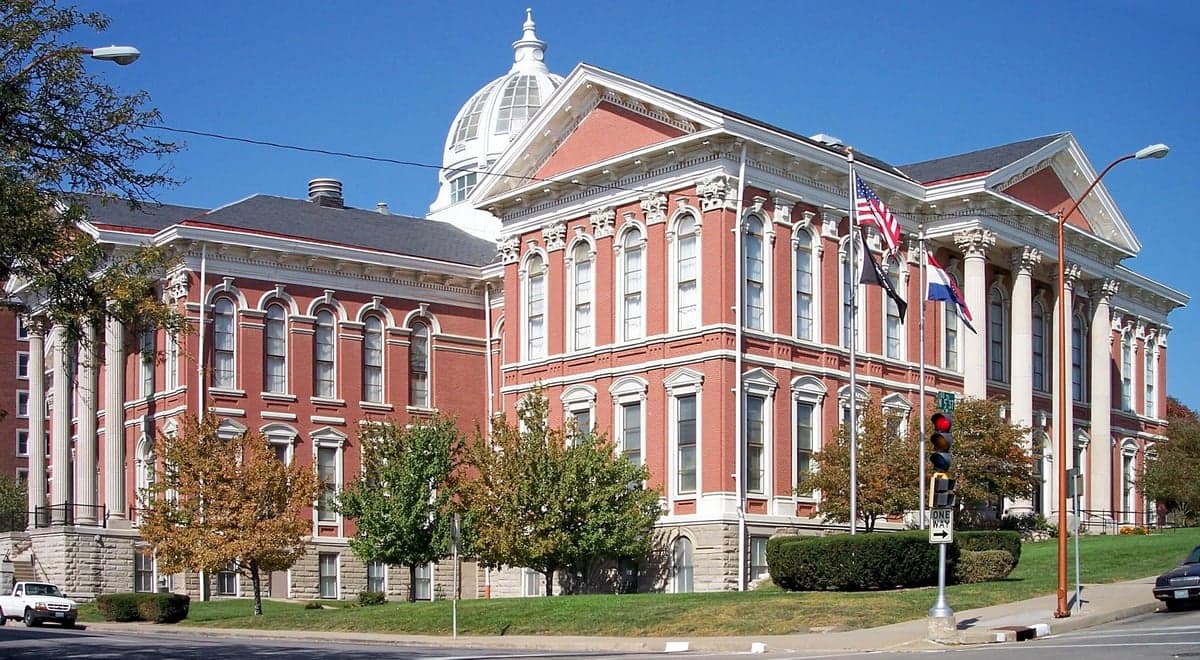
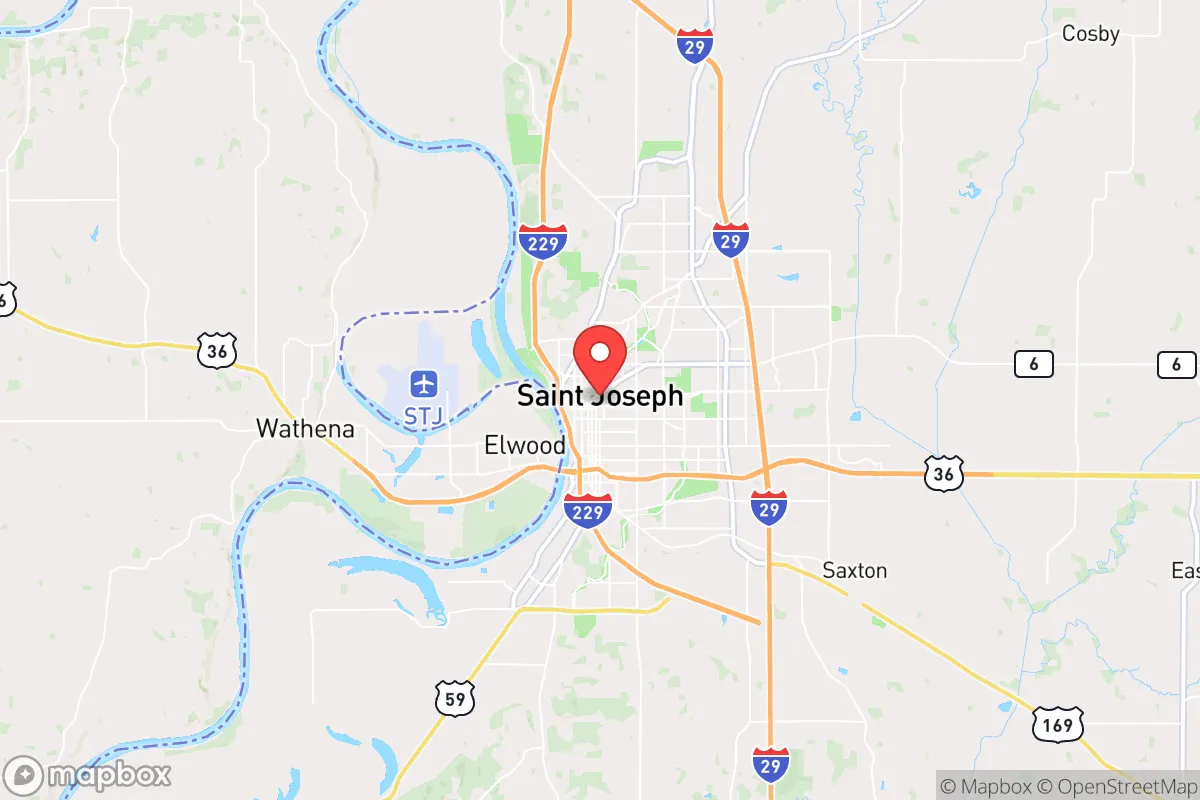
Photo: Wikipedia
Find The Best Places To Live
in St Joseph
PRO TIP! You can paste a Zillow or Redfin link to get info on that property.
What It's Like Living in St Joseph, MO
St. Joseph, Missouri, feels like a place where the past and present bump into each other on the daily. It’s a historic river town with a working-class backbone, where the Pony Express started and where you can still get a sense of the old frontier, but it’s also a city that’s quietly reinventing itself. Life here moves at a slower, more deliberate pace than in Kansas City, which is just 45 minutes south, and that’s exactly how most folks like it.
Daily Rhythm: What People Actually Do
A typical day in St. Joseph starts early. The average commute is just 16.5 minutes, which means you’re not burning an hour of your life in traffic. People work at places like Boeing, Altec, or the sprawling Mosaic Life Care medical campus, and after work, the routine often involves grabbing a bite at a local spot like Boudreaux’s Louisiana Seafood or the iconic Hi-Ho Bar & Grill for a burger. Weekends are for errands at the East Hills Shopping Center, hitting the St. Joseph Farmers Market (a genuine community hub from spring through fall), or just hanging out at Krug Park, the city’s oldest and most beloved green space. The cost of living index is 66—a third cheaper than the national average—so your paycheck goes noticeably further here. That median home value of $144,200 means a family can actually afford a decent house with a yard on a single income, which is a huge draw for parents looking to escape the coastal housing insanity.
Sports, Community, and the Local Identity
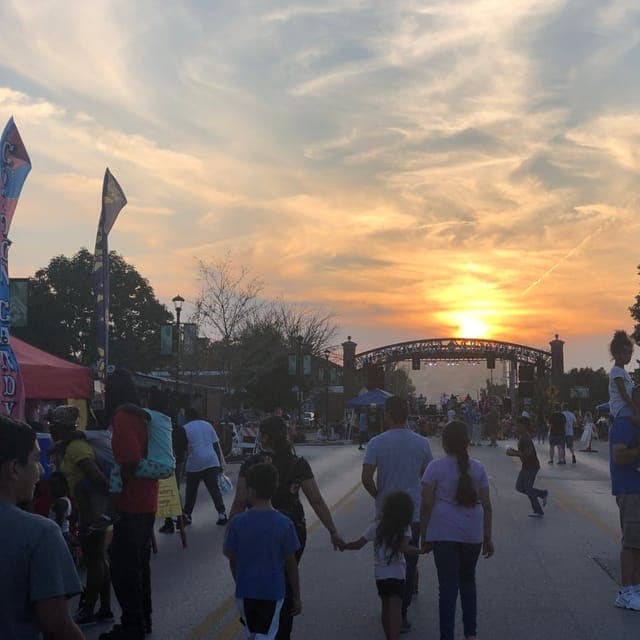
High school sports are a genuinely big deal here. On a Friday night in the fall, Benton High School and Central High School games draw crowds that feel like a town-wide event. There’s no major pro team in town, but the St. Joseph Mustangs, a collegiate summer baseball team, pack Phil Welch Stadium with families and fans who just want a cheap, fun night out. The city’s identity is deeply tied to its history—the Pony Express National Museum and the Glore Psychiatric Museum (yes, it’s as fascinating as it sounds) are genuine cultural touchstones. The Trail of ’76 Festival every July is a week-long block party with a parade, carnival, and live music that feels like the whole town shows up. The kind of person who fits in here is someone who values stability over flash. It’s a place for people who are tired of the rat race, who want their kids to play outside without constant supervision, and who don’t need a Michelin-starred restaurant on every corner. The median age is 37.9, which skews a bit older than a college town, but there’s a solid core of young families and empty-nesters who’ve chosen this life.
What’s There to Do: Honest Entertainment
You won’t find a world-class concert venue or a 24-hour nightlife district. What you will find is a surprising amount of outdoor access. The Missouri River bluffs offer hiking and biking trails at Remington Nature Center, and Lewis and Clark State Park is a short drive for fishing and camping. For a night out, locals head to The Rendezvous for live music or River Bluff Brewing for a craft beer in a converted warehouse. The Robidoux Row area has a few solid bars and a growing food scene, but it’s not a late-night party town—most places wind down by 10 or 11. The St. Joseph Symphony and community theater at the Missouri Theatre provide a dose of culture, and the annual Apple Blossom Parade is a classic small-town tradition. For bigger-city amenities, it’s a straight shot down I-29 to Kansas City for a Chiefs game, a concert at the Sprint Center, or a weekend at the Plaza.
Pros and Cons of Living Here
- What locals love: The affordability is the headline. A $55,578 median income goes a long way here. The low traffic and short commute mean more time with family. The sense of community is real—neighbors know each other, and people wave. The historic architecture in the Hall Street district is genuinely beautiful.
- What frustrates them: The violent crime rate of 413.1 per 100,000 is a real concern, especially in certain neighborhoods east of the interstate. It’s not a constant danger, but it’s something to be aware of. The job market is limited—if you’re not in healthcare, manufacturing, or education, you may struggle to find work that matches your skills. The weather is extreme: humid summers in the 90s and cold, gray winters with occasional ice storms. And only 22.7% of adults have a college degree, which means the social scene can feel a bit insular if you’re coming from a more educated city.
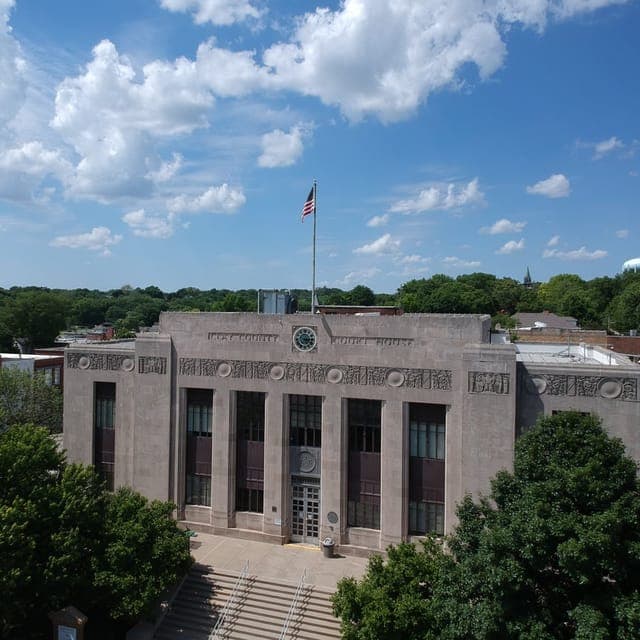
St. Joseph isn’t trying to be the next Austin or Nashville. It’s a straightforward, blue-collar city with a proud history and a quiet, steady rhythm. If you value space, affordability, and a slower pace, and you’re okay with driving an hour for a major airport or a big-city night out, it’s a place where you can actually build a life without breaking your back. The winters are long, the summers are sticky, and the crime numbers demand caution in certain areas, but for the right person—someone who wants a real community, not just a zip code—it works.

Similar small cities to St Joseph
* Values derived from national, state, county, city and local statistics and may differ in a specific area. Last updated: 2026-04-30T02:35:25.000Z
Narrative content on this page is AI-generated and may contain mistakes. Verify any details that matter before acting on them.
ReloMaps may earn a commission from affiliate links at no extra cost to you.

