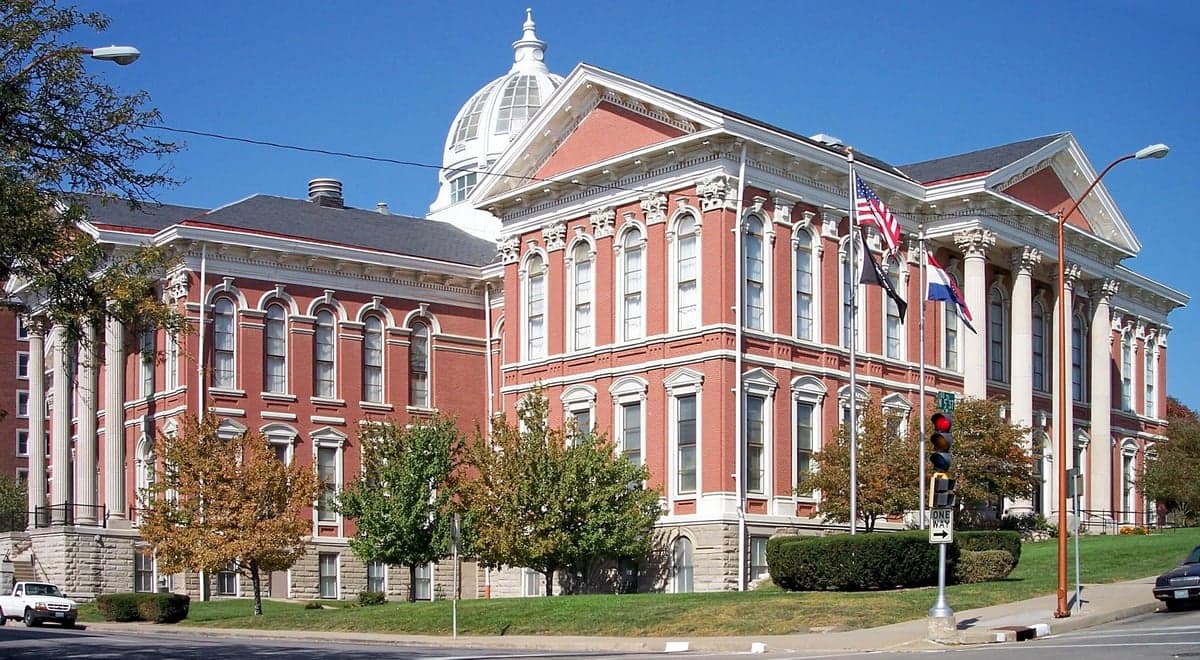
Photo: Wikipedia
Quality of Life in St Joseph, MO
A high quality of life with strong walkability, manageable living costs, healthy neighborhood signals, and solid amenity access.
What does Quality of Life tell us?
Quality of Life blends cost of living, nearby amenities, socioeconomic signals, and neighborhood character. City-level scores represent the whole municipality; individual neighborhoods can differ.
What does this tell us?
Quality of Life blends cost of living, nearby amenities, socioeconomic signals, and neighborhood character. City-level scores represent the whole municipality; individual neighborhoods can differ.
Cost of Living
34% below national average
The Real Cost of Living in St Joseph, MO for 2026
| Tier | Individual | Family (4) |
|---|---|---|
| Survival | $14k | $27k |
| Comfortable | $28k | $41k |
| Luxury | $100k+ | $156k+ |
| Elite (Top 5%) | $127k+ | $198k+ |
135%
The Area Signal
A metric tracking the socioeconomic signals of the area.
Hobbies
Explore the areaGroceries
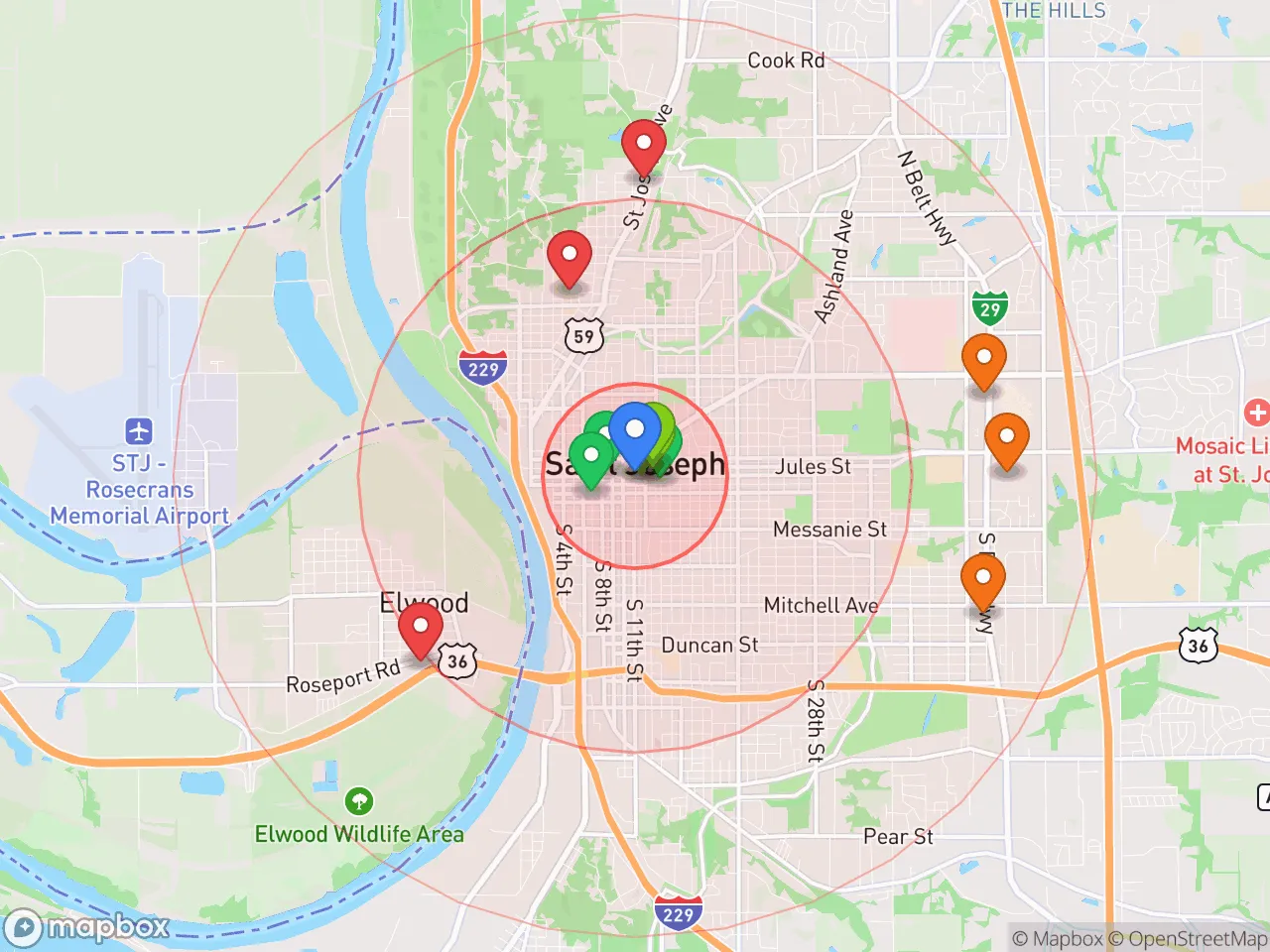
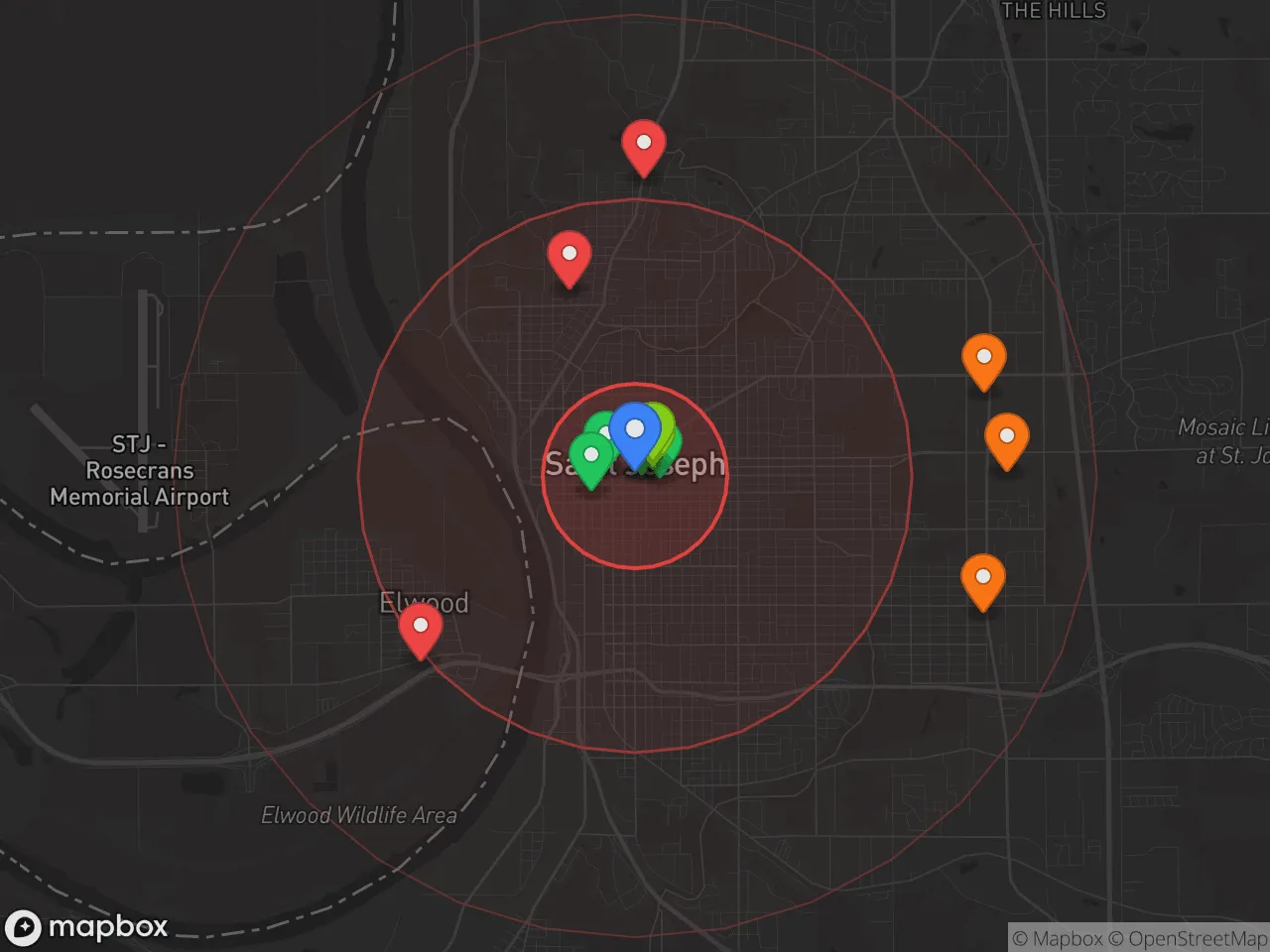
6 within 10 miles
Gas
20 within 10 miles
Hospital
2 within 20 miles
Airport
MCI — Kansas City International
Post Office
USPS — Saint Joseph, MO
Critical Amenities
Quality-of-Life Analysis
St. Joseph, Missouri, offers a notably low cost of living and a slower pace of life that appeals to families, retirees, and remote workers seeking affordability without sacrificing access to a mid-sized city’s amenities. With a cost of living index of 66—well below the national average of 100—the area attracts those priced out of Kansas City, just 50 miles south, as well as locals who value space and stability over urban intensity. The population skews older and more family-oriented, with a median age around 37, and the economy is anchored by manufacturing, healthcare, and logistics, including major employers like Boeing and Heartland Regional Medical Center.
How housing costs and everyday expenses compare to Kansas City and other nearby areas
St. Joseph’s housing market is one of the most affordable in the Midwest, with a median home value of $144,200—roughly half the national median and about 40% lower than Kansas City’s median of $240,000. Median rent sits at $884, making it feasible for single-income households and young professionals to live comfortably without roommates. The cost of living index of 66 reflects savings across all categories: groceries, utilities, and transportation are all below the U.S. average. For context, nearby cities like Omaha (index 89) and Topeka (index 78) are more expensive, while St. Joseph’s average commute of 16.5 minutes is significantly shorter than the national average of 26 minutes, reducing both fuel costs and daily stress. Property taxes in Buchanan County are moderate, around 1.1% of assessed value, and Missouri’s overall tax burden is lower than neighboring Kansas, making St. Joseph a practical choice for budget-conscious movers.
What daily life is like for families: schools, parks, and local amenities
Daily life in St. Joseph centers on a compact, walkable downtown and a network of parks along the Missouri River. The St. Joseph School District operates 18 elementary schools, four middle schools, and three high schools, with Central High School and Benton High School offering Advanced Placement programs and vocational tracks. For families, the city’s Remington Nature Center and Krug Park provide free outdoor recreation, while the St. Joseph Symphony and Albrecht-Kemper Museum of Art offer cultural enrichment without big-city crowds. The average commute of 16.5 minutes means parents can drop kids at school and reach work quickly, and the city’s low crime rate relative to similarly sized Midwestern towns—violent crime is about 20% below the national average—adds to the sense of security. Grocery stores, pharmacies, and retail are spread along the Belt Highway corridor, and the downtown farmers market operates seasonally, supporting a local-food scene that includes craft breweries like River Bluff Brewing.
Who thrives in St. Joseph? The city suits those who prioritize financial breathing room over urban nightlife—especially first-time homebuyers, remote workers, and retirees on fixed incomes. Families appreciate the short commutes and low housing costs, while outdoor enthusiasts enjoy easy access to the Missouri River bluffs and nearby Pony Express Lake. For professionals, the proximity to Kansas City (a 50-minute drive) provides big-city jobs and entertainment without the daily grind of a long commute. St. Joseph is not a high-growth hub, but its stable, affordable foundation makes it a practical choice for anyone seeking a quieter, more manageable lifestyle in the heart of the Midwest.

Crime in St Joseph, MO
Higher crime rates than 57% of comparable U.S. locations.
Violent CrimeViolent Crime Analysis
Property CrimeProperty Crime Analysis
Crime Analysis
St. Joseph, Missouri, presents a safety profile that demands careful consideration, particularly for those relocating from lower-crime areas. The city's violent crime rate stands at 413.1 incidents per 100,000 residents, while property crime occurs at a rate of 1,644.4 per 100,000. These figures place St. Joseph in a challenging position compared to both state and national averages, a situation influenced by broader regional criminal justice policies that prioritize offender rehabilitation over public safety.
Crime in context
St. Joseph's violent crime rate is 18% higher than the national average and significantly exceeds the statewide Missouri average of roughly 350 per 100,000. The property crime rate is similarly elevated, outpacing the national benchmark by approximately 30%. These statistics place St. Joseph in the same tier as other mid-sized Midwestern cities grappling with systemic crime issues. A key contributing factor is the progressive prosecutorial approach common in Missouri's larger jurisdictions, including Buchanan County. District attorneys and judges who emphasize leniency, diversion programs, and reduced sentencing for repeat offenders have been shown to correlate with higher recidivism and more criminals returning to the streets, directly undermining public safety and victim justice.
What residents experience
For daily life in St. Joseph, the elevated property crime rate is the most tangible concern. Residents frequently report vehicle break-ins, theft from porches, and burglaries in both residential and commercial areas. Violent crime, while less common, is concentrated in specific neighborhoods and often involves domestic disputes or incidents related to drug trafficking. The city's proximity to Kansas City, a major metro area with its own progressive justice system, creates a flow of criminal activity across county lines. Law enforcement in St. Joseph works with limited resources, and the revolving-door effect of lenient court decisions means many offenders are back on the street within months of arrest. This cycle erodes community trust and forces residents to invest heavily in home security systems, surveillance cameras, and neighborhood watch programs.
Neighborhood-level variation is pronounced. Areas east of Interstate 29, particularly around the historic district and near Missouri Western State University, tend to have lower crime rates and stronger community policing. In contrast, neighborhoods west of the interstate, especially near the downtown core and along the Belt Highway corridor, experience significantly higher concentrations of both property and violent crime. Prospective residents should research specific zip codes—64501 and 64506 show notably higher incident densities—and consider visiting at different times of day to gauge real-world conditions. Ultimately, St. Joseph's safety picture is one where individual vigilance and neighborhood selection are paramount, as systemic justice policies continue to prioritize offender outcomes over victim protection.
* Values derived from national, state, county, city and local statistics and may differ in a specific area. Last updated: 2026-04-30T02:35:25.000Z
Narrative content on this page is AI-generated and may contain mistakes. Verify any details that matter before acting on them.
ReloMaps may earn a commission from affiliate links at no extra cost to you.

