
Photo: Wikipedia
Quality of Life in Stamford, CT
A high quality of life with strong walkability, manageable living costs, healthy neighborhood signals, and solid amenity access.
What does Quality of Life tell us?
Quality of Life blends cost of living, nearby amenities, socioeconomic signals, and neighborhood character. City-level scores represent the whole municipality; individual neighborhoods can differ.
What does this tell us?
Quality of Life blends cost of living, nearby amenities, socioeconomic signals, and neighborhood character. City-level scores represent the whole municipality; individual neighborhoods can differ.
Cost of Living
101% above national average
The Real Cost of Living in Stamford, CT for 2026
| Tier | Individual | Family (4) |
|---|---|---|
| Survival | $35k | $66k |
| Comfortable | $119k | $175k |
| Luxury | $194k+ | $301k+ |
| Elite (Top 5%) | $273k+ | $423k+ |
61%
The Area Signal
A metric tracking the socioeconomic signals of the area.
Hobbies
Explore the areaGroceries
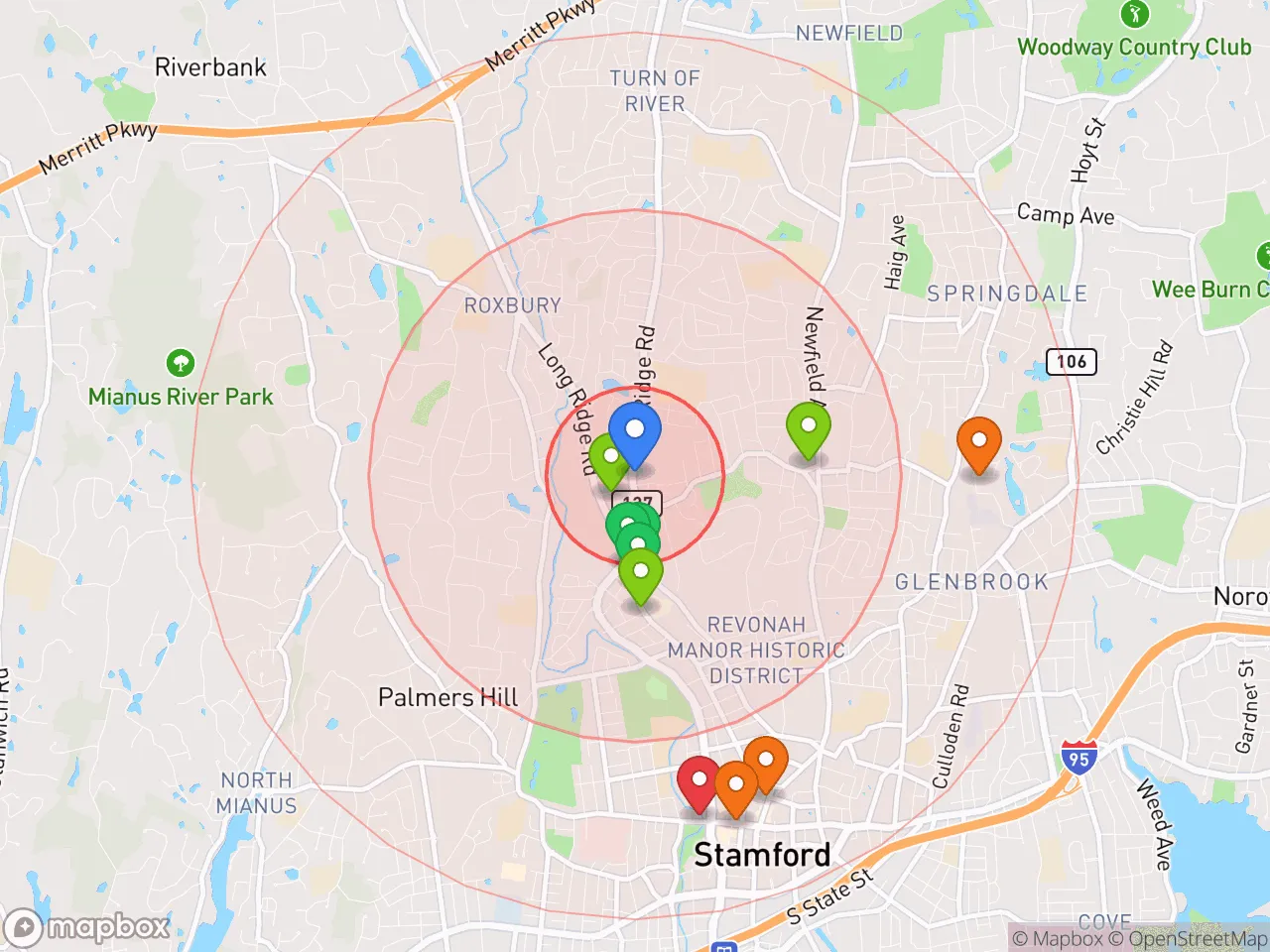
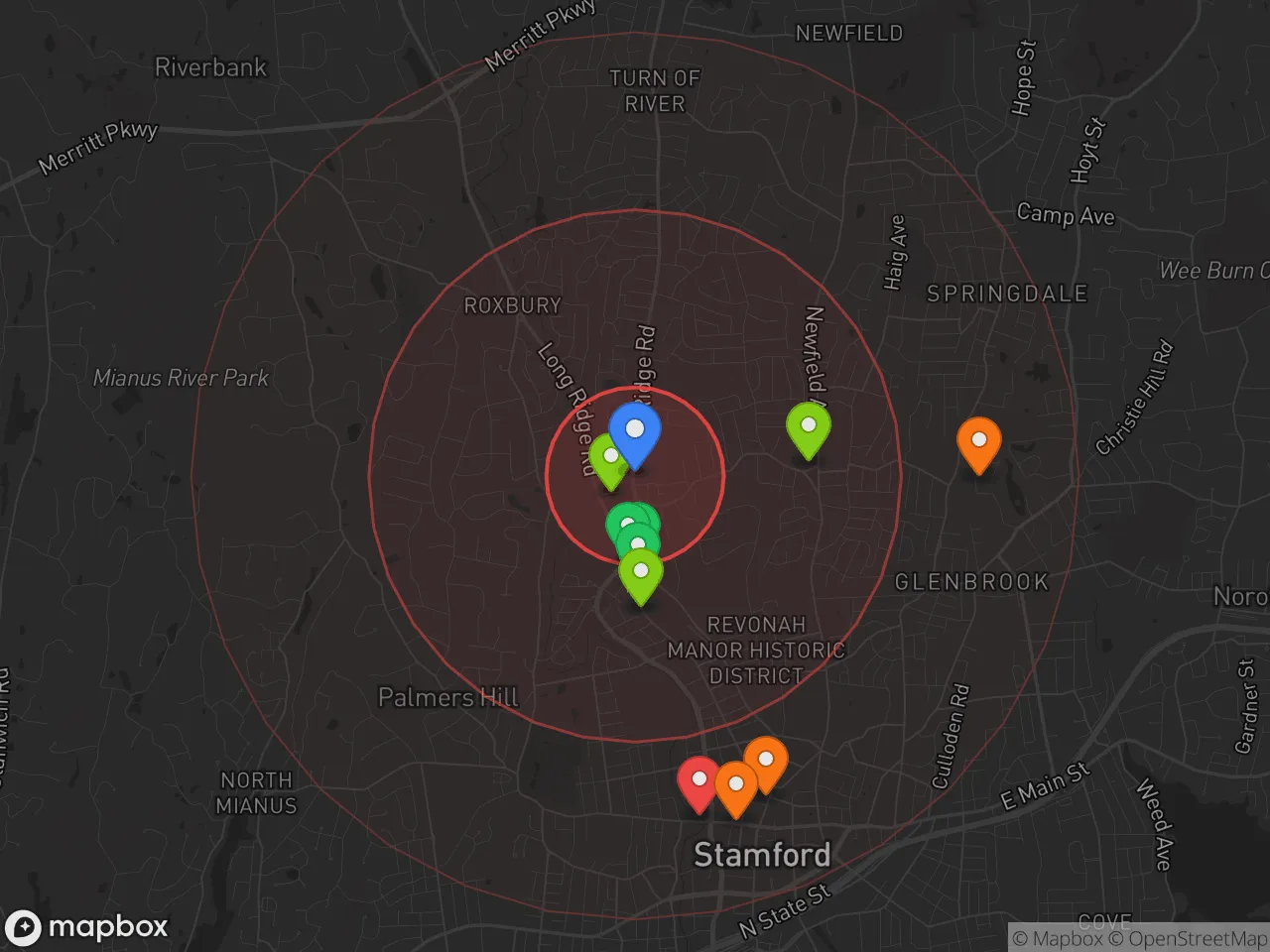
6 within 10 miles
Gas
20 within 10 miles
Hospital
20 within 20 miles
Airport
JFK — John F. Kennedy International
Post Office
USPS — Stamford, CT
Critical Amenities
Quality-of-Life Analysis
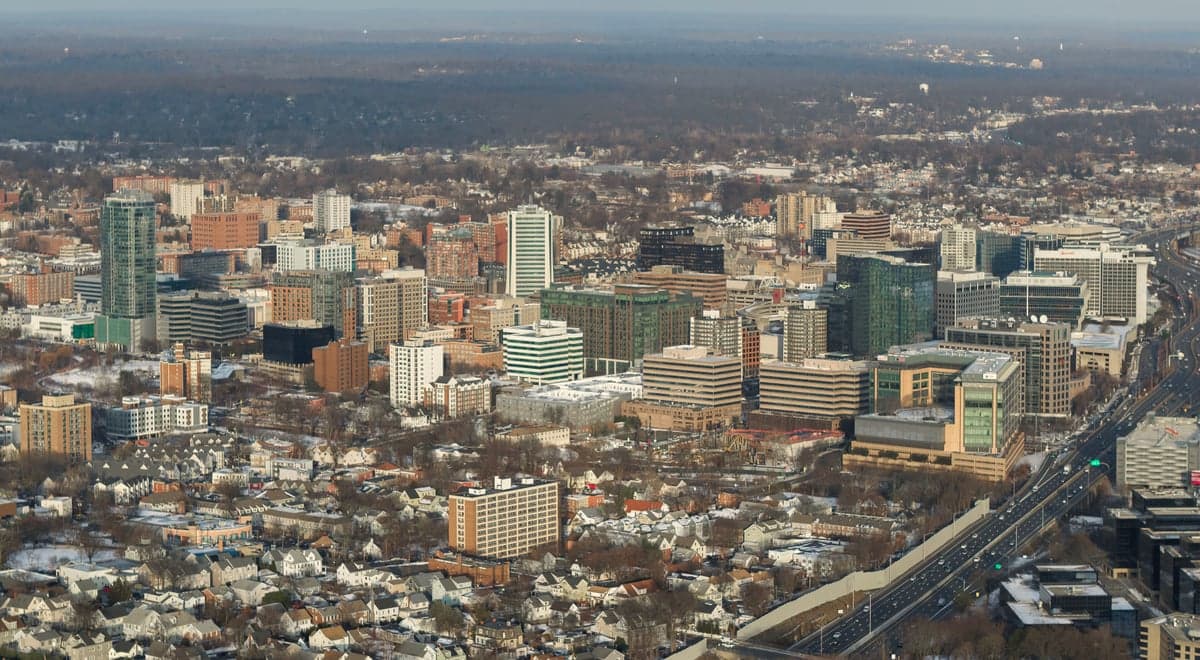
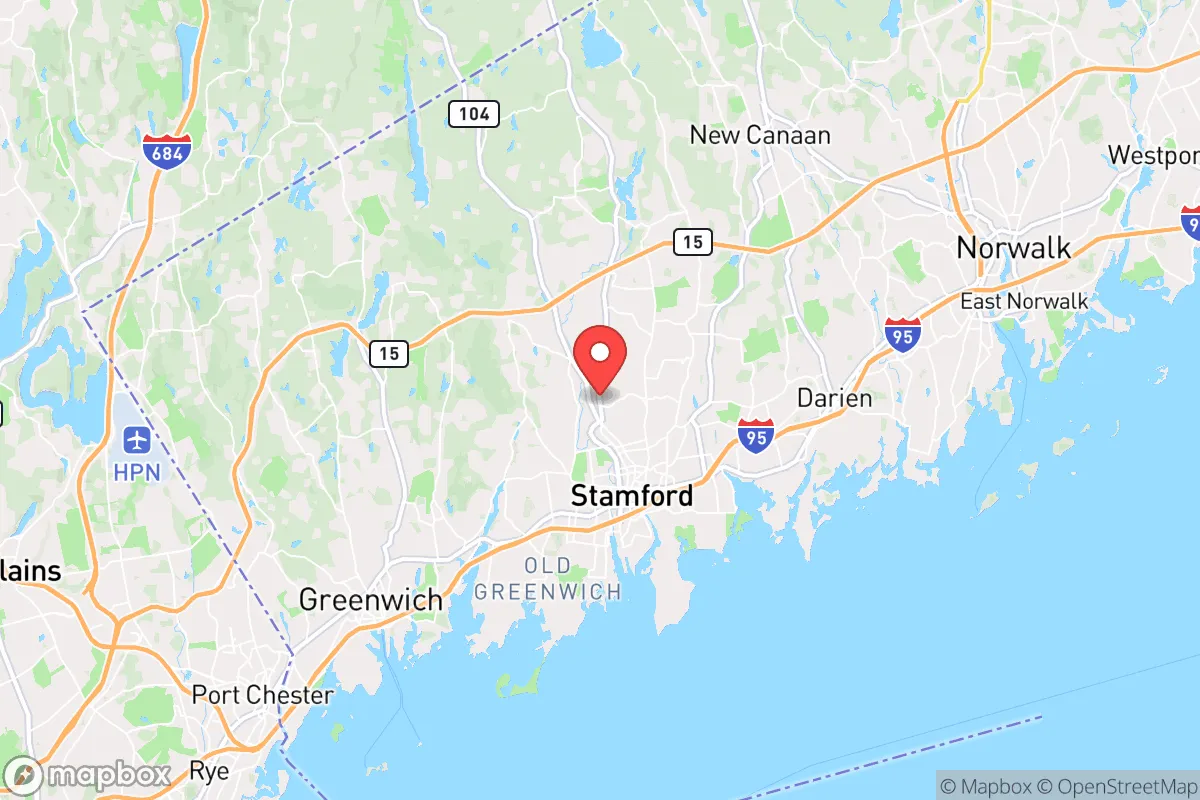
Stamford, Connecticut, presents a high-quality-of-life profile defined by affluence, density, and proximity to New York City. With a cost of living index of 201—double the national average—the city attracts a professional, upwardly mobile population of commuters, finance and corporate workers, and families seeking top-tier schools within a walkable urban environment. The median household income is well above the national figure, reflecting a demographic that prioritizes career access and lifestyle amenities over low housing costs.
Cost of living, housing, and affordability compared to New York City and Fairfield County
Stamford’s cost of living is steep by national standards but offers a relative bargain compared to Manhattan or Greenwich. The median home value sits at $614,300, while the median rent is $2,207 per month—both significantly lower than the $1.2 million median home price in neighboring Greenwich and the $3,500+ average rent in New York City’s core boroughs. However, these figures are roughly 30% higher than the Connecticut state average. The average commute time of 27.9 minutes is shorter than the typical New York City metro commute, largely because many residents work locally in Stamford’s corporate corridor or take the 45-minute Metro-North train to Grand Central. For a two-income professional household, the trade-off of higher housing costs for a shorter, less stressful commute and lower state income taxes than New York is a central factor in Stamford’s appeal.
What daily life is like: amenities, schools, and neighborhood character
Daily life in Stamford blends suburban convenience with urban energy. The city’s public school system, particularly Westhill High School and Stamford High School, offers strong Advanced Placement programs and athletic facilities, though some families opt for private schools like King School or Sacred Heart. The downtown area—centered around Bedford Street and the Stamford Town Center mall—features a dense mix of restaurants, bars, and cultural venues such as the Palace Theatre and the Stamford Museum & Nature Center. For outdoor recreation, Cove Island Park provides 83 acres of beach, trails, and sports fields, while the Mill River Park offers a skating rink and farmers market. The city’s walkability score of 68 is high for Connecticut, and its bike score of 52 supports short trips. The rhythm of life is fast-paced during the workweek, with many residents commuting or working in finance, healthcare, and tech at major employers like UBS, Charter Communications, and Pitney Bowes, but weekends slow down with family-oriented activities and easy access to the Long Island Sound shoreline.
Stamford is best suited for professionals and families who value career opportunity, urban amenities, and a strong school system but cannot afford or do not want the intensity of New York City living. The high cost of living and dense, sometimes congested downtown streets may deter those seeking a quiet, rural lifestyle or a lower housing budget. For a dual-income household earning above $150,000 annually, Stamford offers a balanced quality of life with a shorter commute, excellent public services, and a vibrant social scene that few other Connecticut cities can match.

Crime in Stamford, CT
Lower crime rates than 75% of comparable U.S. locations.
Violent CrimeViolent Crime Analysis
Property CrimeProperty Crime Analysis
Crime Analysis
Stamford, Connecticut, presents a mixed safety profile that demands careful consideration from potential residents. While the city’s violent crime rate of 107.9 incidents per 100,000 residents is notably lower than the national average, its property crime rate of 1,139.8 per 100,000 exceeds both state and national benchmarks, signaling a heightened risk for theft, burglary, and vehicle-related crime. The overall safety picture is further complicated by the local justice system’s progressive orientation, which prioritizes rehabilitation and diversion over incarceration—a philosophy that, while well-intentioned, can result in more offenders remaining on the street and a diminished sense of accountability for victims.
Crime in context
Stamford’s violent crime rate sits well below the U.S. average of roughly 380 per 100,000 and also under the Connecticut state average of about 190 per 100,000, placing it among the safer large cities in the Northeast for violent offenses. However, the property crime rate of 1,139.8 per 100,000 is significantly higher than the national average of approximately 1,950 per 100,000 but still above the Connecticut average of roughly 1,500 per 100,000. This means residents face a disproportionately high risk of property theft compared to other Connecticut cities of similar size. The disparity between low violent crime and elevated property crime is a key factor for anyone evaluating Stamford’s safety, as it suggests a community where opportunistic theft is more common than violent confrontation.
What residents experience
Daily life in Stamford involves a tangible awareness of property crime. Residents commonly report incidents of package theft, car break-ins, and bicycle theft, particularly in densely populated downtown areas and near transit hubs. The city’s progressive judicial policies, including a strong emphasis on pretrial release and reduced sentences for nonviolent offenders, mean that many property crime suspects are quickly back on the street. This cycle can erode public confidence in the justice system, as victims of theft often see little consequence for perpetrators. While violent crime is rare, the cumulative effect of frequent property crime and a lenient legal environment creates a persistent undercurrent of concern for many households, especially those living in apartment complexes or near commercial corridors.
Neighborhood-level variation is significant. Downtown Stamford and the South End experience the highest concentration of property crime, driven by foot traffic, bars, and parking lots. In contrast, North Stamford and the Cove areas report substantially lower crime rates, with many blocks seeing few incidents annually. However, even in quieter neighborhoods, the citywide property crime rate and the local justice system’s progressive approach mean that no area is immune from theft or the frustration of seeing repeat offenders cycle through the courts. For those prioritizing safety, a thorough block-by-block review of recent crime maps and a clear-eyed understanding of the local legal climate are essential before committing to a move.
* Values derived from national, state, county, city and local statistics and may differ in a specific area. Last updated: 2026-04-30T03:48:24.000Z
Narrative content on this page is AI-generated and may contain mistakes. Verify any details that matter before acting on them.
ReloMaps may earn a commission from affiliate links at no extra cost to you.

