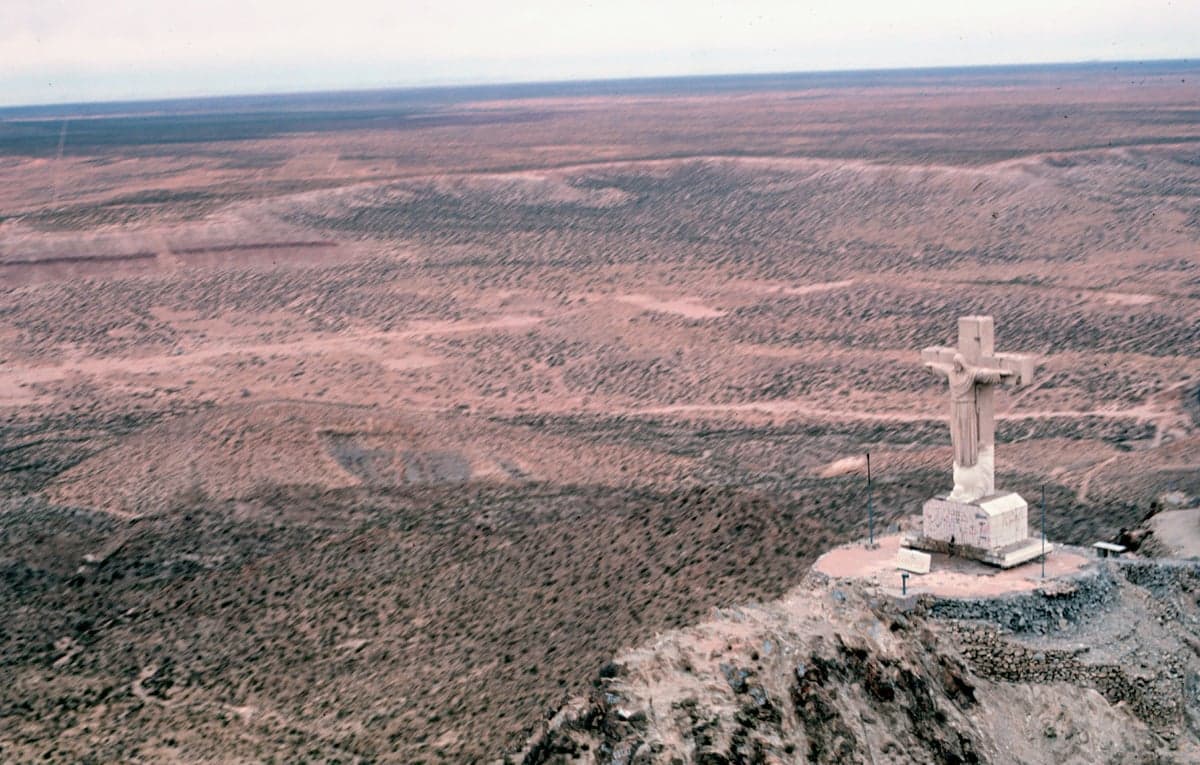
Photo: Wikipedia
Political ClimatePolitical Climate in Sunland Park, NM
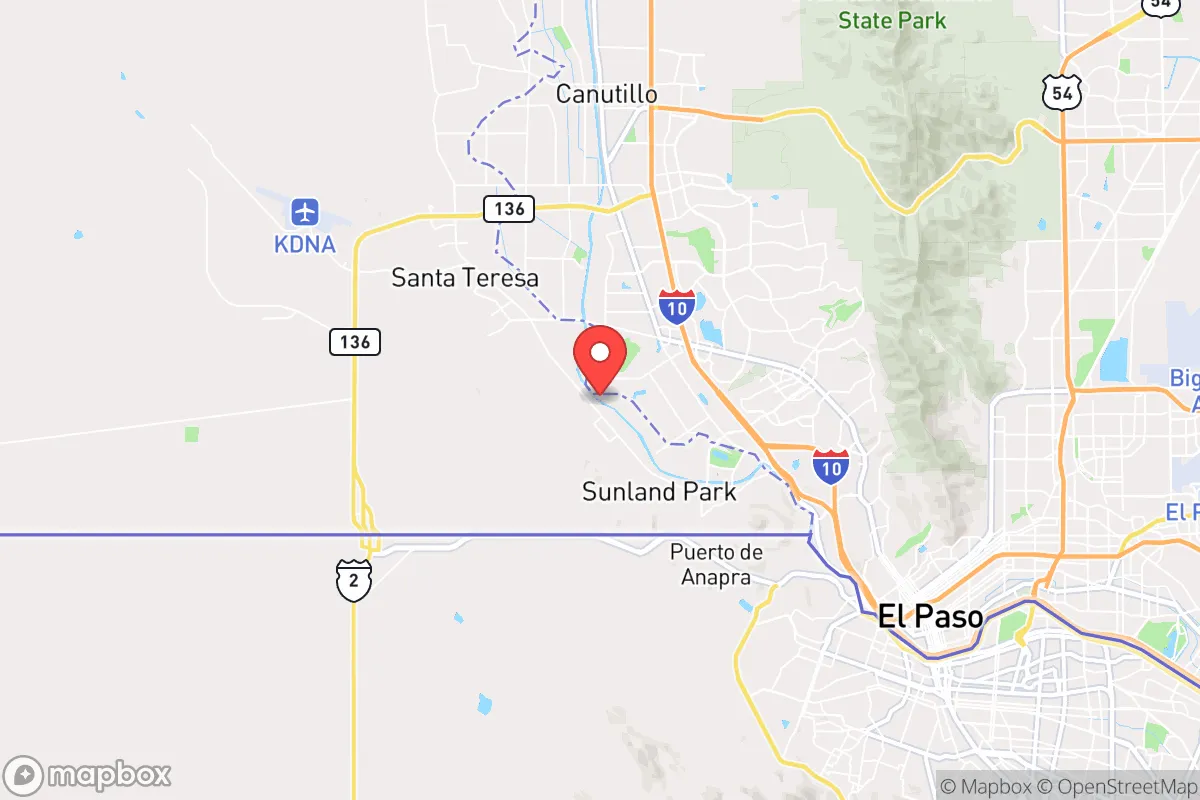
District shown is the primary district for this city’s centroid. Cities may span multiple districts.
Local Political AnalysisPolitical Analysis of Sunland Park, NM
Sunland Park, New Mexico, has long been a place where folks value their independence and don't take kindly to being told how to live their lives, but the political winds are shifting in a way that should give any freedom-loving resident pause. The area's Cook PVI rating of EVEN might sound balanced on paper, but it masks a slow, steady drift toward progressive policies that many of us who've been here for decades see as a real threat to our way of life. Back in the 90s and early 2000s, you could count on local leaders to focus on keeping taxes low and government out of your business, but now there's a growing push for more regulation, higher spending, and a whole lot of "we know what's best for you" coming from city hall.
How it compares
If you drive just 20 minutes east to Las Cruces, you'll see what Sunland Park could become if we're not careful—a place where progressive policies on everything from land use to local business licensing have made it harder for small operators to survive. Meanwhile, across the state line in Texas, communities like El Paso's West Side and the rural areas around Anthony still hold onto a more conservative, hands-off approach to governance. The contrast is stark: in Sunland Park, we're starting to see zoning ordinances that feel like they're designed to control rather than protect, and there's chatter about adopting "equity" frameworks that would prioritize group identity over individual merit. It's a far cry from the live-and-let-live attitude that used to define this border town.
What this means for residents
For those of us who value personal freedom, the biggest red flag is the creeping expansion of local government into everyday life. We're seeing more fees, more permits, and more hoops to jump through just to run a small business or make improvements to your own property. The city council has been flirting with "affordable housing" mandates that could force property owners to rent at below-market rates, which is a direct assault on your right to do what you want with what you own. And let's not even get started on the school board—there's a real push to bring in curriculum that teaches kids to see everything through a political lens rather than just giving them the skills to think for themselves. If you're a parent who wants your child to learn how to read and do math without being told they're an oppressor, you need to pay close attention to who's running for local office.
On the cultural side, Sunland Park still has a strong sense of community where neighbors look out for each other, and that's something worth fighting for. But the policy direction is clear: more government, less freedom. The long-term trajectory points toward higher taxes, more red tape, and a loss of the personal autonomy that made this area a great place to raise a family. If you're considering a move here, just know that the political climate is changing, and it's up to us to push back before we lose what makes Sunland Park special.

State Political ClimatePolitical Climate in New Mexico
State Political AnalysisPolitical Environment in the State
New Mexico has been a reliably blue state in presidential elections since 2004, but don't let that fool you—it's a deeply divided place where the political climate is far more nuanced than the statewide numbers suggest. The Democratic coalition is anchored by a powerful urban machine in Albuquerque, Santa Fe's progressive elite, and a growing Hispanic voting bloc that leans left on social services but remains culturally conservative on many issues. Over the last 20 years, the state has shifted from a purple battleground—where George W. Bush came within 366 votes in 2000—to a solidly Democratic stronghold, with Joe Biden winning by 11 points in 2020. But beneath that surface, a fierce rural-urban war is raging, and the state's policy trajectory has alarmed many conservatives who see a pattern of overreach that threatens personal freedoms.
Urban vs. rural divide
The political map of New Mexico is a tale of two worlds. The entire state's blue margin is driven by Bernalillo County (Albuquerque) and Santa Fe County, which together cast nearly half the state's votes. Santa Fe County alone gave Biden 80% of its vote in 2020, while Albuquerque's East Mountains and North Valley precincts are the only pockets of red within the city limits. Drive 30 minutes outside the Rio Grande corridor, and you enter a different universe. The eastern plains around Clovis and Portales are deep red, with Roosevelt County voting +37 points for Trump. The southeastern oil patch around Hobbs and Carlsbad is even more conservative—Lea County went +44 for Trump, fueled by the Permian Basin energy economy. The rural Hispanic counties along the Rio Grande, like Doña Ana County (Las Cruces), are swing areas that have trended blue but still elect conservative Democrats and Republicans at the local level. The real flashpoint is the growing exodus from Albuquerque to suburbs like Rio Rancho and Los Lunas, which are becoming politically competitive—Rio Rancho voted for Trump in 2020 by a slim margin, signaling a potential shift as families flee the city's crime and failing schools.
Policy environment
New Mexico's policy environment is a mixed bag that should give any freedom-minded person pause. The state has a progressive income tax with rates up to 5.9%, and the gross receipts tax (a form of sales tax) can hit 8-9% in some cities—a hidden burden on small businesses. The regulatory climate is increasingly hostile to energy development, with Governor Michelle Lujan Grisham's administration pushing methane emission rules that critics say will cripple the oil and gas industry, which funds 40% of the state budget. Education is a disaster: the state ranks 50th in the nation for K-12 outcomes, yet the legislature has poured billions into the system with no improvement, while pushing critical race theory and gender ideology into curriculum standards. Healthcare is dominated by the state's Medicaid expansion, which covers nearly half the population, but private insurance costs are among the highest in the country. Election laws are a concern: New Mexico has no voter ID requirement, same-day registration, and automatic mail-in ballots for all registered voters—a system that has drawn criticism for lax security. The state also passed a "red flag" gun law in 2020, allowing courts to seize firearms without due process, and in 2023, the governor attempted to ban concealed carry in Albuquerque and Bernalillo County, a move that was temporarily blocked by a federal judge.
Trajectory & freedom
The trajectory is unmistakably toward less freedom. The 2023 legislative session was a disaster for conservatives: the state banned "conversion therapy" for minors, expanded abortion access with a law that prevents local municipalities from restricting the procedure, and passed a "safe haven" law for gender-affirming care that shields providers from out-of-state lawsuits. On gun rights, the state has gone from a shall-issue concealed carry state to one where the governor openly defies the Second Amendment—her 2023 public health order suspending the right to carry in Albuquerque was a direct assault on constitutional rights, and while it was struck down, the intent is clear. Property rights are under threat from the state's "land use" planning initiatives that seek to impose zoning restrictions on rural counties. The only bright spot is the state's recent move to cut the personal income tax rate from 4.9% to 4.5% in 2024, a small step toward competitiveness, but it's offset by new taxes on vaping and a proposed wealth tax that failed in committee. Parental rights are eroding: the state's Human Rights Act now defines "sexual orientation" and "gender identity" as protected classes, and schools are not required to notify parents if a child changes their name or pronouns—a policy that has sparked outrage in conservative communities like Farmington and Alamogordo.
Civil unrest & political movements
New Mexico has seen its share of political flashpoints. The 2020 election integrity debate was intense here, with rural counties like Otero and Eddy passing resolutions calling for a forensic audit of the 2020 results, though the state's Democratic secretary of state dismissed them. Immigration politics are a constant source of tension: the state is a sanctuary state, with Albuquerque and Santa Fe declaring themselves "immigrant-friendly" cities that limit cooperation with ICE. In 2022, the governor deployed the National Guard to the southern border, but only to assist with processing—not enforcement—leading to criticism that it was a photo op. The most visible protest movement in recent years has been the "New Mexico Stands Up" coalition, a left-wing group that has organized against oil and gas development and for defunding the police. On the right, the "New Mexico Patriots" and "Otero County Republican Party" have been active in election integrity and Second Amendment rallies. The 2023 legislative session saw a dramatic moment when a Republican state representative was arrested for his role in the January 6 Capitol breach, further polarizing the state's political discourse. In rural areas, you'll see "Don't California My New Mexico" bumper stickers, a sentiment that reflects the fear of progressive transplants from blue states driving up housing costs and changing the culture.
Projection
Over the next 5-10 years, New Mexico is likely to become more Democratic and less free. The demographic trends are clear: the state's Hispanic population, which makes up 50% of the electorate, is trending younger and more progressive, while the rural white population is aging and shrinking. In-migration is coming from California and Colorado, not Texas—people moving to Santa Fe and Albuquerque are overwhelmingly left-leaning, driving up home prices and pushing the culture further left. The oil and gas industry, which has been the state's economic lifeline, faces existential threats from federal regulations and the state's own green energy mandates, which could devastate the economies of Hobbs, Carlsbad, and Farmington. The only hope for conservatives is the growing exodus from Albuquerque to Rio Rancho and Los Lunas, which could flip those suburbs red and create a more competitive state legislature by 2030. But realistically, anyone moving to New Mexico today should expect a state where the government will continue to expand its control over healthcare, education, and personal choices, with little resistance from a one-party Democratic establishment that has held the governor's office and both legislative chambers since 2019.
For a conservative considering relocation, the bottom line is this: New Mexico offers beautiful landscapes, low property taxes, and a slower pace of life, but you'll be living under a government that is actively hostile to your values. If you're moving to the state, stick to the rural counties—Lea, Eddy, Otero, or Roosevelt—where local culture still respects individual liberty and the Second Amendment. Avoid Santa Fe and Albuquerque unless you're prepared for high taxes, crime, and a political environment that will feel like a blue state enclave. The state's trajectory is concerning, but there are still pockets of freedom if you know where to look.
* Values derived from national, state, county, city and local statistics and may differ in a specific area. Last updated: 2026-04-22T09:12:26.000Z
Narrative content on this page is AI-generated and may contain mistakes. Verify any details that matter before acting on them.
ReloMaps may earn a commission from affiliate links at no extra cost to you.

