
Photo: Wikipedia
Find The Best Places To Live in Lea County
PRO TIP! You can paste a Zillow or Redfin link to get info on that property.
Best Places to Live in Lea County
Cities & Towns in Lea County
Cities in Lea County
What It's Like Living in Lea County, NM
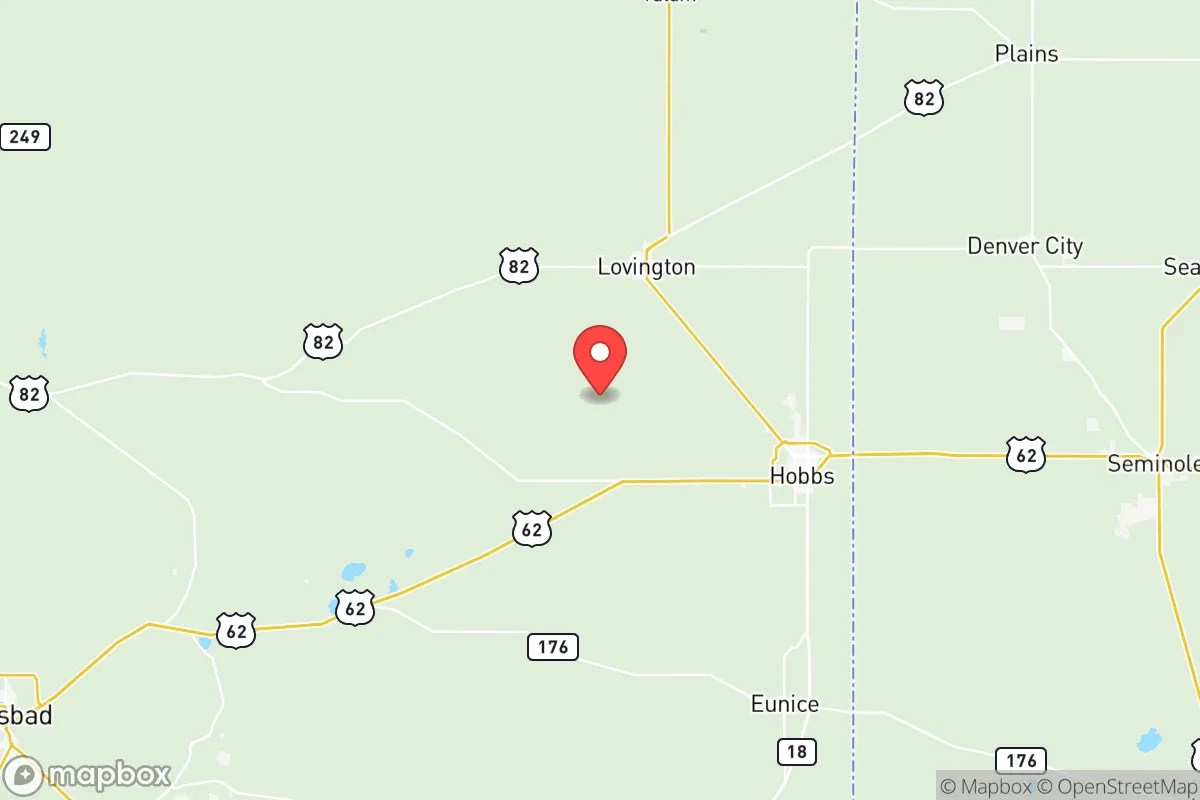
Living in Lea County means getting comfortable with wide-open spaces, a boom-and-bust oil economy, and a pace of life that’s slower than the Texas cities just across the state line. This is southeastern New Mexico’s energy hub, anchored by the twin cities of Hobbs and Lovington, with smaller communities like Eunice, Tatum, and Jal scattered across the plains. It’s a place where Friday night lights matter, the wind never really stops, and most people are here for work—either in the oil fields, the clinics, or the schools—and stay for the quiet affordability.
Daily Rhythm in the Oil Patch
A typical day in Lea County starts early. In Hobbs, the largest city with roughly 40,000 residents, you’ll see pickup trucks heading toward the Permian Basin before sunrise. The work culture is dominated by the energy sector—ConocoPhillips, XTO Energy, and a web of service companies keep the local economy humming. Shifts are long, often 12-hour days on a two-weeks-on, one-week-off rotation, which means weekends are precious and spent catching up on errands or relaxing. Lunch spots like Jal’s Dairy Queen or Hobbs’ La Fiesta fill up with crews in hard hats, and the grocery aisles at Albertsons or Walmart are busiest on payday weekends. The median age here is just 32.5, reflecting a workforce that’s young, mobile, and often renting rather than buying—though with a median home value of $176,000 and a cost of living index of 83, buying is surprisingly attainable for those who stay put.
For families, the school system becomes the social anchor. Hobbs Municipal Schools and Lovington Municipal Schools host everything from parent-teacher nights to weekend soccer games. The commute is a non-issue for most—the average drive is about 25 minutes, and that’s often because you’re crossing town or heading out to a well site. Traffic jams are rare; the biggest slowdown might be a cattle crossing on Highway 18 south of Tatum.
Sports, Community, and What People Do for Fun
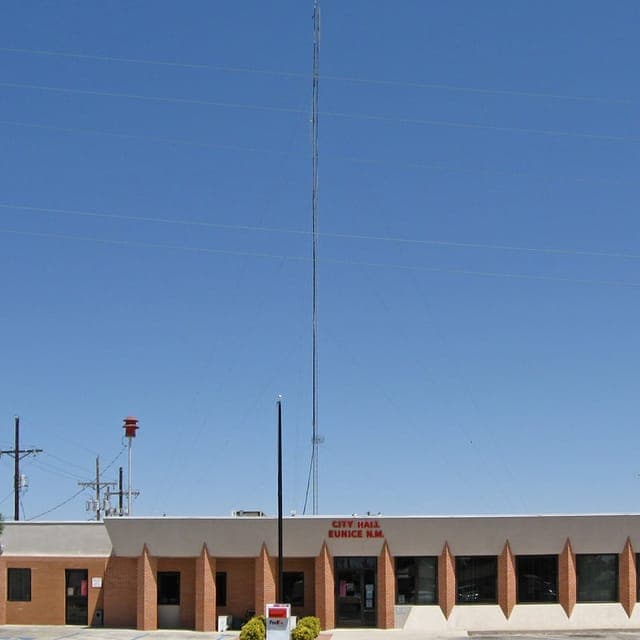
If you live in Lea County, you care about high school football. Hobbs High School Eagles and Lovington High School Wildcats draw crowds that rival small colleges on Friday nights. The rivalry between Hobbs and Lovington is genuine—families split across the two towns, and game day means packed bleachers, marching bands, and barbecue tailgates in the parking lot. Beyond football, the Lea County Event Center in Lovington hosts rodeos, livestock shows, and the annual Lea County Fair, which is the social highlight of late summer. For a more low-key evening, locals head to Hobbs’ Zia Park Casino for horse racing and slot machines, or to Eunice’s Lea Theatre, a restored 1940s movie house that screens second-run films.
Outdoor life is defined by the landscape—flat, dry, and big-skied. Hunting for quail and mule deer is popular on private ranches, and the Brantley Lake State Park near Carlsbad (about 40 minutes west of Hobbs) offers the closest fishing and boating. There’s no major music venue or pro sports team within two hours; the nearest big-city entertainment is in Lubbock, Texas, a 90-minute drive east. That isolation is a double-edged sword: you learn to make your own fun, whether that’s dirt biking on county roads or gathering at a neighbor’s shop for a cookout.
Pros and Cons of Lea County Living
The biggest draw is financial. With a median household income of $68,750 and a cost of living well below the national average, a single earner can afford a three-bedroom house on a modest salary. The weather is another plus—over 260 sunny days a year, with mild winters that rarely dip below freezing for long. Summers are hot (100°F is common in July), but the low humidity makes it bearable. Locals love the lack of traffic, the genuine friendliness, and the fact that you can still buy a home in Hobbs or Lovington for under $200,000.
On the downside, the violent crime rate of 603.2 per 100,000 residents is notably high—roughly double the national average—and property crime is a recurring frustration, especially around oil-field camps and rental neighborhoods. The economy’s dependence on oil prices means layoffs can come fast when crude drops. Culturally, it’s a conservative area with a strong church presence; if you’re looking for nightlife, art galleries, or a diverse food scene, you’ll be disappointed. The wind is a constant companion—spring gusts of 40 mph are normal—and the nearest airport with regular commercial flights is in Lubbock, not Hobbs, which can feel isolating for frequent travelers.
Only 15.3% of adults here hold a college degree, which shapes the social and professional landscape. It’s a blue-collar, hands-on community where trade skills are valued as much as diplomas. For the right person—someone who values affordability, community ties, and doesn’t mind a long drive for a concert or a non-chain restaurant—Lea County offers a straightforward, low-stress life. For others, the isolation and limited amenities can wear thin. Most people who move here for the oil patch end up staying longer than they planned, trading the city’s buzz for a house with a yard and a sky that goes on forever.

* Values derived from national, state, county, city and local statistics and may differ in a specific area. Last updated: 2026-06-12T19:35:15.000Z
Narrative content on this page is AI-generated and may contain mistakes. Verify any details that matter before acting on them.
ReloMaps may earn a commission from affiliate links at no extra cost to you.

