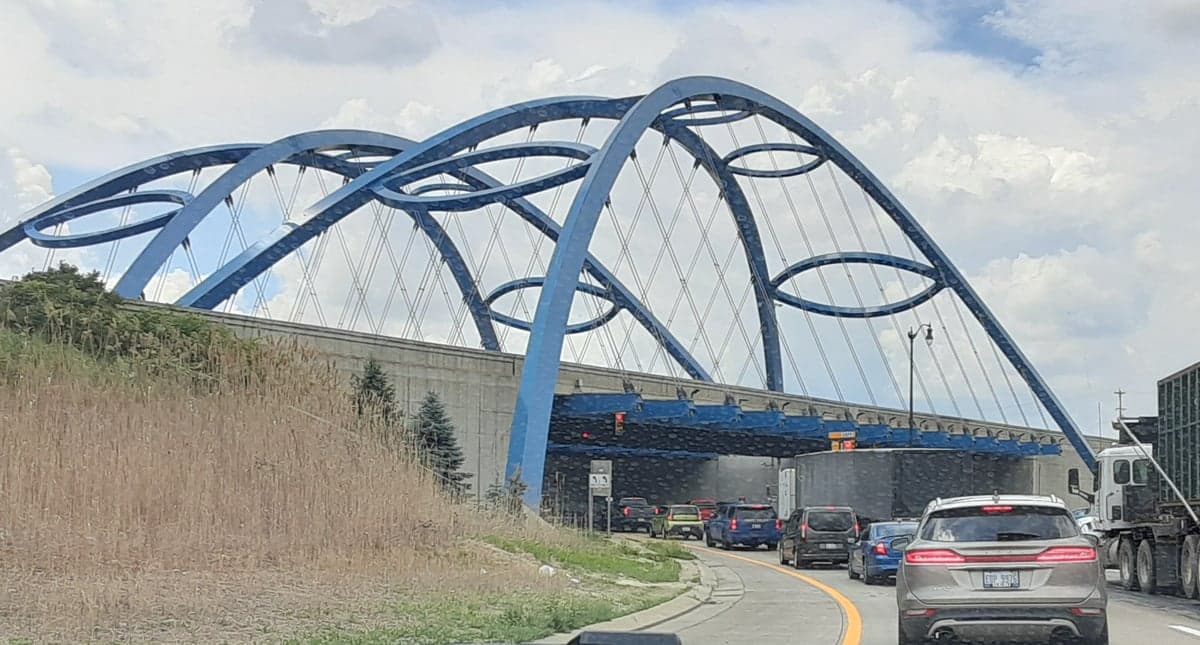
Photo: Wikipedia
Quality of Life in Taylor, MI
Above-average quality of iife. The area offers a reasonable cost of living, decent mobility, and a mix of neighborhood amenities.
What does Quality of Life tell us?
Quality of Life blends cost of living, nearby amenities, socioeconomic signals, and neighborhood character. City-level scores represent the whole municipality; individual neighborhoods can differ.
What does this tell us?
Quality of Life blends cost of living, nearby amenities, socioeconomic signals, and neighborhood character. City-level scores represent the whole municipality; individual neighborhoods can differ.
Cost of Living
27% below national average
The Real Cost of Living in Taylor, MI for 2026
| Tier | Individual | Family (4) |
|---|---|---|
| Survival | $17k | $31k |
| Comfortable | $27k | $40k |
| Luxury | $95k+ | $148k+ |
| Elite (Top 5%) | $112k+ | $174k+ |
148%
The Area Signal
A metric tracking the socioeconomic signals of the area.
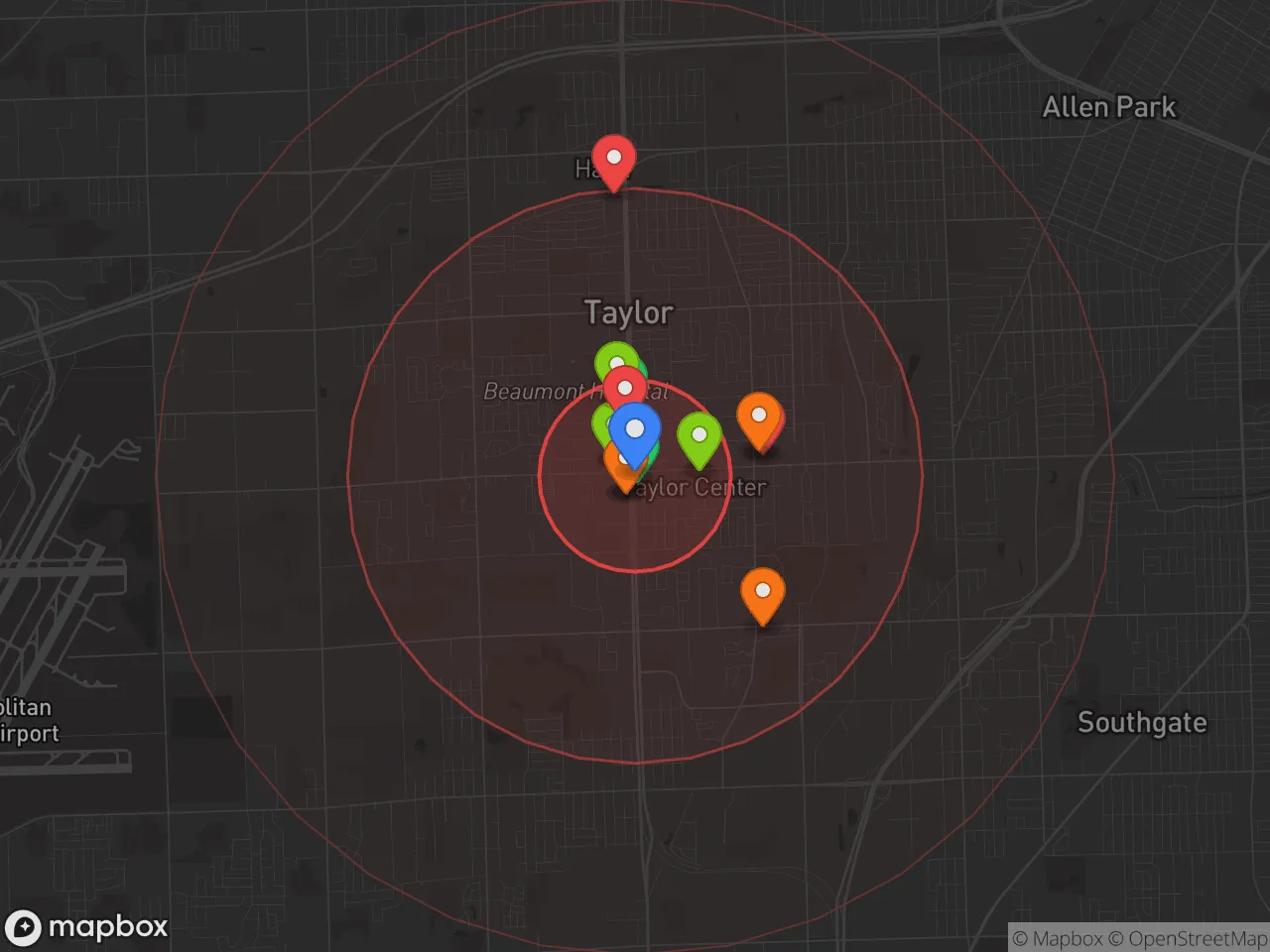
Hobbies
Explore the areaGroceries
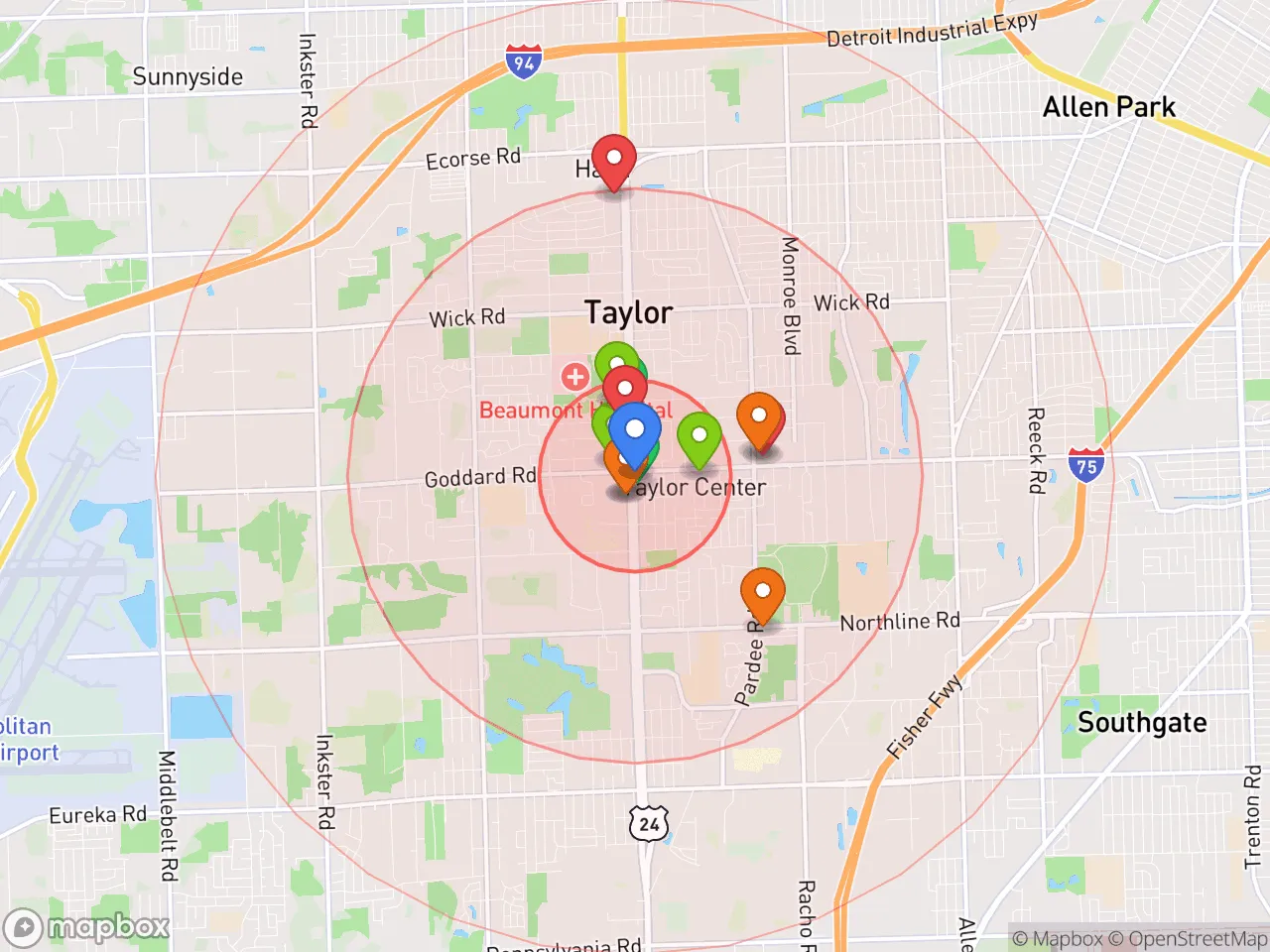
7 within 10 miles
Gas
20 within 10 miles
Hospital
20 within 20 miles
Airport
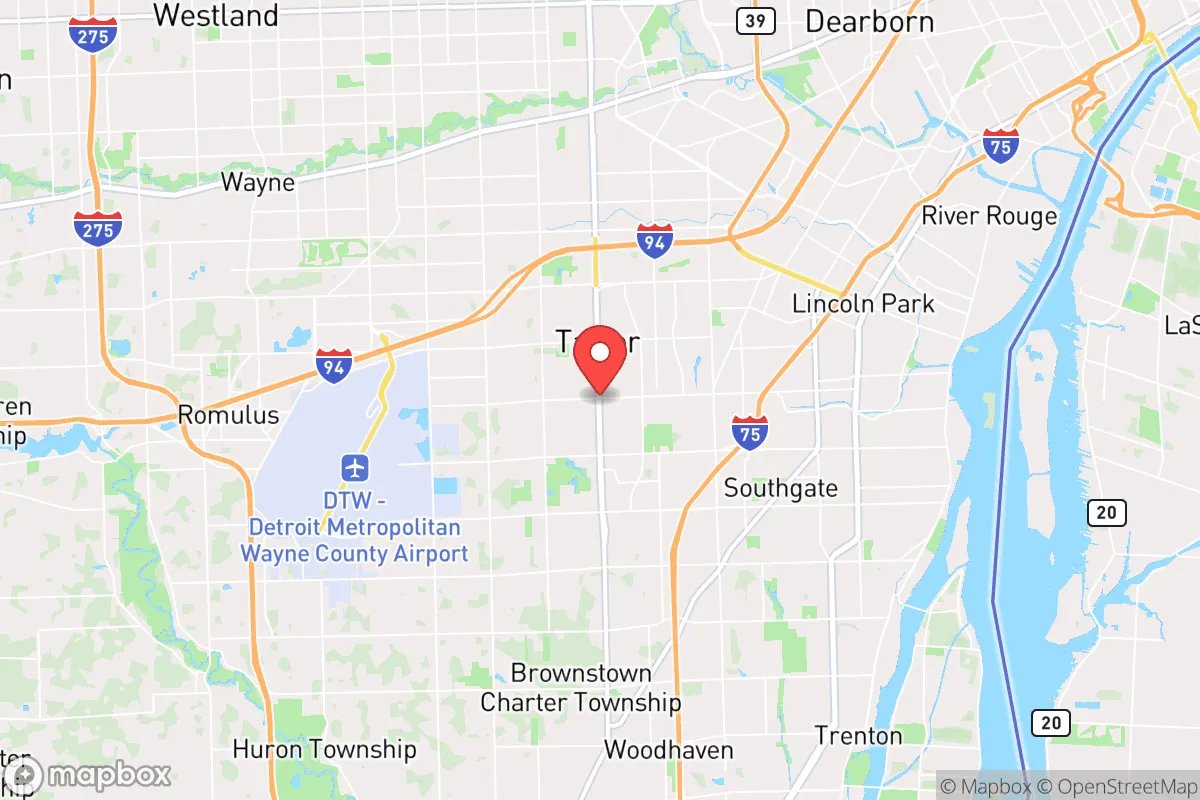
DTW — Detroit Metropolitan Wayne County
Post Office
USPS — Allen Park, MI
Critical Amenities
Quality-of-Life Analysis
Taylor, Michigan, offers a distinctly affordable quality of life that sets it apart from much of the Detroit metro area, with a cost of living index of 73 (27% below the U.S. average) and a median home value of just $141,200. The city is predominantly a working- and middle-class community, with a population that skews toward families, long-term residents, and tradespeople employed in manufacturing, logistics, and healthcare. While Taylor lacks the affluence of nearby suburbs like Grosse Ile or Plymouth, it provides a stable, no-frills environment where a modest income goes significantly further than in most of Wayne County.
Cost of living, housing affordability, and how Taylor compares to nearby areas
Taylor’s housing market is one of the most accessible in the region. The median home value of $141,200 is roughly 60% lower than the Detroit metro median of about $240,000, and the median rent of $1,036 is well below the national average of $1,200. For context, a comparable home in nearby Dearborn would cost roughly $200,000, while in Allen Park or Southgate prices hover around $170,000. This affordability is driven by a large inventory of post-war ranch homes and Cape Cods, many of which require cosmetic updates but offer solid bones. Property taxes in Taylor are moderate for Wayne County, averaging about 2.1% of assessed value, which is lower than in Detroit proper but higher than in western suburbs like Canton. The average commute of 21.9 minutes is notably shorter than the regional average of 28 minutes, thanks to Taylor’s location near I-94, I-75, and the Detroit Metropolitan Airport. This makes it a practical choice for workers at Ford’s Rawsonville Plant, Amazon’s Romulus fulfillment center, or the airport itself.
Amenities, schools, and what daily life is like for families
Daily life in Taylor centers on practical, accessible amenities rather than boutique experiences. The city is home to Heritage Park, a 100-acre complex with a splash pad, sports fields, and the Taylor Sportsplex ice rink, which hosts youth hockey leagues. The Taylor Town Trade Center shopping corridor along Telegraph Road provides big-box retail (Walmart, Meijer, Home Depot) and chain dining, while local staples like the Taylor Coney Island and the historic Lincoln Park Bakery offer a more grounded dining scene. The Taylor School District serves roughly 8,000 students, with Truman High School and Kennedy High School both offering career and technical education programs in welding, automotive technology, and healthcare—aligning with the local job market. For higher education, Wayne County Community College District’s Taylor campus provides affordable associate degrees and certificate programs. The city’s crime rate is moderate, with property crime slightly above the national average but violent crime below Detroit’s levels; the Taylor Police Department maintains a visible presence with community policing initiatives.
Taylor is best suited for budget-conscious families, tradespeople, and first-time homebuyers who prioritize square footage and yard space over prestige or walkability. Retirees on fixed incomes also find the low housing costs and proximity to Beaumont Hospital, Dearborn attractive. However, those seeking high-end dining, top-tier public schools, or a vibrant nightlife will likely prefer nearby Ann Arbor or Royal Oak. For anyone whose primary goal is stretching a paycheck while staying within 25 minutes of Detroit’s major employment hubs, Taylor delivers a solid, unpretentious foundation for daily life.

Crime in Taylor, MI
Higher crime rates than 61% of comparable U.S. locations.
Violent CrimeViolent Crime Analysis
Property CrimeProperty Crime Analysis
Crime Analysis
Taylor, Michigan, reports a violent crime rate of 749 incidents per 100,000 residents and a property crime rate of 1,921.6 per 100,000, placing it among the higher-risk communities in the Detroit metropolitan area. These figures indicate that residents face a significantly elevated likelihood of experiencing crime compared to both state and national averages, a situation compounded by the progressive judicial policies prevalent in Wayne County. The combination of high crime volume and a justice system perceived as lenient toward offenders creates a safety environment that demands careful consideration from potential movers.
Crime in context
Taylor’s violent crime rate of 749 per 100,000 is roughly double the national average of approximately 380 per 100,000 and far exceeds Michigan’s state rate of about 460 per 100,000. Property crime, while slightly closer to national norms, still registers at 1,921.6 per 100,000 compared to the U.S. average of roughly 1,950 per 100,000. These numbers place Taylor in the bottom quartile for safety among Michigan cities of similar size. The broader context matters: Wayne County, which includes Detroit and its inner-ring suburbs, has seen a pattern of progressive district attorneys and judges who prioritize diversion programs and reduced sentencing. Critics argue this approach has weakened deterrence, contributing to repeat offenses and a revolving-door justice system that directly impacts public safety in communities like Taylor.
What residents experience
For those living in Taylor, the statistical risk translates into tangible daily concerns. Violent crime—including aggravated assault, robbery, and homicide—occurs at a frequency that makes it a regular topic of neighborhood discussion and local news coverage. Property crime, particularly theft from vehicles and residential burglaries, is the most common type of incident residents report. The presence of a progressive judicial philosophy in Wayne County means that many offenders arrested in Taylor are processed through a system that often favors rehabilitation over incarceration. While intended to reduce recidivism, this approach has been linked to higher rates of repeat property crime and a perception among residents that the legal system does not adequately protect victims or hold offenders accountable. This dynamic can erode trust in law enforcement and the courts, leaving some residents feeling that reporting crime yields little practical result.
Neighborhood-level variation within Taylor is notable. Areas closer to the I-94 corridor and the southern edge near the Downriver communities tend to see higher concentrations of property crime, while the residential neighborhoods north of Goddard Road and west of Telegraph Road generally report lower incident rates. However, no part of Taylor is immune from the spillover effects of regional crime trends, and the city’s proximity to Detroit means that criminal activity often crosses municipal boundaries. Prospective residents should research specific block-level data through the Taylor Police Department’s online crime map and consider that the city’s overall safety profile is heavily influenced by the broader, more lenient judicial environment of Wayne County.
* Values derived from national, state, county, city and local statistics and may differ in a specific area. Last updated: 2026-04-24T20:05:59.000Z
Narrative content on this page is AI-generated and may contain mistakes. Verify any details that matter before acting on them.
ReloMaps may earn a commission from affiliate links at no extra cost to you.

