 Popular
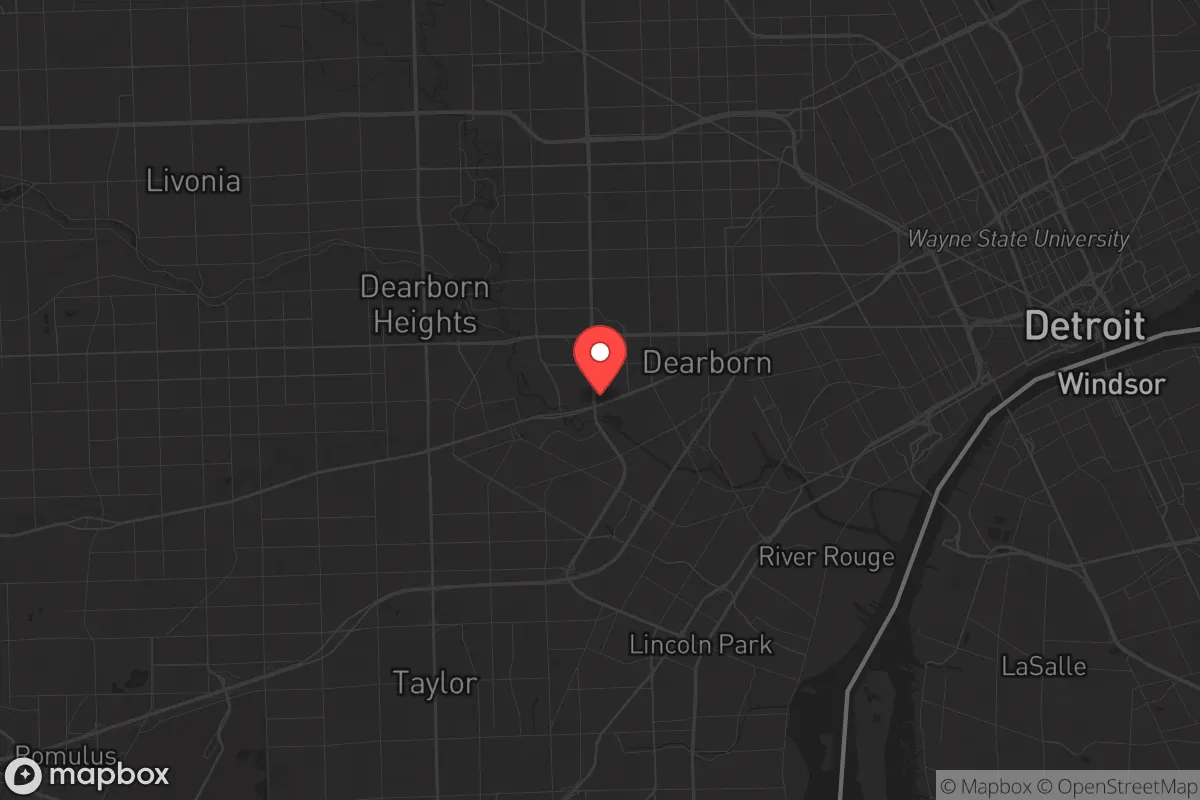
Photo: Wikipedia
Find The Best Places To Live
in Dearborn
PRO TIP! You can paste a Zillow or Redfin link to get info on that property.
What It's Like Living in Dearborn, MI
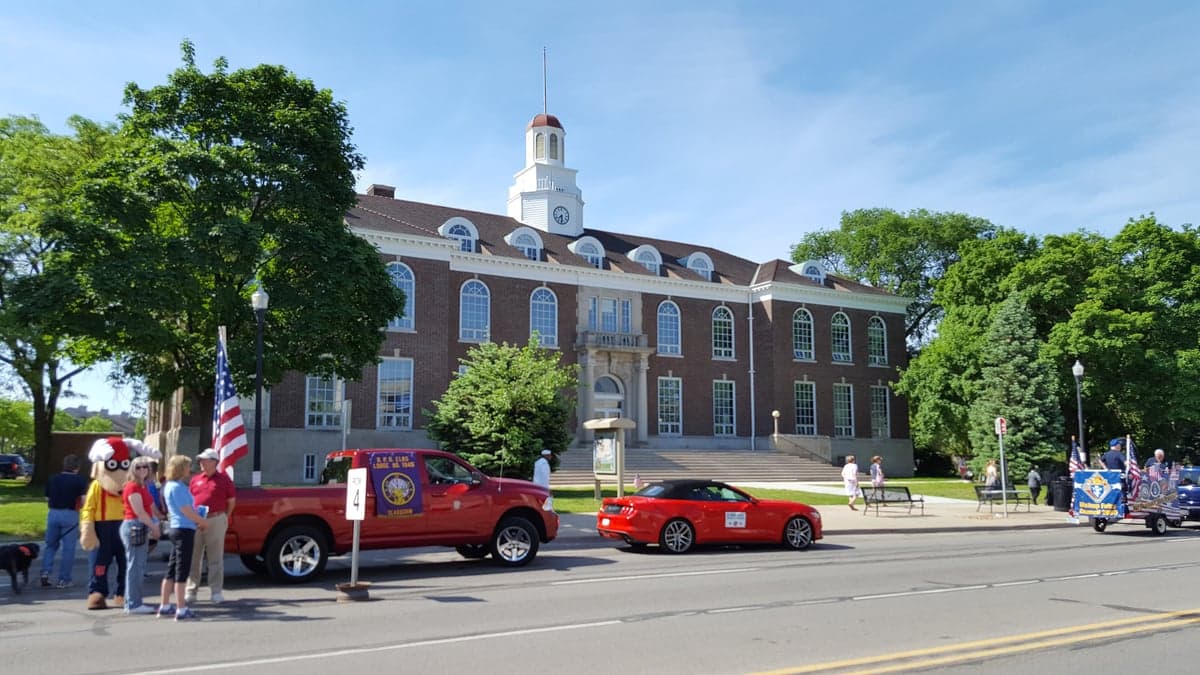
Dearborn has a reputation that precedes it, and for good reason. It’s a city that feels less like a suburb of Detroit and more like its own self-contained world—a place where the auto industry’s heartbeat is still palpable, where the scent of shawarma and fresh-baked pita competes with the hum of Ford trucks on Michigan Avenue, and where community identity runs deeper than a zip code. If you’re considering a move here, you’re looking at a city of roughly 108,000 people that’s simultaneously blue-collar, immigrant-rich, and quietly ambitious.
The Daily Rhythm: Work, Food, and Family Life
Most mornings in Dearborn start early. The average commute clocks in at just over 21 minutes—short enough that you’re not losing your life to the car, but long enough to finish a podcast. A huge chunk of the workforce heads to the Ford Rouge Complex or the Dearborn Truck Plant, both of which are literal landmarks you can see from the highway. But the city also has a surprising number of white-collar jobs tied to the auto industry’s engineering and design arms, plus a growing healthcare sector at Beaumont Hospital. The median household income sits around $65,000, which goes further here than in many places because the cost of living is 6% below the national average. That means a family can actually afford a decent home—median value around $206,000—without stretching into six-figure debt.
Weekends here are often about food. Dearborn is arguably the best place in the Midwest for Middle Eastern cuisine, and that’s not hyperbole. You’ll find families packing into places like Al-Ameer or Sheeba for lunch after Friday prayers, or grabbing late-night falafel at Bucharest Grill. The city’s large Arab-American population—one of the highest concentrations in the U.S.—means that grocery stores like Al-Haramain and QFC stock things you won’t find in a standard Kroger. For a more Americanized weekend, people head to the Fairlane Town Center mall or catch a movie at the MJR theater. The vibe is less “trendy hipster” and more “practical, family-oriented, and proud of where they come from.”
Sports, Community, and the Ford Factor
If you live in Dearborn, you’re a Ford fan—not just the trucks, but the family. The Ford name is woven into the city’s DNA. The Henry Ford Museum and Greenfield Village aren’t just tourist traps; they’re where locals take out-of-town guests and where school kids go on field trips. But the real sports energy here isn’t pro—it’s high school. Dearborn High School and Fordson High School have a rivalry that’s genuinely intense, especially in football. Fordson’s team, the Tractors, draws crowds that rival some small colleges. On any given Friday night in the fall, you’ll see grandparents, parents, and kids packed into the stands, and the energy is electric. For pro sports, Detroit’s teams are a 15-minute drive away, but many locals are just as invested in the University of Michigan Wolverines as they are in the Lions or Tigers.
The city also has a strong sense of cultural identity that outsiders sometimes misunderstand. The annual Arab International Festival draws tens of thousands of people to Warren Avenue for food, music, and carnival rides. It’s loud, crowded, and genuinely fun. But there’s also a quieter side: the Dearborn Historical Museum, the parks along the Rouge River, and the fact that you can drive 10 minutes and be in downtown Detroit for a Red Wings game or a concert at the Fox Theatre. The kind of person who fits in here is someone who values community over flash, who doesn’t mind a little grit, and who appreciates that a city can be both diverse and deeply traditional at the same time.
What’s There to Do (and What Frustrates People)
Entertainment in Dearborn is more about everyday life than big nights out. The most popular spots are restaurants and coffee shops—places like Qahwah House, where the Yemeni coffee is strong and the vibe is social. There are a few bars, like the popular Post Bar on Michigan Avenue, but this isn’t a late-night club scene. For outdoor activity, locals hit Ford Field Park or the River Rouge Trail for walking and biking. In winter, things slow down—Michigan winters are real, with snow and gray skies from December through March. That’s when people lean into indoor stuff: visiting the Henry Ford Museum, catching a show at the Ford Community & Performing Arts Center, or just hunkering down at home.
Now for the honest downsides. The violent crime rate is 249 per 100,000 people—higher than the national average, though it’s concentrated in certain areas and not random. Property crime is a more common annoyance, especially car break-ins. Traffic on Michigan Avenue and Ford Road can be a slog during rush hour, and the city’s infrastructure feels older in places. Some longtime residents grumble about the city’s taxes and the school system, which is a mixed bag—Dearborn Public Schools have strong programs but also face funding challenges. And if you’re not part of the Arab-American community, you might sometimes feel like an outsider, though most people are welcoming once you make an effort.
The median age here is 32.6, which means it’s a relatively young city. That shows in the number of young families pushing strollers at the weekend farmers market and the steady demand for affordable starter homes. If you’re a single person, you might find the social scene a bit limited unless you’re plugged into the university crowd (University of Michigan-Dearborn is right there) or the auto industry’s young professional groups. For parents, the appeal is clear: a safe-enough community with good schools, cheap housing, and a real sense of place. Dearborn isn’t trying to be the next trendy hipster enclave. It’s a city that knows exactly what it is—and for the right person, that’s exactly the point.

Similar small cities to Dearborn
* Values derived from national, state, county, city and local statistics and may differ in a specific area. Last updated: 2026-04-29T18:39:55.000Z
Narrative content on this page is AI-generated and may contain mistakes. Verify any details that matter before acting on them.
ReloMaps may earn a commission from affiliate links at no extra cost to you.

