Photo: Wikipedia
Find The Best Places To Live
in Ann Arbor
PRO TIP! You can paste a Zillow or Redfin link to get info on that property.
What It's Like Living in Ann Arbor, MI
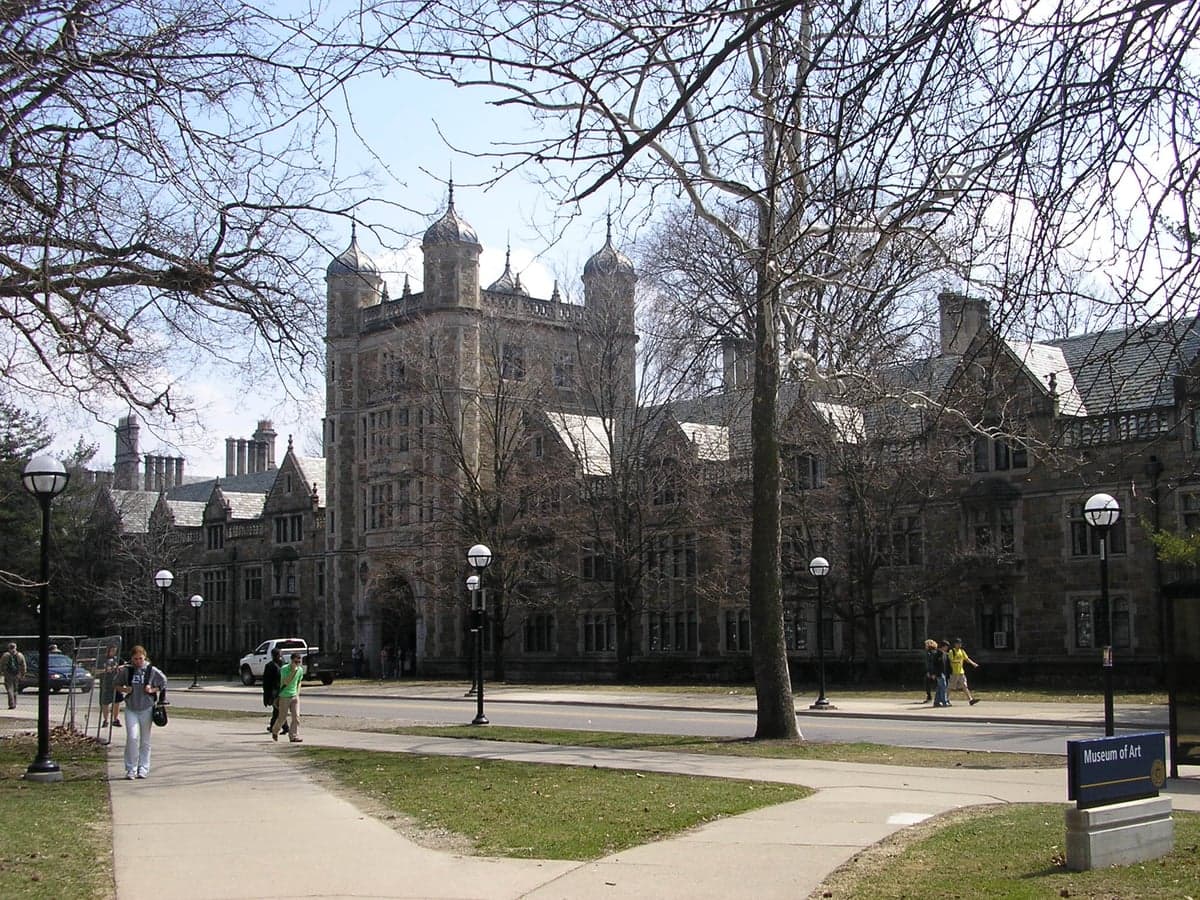
Ann Arbor is a city that wears its quirks on its sleeve. It’s a place where a University of Michigan football Saturday can turn a quiet college town into a sea of 100,000 maize-and-blue fans, and where the same streets feel almost empty on a snowy Tuesday in February. Living here means navigating a constant tension between world-class amenities and small-town frustrations, between a youthful, progressive energy and the practical needs of families and professionals who just want a decent commute and a safe place to raise kids.
The Daily Rhythm: Work, Play, and the U-M Factor
The University of Michigan is the gravitational center of Ann Arbor, employing roughly 30,000 people and shaping nearly every aspect of daily life. The city’s median age of 27.7 reflects the student population, but the median household income of $81,089 tells a different story—this is also a place for doctors, engineers, and tech workers. Most people’s day involves a short commute—the average is just under 20 minutes—which is a genuine luxury compared to nearby Detroit or even the sprawl of metro Atlanta. You’ll see people biking along the Huron River, grabbing coffee at a local spot like RoosRoast on Liberty, or walking their dogs through the Nichols Arboretum (the “Arb”). Weekend mornings often mean the Ann Arbor Farmers Market on Kerrytown, where you can buy local honey and listen to a bluegrass busker. The rhythm is slower than a big city, but faster than a rural town—a Goldilocks pace that suits people who want access to culture without the chaos.
Sports & Community: More Than Just Game Day
It’s impossible to overstate how central Michigan Wolverines athletics are to the city’s identity. On fall Saturdays, Michigan Stadium—the “Big House,” holding over 107,000 people—turns the entire downtown into a pregame party. Bars like Fraser’s Pub and The Brown Jug are packed hours before kickoff. But the sports culture isn’t just about the university. High school football at Pioneer High School and Skyline High School draws real crowds, and the Ann Arbor Arrows (youth hockey) are a big deal for families. For those who prefer playing to watching, the Border-to-Border Trail runs along the Huron River, and the Gallup Park canoe livery is a summer staple. The city’s Parks & Recreation department runs leagues for everything from kickball to pickleball, and the Ann Arbor Summer Festival (Top of the Park) brings free concerts and movies to the downtown campus.
What’s There to Do: Festivals, Food, and the Outdoors
Ann Arbor punches above its weight in entertainment. The Ann Arbor Art Fair in July is one of the largest in the country, turning downtown into a sprawling gallery of booths and street performers. The Michigan Theater and State Theatre show indie films and host live acts, while The Ark is a legendary acoustic music venue. Food is a major draw: Zingerman’s Deli is a national icon for a reason (try the Reuben), but locals also swear by Frita Batidos for Cuban-inspired burgers and Tomukun Noodle Bar for Korean fare. For outdoor types, the Huron River offers kayaking and tubing, and Pinckney Recreation Area is a 20-minute drive for hiking. The downside? Winters are real. From December through March, expect gray skies, lake-effect snow, and temperatures that hover in the 20s. Seasonal affective disorder is a thing here—people cope with winter festivals like Ann Arbor’s Winter Art Fair and by embracing indoor activities like the Ann Arbor Hands-On Museum (great for kids).
Pros and Cons of Living Here
Longtime residents love the walkability of the downtown and Kerrytown neighborhoods, the excellent public schools (Ann Arbor Public Schools consistently rank among the best in Michigan), and the sheer variety of things to do without needing a car. The cost of living index of 142 (42% above the national average) is the biggest shock for newcomers. Median home values hit $435,100 in 2024, which is steep for Michigan—you can buy a comparable house in nearby Ypsilanti or Saline for $100,000 less. Rent is also high; a one-bedroom apartment downtown often runs $1,600+. The violent crime rate of 294.1 per 100,000 is above the national average, though most incidents are concentrated near campus and involve property crime or disputes among students—the family neighborhoods like Burns Park or Water Hill feel very safe. Traffic is manageable except on game days, when the entire city gridlocks. The 77.7% college-educated population means conversations can lean academic and politically progressive—if you’re conservative, you’ll be in the minority, but not isolated. The city’s identity is proudly liberal, which some find refreshing and others find exhausting. Ultimately, Ann Arbor works best for people who value education, culture, and walkability over affordability and political conformity.

Similar small cities to Ann Arbor
* Values derived from national, state, county, city and local statistics and may differ in a specific area. Last updated: 2026-04-24T13:11:16.000Z
Narrative content on this page is AI-generated and may contain mistakes. Verify any details that matter before acting on them.
ReloMaps may earn a commission from affiliate links at no extra cost to you.

