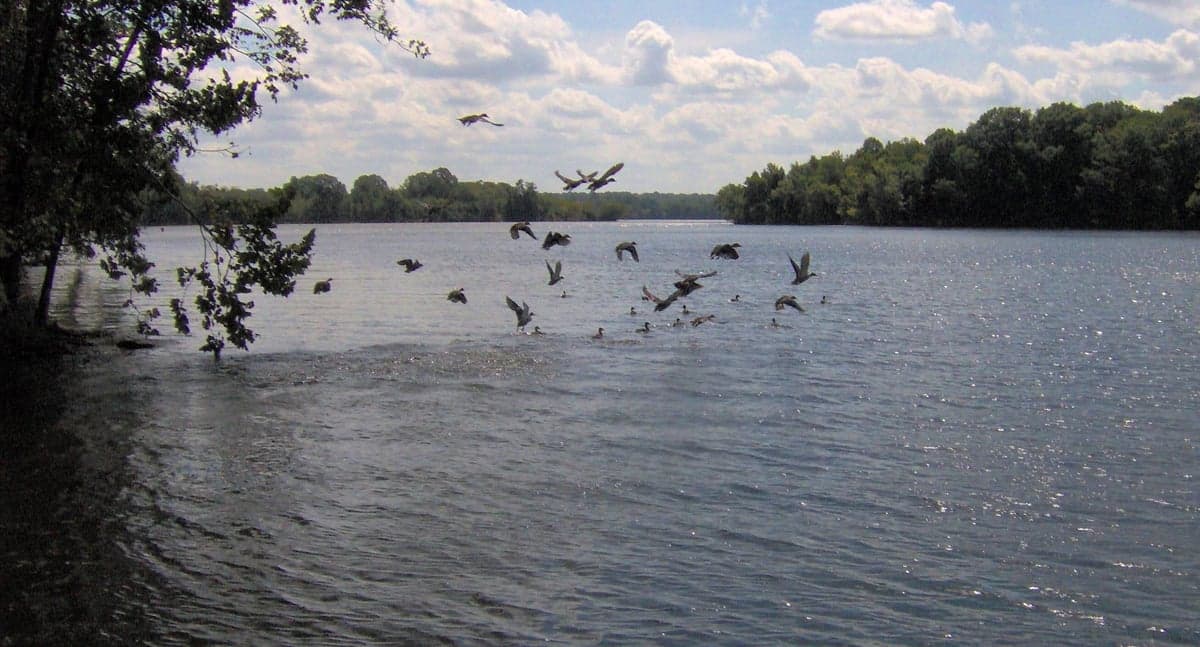
Photo: Wikipedia
Quality of Life in Sumner County
A livable area that tracks near national norms for affordability, walkability, and neighborhood health.
What does Quality of Life tell us?
Quality of Life measures an area by evaluating factors like cost of living, nearby amenities, country club access, airport proximity, socioeconomic signals and neighborhood character. For large states, this is a general average — quality of life can vary dramatically between metro areas, suburbs, and rural communities within the same state.
What does this tell us?
Quality of Life measures an area by evaluating factors like cost of living, nearby amenities, country club access, airport proximity, socioeconomic signals and neighborhood character. For large states, this is a general average — quality of life can vary dramatically between metro areas, suburbs, and rural communities within the same state.
Cost of Living
21% above national average
83%
The Real Cost of Living in Sumner County for 2026
| Tier | Individual | Family (4) |
|---|---|---|
| Survival | $21k | $40k |
| Comfortable | $71k | $104k |
| Luxury | $140k+ | $217k+ |
| Elite (Top 5%) | $165k+ | $255k+ |
Quality-of-Life Analysis
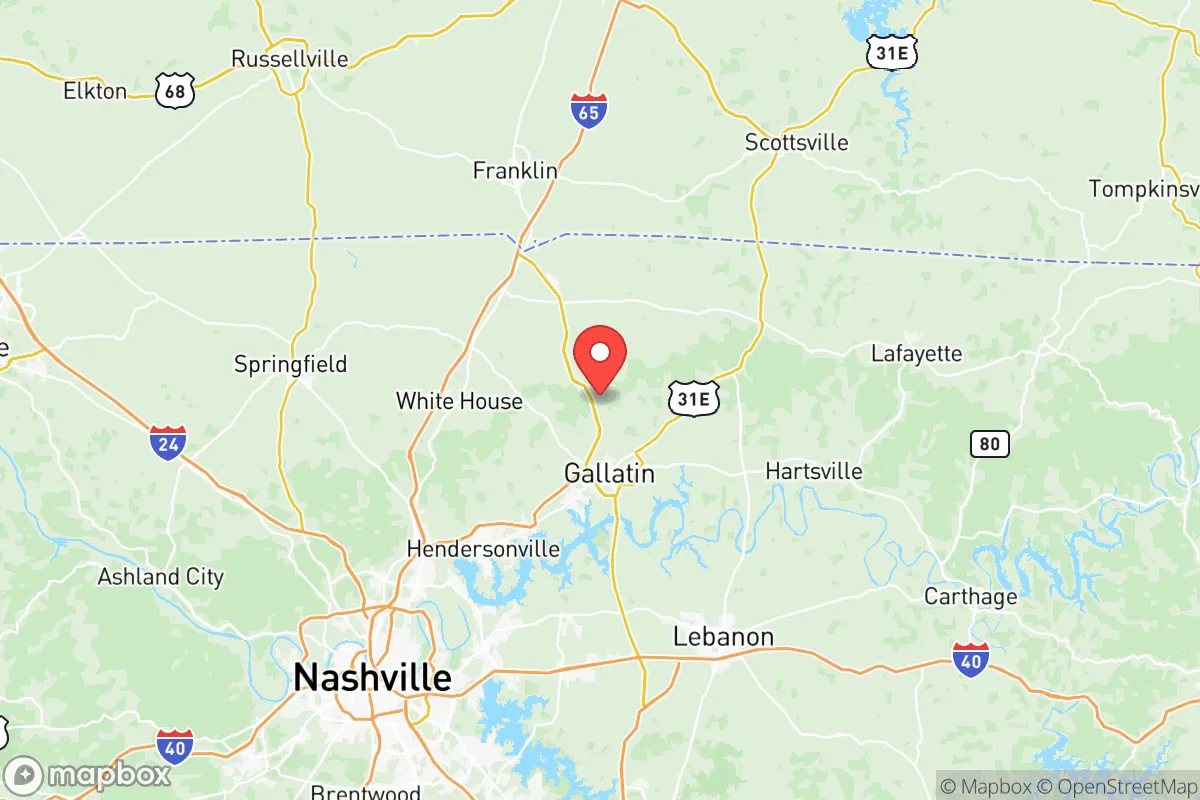
Sumner County, Tennessee, offers a broad quality-of-life spectrum that ranges from the dense, amenity-rich suburban environment of Gallatin to the quiet, rural landscapes of Westmoreland and the unincorporated farming communities along the Kentucky border. The county’s character is defined by this internal diversity: it attracts Nashville commuters seeking walkable town centers, families looking for affordable subdivisions, and long-time residents who value acreage and privacy. With a cost of living index of 121 (100 = U.S. average) and a median home value of $364,000, the county sits above the national average but below the most expensive Nashville suburbs, making it a pragmatic middle ground for a wide range of household budgets.
Largest town(s) & population centers
Gallatin is the county seat and its largest city, with a population exceeding 40,000. Daily life here centers on a revitalized historic square, the Gallatin Civic Center, and a growing retail corridor along Nashville Pike. The city has seen substantial new construction, including master-planned subdivisions and apartment complexes, driven by its position as a primary bedroom community for Nashville (average commute: 29.3 minutes). Hendersonville, the second-largest city, is denser and more established, built around the Old Hickory Lake shoreline. It offers a more suburban feel with older neighborhoods, lakefront parks, and a higher concentration of restaurants and medical services. Goodlettsville, straddling the Davidson County line, functions as a seamless extension of the Nashville metro, with quick access to Interstate 65 and a mix of historic homes and newer townhomes. These three towns form the county’s urbanized core, where median rents of $1,339 are typical and walkability is limited to specific downtown blocks.
Smaller towns & rural pockets
Moving north and east, the county transitions sharply. Westmoreland, near the Tennessee-Kentucky line, is a small town of roughly 2,200 residents with a single main street, a local grocery, and a strong agricultural base. It is the primary service center for the surrounding rural area, but lacks the retail and dining options found in Gallatin. Portland, the county’s northernmost incorporated city, is larger (around 13,000) but retains a small-town feel, with a historic downtown and a growing industrial base. Unincorporated areas such as Bethpage, Cottontown, and Castalian Springs are true rural pockets, characterized by farmland, scattered subdivisions on large lots, and volunteer fire departments. These areas offer lower housing density and more land per dollar, but residents face longer drives to grocery stores and schools. The commute from Westmoreland to downtown Nashville can exceed 45 minutes, pushing the county average higher.
Cost & lifestyle range
The cost spread across Sumner County is significant. At the high end, lakefront properties in Hendersonville and the Indian Lake area of Gallatin can exceed $600,000, with HOA fees and proximity to water access commanding a premium. These areas offer the shortest commutes and the most amenities, including the Indian Lake shopping center, which features big-box retailers and chain restaurants. At the lower end, older homes in Portland and Westmoreland can be found in the $250,000–$300,000 range, though inventory is tight. Rentals in these northern towns are scarce and often below the county median of $1,339. The lifestyle trade-off is clear: residents in the southern half of the county trade higher housing costs for shorter commutes and more services, while those in the northern half accept longer drives for more space and lower monthly payments. Property taxes in Sumner County are moderate for the region, with no city property tax in unincorporated areas, which can save rural homeowners several hundred dollars annually compared to Gallatin or Hendersonville.
Sumner County is best suited for households that want access to Nashville’s job market without living inside the urban core, and who are willing to choose a specific trade-off between convenience and space. Commuters who prioritize a short drive and walkable errands will gravitate toward Hendersonville or Gallatin’s core. Families and retirees seeking acreage, quiet roads, and a slower pace will find better value in Westmoreland, Bethpage, or the rural stretches east of Highway 31E. The county’s internal diversity means that “Sumner County” is not one experience, but a sliding scale of suburban-to-rural living, all within a 30-minute to 45-minute commute of downtown Nashville.

Crime in Sumner County
Higher crime rates than 58% of comparable U.S. locations.
Violent CrimeViolent Crime Analysis
Property CrimeProperty Crime Analysis
Crime Analysis
Sumner County, Tennessee, presents a mixed safety profile for prospective residents. With a violent crime rate of 494.8 per 100,000 residents and a property crime rate of 1,649 per 100,000, the county sits above the national average for violent offenses but below the national average for property crime. The county’s proximity to Nashville and its mix of suburban, rural, and small-town communities means safety varies significantly depending on where you live, with some areas experiencing crime levels comparable to the urban core while others remain notably quiet.
Crime in context
Sumner County’s violent crime rate of 494.8 per 100,000 is roughly 40% higher than the national average of about 380 per 100,000, and significantly above the Tennessee state average of approximately 620 per 100,000. Property crime, at 1,649 per 100,000, is about 10% lower than the national average of roughly 1,950 per 100,000. These figures place Sumner County in a middle tier among Tennessee’s 95 counties—safer than urban Davidson County (Nashville) but notably more dangerous than many of its rural neighbors. The county’s crime profile is heavily influenced by its largest city, Gallatin, which accounts for a disproportionate share of reported incidents, particularly aggravated assaults and vehicle thefts. By contrast, Hendersonville, the county’s most populous city, maintains a violent crime rate roughly 30% lower than the county average, while Portland and Westmoreland in the northern part of the county report property crime rates well below the county median.
What residents experience
For daily life, the most common safety concerns in Sumner County are property-related: vehicle break-ins, package thefts, and residential burglaries, especially in neighborhoods near major highways like I-65 and State Route 109. Violent crime, while less frequent, tends to be concentrated in specific areas—particularly around the Gallatin city center and along the Hendersonville commercial corridor near Indian Lake Boulevard. Residents in Goodlettsville (which straddles Sumner and Davidson counties) report higher rates of theft and vandalism linked to transient populations moving between Nashville and the suburbs. The 18th Judicial District, which covers Sumner County, has seen a shift toward more progressive prosecution policies in recent years, with district attorneys emphasizing diversion programs and reduced sentencing for non-violent offenders. While intended to reduce incarceration rates, this approach has drawn criticism from residents who feel it emboldens repeat property offenders and reduces accountability for violent crimes, particularly in cases involving domestic assault and drug-related offenses.
Neighborhood-level variation is pronounced. The safest areas are generally the rural communities of Bethpage and Cottontown, where violent crime is nearly nonexistent and property crime rates hover around 500 per 100,000—roughly one-third the county average. The most challenging areas are in central Gallatin and parts of Hendersonville near the county line, where proximity to Nashville’s crime spillover and higher population density drive up both violent and property crime rates. For families and retirees, the northern towns of Portland and Westmoreland offer a strong safety profile, with violent crime rates below 300 per 100,000 and property crime rates under 1,200 per 100,000. Prospective residents should research specific zip codes and neighborhood watch programs, as block-by-block variation can be significant even within the same city limits.
* Values derived from national, state, county, city and local statistics and may differ in a specific area. Last updated: 2026-05-16T09:28:44.000Z
Narrative content on this page is AI-generated and may contain mistakes. Verify any details that matter before acting on them.
ReloMaps may earn a commission from affiliate links at no extra cost to you.

