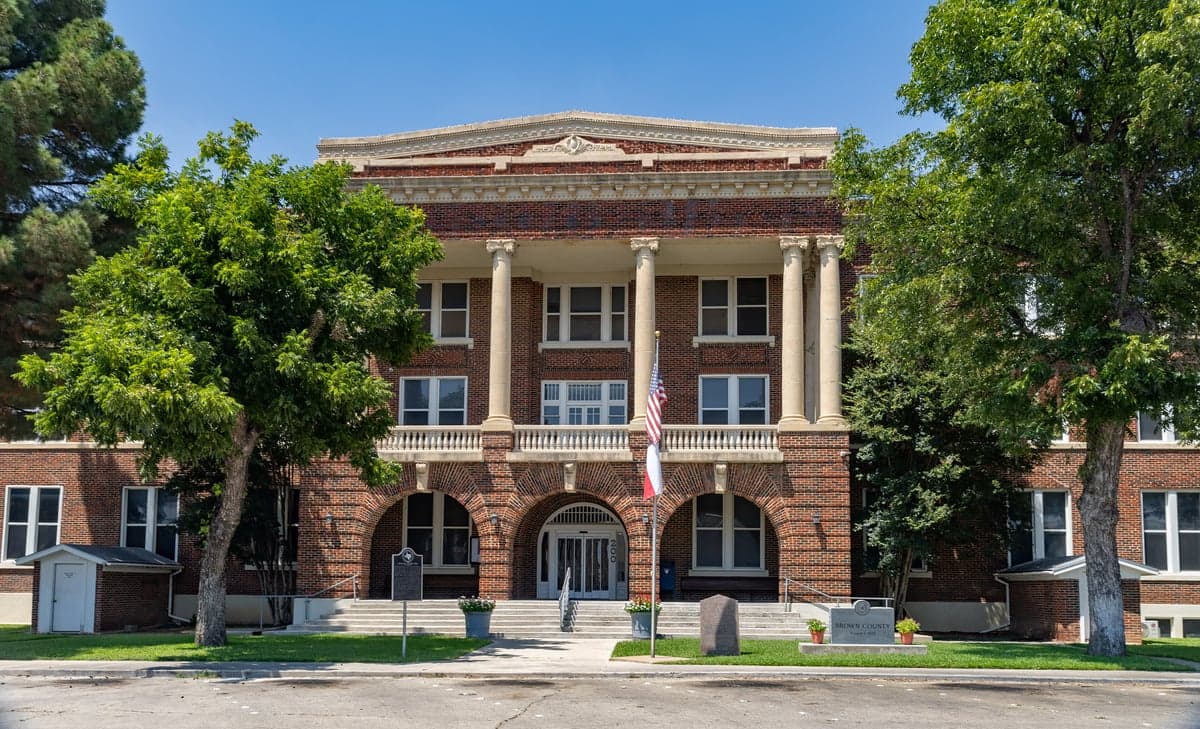
Photo: Wikipedia
Quality of Life in Brown County
A livable area that tracks near national norms for affordability, walkability, and neighborhood health.
What does Quality of Life tell us?
Quality of Life measures an area by evaluating factors like cost of living, nearby amenities, country club access, airport proximity, socioeconomic signals and neighborhood character. For large states, this is a general average — quality of life can vary dramatically between metro areas, suburbs, and rural communities within the same state.
What does this tell us?
Quality of Life measures an area by evaluating factors like cost of living, nearby amenities, country club access, airport proximity, socioeconomic signals and neighborhood character. For large states, this is a general average — quality of life can vary dramatically between metro areas, suburbs, and rural communities within the same state.
Cost of Living
33% below national average
129%
The Real Cost of Living in Brown County for 2026
| Tier | Individual | Family (4) |
|---|---|---|
| Survival | $14k | $27k |
| Comfortable | $29k | $43k |
| Luxury | $100k+ | $155k+ |
| Elite (Top 5%) | $127k+ | $197k+ |
Quality-of-Life Analysis
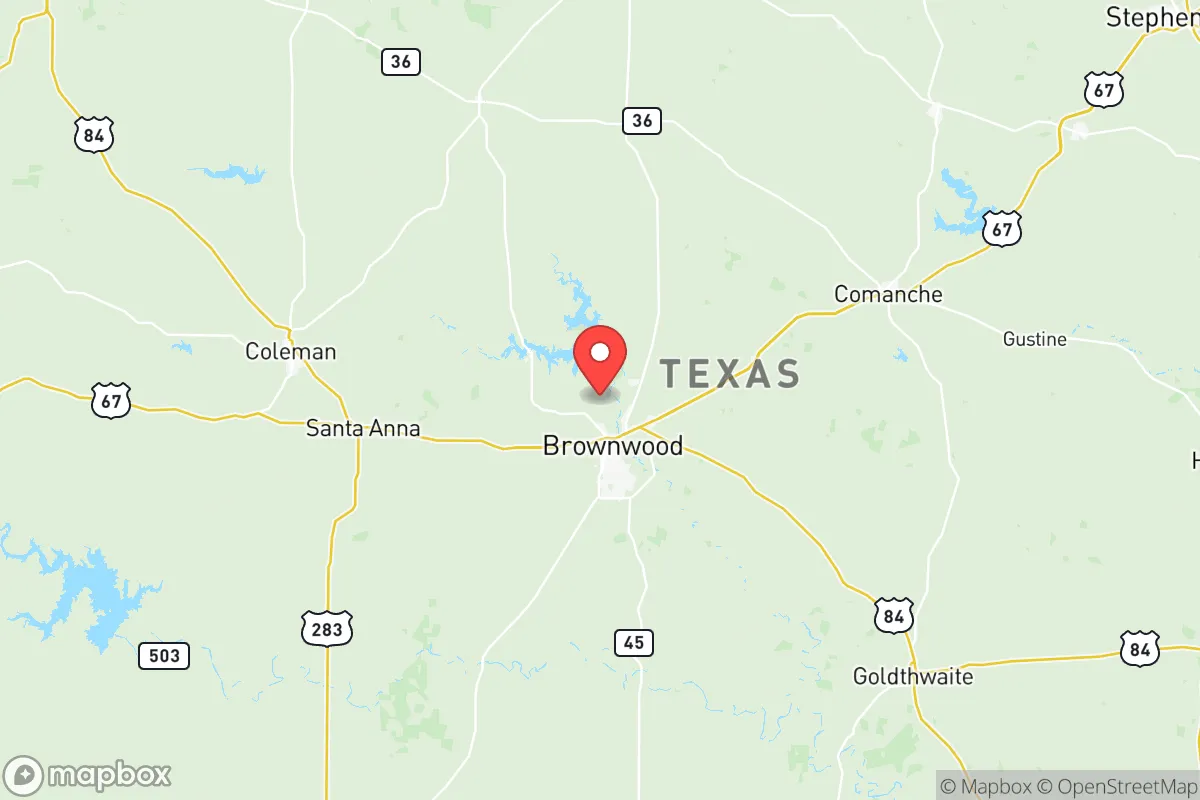
Brown County, Texas offers a broad spectrum of living environments, from the regional hub of Brownwood to the quiet, unincorporated crossroads of communities like Blanket and Zephyr. The county draws a mix of retirees seeking low costs, families looking for small-town schools, and workers commuting to regional employers in Brownwood or further afield. The character of daily life shifts dramatically depending on whether one lives within the city limits of the county seat or on a ranch in the county's rural stretches.
Largest town(s) & population centers
Brownwood is the county's undisputed population and economic center, home to roughly 18,000 of the county's 38,000 residents. Daily life here revolves around the campus of Howard Payne University, the regional medical center, and a retail corridor anchored by Walmart and local shops along US-377 and US-67. The town offers a full set of amenities—a hospital, a municipal airport, multiple grocery stores, and a historic downtown square with restaurants and boutiques—making it the primary destination for shopping and services for the entire county. Early, immediately adjacent to Brownwood's southern edge, functions as a bedroom community with its own school district and a growing number of subdivisions, offering a slightly quieter alternative while still being minutes from Brownwood's amenities. Together, these two towns concentrate the county's population and provide the most urban-like experience available in the area.
Smaller towns & rural pockets
Outside the Brownwood-Early corridor, the county's smaller communities offer a markedly different pace. Bangs, about 12 miles west of Brownwood, is a small incorporated town with a population under 1,600, known for its independent school district and a handful of local businesses serving surrounding ranchland. Blanket, roughly 20 miles northeast, is an unincorporated community with a population well under 1,000, centered on a post office and a volunteer fire department; it is the definition of rural Texas living. Zephyr, to the north, is another unincorporated area with a strong community identity around its school and church. The southeastern corner of the county, near the town of Lake Brownwood (the community adjacent to the state park), is dominated by lakefront homes, weekend cabins, and ranch properties, creating a recreational-oriented pocket distinct from the agricultural flatlands to the north and west.
Cost & lifestyle range
The county's cost of living is exceptionally low, with a composite index of 67 (100 = US average), and the spread across the county is relatively narrow but meaningful. In Brownwood and Early, the median home value sits at $149,900 and median rent at $887, reflecting a mix of older homes in established neighborhoods and newer construction in subdivisions like those along Highway 279. These towns offer the highest utility costs (due to larger homes) but the best access to jobs and services. At the lower end of the cost spectrum, unincorporated areas like Blanket and Zephyr see significantly cheaper land and older, smaller homes—often under $100,000—but residents face longer drives for groceries and medical care. The average commute countywide is just 19 minutes, but for those living on rural acreage near Lake Brownwood or in far northern parts of the county, a trip to Brownwood for work or shopping can easily stretch to 30–40 minutes each way. The lifestyle range is thus between the convenience and community of Brownwood and the solitude and space of the county's rural tracts.
Brown County is best suited for those who value low costs and a slower pace over urban amenities and career diversity. Retirees on fixed incomes, remote workers seeking affordable acreage, and families who prioritize small schools and outdoor recreation (particularly around Lake Brownwood State Park) will find the county a strong fit. Those requiring frequent flights, specialized medical care, or a vibrant nightlife will likely find the county too limited, as the nearest major metro (Abilene or Fort Worth) is over an hour away. For the right person, however, the trade-off of convenience for affordability and space is a clear winner.

Crime in Brown County
Crime rates similar to the national median for U.S. locations.
Violent CrimeViolent Crime Analysis
Property CrimeProperty Crime Analysis
Crime Analysis
Brown County, Texas, reports a violent crime rate of 342.3 incidents per 100,000 residents and a property crime rate of 1,780.9 per 100,000, placing it moderately above national averages but below the most dangerous urban centers in the state. The county's overall safety picture is shaped by a mix of small-town communities like Brownwood, Early, and Bangs, where crime is not uniformly distributed. While Brownwood, the county seat and largest city, accounts for the majority of reported incidents, outlying areas such as Lake Brownwood and Zephyr experience significantly lower crime volumes, offering residents a quieter, more secure environment.
Crime in context
Brown County's violent crime rate of 342.3 per 100,000 is roughly 15% higher than the national average of about 300 per 100,000 but remains well below the Texas state average of approximately 450 per 100,000. Property crime in the county, at 1,780.9 per 100,000, tracks closely with the national rate of 1,954 per 100,000 and is notably lower than the Texas state average of 2,200 per 100,000. For comparison, larger Texas metro areas like Houston and Dallas pull violent-crime rates up toward 500–600 per 100,000, while smaller cities such as Frisco and McKinney stay near 150 per 100,000. Brown County's figures place it in a middle tier among Texas counties—safer than major urban hubs but not as low as affluent suburban enclaves. The county's judicial district, the 35th District Court, operates under a conservative legal framework, with District Attorney Michael Murray pursuing tough sentencing policies that prioritize public safety and victim restitution over progressive diversion programs.
What residents experience
Residents in Brownwood, the county's population center, report property crimes like vehicle burglaries and theft from porches as the most common safety concerns, particularly near the downtown corridor and along Highway 377. The Brownwood Police Department has responded with targeted patrols and a neighborhood watch program that has reduced reported thefts by roughly 8% since 2023. In Early, a smaller city just east of Brownwood, violent crime is rare—typically limited to isolated domestic incidents—and property crime rates run about 30% lower than in Brownwood proper. Bangs, a rural community of roughly 1,600 people, sees fewer than 10 total crimes per year, making it one of the safest spots in the county. The Brown County Sheriff's Office maintains a visible presence in unincorporated areas, and the county's conservative judicial philosophy means that repeat offenders face mandatory minimum sentences, contributing to a lower recidivism rate than in counties with more lenient district attorneys.
Neighborhood-level variation is pronounced. The area around Howard Payne University in Brownwood is generally safe, with campus security and city police patrolling regularly. In contrast, the southern edge of Brownwood near the industrial park has seen a cluster of burglaries and vehicle break-ins, likely tied to transient populations. Lake Brownwood, a popular recreational area, experiences seasonal spikes in property crime—mostly theft from boats and cabins—but violent crime there is virtually nonexistent. For families considering relocation, the safest bets are Early and the rural communities of Zephyr and Blanket, where sheriff's deputies respond quickly and community cohesion acts as a natural deterrent. Overall, Brown County offers a manageable safety profile for those who choose their specific neighborhood carefully and avoid high-traffic commercial zones after dark.
* Values derived from national, state, county, city and local statistics and may differ in a specific area. Last updated: 2026-05-12T13:53:17.000Z
Narrative content on this page is AI-generated and may contain mistakes. Verify any details that matter before acting on them.
ReloMaps may earn a commission from affiliate links at no extra cost to you.

