Photo: Wikipedia
Find The Best Places To Live
in Troy
PRO TIP! You can paste a Zillow or Redfin link to get info on that property.
What It's Like Living in Troy, ID
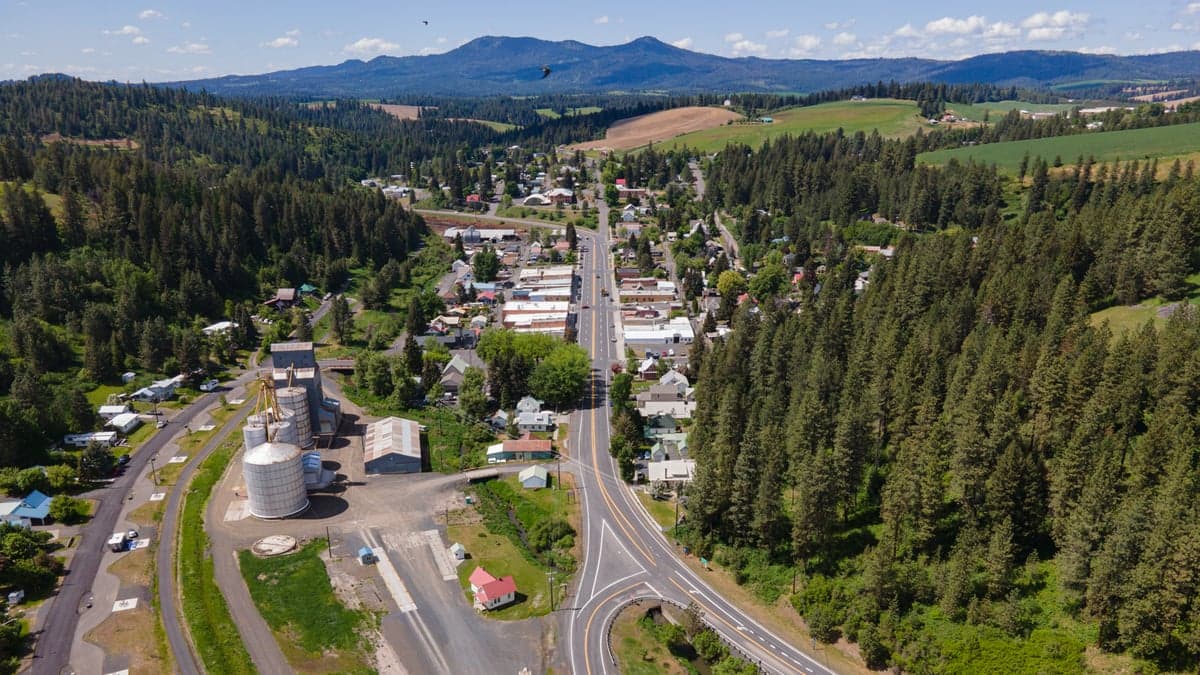
Troy, Idaho, feels like a place where people know each other’s names and aren’t in a hurry to change that. With just over 900 residents, it’s the kind of small town where the high school football game on a Friday night is the main event, and the local café doubles as the town’s social hub. Life here moves at a deliberate pace, shaped by the surrounding Palouse hills and a community that values self-reliance and neighborly connection.
Daily Rhythm and the Kind of Person Who Fits In
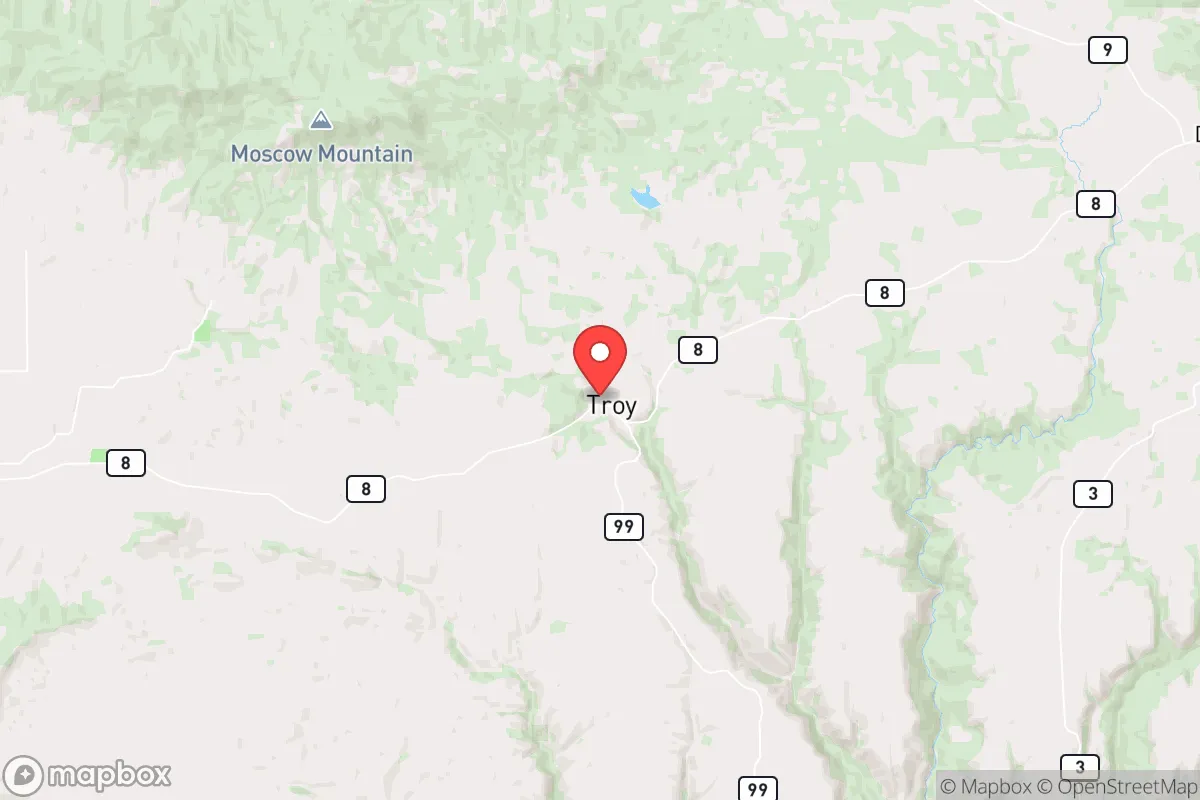
Most mornings in Troy start with a commute that averages about 29 minutes—a trade-off for the quiet and space. Many residents work in Moscow (home to the University of Idaho) or Pullman (Washington State University), both about 20 minutes away, while others are employed locally in agriculture, education, or small businesses. The median household income of $87,589 is solid for the region, and with a cost of living index of 88 (12% below the national average), that income stretches further than it would in a bigger city. The person who thrives here is likely in their 40s or 50s (median age is 44.7), values privacy, and doesn’t need a nightlife scene to feel fulfilled. Families with school-age children are common, as are retirees who want to be near the outdoors without sacrificing access to a decent hospital or grocery store.
Weekends often involve yard work, a trip to the Moscow Farmers Market, or a drive to one of the nearby lakes for fishing. The local grocery store covers basics, but most residents make a weekly run to Moscow or Pullman for bigger shopping trips. There’s no movie theater or shopping mall in Troy, so entertainment is homegrown: potlucks, church events, or simply sitting on the porch watching the sunset over the wheat fields.
Sports, Community, and What People Do for Fun
High school sports are the heartbeat of Troy’s social calendar. The Troy Trojans compete in the Idaho 1A division, and basketball and football games draw a good chunk of the town. It’s not uncommon to see parents, grandparents, and even childless neighbors packed into the bleachers on a cold winter night. Beyond school sports, the nearby University of Idaho and Washington State University offer Division I athletics—football games in Pullman are a big deal for many locals, especially when the Cougars are playing well.
For outdoor recreation, the area delivers. The Troy City Park has a playground and picnic tables, and the Palouse River runs nearby, offering spots for fishing and kayaking. Hiking trails in the Moscow Mountain area are a 15-minute drive, and the Latah Trail connects Troy to Moscow for biking or walking. The biggest annual event is the Troy Community Days festival in late summer, featuring a parade, a car show, and a barbecue that feels like the whole town shows up. For a night out, most people head to Moscow for restaurants like The Black Cypress or Sangria Grille, or to Pullman for a microbrew at Paradise Creek Brewery. Troy itself has a single bar—the Troy Tavern—where the beer is cold and the conversation is local.
Pros and Cons of Living in Troy
What residents love: The quiet, the safety, and the space. The violent crime rate of 217.1 per 100,000 is slightly above the national average, but property crime is low, and most people don’t lock their doors. The cost of living is a major draw—median home values sit at $270,800, which is affordable compared to much of the West Coast. The schools are small but well-regarded, with a strong sense of community involvement. What frustrates people: The lack of local amenities. There’s no hospital in Troy (the nearest is in Moscow), no sit-down restaurant beyond the tavern, and limited job opportunities within the town itself. The commute is a given, and winters can be gray and damp, with snow that sometimes makes the back roads treacherous. The 33.7% college-educated rate is decent, but some residents feel the town lacks the intellectual or cultural diversity you’d find in a university town like Moscow.
Cultural Quirks and Practical Realities
Troy has a quiet, self-contained identity that’s distinct from its college-town neighbors. There’s a subtle pride in being “not Moscow”—a place where people wave to each other on the street and the town’s history as a railroad and agricultural hub is still visible in the old grain elevators. The weather follows a classic Palouse pattern: cold, wet winters with occasional snow, and warm, dry summers that make the hills glow gold. The school system is a central gathering point—elementary and high school events are community-wide, and the school’s performance is a common topic of conversation. Traffic is essentially nonexistent, though the two-lane roads can get backed up behind a tractor during harvest season. For the right person—someone who values quiet, affordability, and a tight-knit community over convenience and variety—Troy offers a genuine small-town life that’s increasingly hard to find.

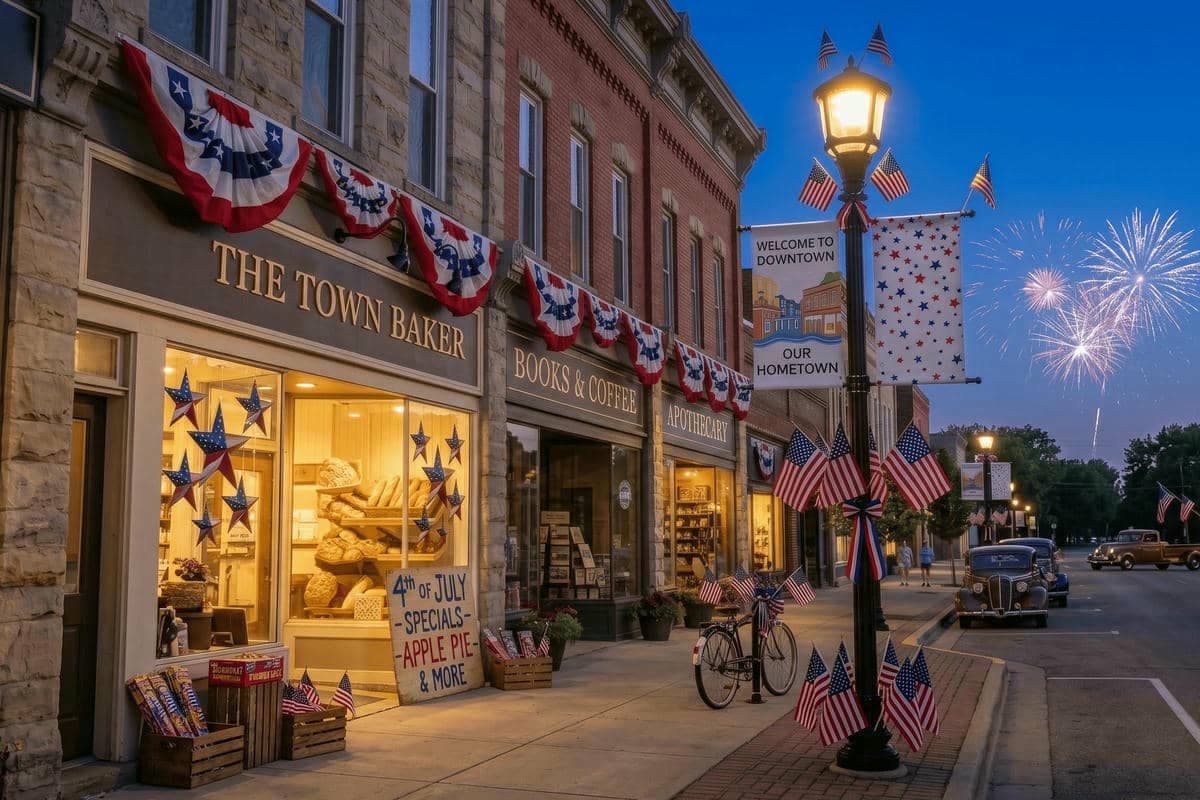
Similar small towns to Troy

* Values derived from national, state, county, city and local statistics and may differ in a specific area. Last updated: 2026-07-30T14:47:14.000Z
Narrative content on this page is AI-generated and may contain mistakes. Verify any details that matter before acting on them.
ReloMaps may earn a commission from affiliate links at no extra cost to you.

