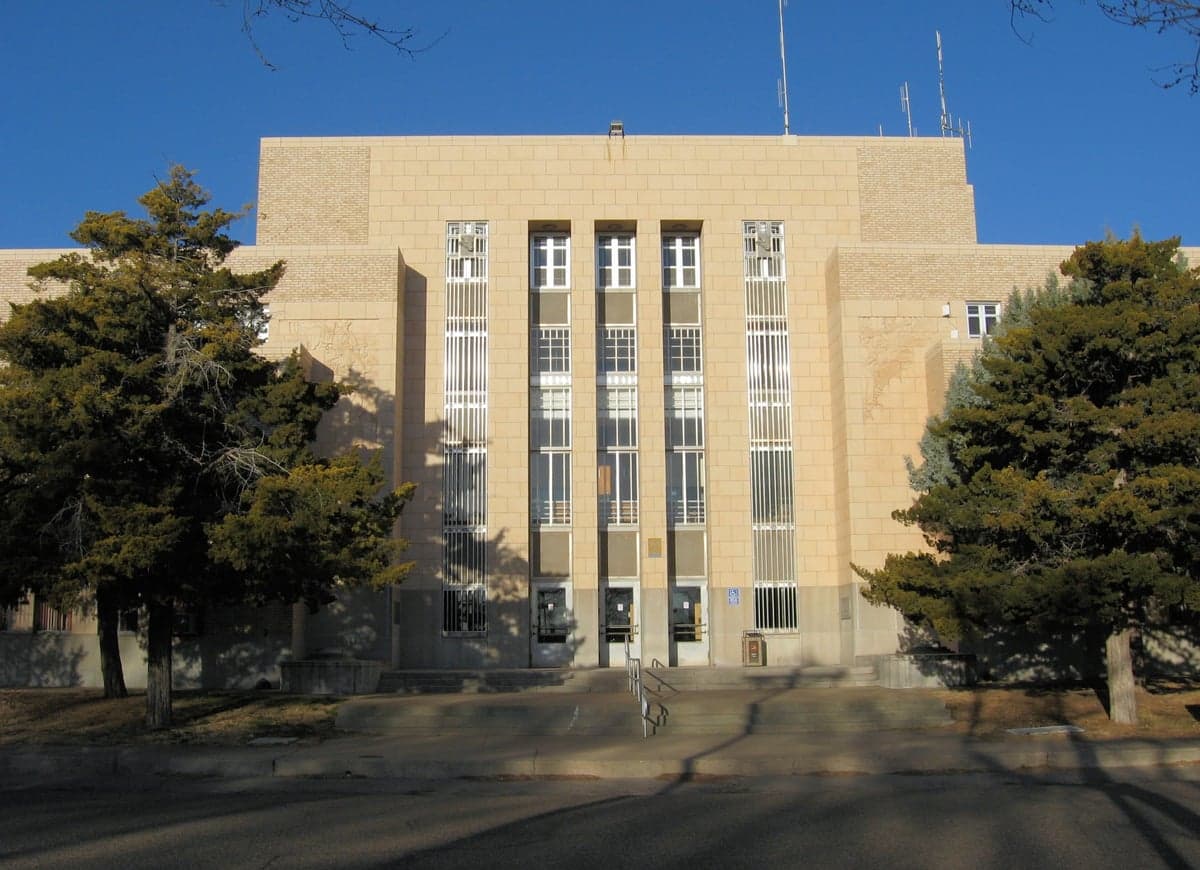
Photo: Wikipedia
Political ClimatePolitical Climate in Tucumcari, NM
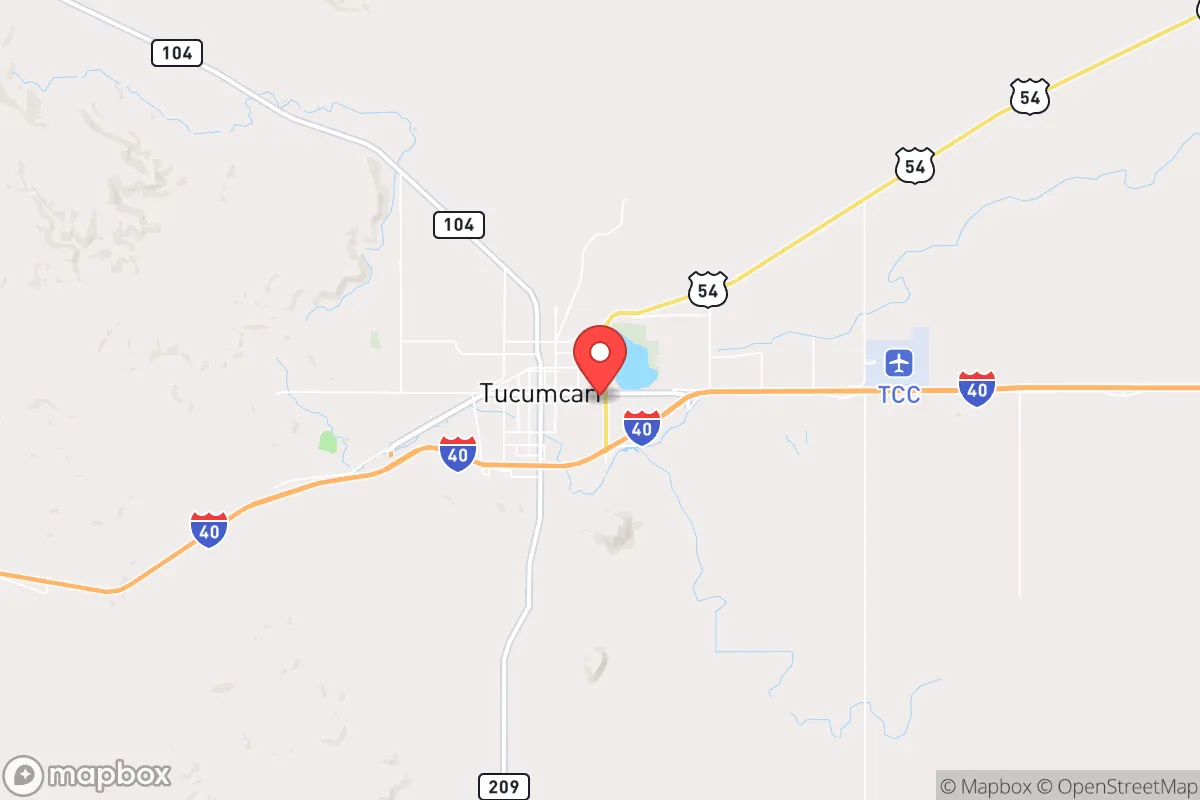
District shown is the primary district for this city’s centroid. Cities may span multiple districts.
Local Political AnalysisPolitical Analysis of Tucumcari, NM
Tucumcari sits in a politically interesting spot, leaning slightly Democratic with a Cook PVI of D+3, but don't let that number fool you—this isn't some progressive stronghold. The area has a long, deep-rooted conservative tradition, and many of us who've lived here for decades see the political winds shifting in ways that feel more like outside influence than local values. The D+3 rating is a relatively recent development, driven more by transplants and shifting demographics in the broader state than by any genuine change in Tucumcari's own character. For a long time, this was a reliably blue-collar, independent-minded community where folks voted for the person, not the party, and that spirit still runs strong beneath the surface.
How it compares
When you look at the surrounding area, the contrast is stark. Head west to Santa Fe or south to Albuquerque, and you're in deep-blue territory where progressive policies are the norm—higher taxes, more regulations, and a government that seems to think it knows best. But drive east to Amarillo, Texas, or north to Clayton, and you'll find communities that lean heavily Republican, where the emphasis is on personal responsibility and limited government. Tucumcari sits right in the middle, a kind of political buffer zone. We've got neighbors who are solidly conservative, and we see the difference in how their local governments handle things—less red tape, more freedom to run a business or live your life without someone looking over your shoulder. The D+3 label here feels more like a reflection of state-level trends than our own local reality.
What this means for residents
For those of us who value personal freedoms, the shift toward progressive ideology is a real concern. We've watched as state-level mandates have crept into local affairs—things like stricter environmental regulations that hurt small ranchers and farmers, or education policies that seem to prioritize ideology over basics like reading and math. The government overreach is subtle but real, and it's one of the reasons you'll hear folks at the local diner grumbling about "them in Santa Fe." The good news is that Tucumcari's small size and tight-knit community still give us some insulation. Local elections matter a lot here, and we've managed to keep a practical, common-sense approach to things like zoning, taxes, and law enforcement. But the long-term trend is concerning—if the state keeps pushing, we could lose that local control.
Culturally, Tucumcari has always been a place where people look out for each other, and that hasn't changed. You won't find the kind of political activism you see in bigger cities; instead, it's more about quiet resilience and a preference for being left alone. There's a strong sense of personal responsibility here—if you need help, your neighbor's there, not the government. That's the Tucumcari way, and it's worth fighting to keep it that way. The future? It depends on whether we can hold the line against the progressive tide and keep our local government focused on what matters: freedom, safety, and the right to live your life without unnecessary interference.

State Political ClimatePolitical Climate in New Mexico
State Political AnalysisPolitical Environment in the State
New Mexico has long been a reliably blue state in presidential elections, but its political landscape is far more nuanced than a simple partisan label suggests. The state has voted Democratic in every presidential election since 2004, but with margins that have narrowed from double digits to single digits, reflecting a complex tug-of-war between a powerful progressive machine in the north and a growing, frustrated conservative base in the south and east. Over the last 10-20 years, the dominant coalition has been a mix of northern New Mexico Hispanics, Santa Fe liberals, and Albuquerque’s urban professionals, but that coalition is showing cracks as rural and suburban voters increasingly feel ignored by the state’s one-party rule in Santa Fe.
Urban vs. rural divide
The political map of New Mexico is a study in stark contrasts. The state’s two largest metros, Albuquerque (Bernalillo County) and Santa Fe (Santa Fe County), are deep blue strongholds, with Santa Fe County routinely delivering 70%+ Democratic margins. These areas drive the state’s progressive agenda, fueled by a concentration of government workers, artists, and out-of-state transplants. In contrast, the southeastern corner—places like Hobbs, Carlsbad, and Roswell—votes overwhelmingly Republican, often by 30-40 point margins, driven by the oil and gas industry and a strong ranching culture. The Las Cruces area (Doña Ana County) is a classic swing region, leaning blue but with a significant conservative Hispanic vote that can flip local races. The Farmington area in the northwest is reliably red, anchored by the Four Corners energy economy. What’s interesting is that even in blue strongholds like Albuquerque, the suburban ring—places like Rio Rancho and Los Lunas—is trending redder, as families flee the city’s crime and failing schools but find themselves still under Santa Fe’s thumb.
Policy environment
New Mexico’s policy environment is a mixed bag that should give any freedom-minded resident pause. The state has a progressive income tax structure with rates up to 5.9%, and a gross receipts tax (essentially a sales tax on services) that can push 8-9% in some cities. Property taxes are relatively low, but the state’s regulatory posture is heavy-handed, particularly in energy and land use. On education, the state has poured billions into the system with little to show—test scores remain near the bottom nationally, and the state has embraced Common Core and progressive curricula that many parents find concerning. Healthcare is dominated by the state’s Medicaid expansion, which covers nearly half the population, driving up costs for private payers. Election laws are a flashpoint: New Mexico has no voter ID requirement, same-day registration, and automatic voter registration—policies that conservatives argue undermine election integrity. The state also has a sanctuary state law (HB 84, passed in 2019) that limits local law enforcement cooperation with federal immigration authorities, a major concern for those who prioritize border security.
Trajectory & freedom
Over the past five years, New Mexico has been on a clear trajectory toward less freedom in several key areas. The 2021 passage of the Energy Transition Act effectively mandated a rapid shift away from fossil fuels, threatening the livelihoods of thousands in the oil and gas sector. On gun rights, the state has moved in the opposite direction of much of the interior West: in 2023, Governor Michelle Lujan Grisham signed a package of gun control bills including a 7-day waiting period and raising the purchase age to 21, and even attempted a temporary ban on carrying firearms in public (later blocked by courts). Parental rights took a hit with the 2023 HB 7, which expanded abortion access and removed parental notification requirements for minors seeking the procedure. On medical freedom, the state’s COVID response was among the most restrictive in the nation, with prolonged mask mandates and business closures that many felt were excessive. Property rights are under pressure from the state’s aggressive land use planning and a push for “equity” zoning that could limit what homeowners can do with their land. The only bright spot for conservatives has been the state’s relatively low property tax burden, but that’s cold comfort when everything else is trending the wrong way.
Civil unrest & political movements
New Mexico has seen its share of political flashpoints. The 2020 protests in Albuquerque turned violent, with the toppling of a statue of Spanish conquistador Juan de Oñate and clashes between activists and police. The state’s sanctuary policies have created tension with federal immigration authorities, and the border region near Sunland Park and Columbus has seen a surge in illegal crossings that local law enforcement is ill-equipped to handle. On the right, the New Mexico Civil Guard and other militia groups have been active, particularly during the border crisis, but they remain a fringe element. Election integrity remains a hot-button issue: the 2020 and 2022 elections saw numerous allegations of irregularities, though no major fraud was proven. The state’s Independent Party has grown to nearly 25% of registered voters, a sign that many are fed up with both major parties. A new resident would notice the palpable frustration in rural areas, where people feel their voices are drowned out by Santa Fe’s progressive machine.
Projection
Looking ahead 5-10 years, the trajectory is concerning for conservatives. In-migration is modest, with most newcomers coming from blue states like California and Colorado, drawn by cheap housing but bringing their politics with them. The state’s Hispanic population, traditionally more conservative on social issues, is trending younger and more progressive, especially in urban areas. The oil and gas industry, which has been a bulwark of conservative influence, faces an uncertain future as the state pushes for a green transition. The one wild card is the growing number of disaffected Democrats and independents in the suburbs—places like Rio Rancho and Los Lunas—who could flip the state’s congressional delegation if the Democratic Party overreaches. But for now, the state’s political machinery is firmly in progressive hands, and the next decade will likely see more of the same: higher taxes, more regulation, and a continued erosion of personal freedoms. Anyone moving here should expect to fight for their rights at the local level, as Santa Fe shows no signs of changing course.
For a conservative looking to relocate, New Mexico offers a beautiful landscape and a lower cost of living, but the political climate is a serious headwind. If you value gun rights, parental control over your children’s education, and a government that stays out of your business, you’ll need to be strategic about where you settle—the southeastern oil patch or the Farmington area are your best bets. But even there, you’ll be fighting against a state government that seems determined to remake New Mexico in the image of its most progressive cities. Bottom line: come for the sunsets, but be ready to engage in the political fight of your life to keep what freedom remains.
* Values derived from national, state, county, city and local statistics and may differ in a specific area. Last updated: 2026-05-01T09:57:57.000Z
Narrative content on this page is AI-generated and may contain mistakes. Verify any details that matter before acting on them.
ReloMaps may earn a commission from affiliate links at no extra cost to you.

