Strategic Assessment of Vienna, WV
Meaningful friction. Expect exposure to either population pressure, blast zones, or natural disaster risk. Consider buying a retreat property.
What does the Strategic Assessment tell us?
Our Strategic Assessment grades tactical survivability of an area. Major population centers, military targets, fallout zones, natural disasters, and border exposure all drive risk — lower exposure means a more defensible position in a crisis.
This is heavily inspired by Joel Skousen's Strategic Relocation book. Highly recommended you checkout the book ($)What does this tell us?
Our Strategic Assessment grades tactical survivability of an area. Major population centers, military targets, fallout zones, natural disasters, and border exposure all drive risk — lower exposure means a more defensible position in a crisis.
This is heavily inspired by Joel Skousen's Strategic Relocation book. Highly recommended you checkout the book ($)Strategic Pillars

Key Distances
Regional Safe Places
Below is our recommended "safe zones" in West Virginia and the surrounding area based on our strategic heuristics. For most people, it's unrealistic to live in a “safe zone” full-time due to work, family or other personal reasons. They tend to be more rural. However, many of these areas are perfect for second homes and retreat properties that double as a vacation home or even a short-term rental.
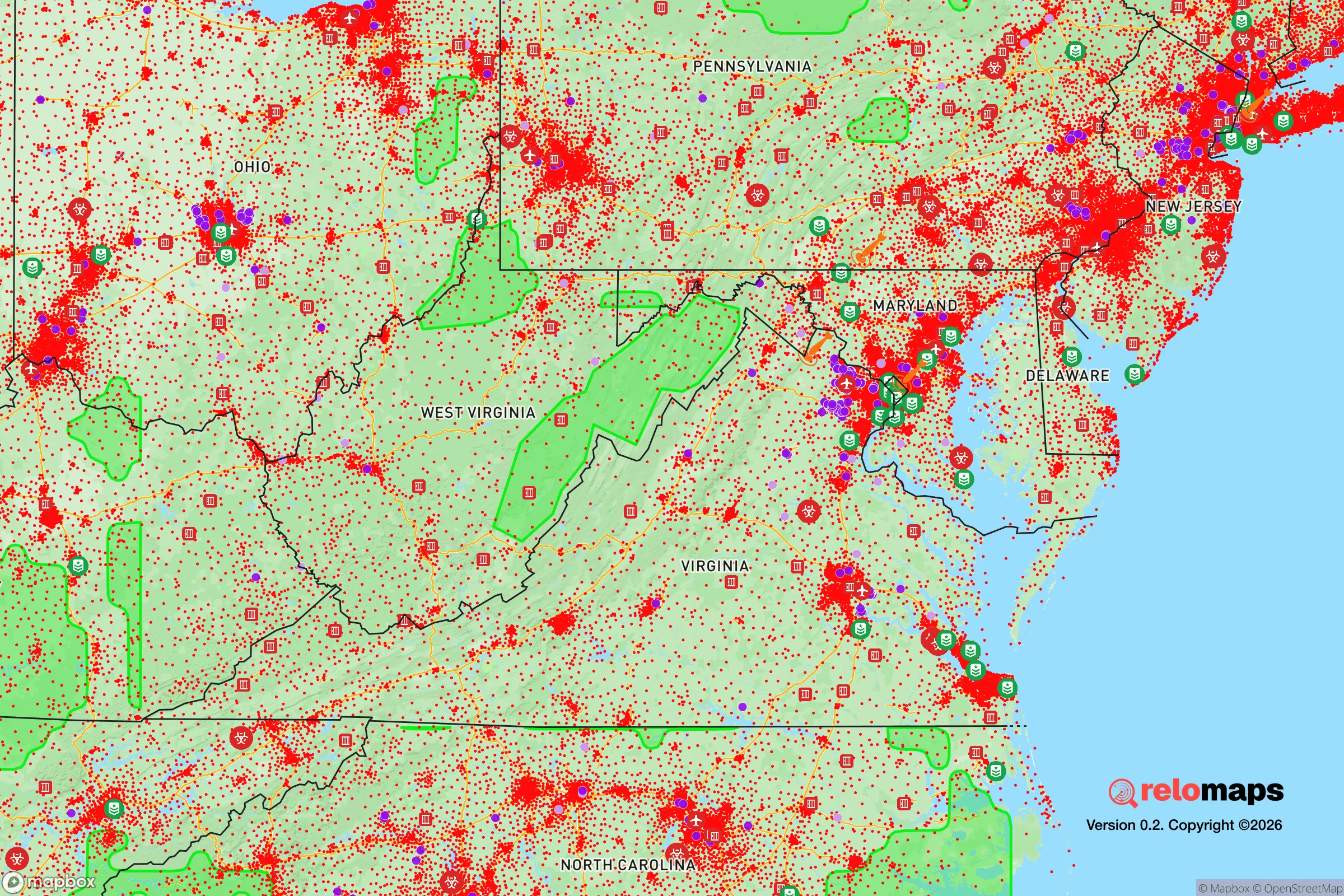
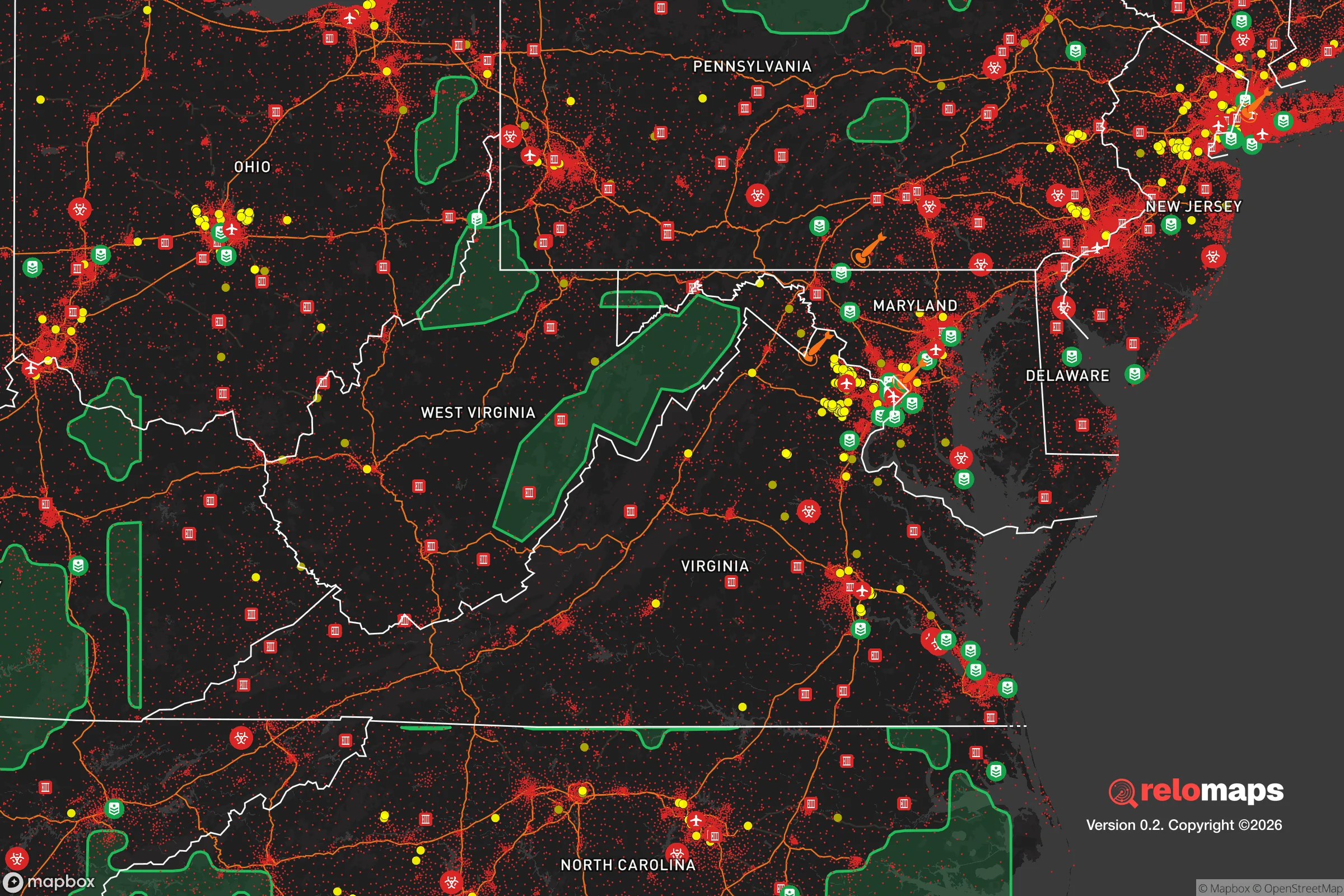


Important Note: For informational purposes only. This does not mean nothing bad ever happens in the green zones. Please use common sense. This is based on public data and modeled with AI. We tried to take a conservative approach but mistakes happen. We update this regularly as new information becomes available.
Solar Generator Recommendations
Backup power matters more here than in safer locations. We've picked three solar generators across budgets and capacity tiers — start with the budget unit if you only need a few essentials, or step up if you want to run a fridge and HVAC for days at a time.

Jackery Portable Power Station Explorer 300
Budget OptionPower on the Go: Weighing only 11 lbs, it's convenient to set up and store with book-sized foldable solar panels

BLUETTI Portable Power Station AC180
Designed for both indoor and outdoor scenarios, AC180 is highly capable as it has a robost capacity and continuous output power.

EF ECOFLOW DELTA Pro Ultra Power Station
Upgraded PickEcoFlow DELTA Pro Ultra is a whole-home energy system designed to grow with your family. Integrated with the Smart Home Panel 2, it scales to meet your evolving energy needs — keeping your home powered, intelligent, and secure through every stage of life.
We earn a commission, at no additional cost to you.
Strategic Assessment Analysis
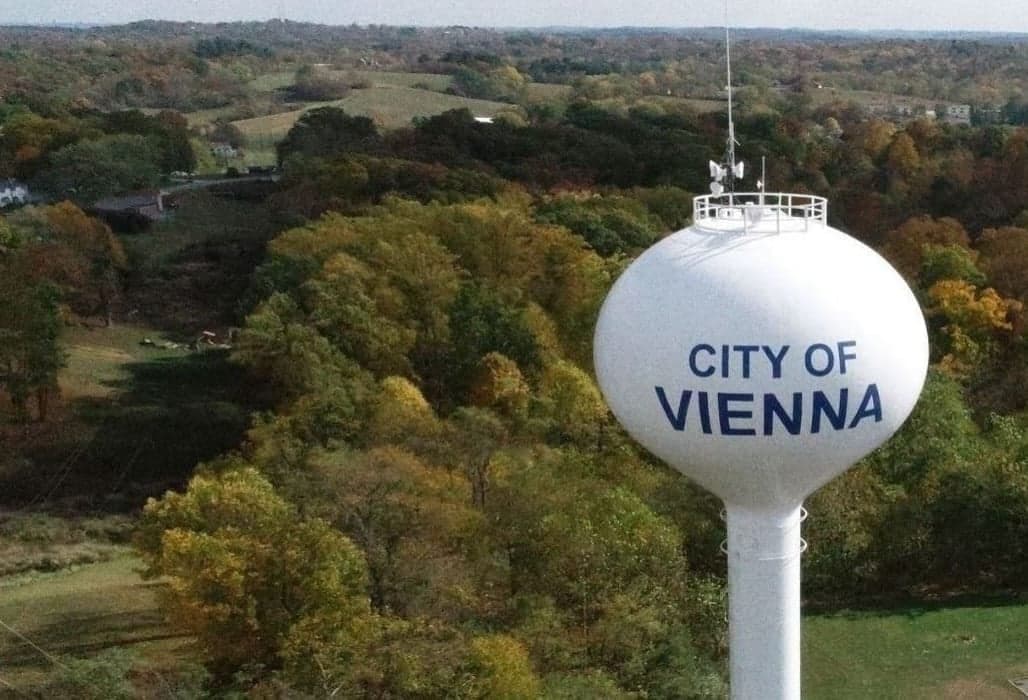
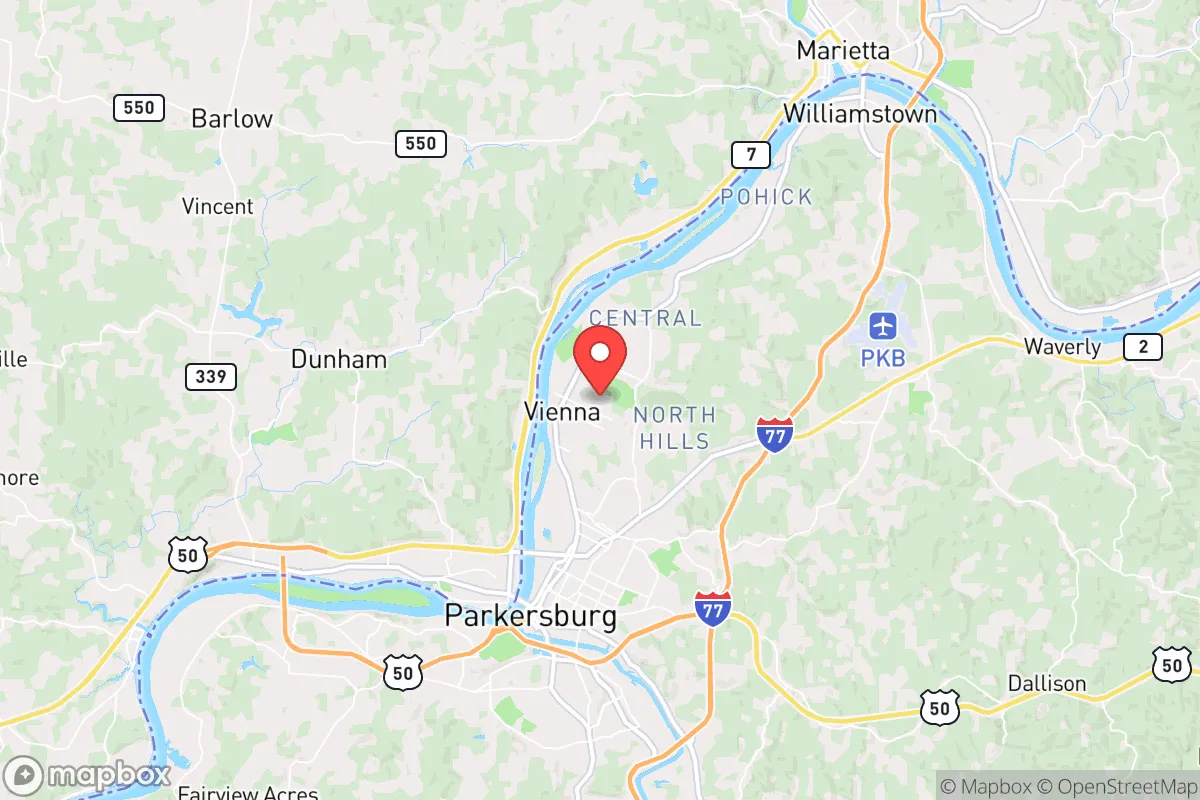
Vienna, West Virginia, sits in a strategic pocket of the Mid-Ohio Valley that offers a blend of industrial resilience and geographic insulation, making it a serious candidate for those prioritizing long-term preparedness. Located along the Ohio River and just north of Parkersburg, this small city of roughly 10,000 people benefits from a diversified local economy anchored by chemical manufacturing, healthcare, and logistics, while remaining far enough from major metropolitan chaos to provide a buffer against cascading urban collapse. For a relocator with a survivalist mindset, Vienna’s position offers a rare combination: access to critical infrastructure without the density that turns a city into a liability during unrest or disaster.
Geographic position and natural advantages for long-term security
Vienna’s location at the confluence of the Ohio and Little Kanawha rivers provides a natural water source that is both a logistical asset and a defensive feature. The Ohio River Valley’s rolling hills and dense woodlands create natural chokepoints and concealment, while the region’s relatively low population density—Wood County averages about 130 people per square mile—means fewer eyes on your movements and less competition for resources during a crisis. The area sits outside the blast and fallout zones of any major nuclear targets; the nearest high-value military or industrial sites are the Naval Surface Warfare Center in Dahlgren, Virginia (over 300 miles east) and the Portsmouth Gaseous Diffusion Plant in Ohio (about 50 miles northwest, now largely decommissioned). That 50-mile buffer to Portsmouth is worth noting—while the plant is no longer active, its historical waste storage could be a secondary concern if a major event triggers secondary contamination. More immediately, Vienna is roughly 90 miles from Columbus, Ohio, and 120 miles from Pittsburgh, placing it outside the likely immediate fallout radius of a strike on those cities while still close enough to monitor regional instability.
Risks, exposures, and proximity to fallout-relevant landmarks
No location is immune to risk, and Vienna has its share of vulnerabilities that a prepper must weigh. The most pressing is the concentration of chemical and industrial facilities along the Ohio River corridor, including the DuPont Washington Works plant (about 10 miles south) and the Chemours facility in Belle, West Virginia (roughly 15 miles upstream). A major industrial accident—or a deliberate attack on these sites—could release toxic plumes that would drift through the valley, requiring a well-stocked shelter with HEPA filtration and a plan for evacuation perpendicular to prevailing winds. Additionally, the nearby Parkersburg metropolitan area (population ~90,000) could become a source of civil unrest or refugee flow if urban centers collapse; Vienna’s bridges over the Ohio River, particularly the Memorial Bridge and the Blennerhassett Bridge, are natural chokepoints that could be contested or blocked. On the nuclear front, the closest active power plant is the Beaver Valley Power Station in Pennsylvania (about 110 miles northeast), which is outside the 50-mile emergency planning zone but still within a plausible fallout trajectory depending on wind patterns. The region’s history of flooding—especially along the Ohio River—adds a seasonal risk that demands a flood-proofed retreat or a secondary bug-out location on higher ground.
Practical resilience for a relocator: food, water, energy, and defensibility
For a relocator serious about self-sufficiency, Vienna offers a workable baseline but requires deliberate upgrades. The local water supply comes from the Ohio River, treated by the Parkersburg Utility Board, but a prepper should assume municipal treatment could fail within 72 hours of a major event. Fortunately, the water table is high, and shallow wells are feasible in much of Wood County; properties with existing wells or access to springs are a premium find. The region’s agricultural capacity is moderate—the growing season runs about 170 days, and soils are a mix of silt loam and clay, suitable for corn, beans, and root vegetables, but not for high-yield grain production without significant amendment. Local food storage is limited; the nearest bulk suppliers are in Parkersburg (Sam’s Club, Walmart), and a serious prepper should plan to stock at least six months of shelf-stable supplies before any crisis. Energy resilience is a mixed bag: the grid is served by Appalachian Power (AEP), which has a history of storm-related outages, but natural gas is widely available, and the wooded terrain makes wood heat a viable backup. Solar potential is decent—about 4.5 peak sun hours per day—but the valley’s frequent cloud cover in winter means battery storage is essential. Defensibility is where Vienna shines: the city’s layout is a mix of suburban subdivisions and rural acreage, with many properties backing onto wooded ravines or farmland, offering natural concealment and multiple egress routes. The local law enforcement presence is modest—Wood County Sheriff’s Office has about 40 deputies for the entire county—so community self-reliance and neighborhood watch networks are the real security backbone.
The overall strategic picture for Vienna is one of calculated trade-offs. It’s not a remote mountain redoubt, but it’s also not a high-risk urban core. The proximity to the Ohio River and industrial infrastructure provides economic stability in normal times but introduces chemical and flood risks that require active mitigation. For a conservative-minded relocator who values community cohesion, access to medical care (Camden Clark Medical Center is 10 minutes away in Parkersburg), and a lower cost of living (median home price around $180,000), Vienna offers a viable base for a layered preparedness strategy. The key is to treat it as a hub—not a fortress—with a well-rehearsed plan for short-term sheltering, a secondary bug-out location in the deeper hills of central West Virginia (e.g., Ritchie or Wirt counties), and a network of like-minded neighbors who share the same strategic outlook. In a world where the margin between stability and chaos is thinning, Vienna provides a defensible, resource-accessible position that rewards preparation without demanding isolation.

* Values derived from national, state, county, city and local statistics and may differ in a specific area. Last updated: 2026-04-23T05:47:28.000Z
Narrative content on this page is AI-generated and may contain mistakes. Verify any details that matter before acting on them.
ReloMaps may earn a commission from affiliate links at no extra cost to you.

