Quality of Life in Vienna, WV
A high quality of life with strong walkability, manageable living costs, healthy neighborhood signals, and solid amenity access.
What does Quality of Life tell us?
Quality of Life blends cost of living, nearby amenities, socioeconomic signals, and neighborhood character. City-level scores represent the whole municipality; individual neighborhoods can differ.
What does this tell us?
Quality of Life blends cost of living, nearby amenities, socioeconomic signals, and neighborhood character. City-level scores represent the whole municipality; individual neighborhoods can differ.
Cost of Living
35% below national average
The Real Cost of Living in Vienna, WV for 2026
| Tier | Individual | Family (4) |
|---|---|---|
| Survival | $13k | $25k |
| Comfortable | $30k | $44k |
| Luxury | $118k+ | $183k+ |
| Elite (Top 5%) | $155k+ | $240k+ |
147%
The Area Signal
A metric tracking the socioeconomic signals of the area.
Hobbies
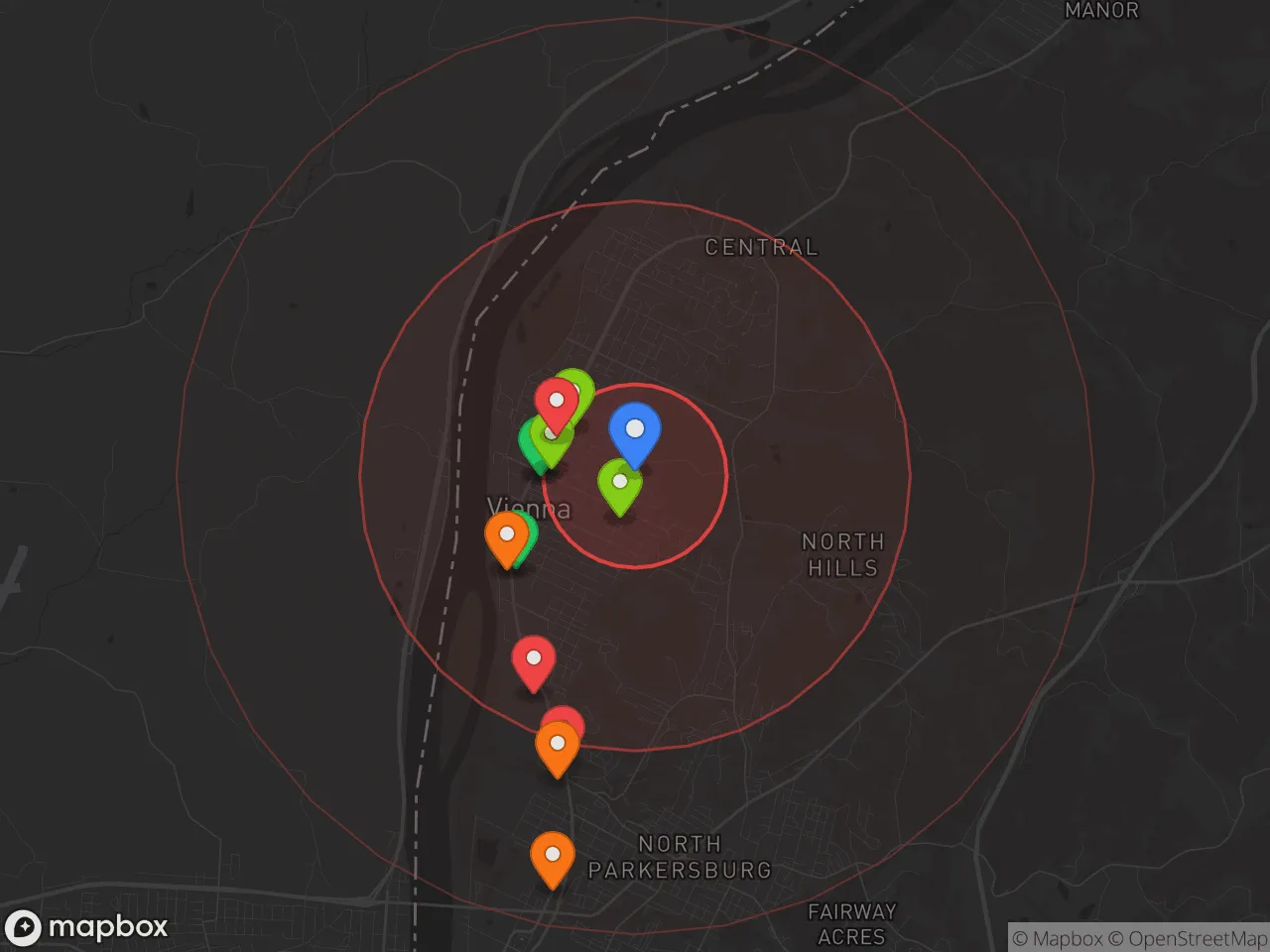
Explore the areaGroceries
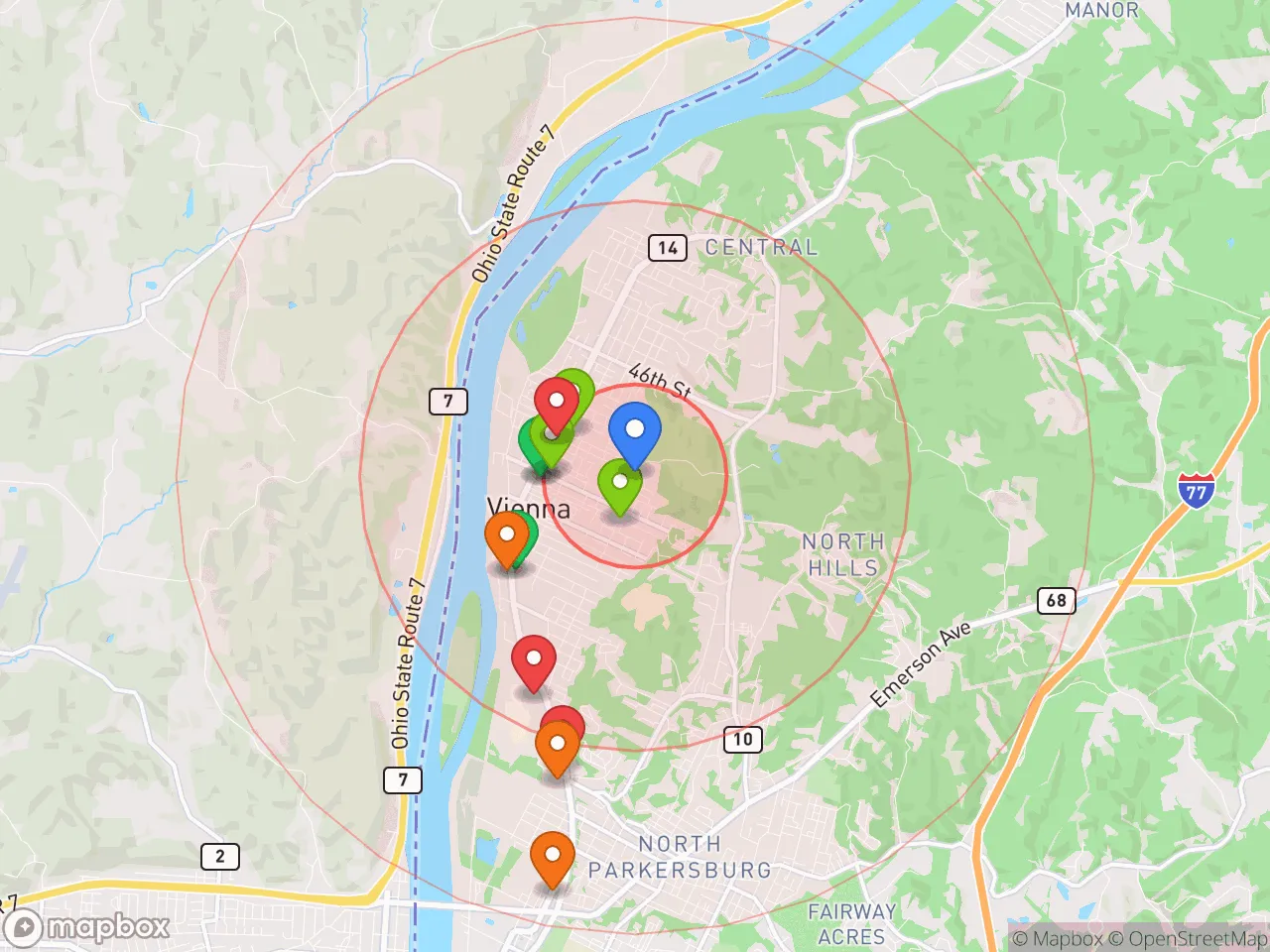
6 within 10 miles
Gas
20 within 10 miles
Hospital
8 within 20 miles
Airport
John Glenn Columbus International Airport
Post Office
USPS — Vienna, WV
Critical Amenities
Quality-of-Life Analysis
Vienna, West Virginia, presents a notably affluent and family-oriented community within the Mid-Ohio Valley, where the cost of living index sits at a remarkably low 65—35% below the national average—while median household incomes consistently exceed state and national benchmarks. This combination attracts a demographic mix of established professionals, remote workers, and retirees who prioritize financial stability and a slower pace of life without sacrificing proximity to regional employment hubs like Parkersburg and Marietta. The town's character is defined by its tree-lined streets, strong public school system, and a population that values community engagement, making it a distinct outlier in terms of wealth and stability compared to many other small towns in West Virginia.
Cost of living, housing affordability, and how it compares to nearby areas
Vienna's housing market is the cornerstone of its affordability advantage, with a median home value of $155,500 and a median rent of $837—figures that are roughly half the national median but notably higher than in neighboring Parkersburg, where comparable homes often sell for 10-15% less. The overall cost of living index of 65 means that a household earning the national median income would effectively have 35% more purchasing power here than in the average U.S. city. Utilities and groceries also run below national averages, though property taxes in Wood County are moderate, adding a predictable expense. For context, a Vienna resident with a 19.98-minute average commute—well under the national average of 27 minutes—saves significantly on transportation costs, especially when compared to commuters from more distant suburbs like Mineral Wells or Williamstown. This affordability gap is most pronounced against larger metros like Charleston (COL index ~85) or Morgantown (~90), making Vienna a compelling option for those seeking a lower cost of entry without sacrificing access to regional retail and healthcare.
Local amenities, schools, and what daily life is like for families
Daily life in Vienna revolves around its highly rated Wood County Schools system, particularly Vienna Elementary and Jackson Middle School, which consistently outperform state averages in standardized testing. The town's commercial spine along Grand Central Avenue and Pike Street provides residents with big-box retail, grocery stores, and dining options that reduce the need to travel to Parkersburg for routine errands. For recreation, the Vienna City Park offers walking trails, sports fields, and a community pool, while the nearby North Bend Rail Trail and Ohio River provide outdoor enthusiasts with hiking, biking, and fishing opportunities within a 15-minute drive. The community calendar is anchored by events like the Vienna Summer Concert Series and the Wood County 4-H Fair, fostering a tight-knit social fabric. Healthcare access is strong, with WVU Medicine Camden Clark Medical Center located just across the river in Parkersburg, offering emergency and specialty care within a 10-minute drive. The absence of a major university or nightlife scene means the daily rhythm is quiet and predictable, ideal for families who prioritize school quality and safety over urban excitement.
Vienna is best suited for families with school-aged children, remote workers, and retirees who value financial efficiency and a low-stress environment. The combination of a 19.98-minute commute, a cost of living 35% below the national average, and a housing market that allows for homeownership on a single modest income makes it particularly attractive to those priced out of larger Appalachian cities or coastal suburbs. Professionals working at DuPont Washington Works or Parkersburg's industrial sector will find the commute trivial, while retirees benefit from the town's walkable core and access to healthcare. Those seeking vibrant nightlife, diverse cultural institutions, or a walkable urban core should look elsewhere—but for anyone prioritizing affordability, safety, and a strong public school system, Vienna offers a rare balance that is increasingly hard to find in the United States.

Crime in Vienna, WV
Generally safer than 74% of comparable U.S. locations.
Violent CrimeViolent Crime Analysis
Property CrimeProperty Crime Analysis
Crime Analysis
Vienna, West Virginia, presents a mixed safety profile that demands careful consideration from potential residents. While the city's violent crime rate of 173.9 incidents per 100,000 residents is notably lower than the national average, its property crime rate of 3,903.8 per 100,000 is significantly elevated, placing it among the higher-risk communities in the Mid-Ohio Valley region for theft and burglary.
Crime in context
Vienna's violent crime rate sits well below the national median of roughly 380 per 100,000, making serious offenses like homicide, rape, and aggravated assault relatively rare events. However, the property crime rate is a stark outlier—nearly double the national average of approximately 1,950 per 100,000 and substantially above the West Virginia state average of around 2,100 per 100,000. This disparity means a resident's primary safety concern in Vienna is not personal violence but the risk of vehicle break-ins, home burglaries, and larceny. The city's location along Interstate 77, providing easy access for transient offenders, is a contributing factor to these elevated property crime numbers.
What residents experience
Daily life in Vienna for most residents involves standard precautions: locking vehicles and homes, securing outdoor equipment, and avoiding leaving valuables in plain sight. The city's police department maintains a visible presence, particularly along the Grand Central Avenue commercial corridor, which helps deter some opportunistic crime. However, the broader legal environment in West Virginia—and particularly in Wood County—has not embraced the progressive prosecutorial and judicial reforms seen in larger metropolitan areas. Local judges and the Wood County Prosecuting Attorney's office generally adhere to traditional sentencing guidelines, meaning offenders convicted of property crimes are more likely to face incarceration than diversion programs. This conservative approach to justice provides a meaningful layer of protection for residents, as it reduces the likelihood of repeat offenders cycling quickly back onto Vienna's streets.
Neighborhood-level variation in safety is pronounced. Areas west of Grand Central Avenue, particularly the older residential streets near the Ohio River, tend to report fewer property crimes. In contrast, the apartment complexes and commercial zones along the I-77 corridor and near the Grand Central Mall experience higher rates of vehicle theft and shoplifting. The most secure neighborhoods are the established subdivisions south of 7th Street, where community watch programs are active and home values provide a natural deterrent to casual crime. Prospective residents should prioritize properties in these quieter, less-transient areas and verify local crime maps before committing to a lease or purchase in Vienna.
* Values derived from national, state, county, city and local statistics and may differ in a specific area. Last updated: 2026-04-23T05:47:28.000Z
Narrative content on this page is AI-generated and may contain mistakes. Verify any details that matter before acting on them.
ReloMaps may earn a commission from affiliate links at no extra cost to you.

