Photo: Wikipedia
Political ClimatePolitical Climate in Volga, SD
District shown is the primary district for this city’s centroid. Cities may span multiple districts.
Inherited from parent state — no local data available.
Local Political AnalysisPolitical Analysis of Volga, SD
Volga, South Dakota, is about as reliably conservative as small-town America gets, and that’s not changing anytime soon. The Cook PVI of R+15 tells you the math, but the real story is in the culture—folks here vote Republican because they believe in limited government, personal responsibility, and keeping Washington out of their lives. The trajectory has been steady red for decades, and if anything, the recent national shifts toward progressive policies have only hardened that resolve locally.
How it compares
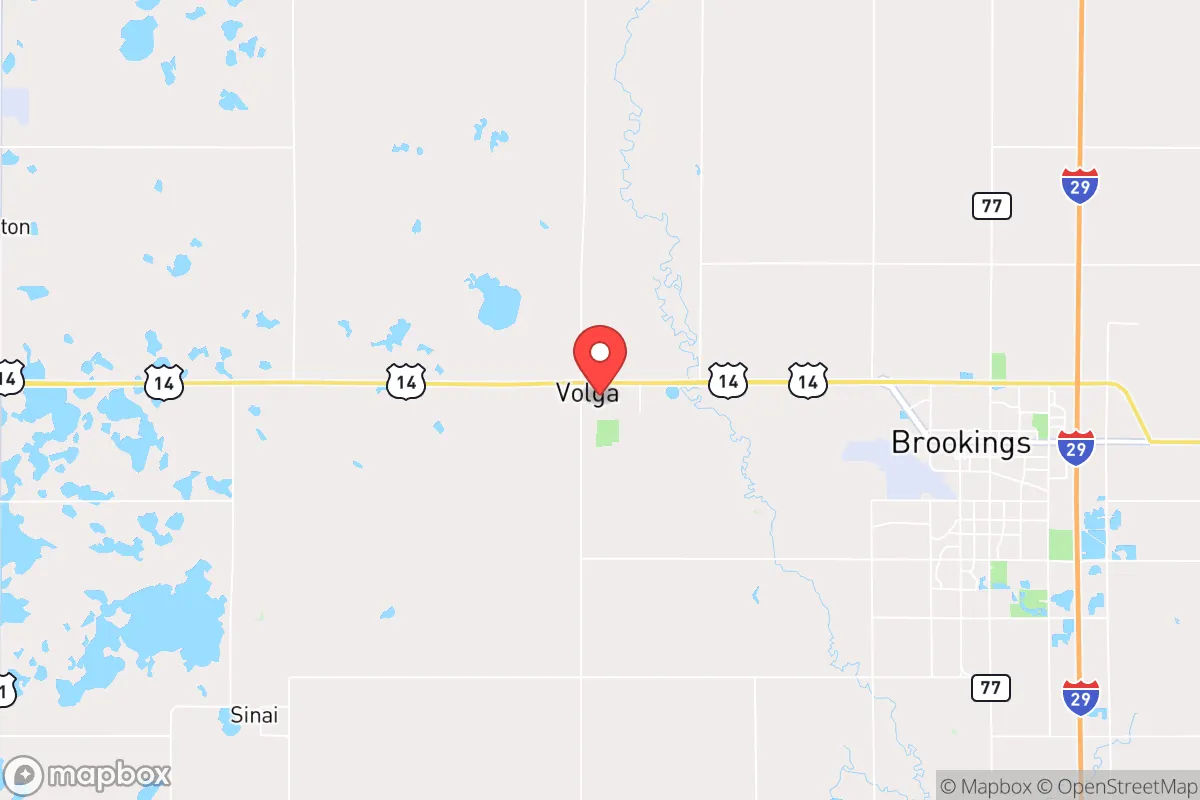
Drive 15 minutes west to Brookings, and you’ll feel the difference immediately. Brookings is home to South Dakota State University, so it leans more moderate and occasionally blue in local races—especially in city council and school board elections. Volga, by contrast, is a farming and commuter community where the county-level vote often runs 70% or more Republican. Head east to Lake Benton, Minnesota, and you cross into a state that’s been trending left, with higher taxes and more regulations that make South Dakotans shake their heads. Volga sits in a sweet spot: close enough to Brookings for jobs and shopping, but far enough to avoid the university’s political drift. The surrounding towns—Aurora, Bruce, White—are cut from the same cloth, so there’s no real progressive pocket nearby to worry about.
What this means for residents
For daily life, the conservative lean means you’re not dealing with the kind of government overreach that’s become common in blue states. No mask mandates that drag on for years, no heavy-handed business closures, no property tax hikes to fund social programs you didn’t vote for. The local city council and county commission are full of people who believe in low taxes, Second Amendment rights, and letting you run your life without a permit for everything. That said, there’s been a subtle shift in the last five years—some younger families moving in from Brookings or Sioux Falls bring more progressive ideas about zoning, environmental rules, and school curriculum. It’s not a flood, but it’s a trickle that bears watching. The long-term concern is that if Brookings continues its leftward drift, some of that influence could seep into Volga through school district consolidation or regional planning boards. For now, though, the culture here is still one where neighbors look out for each other and expect the government to stay out of the way.
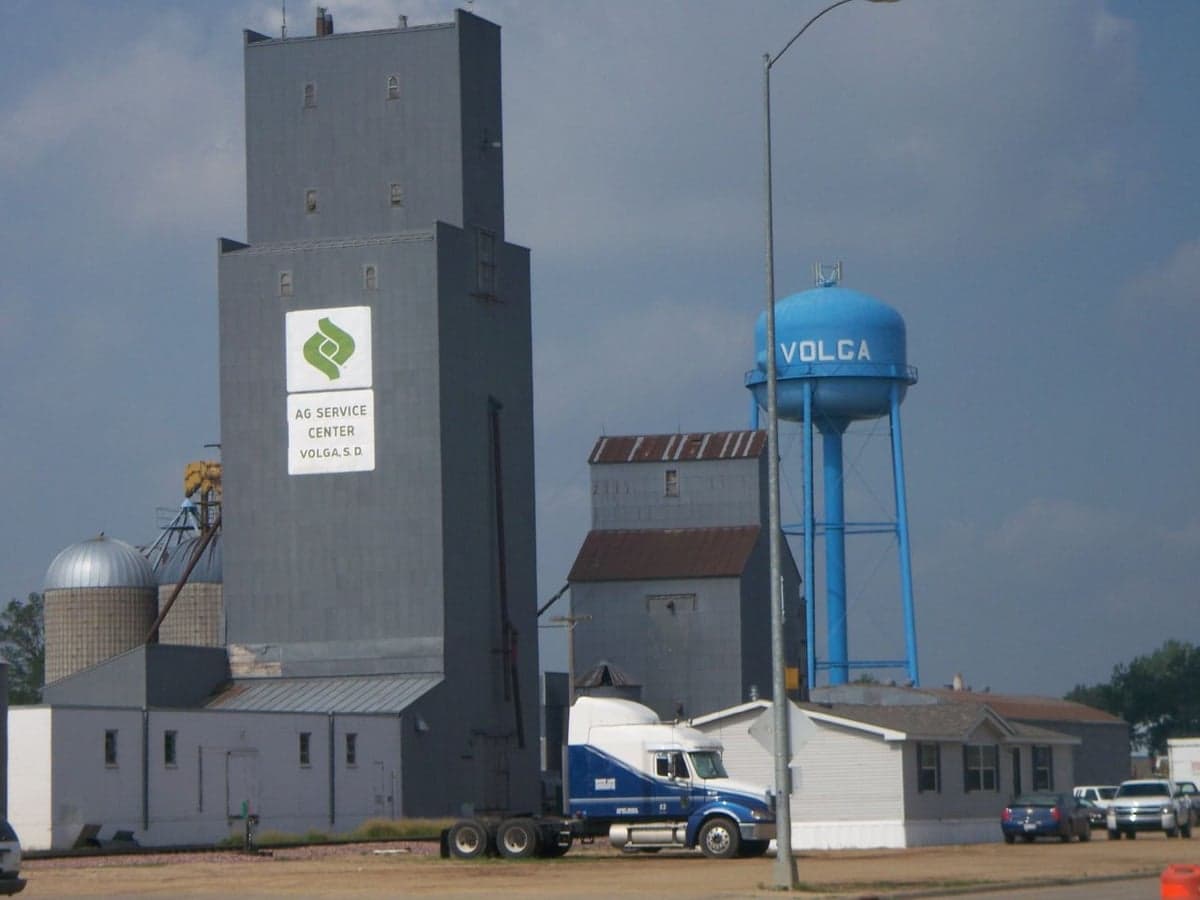
Culturally, Volga stands out for its strong sense of local control. The annual Volga German Fest celebrates the town’s heritage, and the community’s approach to everything from land use to school funding reflects a deep skepticism of outside authority. There’s no city income tax, no noise ordinances that get enforced on a Saturday afternoon, and the local police focus on real safety issues rather than acting as social engineers. If you’re looking for a place where your rights aren’t up for debate and the government remembers it works for you, Volga is a solid bet. Just keep an eye on the school board elections—that’s where the next battle over local values will play out.

State Political ClimatePolitical Climate in South Dakota
State Political AnalysisPolitical Environment in the State
South Dakota is a deeply conservative state, with Republicans holding a supermajority in the legislature and a 2024 presidential margin of +30 points for Donald Trump. Over the past 20 years, the state has shifted further right, driven by rural cultural values and a steady influx of conservative-leaning migrants from California, Minnesota, and Illinois. The dominant coalition is a mix of traditional ranchers, evangelical Christians, and libertarian-leaning small business owners, with the state consistently ranking among the most Republican in the nation.
Urban vs. rural divide
The political map is starkly divided between a few small urban centers and vast rural expanses. Sioux Falls, the largest city, is the state's most competitive area—it voted for Trump by only 8 points in 2024, compared to 30 points statewide. The city's growth, fueled by finance and healthcare jobs, has brought in a younger, slightly more moderate population, but it remains solidly red. Rapid City and the Black Hills region lean heavily Republican, with Pennington County voting +18 for Trump. The real engine of the state's conservatism is the rural countryside: counties like Harding, Perkins, and Jones regularly deliver 85-90% Republican margins. The only blue dot is Minnehaha County (Sioux Falls) and occasionally Brookings (home to South Dakota State University), but neither flips the state. Yankton and Vermillion are more moderate due to university influence, but they're still reliably red.
Policy environment
South Dakota's policy environment is a conservative dream: no state income tax, low property taxes (with a 60% assessment cap for owner-occupied homes), and a flat 4.2% sales tax. The regulatory posture is aggressively pro-business, with no minimum wage increase since 2015 and a right-to-work law. Education policy is dominated by school choice—the state expanded its voucher-like program in 2023, allowing parents to use state funds for private or homeschool expenses. Healthcare is a mixed bag: the state rejected Medicaid expansion until 2023 (voters approved it via ballot measure), but the legislature has since imposed work requirements. Election laws are among the most secure in the nation: voter ID is required, same-day registration is not allowed, and absentee voting requires an excuse. The state also passed a law in 2023 banning ranked-choice voting, a preemptive strike against progressive electoral reforms.
Trajectory & freedom
South Dakota is becoming more free in many respects, but with some concerning caveats. On the positive side, the state passed a constitutional carry law in 2019, allowing permitless concealed carry. In 2023, Governor Kristi Noem signed a parental rights bill requiring schools to notify parents of any curriculum involving sexuality or gender identity, and allowing parents to opt their children out. The state also enacted a medical freedom law in 2022, prohibiting vaccine mandates by private employers and government entities. However, there are red flags: the state's property tax system is under strain, with valuations rising faster than incomes, leading to calls for a cap. The 2023 ban on gender-affirming care for minors was popular with conservatives, but it also drew federal lawsuits and media scrutiny. The biggest freedom concern is the state's heavy reliance on federal funds—about 40% of the budget comes from Washington, which could create leverage for future mandates.
Civil unrest & political movements
South Dakota has seen relatively little civil unrest compared to coastal states, but there are flashpoints. The 2020 protests at Mount Rushmore over Indigenous land rights drew national attention, with Governor Noem using the National Guard to maintain order. The Pine Ridge Indian Reservation remains a site of tension, with periodic clashes between tribal police and state authorities over jurisdiction. On the right, the South Dakota Freedom Caucus has grown more assertive, pushing for a state-level constitutional amendment to nullify federal gun laws. In 2024, a school board recall effort in Rapid City succeeded after parents objected to a diversity, equity, and inclusion (DEI) program. Immigration politics are muted—the state has a tiny foreign-born population (about 4%)—but there is a growing movement to restrict refugee resettlement, particularly in Sioux Falls, where a Somali community has grown. Election integrity is a hot topic: the state's secretary of state was sued in 2022 for purging voter rolls, but the courts upheld the practice.
Projection
Over the next 5-10 years, South Dakota will likely become more conservative, not less. The in-migration from blue states—particularly California and Minnesota—is accelerating, but these newcomers are overwhelmingly conservative-leaning, seeking lower taxes and fewer regulations. The Sioux Falls metro will continue to grow, but its political influence will be diluted by rural population gains in the Black Hills and along the I-90 corridor. The biggest risk is federal overreach: if the federal government imposes new mandates on education, healthcare, or energy, South Dakota's legislature is likely to pass nullification bills, setting up legal battles. The property tax issue could become a wedge, with younger homeowners pushing for caps while older residents resist cuts to services. Expect more school choice expansion, a possible constitutional amendment to ban abortion (the state already has a trigger law), and continued resistance to any federal gun control. The state's LGBTQ+ policies will remain restrictive, with likely bans on drag performances and library content.
For a new resident, the bottom line is this: South Dakota offers a high degree of personal freedom—low taxes, strong gun rights, and minimal government interference in daily life. But that freedom comes with trade-offs: limited healthcare access in rural areas, a heavy reliance on federal dollars, and a political culture that can feel insular. If you value local control, parental rights, and a hands-off government, you'll find a home here. Just be prepared for cold winters, long drives, and a state that's not afraid to pick a fight with Washington.
* Values derived from national, state, county, city and local statistics and may differ in a specific area. Last updated: 2026-04-30T06:49:53.000Z
Narrative content on this page is AI-generated and may contain mistakes. Verify any details that matter before acting on them.
ReloMaps may earn a commission from affiliate links at no extra cost to you.

