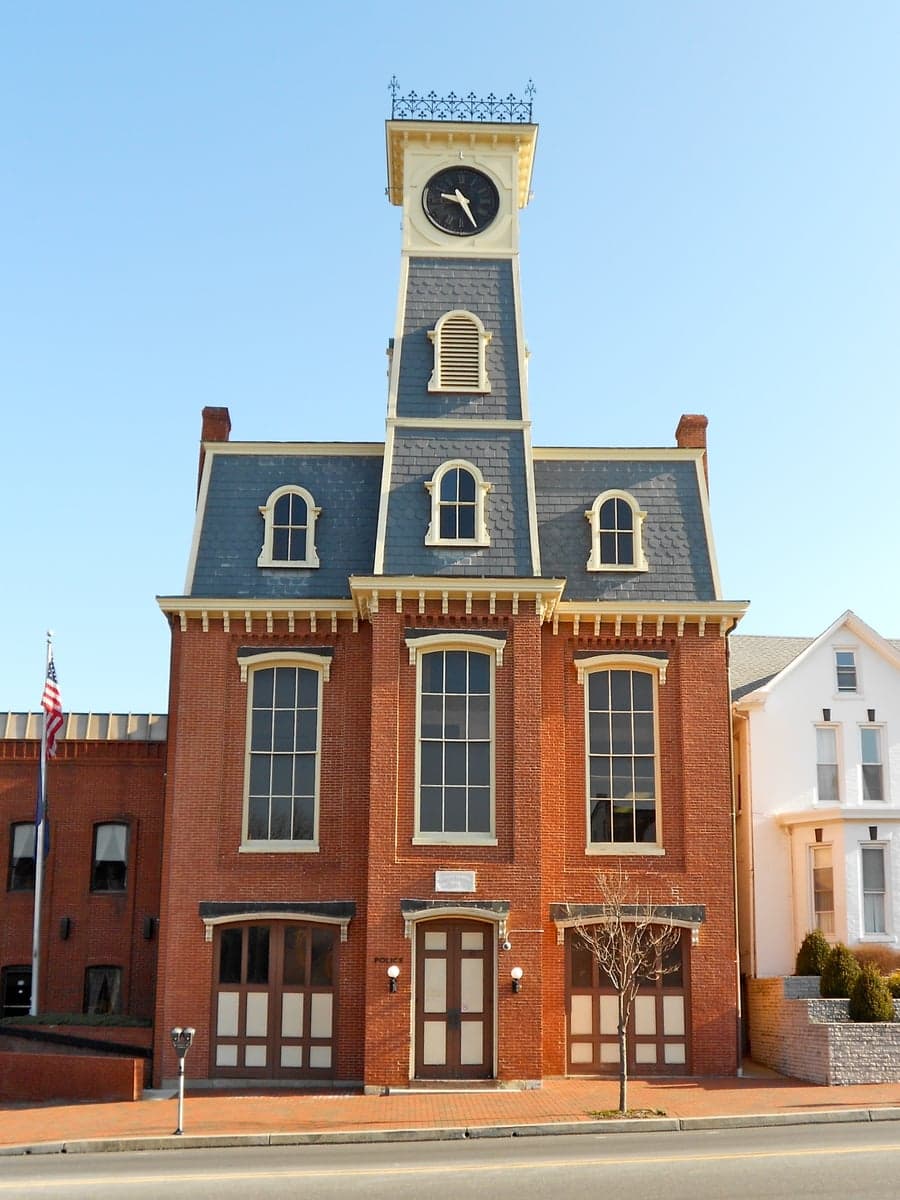
Photo: Wikipedia
Quality of Life in Waynesboro, PA
A high quality of life with strong walkability, manageable living costs, healthy neighborhood signals, and solid amenity access.
What does Quality of Life tell us?
Quality of Life blends cost of living, nearby amenities, socioeconomic signals, and neighborhood character. City-level scores represent the whole municipality; individual neighborhoods can differ.
What does this tell us?
Quality of Life blends cost of living, nearby amenities, socioeconomic signals, and neighborhood character. City-level scores represent the whole municipality; individual neighborhoods can differ.
Cost of Living
21% below national average
The Real Cost of Living in Waynesboro, PA for 2026
| Tier | Individual | Family (4) |
|---|---|---|
| Survival | $16k | $31k |
| Comfortable | $35k | $52k |
| Luxury | $80k+ | $124k+ |
| Elite (Top 5%) | $94k+ | $146k+ |
113%
The Area Signal
A metric tracking the socioeconomic signals of the area.
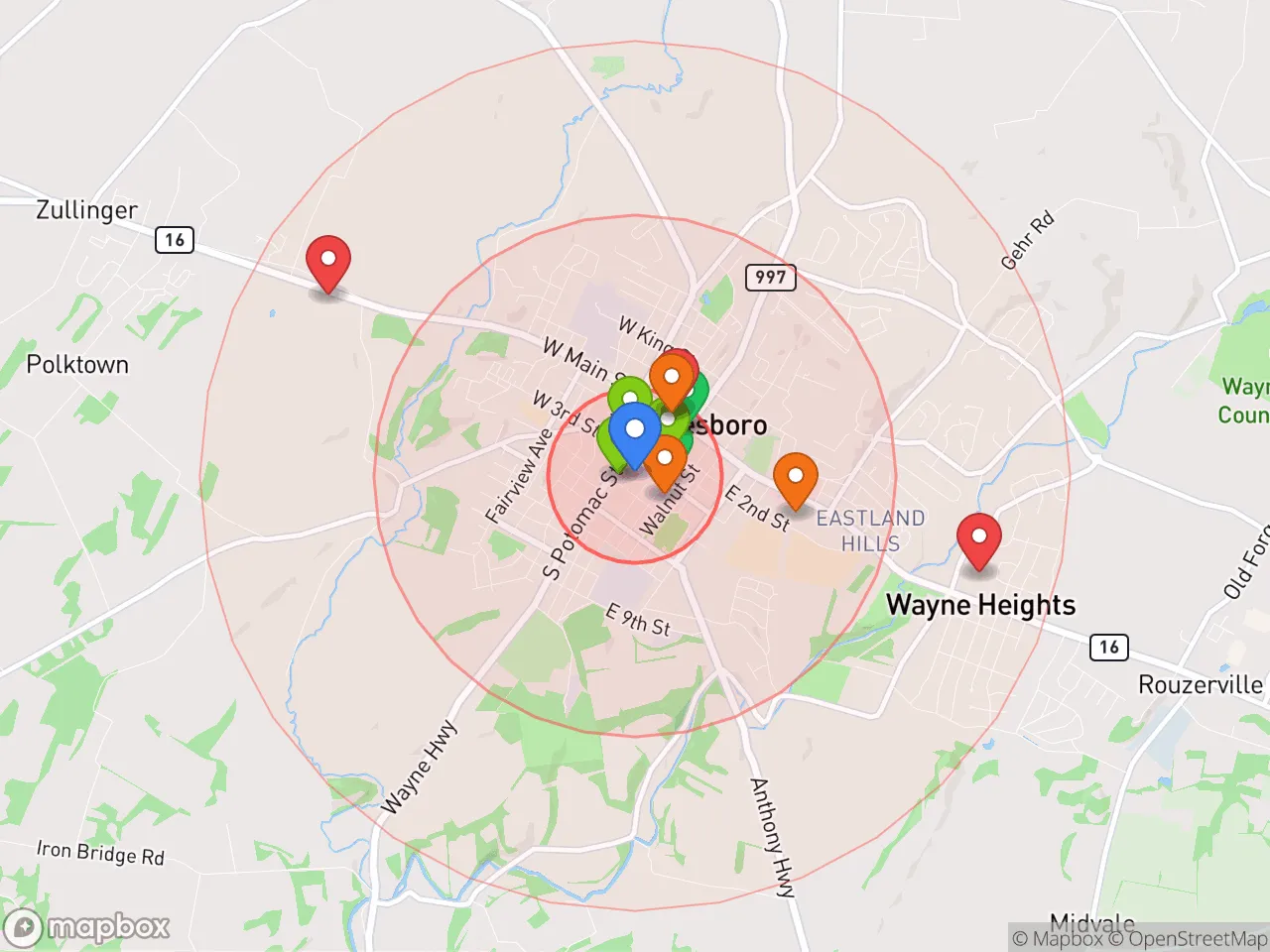
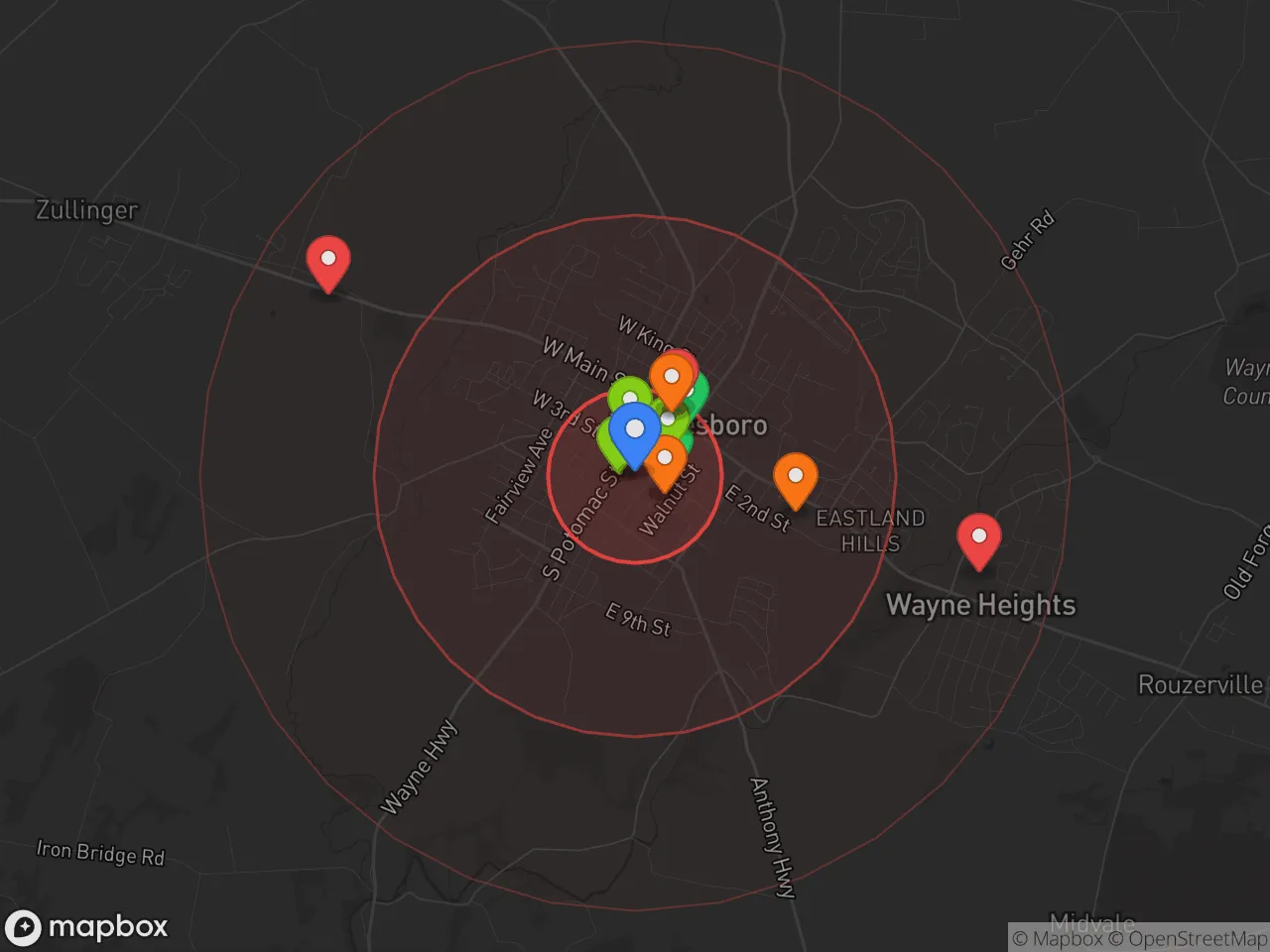
Hobbies
Explore the areaGroceries
2 within 10 miles
Gas
20 within 10 miles
Hospital
8 within 20 miles
Airport
IAD — Washington Dulles International
Post Office
USPS — 118 East Main Street, Waynesboro
Critical Amenities
Quality-of-Life Analysis
Waynesboro, Pennsylvania, presents a notably affordable quality of life that attracts a mix of young families, long-term residents, and commuters seeking a lower cost of living within reach of the Hagerstown and Frederick metro areas. With a cost of living index of 79—well below the national average of 100—the borough offers a middle-class, blue-collar character where homeownership is attainable and daily expenses remain manageable. The population skews toward working-age adults and retirees, with a median age around 40, and the community is known for its quiet, family-oriented atmosphere rather than a fast-paced urban lifestyle.
Cost of living, housing affordability, and how Waynesboro compares to nearby towns
Waynesboro’s housing market is a primary draw, with a median home value of $180,400—roughly half the national median—and a median rent of $1,027, which is significantly lower than in nearby Frederick, MD (where median rent exceeds $1,600). This affordability extends to utilities, groceries, and transportation, making the borough one of the more budget-friendly options in Franklin County. The average commute of 23.8 minutes is slightly below the national average, reflecting that many residents work locally or commute to Hagerstown (about 15 minutes south) or Chambersburg (20 minutes west). Compared to Greencastle or Chambersburg, Waynesboro offers slightly lower home prices but fewer new-construction subdivisions, with much of its housing stock dating from the early to mid-20th century. Property taxes in Franklin County are moderate, and Pennsylvania’s lack of a tax on retirement income further enhances affordability for older residents.
Schools, local amenities, and what daily life feels like in Waynesboro
Daily life in Waynesboro centers on a compact downtown with a mix of local shops, diners, and community events like the annual Waynesboro Heritage Festival. The Waynesboro Area School District serves the borough and surrounding townships, with an overall rating of 6/10 on GreatSchools—solid for the region, though not top-tier. For higher-rated options, some families look to private schools or districts in nearby Greencastle or Frederick County, MD. Outdoor amenities include Memorial Park (with a pool, sports fields, and walking trails) and access to the Appalachian Trail just east of town. The borough lacks a major hospital, but WellSpan Waynesboro Hospital provides emergency and primary care, with more comprehensive services available in Hagerstown or Chambersburg. Shopping and dining are limited compared to larger towns, but residents routinely drive 20–30 minutes to the Valley Mall in Hagerstown or the retail corridors along US 30. The overall pace is slow and neighborly, with a strong sense of community reflected in active volunteer fire companies and local sports leagues.
Waynesboro is best suited for budget-conscious homebuyers, retirees on fixed incomes, and commuters who work in the Hagerstown or Frederick areas but want lower housing costs. Families seeking top-tier schools or abundant entertainment options may find the borough too quiet or limited, while those who value a walkable downtown, low crime rates relative to larger cities, and a tight-knit community will feel at home. The trade-off for affordability is a modest selection of amenities and a slower economic pace, but for the right resident, Waynesboro delivers a stable, low-stress lifestyle at a fraction of the cost of nearby Maryland suburbs.

Crime in Waynesboro, PA
Generally safer than 64% of comparable U.S. locations.
Violent CrimeViolent Crime Analysis
Property CrimeProperty Crime Analysis
Crime Analysis
Waynesboro, Pennsylvania, presents a mixed safety profile for prospective residents. The borough’s violent crime rate of 134.9 incidents per 100,000 people is notably lower than both the Pennsylvania state average and national figures, suggesting a relatively low risk of serious personal offenses. However, the property crime rate of 926.3 per 100,000 exceeds the national median, indicating that theft and burglary are more pressing concerns for those living in or moving to this Franklin County community.
Crime in context
Waynesboro’s violent crime rate is approximately 62% lower than the national average, placing it in a safer tier for offenses like assault, robbery, and homicide. This statistic aligns with the broader safety trends seen in many small towns in south-central Pennsylvania. In contrast, the property crime rate is about 15% higher than the U.S. median, driven primarily by larceny-theft and vehicle break-ins. When compared to nearby larger cities like Hagerstown, Maryland, or Chambersburg, Pennsylvania, Waynesboro’s overall crime index is more favorable, though property crime remains a localized issue that residents should monitor.
What residents experience
Daily life in Waynesboro is generally quiet, with most crime concentrated in specific commercial corridors and rental-heavy blocks rather than residential neighborhoods. The borough’s police department maintains a visible presence, and community watch programs are active in several subdivisions. However, the property crime rate means that unlocked vehicles and unattended outdoor items are frequent targets. Residents typically report feeling safe walking downtown during the day, but caution is advised after dark in areas near the Main Street corridor and the borough’s southern edge. The presence of progressive judicial policies in nearby larger metro areas—such as those in parts of Maryland—can contribute to regional recidivism patterns, as offenders may cycle through lenient court systems and return to smaller communities like Waynesboro. This dynamic is a legitimate concern for long-term safety planning, as it can undermine local enforcement efforts.
Neighborhood-level variation
Safety in Waynesboro is not uniform. The western and northern residential sections, including areas near Ringgold Park and the Waynesboro Country Club, experience the lowest crime rates. The central downtown district and the eastern side of the borough, particularly along East Main Street and near the industrial zones, see higher incidences of property crime and occasional disorderly conduct. Prospective renters and homebuyers should prioritize properties in the quieter outer blocks and verify recent crime maps through the borough’s police department or local online forums. Overall, Waynesboro is a reasonably safe small town where property crime awareness is the primary safety consideration.
* Values derived from national, state, county, city and local statistics and may differ in a specific area. Last updated: 2026-08-24T22:36:30.000Z
Narrative content on this page is AI-generated and may contain mistakes. Verify any details that matter before acting on them.
ReloMaps may earn a commission from affiliate links at no extra cost to you.

