
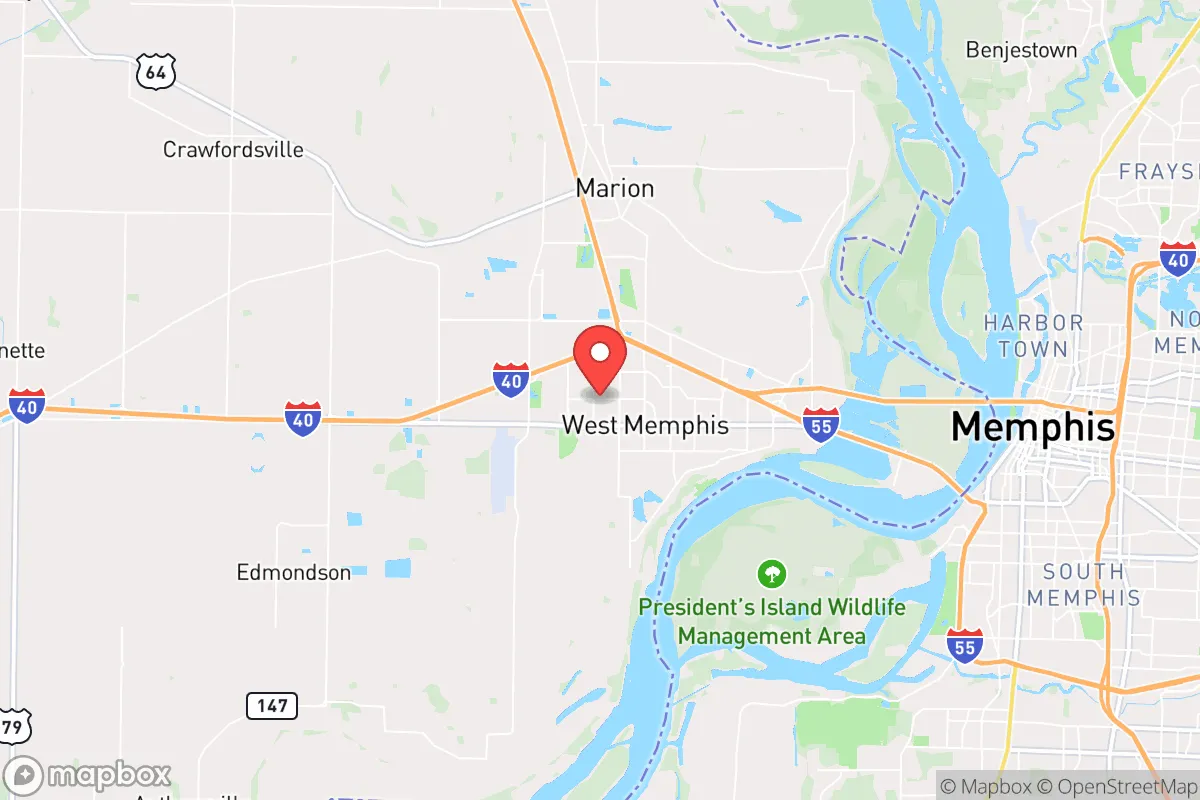
Photo: Wikipedia
Quality of Life in West Memphis, AR
A high quality of life with strong walkability, manageable living costs, healthy neighborhood signals, and solid amenity access.
What does Quality of Life tell us?
Quality of Life blends cost of living, nearby amenities, socioeconomic signals, and neighborhood character. City-level scores represent the whole municipality; individual neighborhoods can differ.
What does this tell us?
Quality of Life blends cost of living, nearby amenities, socioeconomic signals, and neighborhood character. City-level scores represent the whole municipality; individual neighborhoods can differ.
Cost of Living
39% below national average
The Real Cost of Living in West Memphis, AR for 2026
| Tier | Individual | Family (4) |
|---|---|---|
| Survival | $14k | $25k |
| Comfortable | $23k | $34k |
| Luxury | $75k+ | $116k+ |
| Elite (Top 5%) | $88k+ | $136k+ |
123%
The Area Signal
A metric tracking the socioeconomic signals of the area.
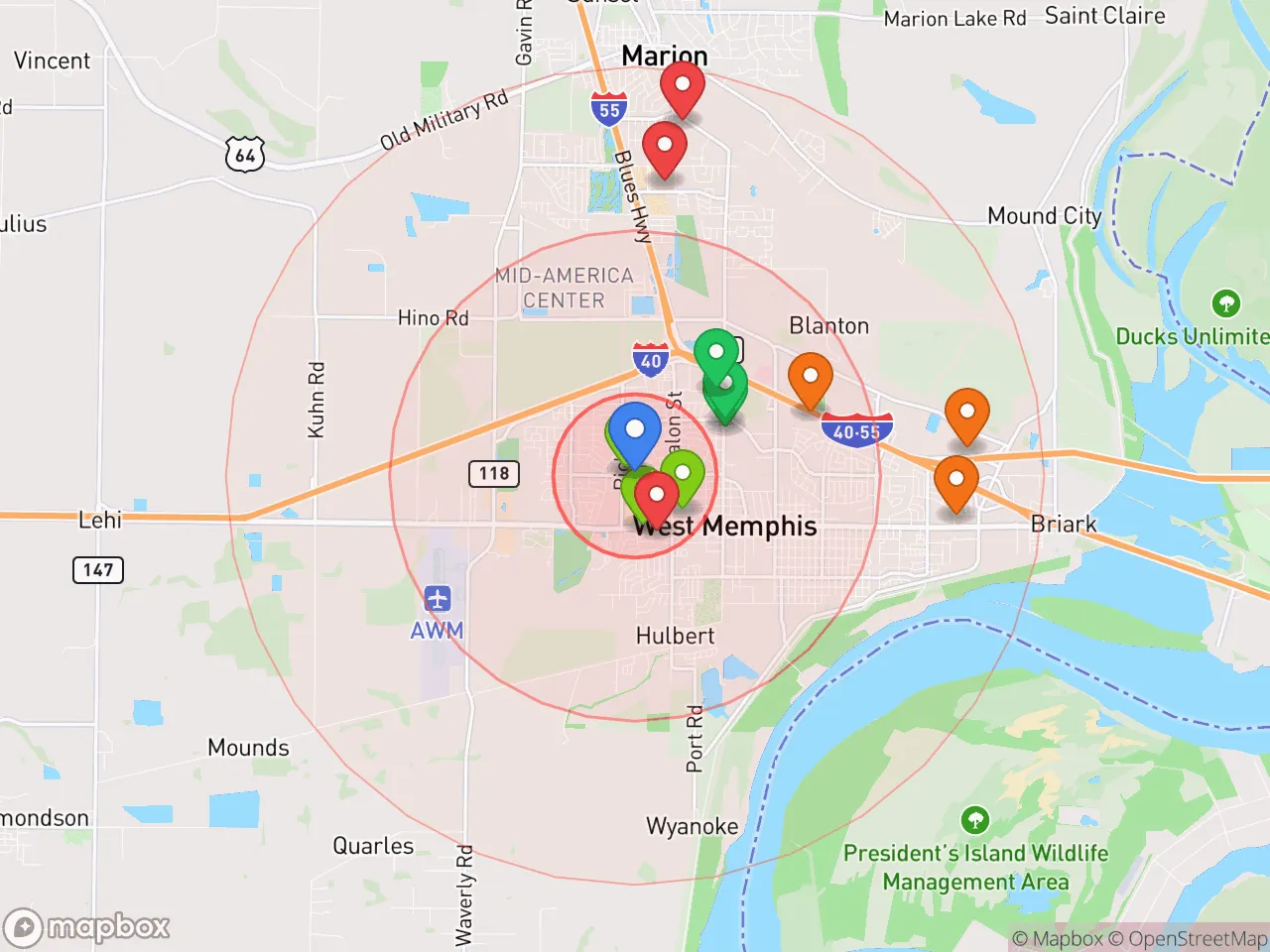
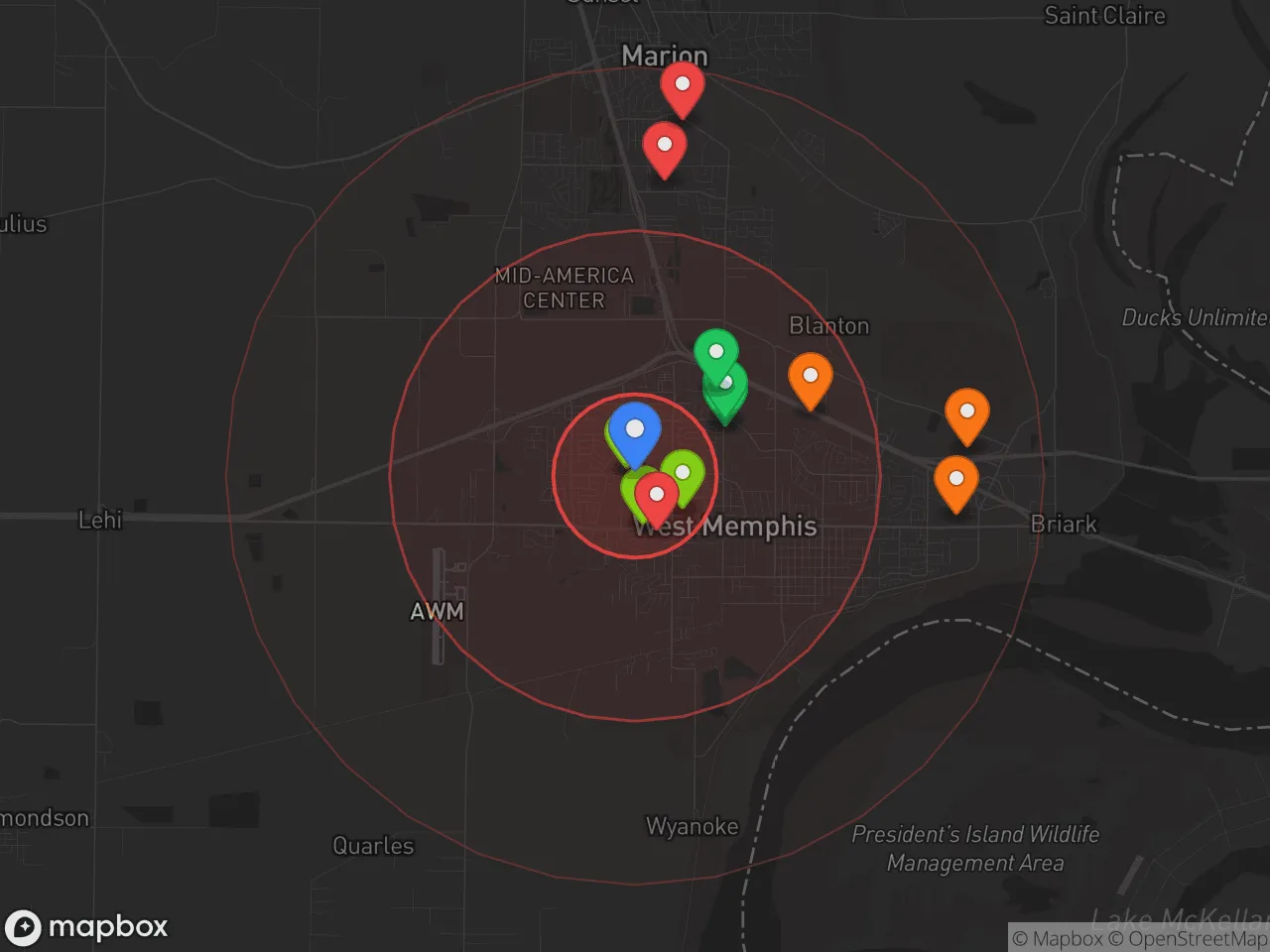
Hobbies
Explore the areaGroceries
2 within 10 miles
Gas
20 within 10 miles
Hospital
19 within 20 miles
Airport
BNA — Nashville International
Post Office
USPS — West Memphis, AR
Critical Amenities
Quality-of-Life Analysis
West Memphis, Arkansas, presents a distinctly working-class quality of life defined by its remarkably low cost of living, with a cost-of-living index of 61 (39% below the U.S. average) and a median home value of just $119,100. The population is predominantly composed of long-term residents and families who prioritize affordability over urban amenities, with a significant number of workers employed in logistics, manufacturing, and retail sectors tied to the nearby Memphis metropolitan economy. While the city lacks the affluence of its Tennessee neighbor across the Mississippi River, it offers a slower, more budget-conscious lifestyle for those who value financial breathing room over proximity to high-end shopping or entertainment.
Cost of living, housing, and affordability compared to Memphis
The most compelling reason to consider West Memphis is its extreme affordability, which stands in stark contrast to the cost pressures found just 10 miles away in Memphis, Tennessee. With a median home value of $119,100 and a median rent of $847, housing costs are roughly half of what one would pay in Memphis proper, where the median home value exceeds $200,000. This price gap is driven by lower demand, an older housing stock, and Arkansas's lower property tax rates compared to Tennessee's. The average commute time of 20.1 minutes is notably shorter than the national average of 26 minutes, a practical advantage for residents working at the region's major employers—such as the Amazon fulfillment center, McKesson Corporation, or the Big River Steel mill in nearby Osceola. However, this affordability comes with trade-offs: the local housing market has seen minimal appreciation over the past decade, and many homes require renovation, meaning buyers should budget for repairs rather than expect instant equity growth.
Local amenities, schools, and what daily life feels like
Daily life in West Memphis revolves around practical necessities rather than lifestyle luxuries. The Crittenden County School District serves the city, with West Memphis High School and Academies of West Memphis offering career-focused tracks in health sciences and manufacturing, though overall academic performance lags behind state averages. For shopping and dining, residents rely heavily on the I-40 corridor's big-box retailers and fast-food chains, while most entertainment, fine dining, and cultural events require a 15- to 20-minute drive across the bridge to Memphis's Beale Street, Overton Square, or the FedExForum. The city's own recreational offerings are limited to a few parks—such as the 40-acre Tom Sawyer RV Park and Sports Complex—and the annual Mississippi River Festival. Public safety remains a concern: West Memphis's violent crime rate is roughly double the national average, though property crime has declined since 2020 as the city has increased police patrols along the Broadway Boulevard commercial corridor. For families, the trade-off is clear: lower housing costs and a shorter commute versus limited local schools and a need to drive to Memphis for most non-essential activities.
West Memphis is best suited for budget-conscious workers in logistics, manufacturing, or retail who are employed in the Memphis metro area and want to minimize housing expenses. It also appeals to retirees on fixed incomes who prioritize low property taxes and a quiet, small-town feel over walkable amenities. Professionals seeking vibrant nightlife, top-tier schools, or rapid home appreciation will find the city frustrating, but for those whose primary goal is financial stability and a short commute to a major job market, West Memphis delivers a quality of life that few other cities near a large metro can match at this price point.

Crime in West Memphis, AR
Significantly higher crime rates than 88% of comparable U.S. locations.
Violent CrimeViolent Crime Analysis
Property CrimeProperty Crime Analysis
Crime Analysis
West Memphis, Arkansas, reports a violent crime rate of 1,788.9 per 100,000 residents and a property crime rate of 3,496.2 per 100,000, placing it among the most dangerous small cities in the Mid-South. These figures are significantly elevated compared to both Arkansas state averages and national benchmarks, reflecting systemic public safety challenges that prospective residents should weigh carefully. The city’s proximity to Memphis, Tennessee, and its position along the I-40/I-55 corridor contribute to crime patterns that blend local and regional dynamics.
Crime in context
West Memphis’s violent crime rate is roughly 4.5 times higher than the national average (approximately 380 per 100K) and well above Arkansas’s state rate of about 530 per 100K. Property crime in West Memphis, at 3,496.2 per 100K, also exceeds the national average of roughly 1,950 per 100K and the Arkansas average of about 2,800 per 100K. These disparities are not outliers for the region: neighboring Memphis, Tennessee, has long struggled with elevated crime rates, and West Memphis’s role as a transportation and logistics hub—with heavy truck traffic, transient populations, and multiple interstate exits—creates opportunities for theft, drug trafficking, and violent confrontations. The city’s police department has historically been understaffed relative to its call volume, which can delay response times and reduce proactive patrols.
What residents experience
For those living in West Memphis, the high crime rates translate into tangible daily concerns. Aggravated assault and robbery are the most common violent offenses, often concentrated near commercial corridors like East Broadway Avenue and the interstate exchange areas. Property crime, particularly motor vehicle theft and burglary, is pervasive; residents frequently report stolen vehicles from driveways and break-ins at unoccupied homes. The city’s justice system operates within Crittenden County, where prosecutorial and judicial philosophies have shifted toward progressive, offender-focused approaches in recent years. This means that many property and drug offenders receive diversion programs, reduced charges, or early release rather than incarceration—a pattern that, while intended to reduce recidivism, often results in repeat offenders cycling back into the community quickly. Victims of crime in West Memphis may find that cases take months to adjudicate and that sentences are lighter than in more conservative jurisdictions, which can feel like a secondary injustice.
Neighborhood-level variation
Safety in West Memphis is not uniform. The western neighborhoods near the Mississippi River levee and the newer subdivisions along Arkansas 77 tend to have lower crime densities, while the central and eastern parts of the city—especially around the historic downtown and the industrial zones—see the highest incident rates. Gated apartment complexes and homes with private security systems report fewer property crimes, but no area is immune. Residents considering a move should consult the West Memphis Police Department’s online crime map, speak with local real estate agents about block-by-block trends, and factor in the cost of comprehensive renters’ or homeowners’ insurance, which is often higher here than in the rest of Crittenden County. The safest choice may be to live in a nearby suburb like Marion or Crawfordsville and commute into West Memphis for work, rather than residing within the city limits.
* Values derived from national, state, county, city and local statistics and may differ in a specific area. Last updated: 2026-04-21T07:16:41.000Z
Narrative content on this page is AI-generated and may contain mistakes. Verify any details that matter before acting on them.
ReloMaps may earn a commission from affiliate links at no extra cost to you.

