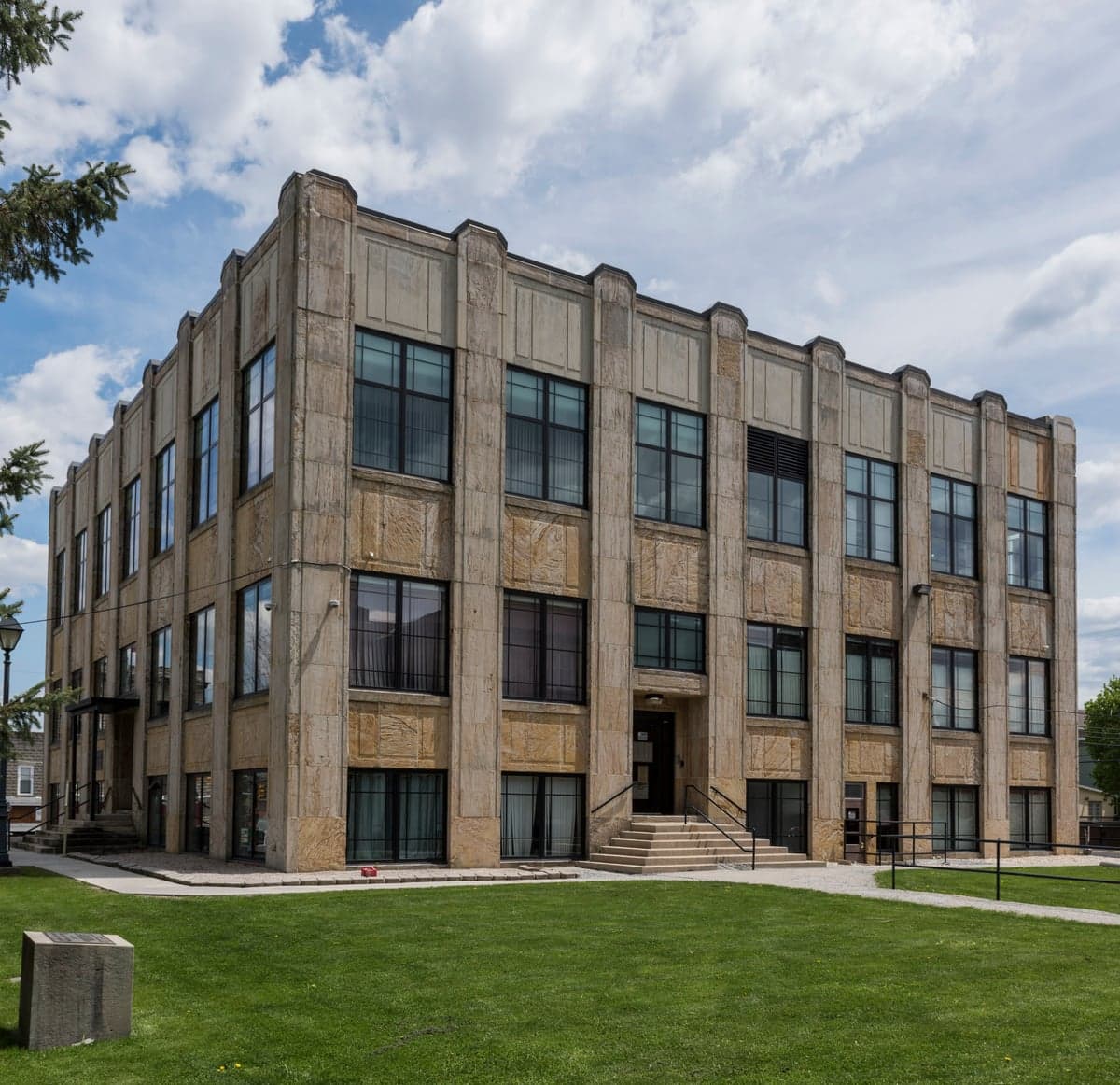
Photo: Wikipedia
Demographics of Preston County
Affluence Level in Preston County
A below-average socioeconomic profile. Incomes, home values, and educational attainment trail the U.S., with higher poverty and unemployment.
People of Preston County
Preston County, West Virginia is home to 34,204 residents, a population that remains overwhelmingly white (89.3%) and native-born (98.9% U.S.-born), with a distinctive Appalachian identity rooted in Scots-Irish and German settlement. The county’s character is rural, family-oriented, and politically conservative, with a median age of 44.7 years and a college attainment rate of just 17.9%, reflecting its historical reliance on extractive industries and small-scale agriculture. Unlike many parts of the Mountain State, Preston County has not experienced the same degree of population loss as its southern neighbors, maintaining a stable if slowly aging demographic profile. For those considering relocation, the county offers a tight-knit, low-crime environment where generational ties to the land remain strong.
Settlement & growth (pre-1960)
Before European settlement, the area now known as Preston County was part of the hunting grounds of the Monongahela culture, a pre-Columbian Native American group, and later used seasonally by the Shawnee and Lenape peoples. The region was sparsely populated by Indigenous groups when the first European explorers arrived in the mid-1700s, as it lay within the contested frontier between French and British claims. The Treaty of Fort Stanwix (1768) opened the land to colonial settlement, and the first permanent European settlers—primarily Scots-Irish and German families—began arriving in the 1770s, pushing up the Cheat River and its tributaries.
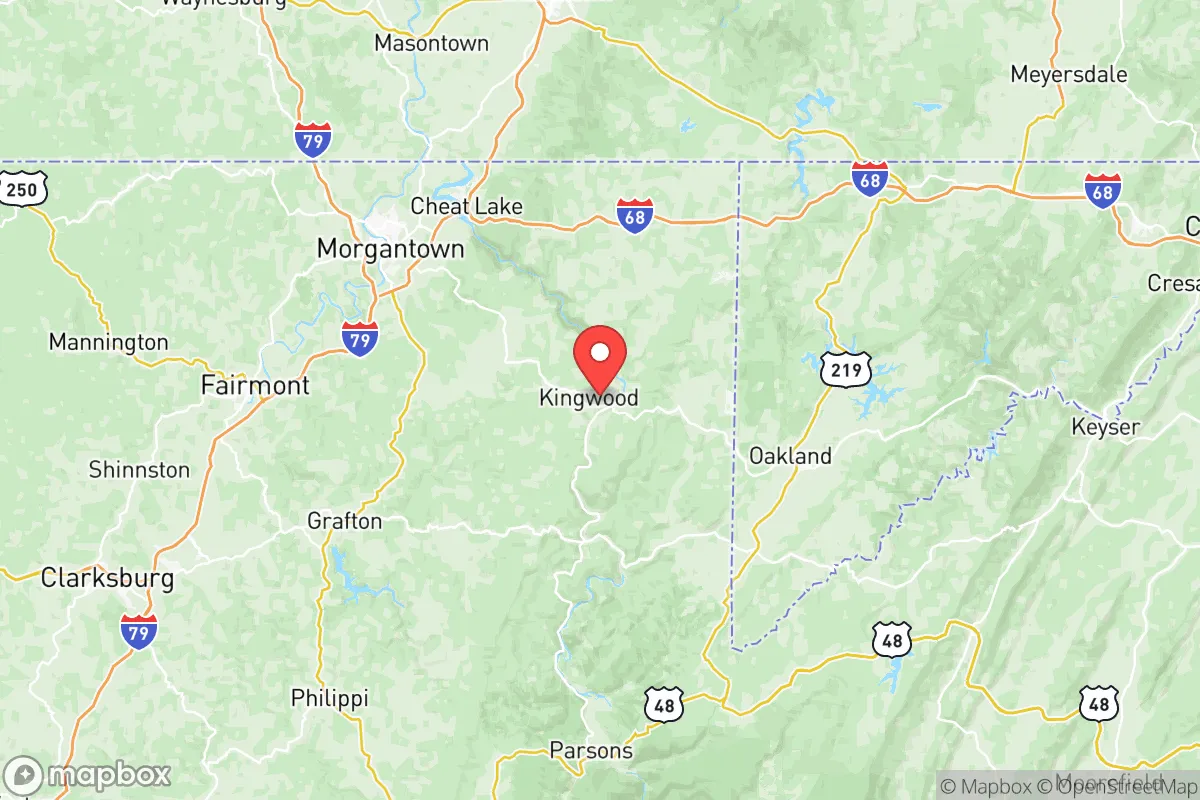
The earliest settlements clustered along the Cheat River and its branches, with Kingwood (established 1811) becoming the county seat after Preston County was formed from Monongalia County in 1818. The Scots-Irish, who dominated the initial wave, were drawn by the promise of cheap, fertile land in the Appalachian valleys and a desire to escape religious and economic pressures in Ulster. They were followed by German farmers from Pennsylvania and Maryland, who settled in the Albright and Reedsville areas, bringing with them a tradition of mixed farming and Lutheran church communities. By the 1830s, the county’s population had grown to roughly 5,000, with the economy centered on subsistence agriculture, gristmills, and small-scale iron forges.
The arrival of the Baltimore and Ohio Railroad in the 1850s transformed Preston County. The railroad opened the region’s vast bituminous coal seams and timber stands to outside markets, triggering a boom that lasted into the early 20th century. Mining camps and company towns sprang up along the rail line, most notably in Tunnelton, Rowlesburg, and Newburg, drawing a new wave of immigrants: Italians, Poles, and Hungarians arrived between 1880 and 1910 to work the mines and lay track. These groups formed small ethnic enclaves, with Catholic parishes and fraternal societies emerging in the mining towns. The county’s population peaked at 27,555 in 1910, then fluctuated as the coal industry mechanized and timber resources were depleted. The Great Depression hit hard, but the county avoided the catastrophic out-migration seen in southern West Virginia, as many families returned to subsistence farming and small-scale dairy operations.
World War II and the post-war era brought modest change. The construction of the Cheat Lake area (now part of the Morgantown metro) began attracting some commuters, but Preston County remained overwhelmingly rural and white. The African American population, which had never exceeded 2% historically, consisted largely of families who had moved into the county during the coal boom and settled in Kingwood and Masontown, working as miners and domestic laborers. By 1960, the county’s population was 25,610, with 98% white and virtually no foreign-born residents.
Modern era (post-1965)
The 1965 Hart-Cellar Act had minimal direct impact on Preston County. The foreign-born population today stands at just 1.1%, one of the lowest rates in West Virginia and the nation. Unlike urban areas that saw waves of new immigration from Asia, Latin America, and Africa, Preston County’s demographic story since 1965 has been one of domestic out-migration and aging in place. The county’s population grew slowly from 25,610 in 1960 to 34,204 in 2020, driven almost entirely by natural increase (births minus deaths) and a small number of retirees relocating from the Pittsburgh and Washington, D.C. metro areas.
The most notable demographic shift has been the modest growth of the Black population, which now stands at 6.4%—a figure that is higher than the state average (3.6%) and reflects the presence of the Hazelton federal prison complex (opened 2002) and the West Virginia University commuter influence. The Black community is concentrated in Kingwood and Bruceton Mills, with many families having roots in the coal-mining era. The Hispanic population (1.9%) and East/Southeast Asian population (0.1%) remain negligible, with most Hispanic residents working in agriculture or construction and living in the Reedsville and Masontown areas. The Indian subcontinent population (0.1%) is virtually nonexistent, limited to a handful of professionals associated with WVU or the prison system.
Suburbanization has been limited. The county’s proximity to Morgantown (home to West Virginia University) has created a small commuter belt in the Cheat Lake and Brookhaven areas, but these remain unincorporated and lack the planned subdivisions seen in suburban counties. The county’s college attainment rate of 17.9% (compared to 33% nationally) reflects the absence of a large professional class; most residents work in education, healthcare, retail, and the energy sector. The coal industry has declined sharply since 2010, but natural gas extraction (Marcellus Shale) has provided some economic offset, particularly in the northern part of the county around Independence and Newburg.
The future
Preston County’s population is projected to remain stable or decline slightly over the next 10-20 years, mirroring West Virginia’s broader demographic trajectory. The county’s median age of 44.7 (compared to 38.8 nationally) and birth rate below replacement suggest continued aging, with the 65+ population expected to grow from roughly 20% to 25% by 2040. The foreign-born share is unlikely to rise significantly, as the county lacks the job diversity and housing stock to attract immigrants. The Black population may grow modestly if the prison complex expands, but this will not fundamentally alter the county’s racial composition.
The most significant demographic trend is the in-migration of retirees and remote workers from the Mid-Atlantic, drawn by low housing costs (median home value $120,000) and proximity to outdoor recreation in the Cheat River and Coopers Rock State Forest. These newcomers, often more educated and politically moderate, are beginning to cluster in the Kingwood and Albright areas, creating a subtle cultural tension with long-term residents. The county’s Hispanic population may grow slowly as agricultural labor demand persists, but it will remain a small fraction of the total.
Preston County is becoming a stable, aging, and slightly more diverse place, but the changes are incremental. The county will remain overwhelmingly white, native-born, and conservative, with a culture rooted in Appalachian self-reliance and family ties. For someone moving in now, the county offers a predictable, low-cost, and safe environment, but one where the population is slowly shrinking and the economy is transitioning away from its historic reliance on coal. The key question for newcomers is whether they value the county’s stability and natural beauty enough to accept its limited economic and cultural dynamism.

* Values derived from national, state, county, city and local statistics and may differ in a specific area. Last updated: 2026-06-12T02:48:47.000Z
Narrative content on this page is AI-generated and may contain mistakes. Verify any details that matter before acting on them.
ReloMaps may earn a commission from affiliate links at no extra cost to you.

