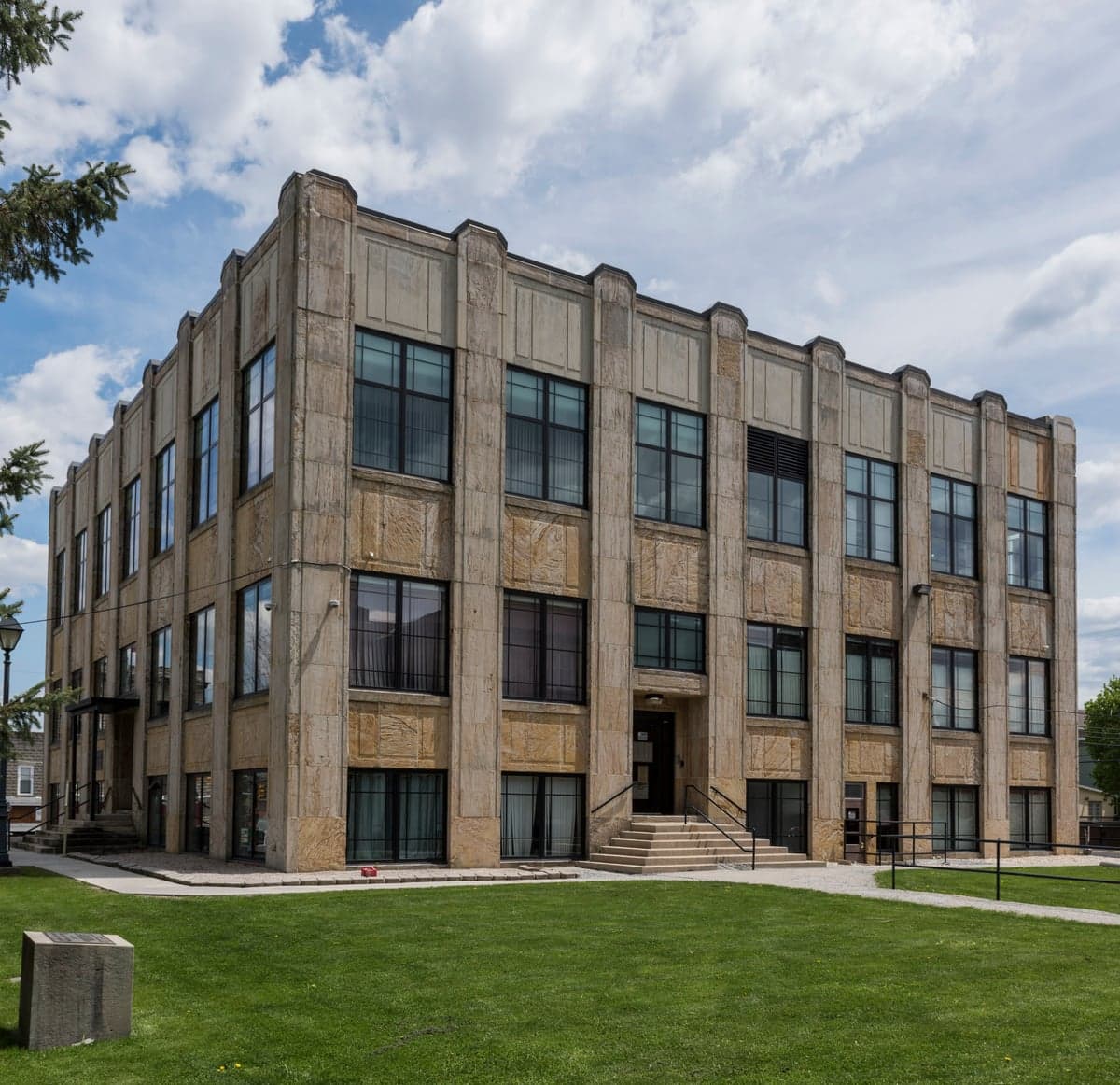
Photo: Wikipedia
Personal Sovereignty in Preston County
Viable for self-reliance. Generally workable, though some barriers may limit total independence.
What does Personal Sovereignty tell us?
Personal Sovereignty measures your capacity for self-reliance and independence with minimal government friction. Higher scores mean fewer barriers between you and the way you want to live... but it assumes you have the space you need and good neighbors.
What does this tell us?
Personal Sovereignty measures your capacity for self-reliance and independence with minimal government friction. Higher scores mean fewer barriers between you and the way you want to live... but it assumes you have the space you need and good neighbors.
State Policy
Energy independence: Net exporter (200% of energy produced in-state)
Personal Liberty
Homesteading

Personal Liberty Analysis
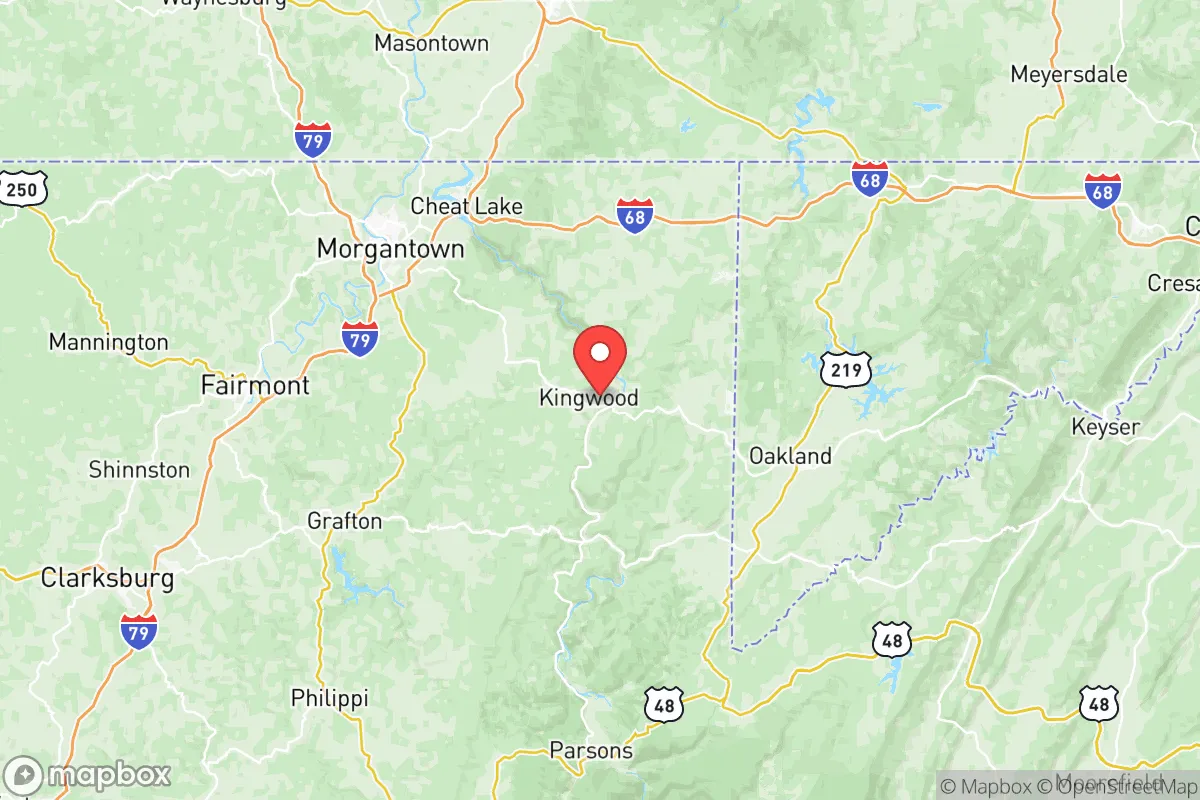
Preston County, West Virginia offers one of the strongest personal sovereignty environments in the Mid-Atlantic, combining a light regulatory touch with a deeply ingrained culture of self-reliance. Located in the Appalachian foothills along the Maryland border, the county’s roughly 34,000 residents enjoy a legal and practical framework that prioritizes individual autonomy over government oversight. For relocation-minded readers who value personal freedom—whether in financial decisions, self-defense, or lifestyle choices—Preston County represents a deliberate departure from the more restrictive policies found in neighboring states like Maryland and Pennsylvania.
Tax burden and regulatory posture: How Preston County compares to surrounding areas
West Virginia’s state-level tax structure is notably favorable for those seeking to keep more of their earnings. The state imposes a flat personal income tax rate of 3.99% as of 2026, with no local income tax in Preston County. Property taxes are among the lowest in the nation, with effective rates typically ranging from 0.5% to 0.7% of assessed value—a fraction of what homeowners pay in nearby Garrett County, Maryland (around 1.1%) or Fayette County, Pennsylvania (roughly 1.5%). Sales tax in Preston County is 7%, which includes the state’s 6% rate plus a 1% county option. The regulatory posture at the county level is decidedly light-touch. Zoning is minimal outside the incorporated towns of Kingwood, Masontown, and Tunnelton, where basic land-use rules exist. In unincorporated areas like Bruceton Mills or Albright, residents face few bureaucratic hurdles for building, operating a home business, or keeping livestock. The county commission generally defers to property owners, and permitting processes for structures or septic systems are straightforward compared to urban or suburban jurisdictions.
Self-defense and gun law specifics: What the Second Sanctuary designation means
Preston County is a stronghold for firearm rights, reinforced by West Virginia’s constitutional carry law, which has been in effect since 2016. No permit is required to carry a concealed firearm for anyone legally allowed to possess one. The county commission passed a Second Amendment Sanctuary resolution in 2020, signaling that local resources will not be used to enforce federal gun laws deemed unconstitutional. This stance is widely supported by residents in communities like Reedsville and Newburg, where gun ownership is nearly universal. Stand-your-ground laws apply statewide, with no duty to retreat in any place where a person has a legal right to be. Background checks are required only for dealer sales; private transfers between individuals are unrestricted. For those moving from states with magazine capacity limits or assault weapon bans, Preston County offers a complete absence of such restrictions. The local sheriff’s office in Kingwood processes concealed carry permits for reciprocity purposes, though the permit is optional for in-state carry. The overall environment is one of maximum personal discretion in self-defense choices.
Self-reliance and homesteading viability: Lot sizes, zoning, and off-grid feasibility
Homesteading and off-grid living are not just possible in Preston County—they are a defining feature of the area. Minimum lot sizes in unincorporated areas are typically 1 to 3 acres for a single-family home, though many parcels available for purchase range from 5 to 50 acres. In towns like Kingwood and Masontown, smaller lots (0.25 to 1 acre) are common, but the county’s rural character means most residents have space for gardens, small livestock, and woodlots. Zoning is virtually nonexistent outside incorporated limits; there are no county-wide restrictions on keeping chickens, goats, or even larger animals like horses or cattle on residential parcels. Off-grid systems are feasible, though they require compliance with state health department regulations for septic and water. Solar panels, rainwater collection, and composting toilets are legal and increasingly common, especially in remote areas near Bruceton Mills and Tunnelton. The county does not impose building codes on owner-occupied single-family homes in unincorporated areas, though electrical and plumbing work must meet basic safety standards if a permit is pulled. For those seeking true self-reliance, Preston County’s combination of affordable land (median price per acre around $3,000–$5,000), minimal regulation, and a supportive community of homesteaders makes it one of the most viable options east of the Mississippi.
Personal liberties: Parental rights, medical autonomy, speech, and property
West Virginia law generally respects parental rights in education and healthcare decisions. The state has a Parental Bill of Rights that affirms parents’ authority to direct their children’s upbringing, including the right to opt out of specific curriculum content. Medical autonomy is less codified than in some Western states, but Preston County’s conservative culture means that vaccine mandates and public health orders are met with skepticism. During the COVID-19 pandemic, the county commission publicly opposed state-level mandates, and many businesses and schools in Reedsville and Albright operated with minimal restrictions. Free speech protections are robust, with no local ordinances limiting public expression beyond standard nuisance laws. Property rights are strongly protected; eminent domain is rarely used, and the county’s assessor’s office is known for reasonable valuations. There is no county-level business licensing requirement for most home-based enterprises, and short-term rentals (like Airbnb) are permitted without special permits in unincorporated areas. The overall legal climate favors individual discretion over government intervention, particularly in the rural stretches between Newburg and Masontown.
Compared to nearby regions in Maryland, Pennsylvania, or Virginia, Preston County offers a markedly higher degree of personal sovereignty. The combination of low taxes, minimal zoning, constitutional carry, and a culture that prizes self-reliance creates an environment where individuals and families can live largely on their own terms. For those relocating from more regulated states, the adjustment is significant—and for many, it is precisely the point. Preston County is not a place for those seeking government services or oversight; it is a place for those who prefer to manage their own affairs, with the legal and practical space to do so.

* Values derived from national, state, county, city and local statistics and may differ in a specific area. Last updated: 2026-06-12T02:48:47.000Z
Narrative content on this page is AI-generated and may contain mistakes. Verify any details that matter before acting on them.
ReloMaps may earn a commission from affiliate links at no extra cost to you.

