
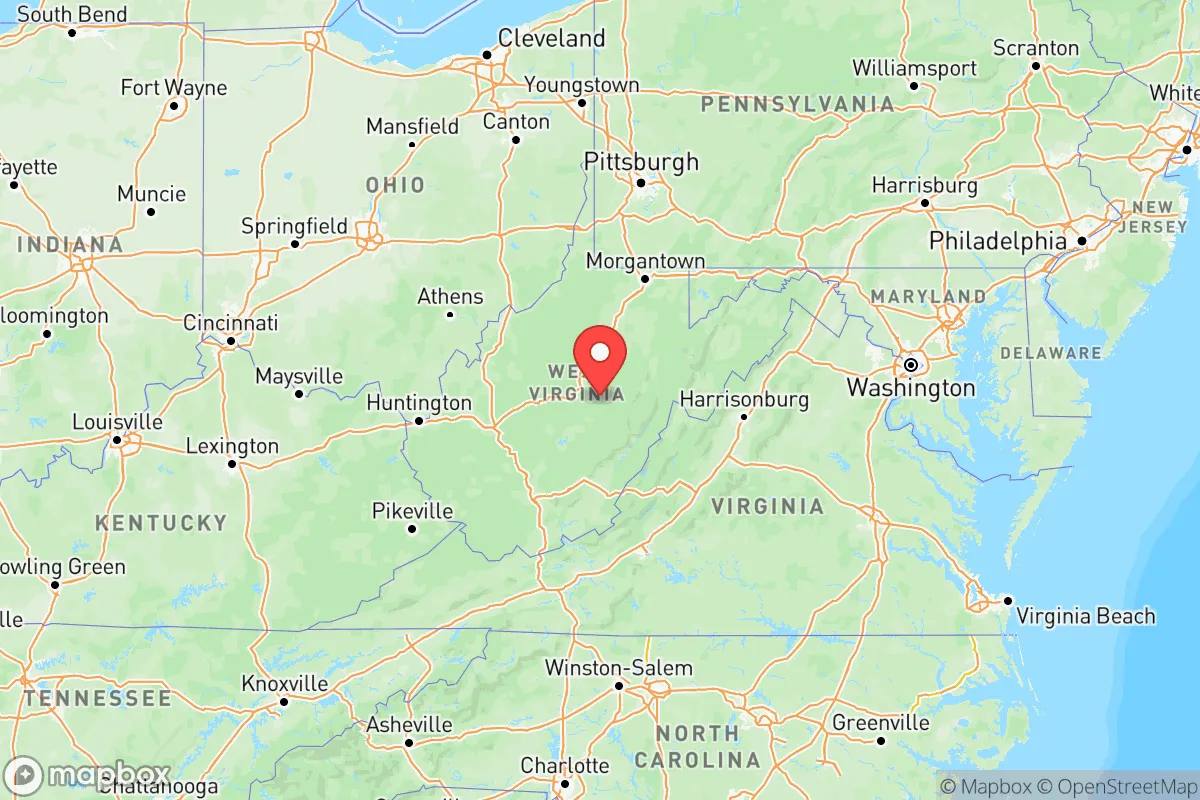
Photo: Wikipedia
Strategic Assessment of West Virginia
Workable tactical position. Some exposure to population density or targets, but generally defensible in a crisis.
What does the Strategic Assessment tell us?
Our Strategic Assessment grades tactical survivability of an area. Major population centers, military targets, fallout zones, natural disasters, and border exposure all drive risk — lower exposure means a more defensible position in a crisis.
This is heavily inspired by Joel Skousen's Strategic Relocation book. Highly recommended you checkout the book ($)What does this tell us?
Our Strategic Assessment grades tactical survivability of an area. Major population centers, military targets, fallout zones, natural disasters, and border exposure all drive risk — lower exposure means a more defensible position in a crisis.
This is heavily inspired by Joel Skousen's Strategic Relocation book. Highly recommended you checkout the book ($)Regional Safe Places
Below is our recommended "safe zones" in West Virginia and the surrounding area based on our strategic heuristics. For most people, it's unrealistic to live in a “safe zone” full-time due to work, family or other personal reasons. They tend to be more rural. However, many of these areas are perfect for second homes and retreat properties that double as a vacation home or even a short-term rental.
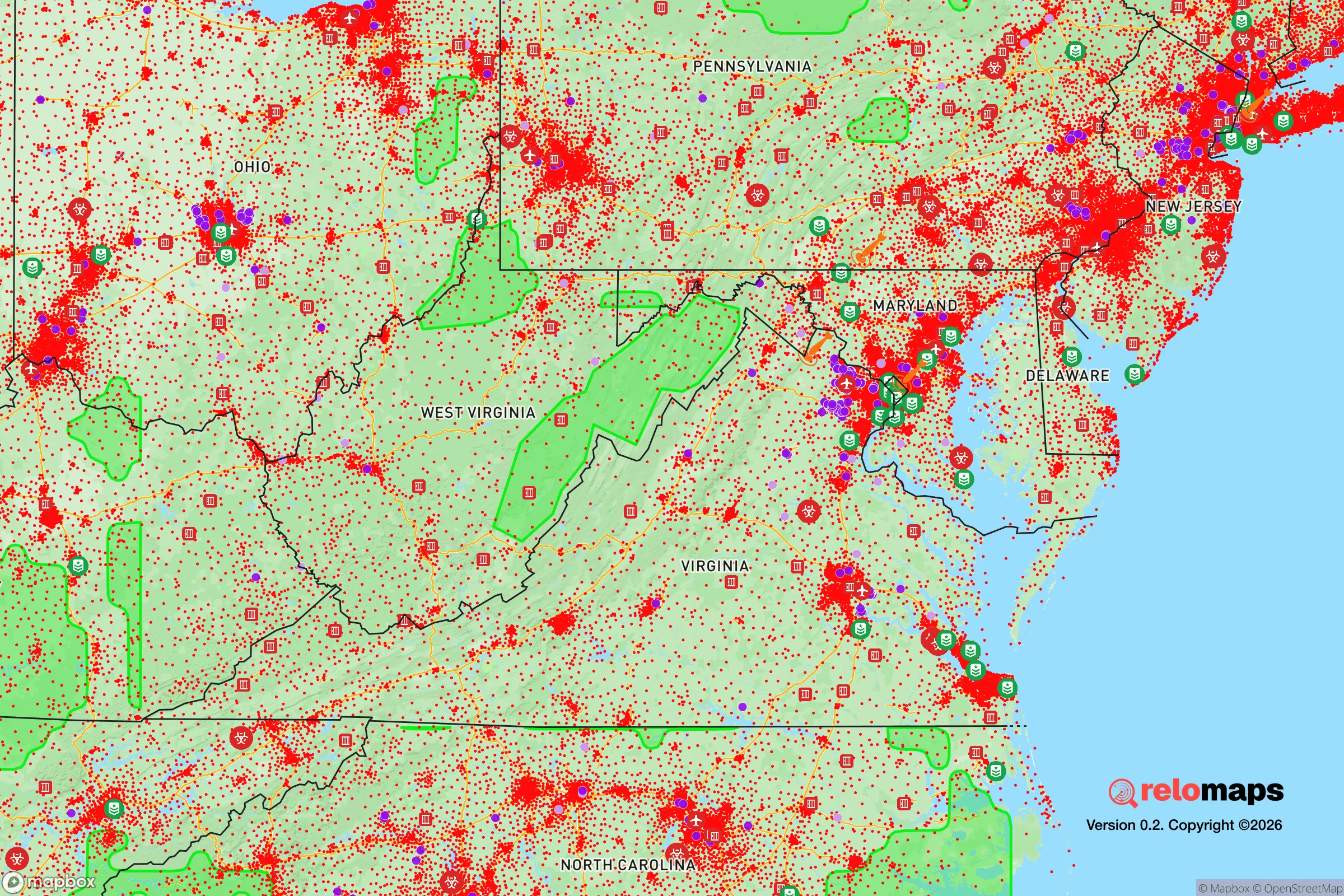
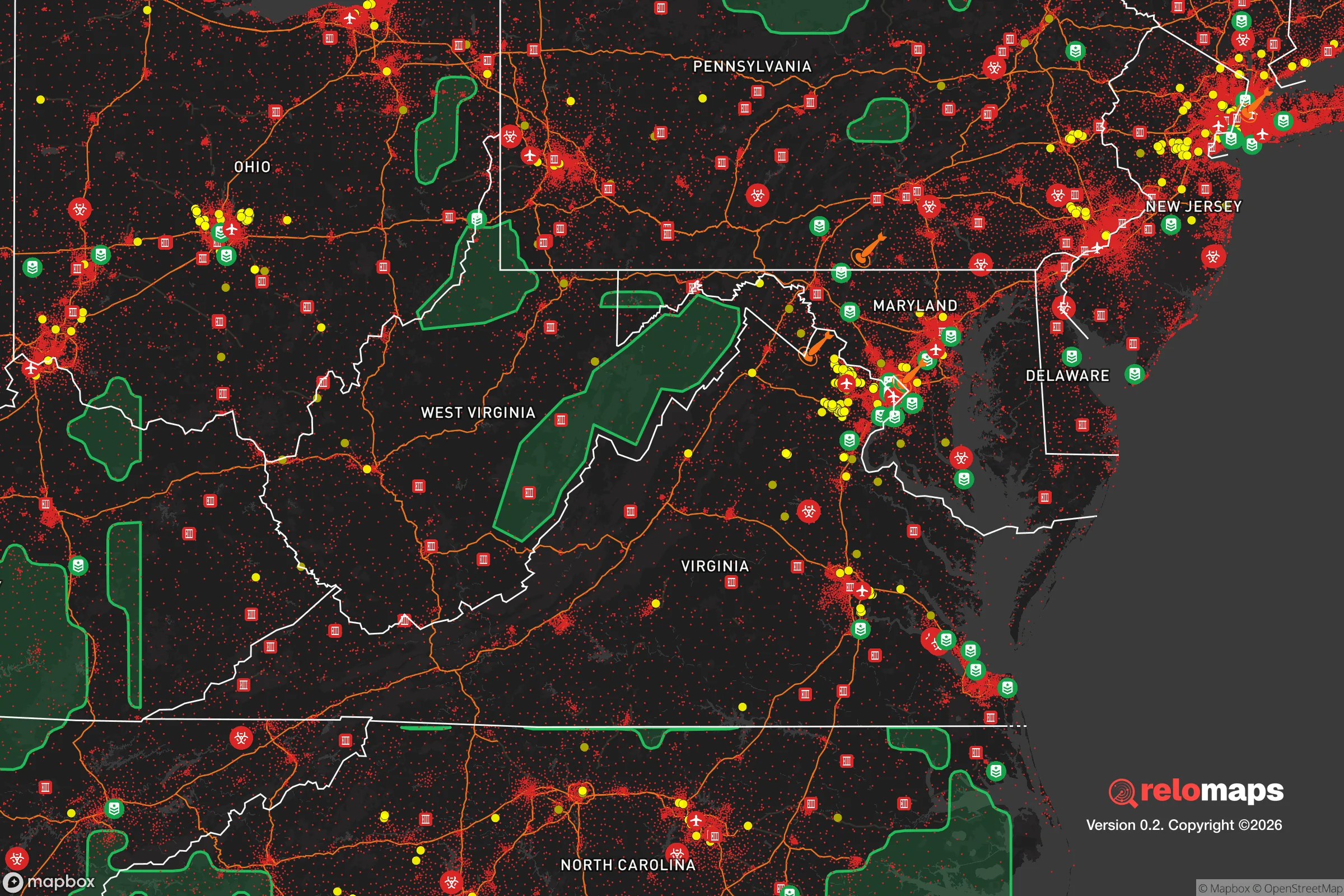


Important Note: For informational purposes only. This does not mean nothing bad ever happens in the green zones. Please use common sense. This is based on public data and modeled with AI. We tried to take a conservative approach but mistakes happen. We update this regularly as new information becomes available.
Solar Generator Recommendations
Backup power matters more here than in safer locations. We've picked three solar generators across budgets and capacity tiers — start with the budget unit if you only need a few essentials, or step up if you want to run a fridge and HVAC for days at a time.

Jackery Portable Power Station Explorer 300
Budget OptionPower on the Go: Weighing only 11 lbs, it's convenient to set up and store with book-sized foldable solar panels

BLUETTI Portable Power Station AC180
Designed for both indoor and outdoor scenarios, AC180 is highly capable as it has a robost capacity and continuous output power.

EF ECOFLOW DELTA Pro Ultra Power Station
Upgraded PickEcoFlow DELTA Pro Ultra is a whole-home energy system designed to grow with your family. Integrated with the Smart Home Panel 2, it scales to meet your evolving energy needs — keeping your home powered, intelligent, and secure through every stage of life.
We earn a commission, at no additional cost to you.
Strategic Assessment Analysis
West Virginia offers a compelling mix of geographic isolation, abundant natural resources, and low population density that makes it one of the more strategically resilient states in the eastern U.S. for relocators prioritizing disaster readiness and self-sufficiency. Its position within the Appalachian Mountain range provides natural barriers against many threats, while its distance from major coastal population centers and critical infrastructure targets reduces exposure to fallout-related risks. For a conservative-leaning audience thinking seriously about long-term preparedness, West Virginia presents a viable balance of accessibility and defensibility, though it is not without its own vulnerabilities.
Geographic position and natural advantages for long-term security
West Virginia's location in the heart of the Appalachian Mountains gives it significant strategic advantages. The state is roughly equidistant from the East Coast megalopolis and the Midwest industrial corridor, placing it outside the immediate blast and fallout zones of high-value targets like Washington D.C., New York City, or the Ohio chemical belt. The mountainous terrain itself serves as a natural buffer; the Allegheny and Blue Ridge ranges create numerous valleys and hollows that can limit the spread of airborne contaminants and provide defensible positions. Key towns like Elkins in the east and Lewisburg in the southeast sit in protected valleys with limited through-traffic, making them harder to access for large-scale disruption. The state also contains the Monongahela National Forest, a 921,000-acre expanse of remote wilderness that offers both resources and seclusion. For a relocator, the ability to reach a secure, low-target area within a few hours of major East Coast cities — while still being removed from them — is a rare and valuable combination.
Risks, exposures, and proximity to fallout-relevant landmarks
While West Virginia avoids many of the worst-case scenarios tied to coastal hurricanes and nuclear targets, it is not immune to risk. The state's industrial history leaves a legacy of chemical plants and energy infrastructure that could become secondary targets or hazards. The Kanawha Valley, stretching from Charleston to South Charleston, is home to one of the largest concentrations of chemical manufacturing in the United States, including facilities that produce chlorine and other hazardous materials. A major incident at these plants — whether from accident, sabotage, or cascading infrastructure failure — could render downwind areas temporarily uninhabitable. Similarly, the Pleasants Power Station near Willow Island and the Mount Storm Power Station in Grant County are coal and natural gas facilities that, while not prime nuclear targets, could be vulnerable to grid collapse or cyberattacks. The state also has several dams, including the Summersville Dam and Bluestone Dam, whose failure during a seismic event or sustained neglect could threaten downstream communities. On the positive side, West Virginia has no major military bases, no nuclear power plants within its borders, and no major ports or refineries that would draw a first-strike scenario. The nearest significant military installation is Fort Liberty (formerly Fort Bragg) in North Carolina, roughly 250 miles away, placing the state well outside the immediate fallout radius of a conventional or nuclear attack on that base.
Practical resilience for a relocator: food, water, energy, and defensibility
West Virginia's practical resilience is where it truly stands out for a self-sufficiency-minded relocator. The state has some of the highest per-capita rates of private well water usage in the country, meaning many rural properties are not dependent on municipal water systems that could fail during a crisis. The mountainous terrain also provides abundant natural springs and surface water sources, though testing and filtration are essential due to historical mining runoff. For food security, the state's agricultural capacity is modest but real: the eastern panhandle around Berkeley Springs and Jefferson County supports small-scale farming, orchards, and livestock operations, while the central and southern regions have a strong tradition of hunting, foraging, and home gardening. The Greenbrier Valley is particularly known for its fertile limestone soils and established homesteading community. Energy resilience is another strong point: West Virginia is the second-largest coal producer in the U.S. and a significant natural gas producer, meaning local fuel supplies are abundant even if the grid falters. Many rural homes already use wood stoves for heating, and the state's forests provide a virtually limitless supply of firewood. Defensibility is inherent in the topography: narrow winding roads, steep ridges, and limited choke points make it difficult for large groups to move through the state quickly. A well-chosen property in a hollow or on a ridge with a single access road offers natural security that flatland states cannot match. However, relocators should be aware that the same terrain that provides defensibility also complicates evacuation and supply routes, especially during winter storms or flooding events.
The overall strategic picture for West Virginia is one of high potential with manageable trade-offs. It offers some of the best natural defensive geography east of the Mississippi, abundant energy and water resources, and a culture that still values self-reliance and community preparedness. The primary risks are localized industrial hazards in the Kanawha Valley and the vulnerability of aging infrastructure like dams and power plants. For a relocator willing to choose a property carefully — avoiding the chemical corridor and flood-prone valleys while prioritizing access to spring water, forest resources, and defensible terrain — West Virginia represents one of the more rational options for long-term resilience in the eastern United States. It is not a perfect fortress, but it is a strong, practical choice for those who take preparedness seriously.

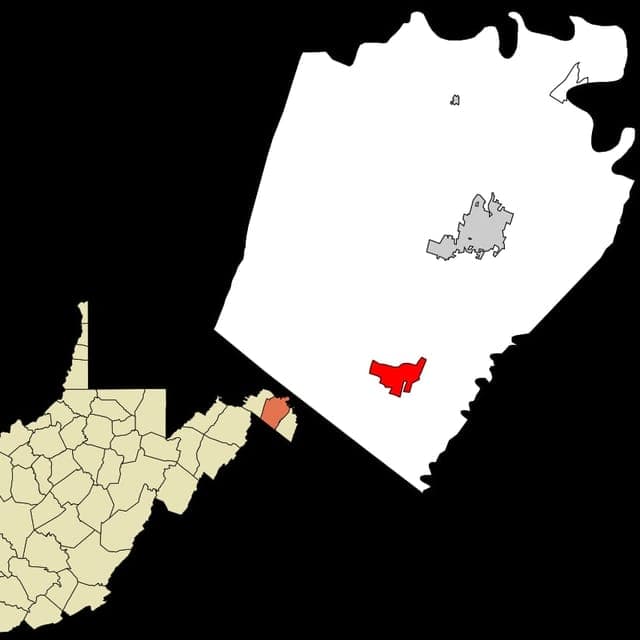
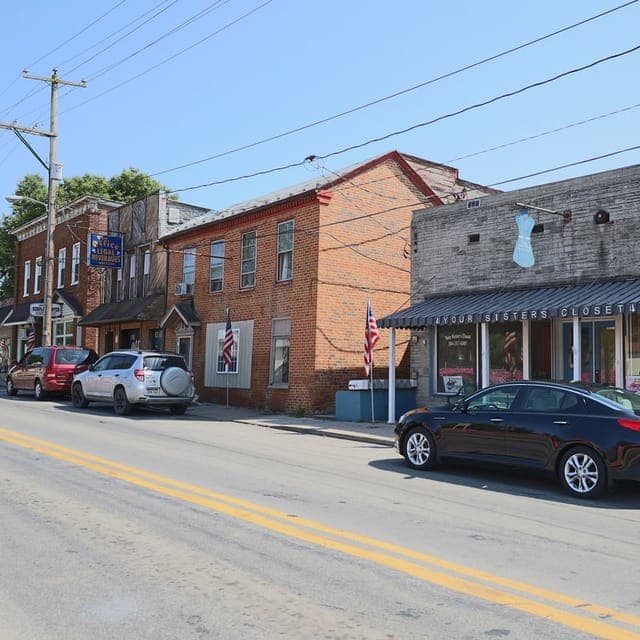
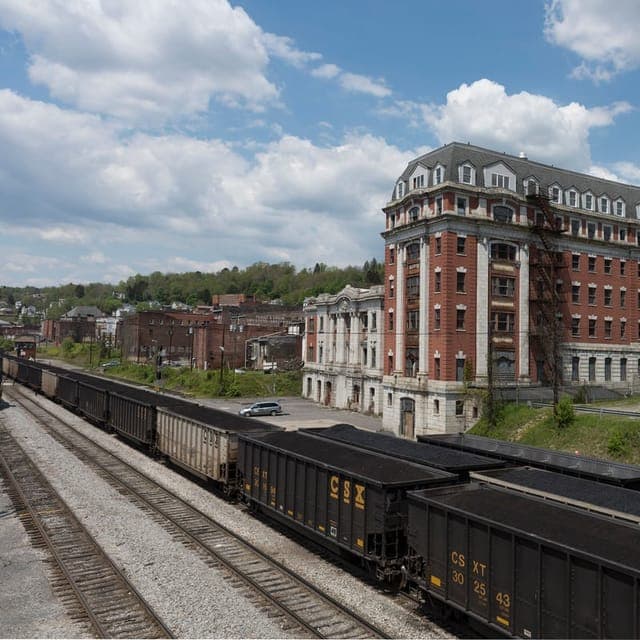
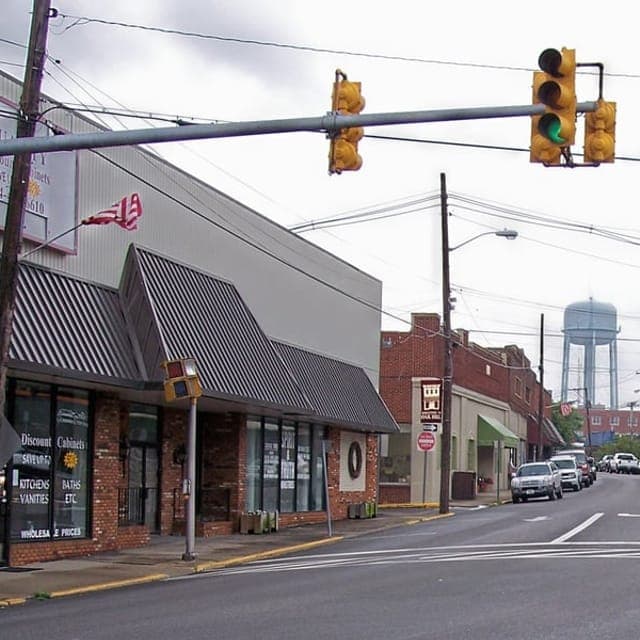
Top 10 Cities by Strategic Assessment in West Virginia
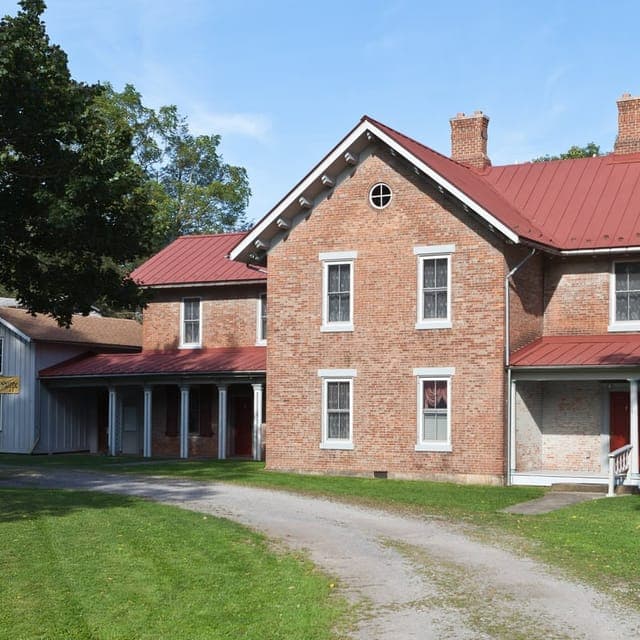
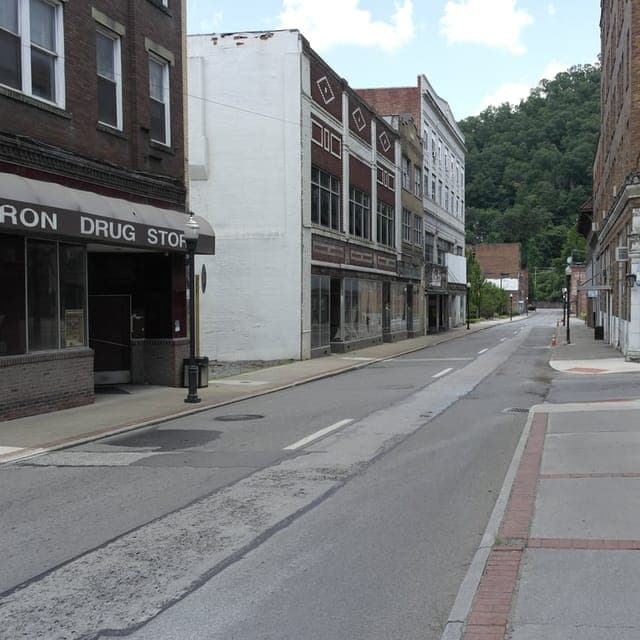
* Values derived from national, state, county, city and local statistics and may differ in a specific area. Last updated: 2026-07-03T16:27:19.000Z
Narrative content on this page is AI-generated and may contain mistakes. Verify any details that matter before acting on them.
ReloMaps may earn a commission from affiliate links at no extra cost to you.

