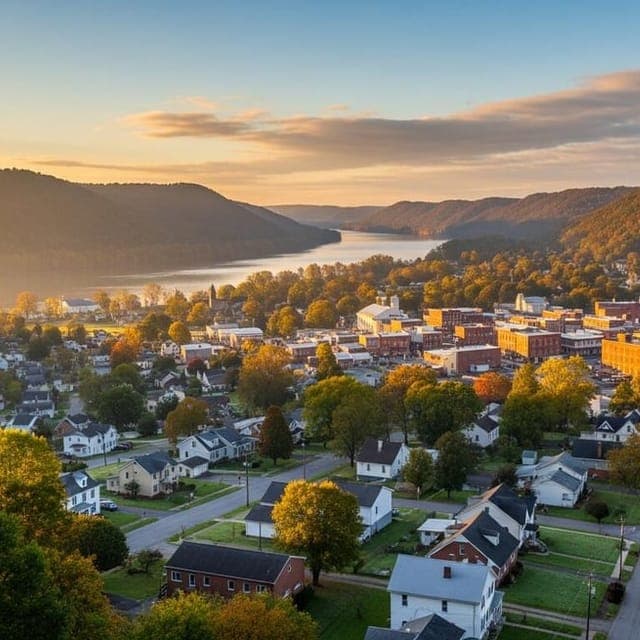
Photo: Wikipedia
Quality of Life in West Virginia
A livable area that tracks near national norms for affordability, walkability, and neighborhood health.
What does Quality of Life tell us?
Quality of Life measures an area by evaluating factors like cost of living, nearby amenities, country club access, airport proximity, socioeconomic signals and neighborhood character. For large states, this is a general average — quality of life can vary dramatically between metro areas, suburbs, and rural communities within the same state.
What does this tell us?
Quality of Life measures an area by evaluating factors like cost of living, nearby amenities, country club access, airport proximity, socioeconomic signals and neighborhood character. For large states, this is a general average — quality of life can vary dramatically between metro areas, suburbs, and rural communities within the same state.
Cost of Living
34% below national average
130%
The Real Cost of Living in West Virginia for 2026
| Tier | Individual | Family (4) |
|---|---|---|
| Survival | $14k | $26k |
| Comfortable | $30k | $44k |
| Luxury | $105k+ | $162k+ |
| Elite (Top 5%) | $127k+ | $197k+ |
Quality-of-Life Analysis
West Virginia offers a remarkably broad spectrum of quality-of-life options, from dense urban centers to remote mountain hollows, all within a state where the cost of living index sits at 66 (well below the US average of 100). With a median home value of $155,600 and median rent of $850, the financial threshold for entry is low across the board, but the lifestyle trade-offs between a downtown Charleston loft and a farmhouse in Pendleton County are profound. The state essentially divides into four tiers: major metros, mid-size cities and college towns, small towns and rural areas, and distinct luxury versus affordable enclaves, each attracting a different type of resident.
Major metros
West Virginia's largest cities are modest by national standards, but they offer genuine urban amenities. Charleston, the capital and largest city, anchors the state with a population around 47,000 and serves as the hub for government, healthcare (Charleston Area Medical Center is the state's largest employer), and a modest arts scene centered on the Clay Center. Its downtown has seen revitalization but still struggles with vacancy; residents trade a 26.6-minute average commute for access to the state's best dining and professional services. Huntington, home to Marshall University, feels more like a Rust Belt college town than a capital, with a grittier industrial heritage and a younger, more transient population drawn by the university and the emerging Pullman Square district. Morgantown, dominated by West Virginia University, is the state's fastest-growing metro and the closest thing to a classic college town with big-city spillover — it has the highest median home values in the state (often exceeding $250,000) and a lively bar-and-restaurant scene fueled by 30,000 students. These three metros attract professionals, academics, and service workers who want walkable neighborhoods, cultural events, and job density, but they also come with higher crime rates and traffic congestion relative to the rest of the state.
Mid-size cities & college towns
Beyond the big three, a handful of mid-size cities offer a balanced mix of amenities and affordability. Wheeling, in the northern panhandle, has reinvented itself around heritage tourism and healthcare, with a walkable historic downtown and the Oglebay Park resort — it appeals to retirees and remote workers who want small-city services with low housing costs (median home values around $100,000). Parkersburg, on the Ohio River, remains a manufacturing and logistics hub with a quieter pace and some of the state's cheapest real estate; it suits blue-collar families and those working in the chemical industry along the river. Shepherdstown, home to Shepherd University, is a small but culturally rich college town near the Maryland border, attracting academics, artists, and commuters to the D.C. metro area (about 90 minutes east). Lewisburg, in the Greenbrier Valley, punches above its weight with a nationally recognized historic downtown, a vibrant arts scene, and the Greenbrier Resort nearby — it draws affluent retirees and second-home owners who want small-town charm with cultural sophistication. Fairmont, between Morgantown and Clarksburg, offers a lower-cost alternative for WVU employees and healthcare workers, with easy access to both I-79 and outdoor recreation at Tygart Lake.
Small towns & rural areas
The vast majority of West Virginia's land area is rural, and small towns here offer a lifestyle defined by space, nature, and slower rhythms. Fayetteville, in the New River Gorge region, has become a national destination for rock climbing, whitewater rafting, and mountain biking — it attracts adventure-seeking remote workers and outdoor guides, with a tight-knit community and a growing number of vacation rentals. Davis and Thomas, in the Canaan Valley, are tiny former railroad towns that have reinvented themselves as artsy mountain hamlets, drawing skiers (Canaan Valley Resort, Timberline Mountain) and nature lovers who tolerate limited services for world-class hiking and snow sports. Berkeley Springs, in the Eastern Panhandle, is a historic spa town with a bohemian streak, popular with D.C. weekenders and retirees who want mineral baths, antique shops, and proximity to the C&O Canal. Pocahontas County (including Marlinton and Snowshoe) is the state's most remote region, with the largest national forest acreage and the Snowshoe Mountain ski resort — it suits full-time outdoor enthusiasts and seasonal resort workers, but grocery stores and healthcare are a 30-60 minute drive. These areas attract people who prioritize solitude, natural beauty, and recreation over convenience and career density.
Luxury vs. affordable living
The state's wealth gap is starkly geographic. Luxury enclaves cluster in the Eastern Panhandle and around resort areas: Shepherdstown and Charles Town have median home values approaching $300,000, driven by D.C. commuters and second-home buyers; Snowshoe and the Greenbrier area (White Sulphur Springs) feature high-end vacation properties and gated communities; Morgantown's Cheat Lake area has waterfront homes exceeding $500,000. At the opposite end, affordable areas are concentrated in the southern coalfields and northern panhandle: Welch (McDowell County) has median home values under $50,000, Bluefield and Princeton offer homes for $80,000-$100,000, and Clarksburg and Fairmont have solid housing stock under $120,000. The luxury tier attracts wealthy retirees, remote tech workers, and second-home owners; the affordable tier draws first-time buyers, fixed-income retirees, and families willing to trade job access for homeownership.
The practical reality is that West Virginia's quality-of-life spectrum is wide but stratified by geography and income. Remote workers and retirees with outside income can live luxuriously in the Eastern Panhandle or resort towns; blue-collar families and service workers find the best value in the northern and central mid-size cities; outdoor enthusiasts thrive in the rural mountain counties if they can tolerate long drives for basic services. The state's low cost of living (COL index 66) and short average commute (26.6 minutes) make it attractive for those who can secure remote income or local employment, but the lack of high-paying jobs in the most affordable areas means the trade-off between lifestyle and economic opportunity remains the central decision for anyone considering a move to West Virginia.

Crime in West Virginia
Generally safer than 68% of comparable U.S. locations.
Violent CrimeViolent Crime Analysis
Property CrimeProperty Crime Analysis
Crime Analysis
West Virginia's overall crime rates sit below the national average, but the picture varies sharply between its small towns and struggling post-industrial cities. The state recorded a violent crime rate of 227.7 per 100,000 residents and a property crime rate of 941 per 100,000 in the most recent reporting period, compared to national figures of roughly 380 and 1,950 respectively. While these aggregate numbers suggest a relatively safe environment, localized spikes in violent crime — particularly in the state's larger municipalities — demand careful attention from anyone considering a move to the Mountain State.
Crime in context
West Virginia's violent crime rate is roughly 40% lower than the U.S. average, a statistic that reflects the state's rural character and tight-knit communities. Property crime, too, runs well below the national norm. However, these averages mask significant disparities. Huntington, the state's second-largest city, has historically reported violent crime rates two to three times the state average, driven by drug-related offenses linked to the opioid epidemic. Charleston, the capital and largest city, also posts elevated numbers, particularly for aggravated assault and burglary. By contrast, Morgantown — home to West Virginia University — maintains a lower violent crime rate than the state average, though property crimes like theft and vehicle break-ins are more common in the college district. Wheeling and Parkersburg fall closer to the state median, with property crime being the more frequent concern for residents.
What residents experience
For most West Virginians, daily life does not involve high risk of violent victimization. The vast majority of the state's 55 counties are rural, where neighbors know one another and crime is often limited to petty theft or vandalism. However, the drug trade — particularly methamphetamine and fentanyl — fuels a disproportionate share of the state's violent incidents, including home invasions and robberies tied to addiction. Property crime, while lower than the national rate, is the more common nuisance: unlocked vehicles, outbuildings, and rural homes are frequent targets. Residents in smaller towns like Lewisburg or Shepherdstown typically report feeling safe walking at night, a sentiment less common in parts of Charleston's West Side or Huntington's Highlawn neighborhood. The state's justice system, like many in Appalachia, leans conservative in rural counties, with elected prosecutors and judges who generally take a tough-on-crime stance. In larger cities with more progressive district attorneys — particularly in Kanawha County (Charleston) and Cabell County (Huntington) — some residents express concern that lenient plea deals and diversion programs may contribute to repeat offending and a perception that property crimes are not taken seriously enough.
Neighborhood-level variation is pronounced in West Virginia's few urban centers. In Charleston, the East End and South Hills are considered safer, while the West Side and North Charleston see higher rates of violent crime. Huntington's Old Central City and Fairfield neighborhoods have elevated crime statistics, while the university area and Ritter Park vicinity are quieter. Morgantown's downtown and Sunnyside areas experience more property crime due to student populations, while outlying subdivisions like Cheat Lake are very safe. For those moving to the state, choosing a smaller county seat or a bedroom community — such as Bridgeport near Clarksburg or Teays Valley outside Hurricane — typically offers the lowest crime risk and the most conservative local justice environment.
Top Cities for Quality of Life in West Virginia
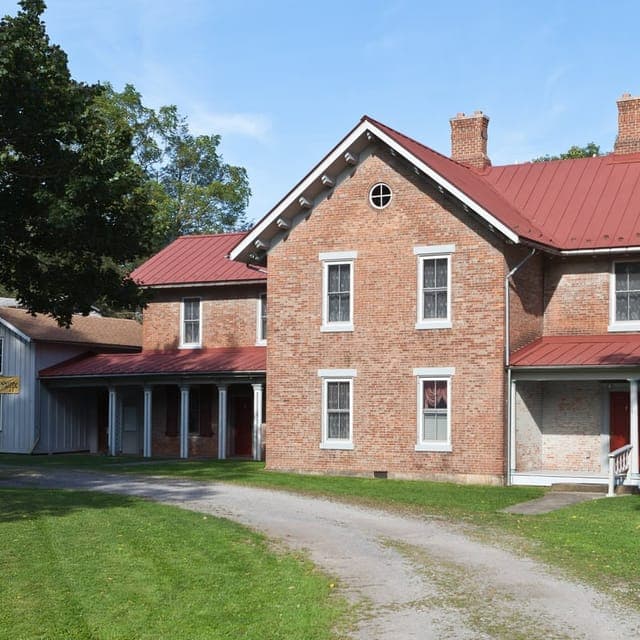
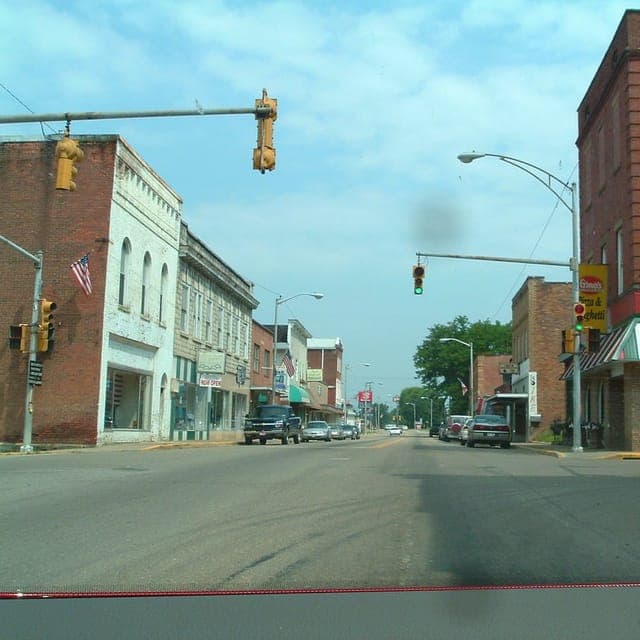
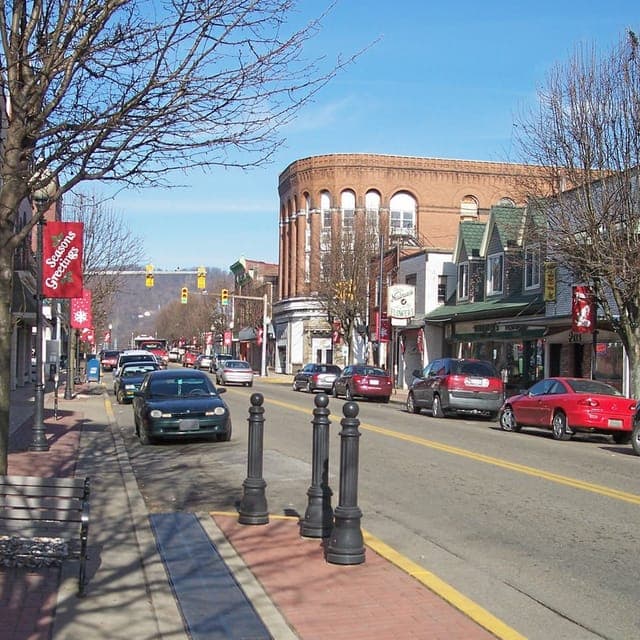
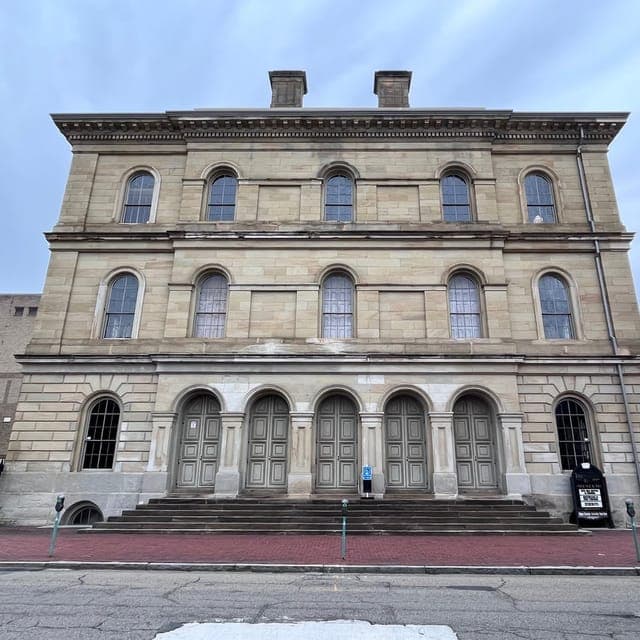
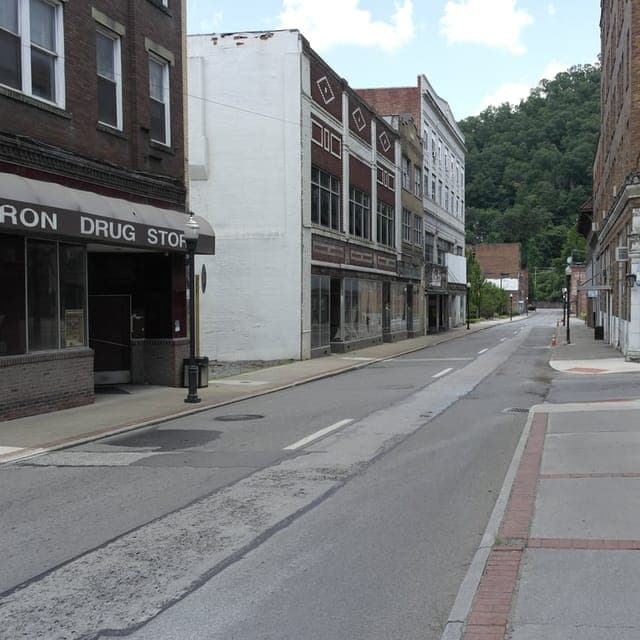

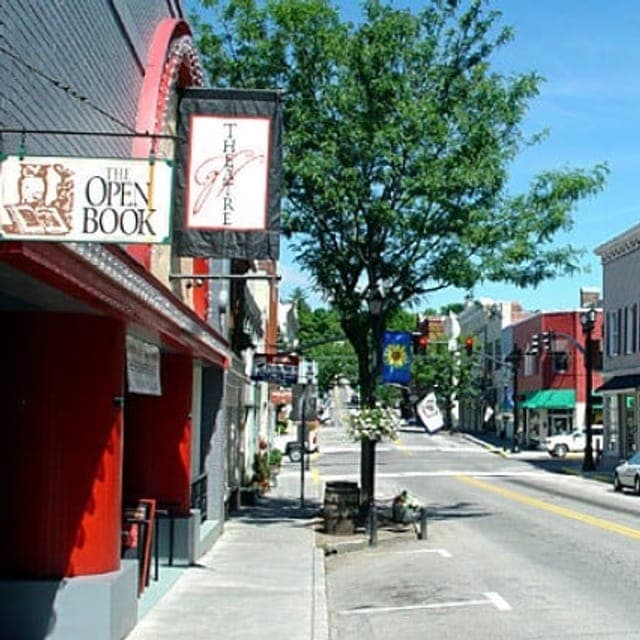
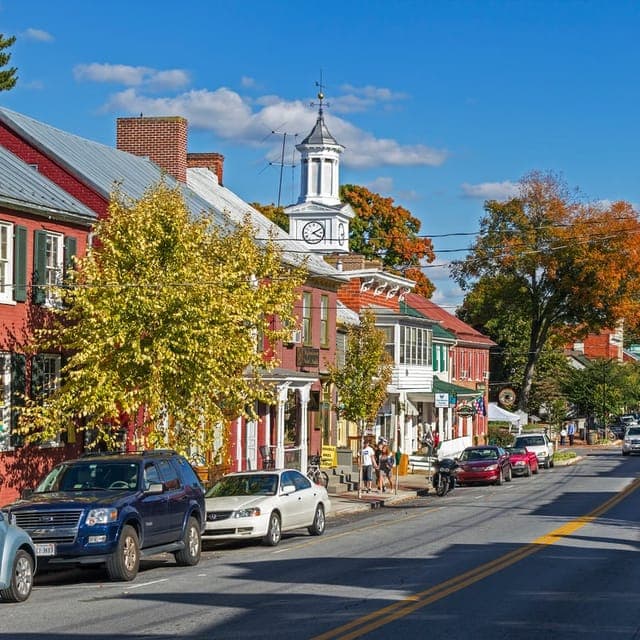
* Values derived from national, state, county, city and local statistics and may differ in a specific area. Last updated: 2026-07-03T16:27:19.000Z
Narrative content on this page is AI-generated and may contain mistakes. Verify any details that matter before acting on them.
ReloMaps may earn a commission from affiliate links at no extra cost to you.

