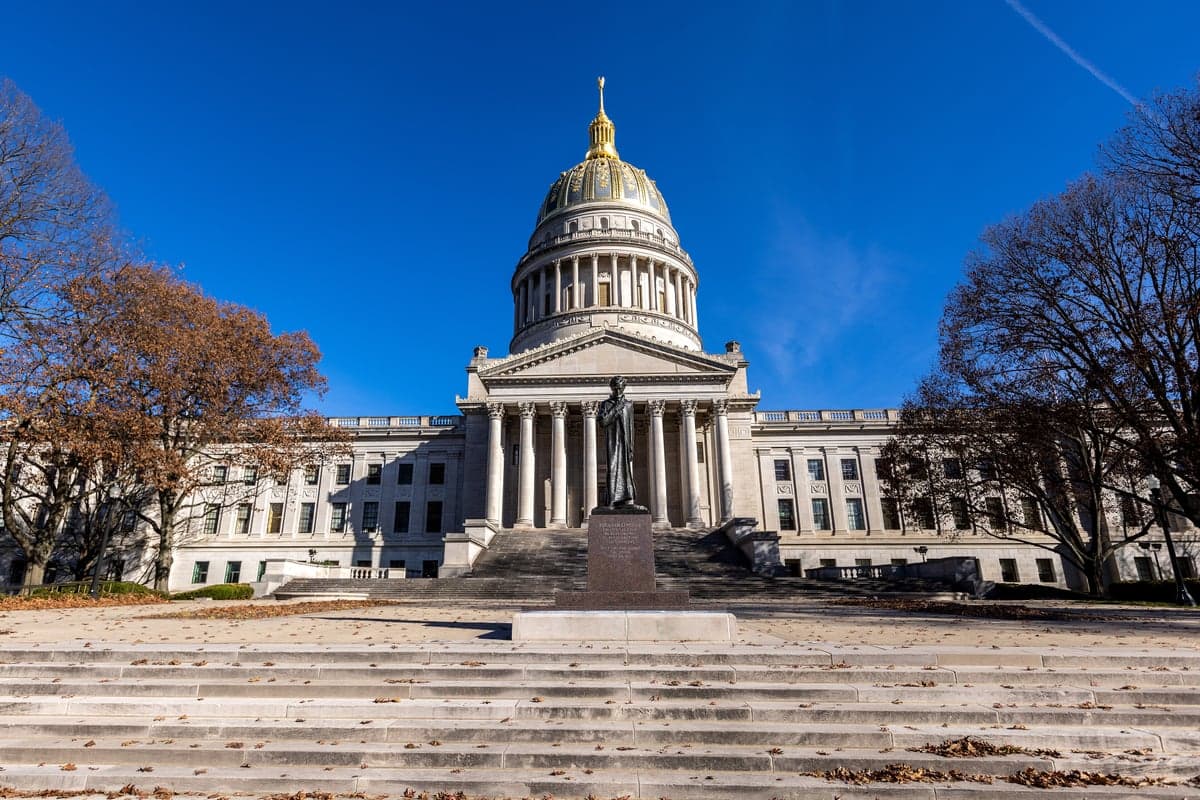
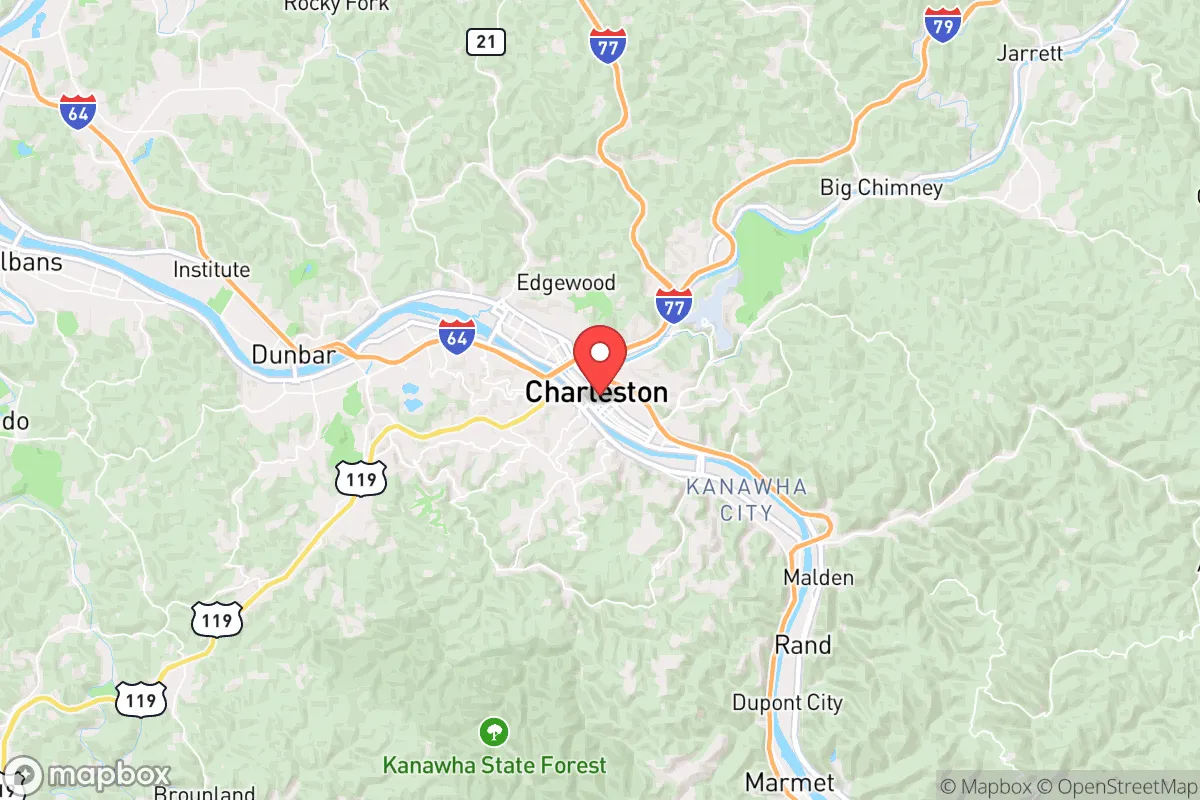
Photo: Wikipedia
Find The Best Places To Live
in Charleston
PRO TIP! You can paste a Zillow or Redfin link to get info on that property.
What It's Like Living in Charleston, WV
Charleston, West Virginia, has a way of growing on you that surprises even the people who move here reluctantly. It’s a small capital city with a big sense of itself—not in an arrogant way, but in the quiet confidence of a place that has seen booms and busts and still knows how to throw a good Friday night. With a population just under 48,000, it feels more like a tight-knit town than a state capital, where you can’t go to the Capitol Market without running into someone you know.
The Daily Rhythm: Slow Mornings, Steady Afternoons
Life here moves at a pace that lets you breathe. The average commute clocks in at about 18 minutes—one of the shortest in the country for a state capital—which means you actually have time for a real breakfast or a walk along the Kanawha River before work. Most people shop at the Capitol Market, an indoor-outdoor public market housed in a restored train depot, where you can grab fresh produce, local honey, and a surprisingly good cup of coffee from the roastery inside. Weekends often revolve around the Kanawha State Forest just 15 minutes south, where hiking and mountain biking trails are packed with families and retirees alike. The median age here is 42.6, so you’ll see a mix of empty-nesters and young professionals, but not many college parties—that scene stays in Morgantown.
The kind of person who fits in here is someone who values stability over flash. The median household income is $64,512, and with a cost of living index of 73 (27% below the national average), that money goes a long way. A median home value of $187,300 means a decent three-bedroom house is within reach for a single earner or a young family. You don’t need to be wealthy to live well here—you just need to be okay with a slower pace and a community where people actually know your name.
Sports, Festivals, and Where the City Comes Alive
Charleston doesn’t have a major pro sports team, and nobody pretends otherwise. What it does have is a fierce loyalty to high school and college athletics. Capital High School and George Washington High School football games draw crowds that rival small college towns, and the annual rivalry game between them is the closest thing to a city-wide holiday. For college sports, West Virginia University in Morgantown is a two-hour drive, but Marshall University in Huntington is only 50 minutes away—so you’ll see plenty of green and white (Marshall) or gold and blue (WVU) on any given Saturday.
The real heartbeat of the city, though, is its festivals. FestivALL every June turns downtown into a sprawling arts and music festival with live bands, street performers, and art installations. The West Virginia State Fair in nearby Lewisburg is a big deal, but locals swear by the Charleston Sternwheel Regatta over Labor Day weekend—a riverfront party with sternwheel boat races, concerts, and fireworks that feels like a throwback to a simpler time. For live music, The Loud on Capitol Street is the go-to for indie and rock acts, while Clay Center hosts the symphony and Broadway touring shows. If you want a dive bar with character, Sam’s Uptown Cafe has been pouring drinks and serving burgers since the 1970s, and the patio at Pies & Pints on the South Side is packed on warm evenings.
Honest Pros and Cons of Living Here
What longtime residents love: The cost of living is genuinely freeing. You can own a home, save for retirement, and still afford a weekend trip to the New River Gorge (about an hour east) for whitewater rafting or hiking. The weather is four full seasons—summers are warm but not brutal, winters bring enough snow to feel cozy without shutting the city down. The schools, particularly George Washington High and Charleston Catholic High School, are well-regarded and serve as community anchors. And the people are direct—if a neighbor needs help, they’ll just show up.
What frustrates them: The violent crime rate sits at 548.3 per 100,000, which is notably higher than the national average. Most of that is concentrated in specific neighborhoods, and residents will tell you it’s not a city-wide danger, but it’s a number that gives newcomers pause. Job growth outside of government and healthcare (the state capitol and Charleston Area Medical Center are the largest employers) is limited, and the city’s population has been slowly declining for decades. Young adults often leave for Columbus or Charlotte, and the social scene can feel thin if you’re single and under 30. Also, the airport is small—you’ll drive to Huntington or even Pittsburgh for direct flights to most major cities.
Cultural Quirks and Local Identity
Charleston has a peculiar pride in its contradictions. It’s a capital city that feels like a small town, a blue dot in a red state, and a place where you can buy a gun at a pawn shop and organic kale at the same strip mall. The local identity is rooted in resilience—people here remember the coal and chemical booms, and they’re not nostalgic so much as pragmatic. You’ll hear “Yes, ma’am” and “No, sir” from teenagers, and you’ll see Confederate flags and Black Lives Matter signs within blocks of each other. It’s not a place for people who want everything to match their expectations. But for someone who wants a real home—affordable, friendly, and close to the outdoors—Charleston delivers in ways that bigger cities can’t touch.

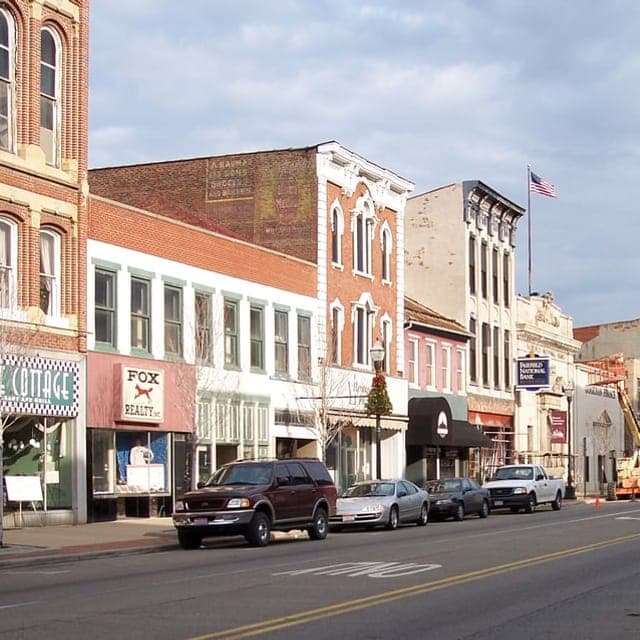
Similar towns to Charleston
* Values derived from national, state, county, city and local statistics and may differ in a specific area. Last updated: 2026-05-01T18:25:21.000Z
Narrative content on this page is AI-generated and may contain mistakes. Verify any details that matter before acting on them.
ReloMaps may earn a commission from affiliate links at no extra cost to you.

