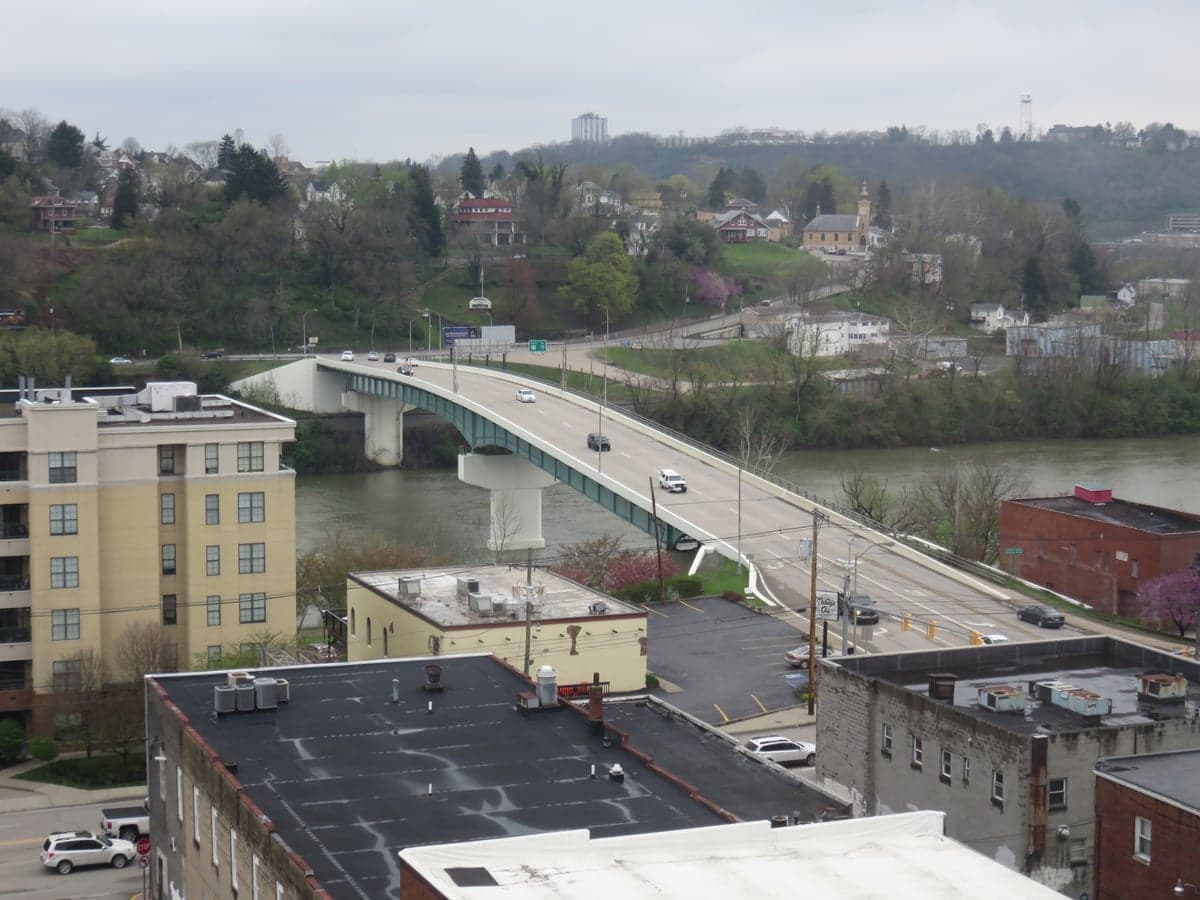
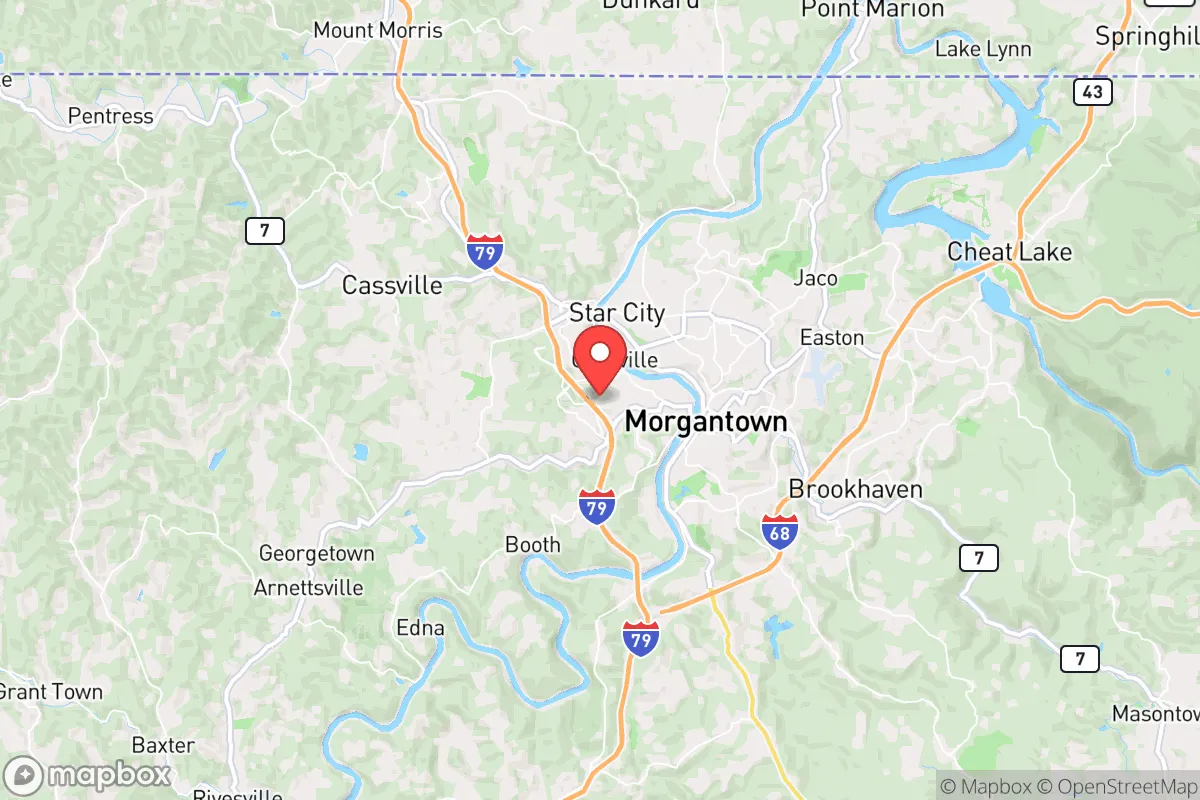
Photo: Wikipedia
Find The Best Places To Live
in Westover
PRO TIP! You can paste a Zillow or Redfin link to get info on that property.
What It's Like Living in Westover, WV
Westover, West Virginia, feels like a small town that grew up right next to a bigger one, and it wears that identity honestly. With just over 4,000 residents, it’s the kind of place where you know the folks at the gas station and the high school football game is the main event on a Friday night. It’s not flashy, but it’s comfortable—a working-to-middle-class community where people stick around because the pace of life is manageable and the cost of living actually makes sense.
The Daily Rhythm and Who Fits In
Most mornings in Westover start with a short commute—the average drive to work is under 19 minutes, which is a luxury compared to larger cities. People head to jobs at WVU Medicine, local manufacturing plants, or the service industry in nearby Morgantown. The median household income here is $58,333, which goes further than you’d expect because the cost of living index sits at 72—well below the national average. That means a median home value of $179,500 actually buys you a decent single-family house with a yard, not a fixer-upper. The kind of person who fits in here is someone who values practicality over prestige: a parent who wants good schools without a six-figure mortgage, a single professional tired of renting in a bigger city, or a retiree who wants to stretch their savings. The median age is 40.8, so it’s not a college party town—it’s a place where people have settled down.
Sports, Community, and What People Actually Do
High school sports are the heartbeat of local culture. University High School’s football and basketball games draw crowds that include not just parents but neighbors who’ve lived here for decades. There’s no pro team in town, but Morgantown’s Mountaineer sports are a 10-minute drive away, and plenty of residents are die-hard WVU fans. On weekends, you’ll find families at Dorsey’s Knob Park, a local favorite with trails and a view of the Monongahela River, or grabbing a bite at Mario’s Fishbowl—a no-frills spot known for its fried fish and cold beer. The Westover City Park hosts the annual Westover Community Days festival each summer, a low-key event with live music, food trucks, and a fireworks show that feels like the whole town shows up. For a change of pace, people head into Morgantown for the West Virginia Wine and Jazz Festival or a show at the Metropolitan Theatre, but most evenings here are quiet—grilling in the backyard, walking the dog, or catching up at a local bar like The Sports Page.
Honest Pros and Cons of Living Here
What longtime residents love most is the affordability and the sense of safety. The violent crime rate is 145.7 per 100,000—noticeably lower than the national average—so parents feel comfortable letting kids ride bikes around the neighborhood. The schools, part of Monongalia County, are well-regarded and serve as a community hub for everything from PTA meetings to youth soccer. But there are frustrations. Entertainment options are limited—if you want a concert, a mall, or a decent sushi place, you’re driving to Morgantown or even Pittsburgh (about 90 minutes away). Weather can be a grind: winters are gray and snowy, with January highs around 38°F, and the cloudy days wear on some people. Traffic on the I-79 corridor can back up during rush hour, especially near the Morgantown exits, and the job market outside of healthcare and education is thin—many residents commute to Morgantown or work remotely. Still, for someone who values a low-stress, low-cost life with a real community feel, these trade-offs are easy to accept.
Cultural Quirks and Local Identity
Westover has a subtle but distinct identity: it’s the quieter, more grounded sibling to Morgantown’s college-town energy. People here take pride in being “from Westover,” not just “near Morgantown.” You’ll see WVU flags on porches, but also a fair share of “Make America Great Again” signs and American flags—it’s a politically mixed area, but the culture leans conservative and self-reliant. A notable quirk: the town’s annual Christmas parade is a big deal, with fire trucks, local businesses, and the high school marching band. It’s the kind of event where everyone waves at everyone else because they actually know each other. The biggest cultural marker, though, is the Monongahela River, which runs along the town’s edge—it’s a backdrop for walks, fishing, and a quiet reminder that this is Appalachian small-town life, not a suburb of anywhere else. If you’re looking for a place where your dollar stretches, your neighbors wave, and your Friday night plans involve a high school game or a backyard fire pit, Westover fits the bill.

Similar small towns to Westover
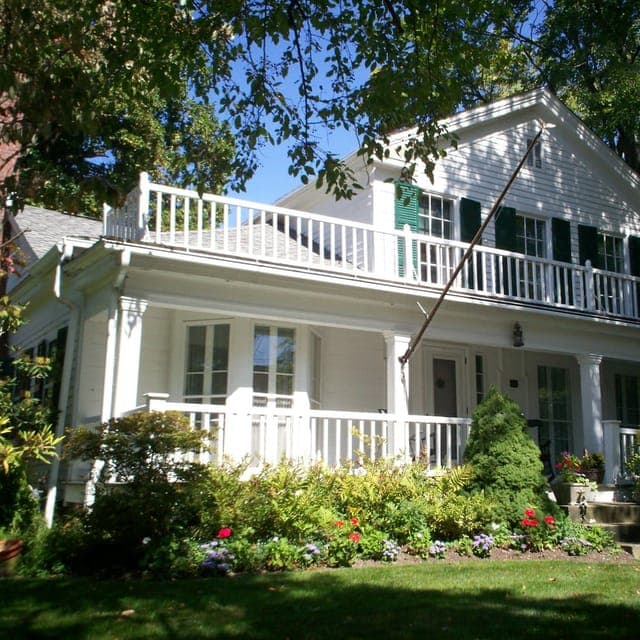
* Values derived from national, state, county, city and local statistics and may differ in a specific area. Last updated: 2026-04-23T05:52:09.000Z
Narrative content on this page is AI-generated and may contain mistakes. Verify any details that matter before acting on them.
ReloMaps may earn a commission from affiliate links at no extra cost to you.

