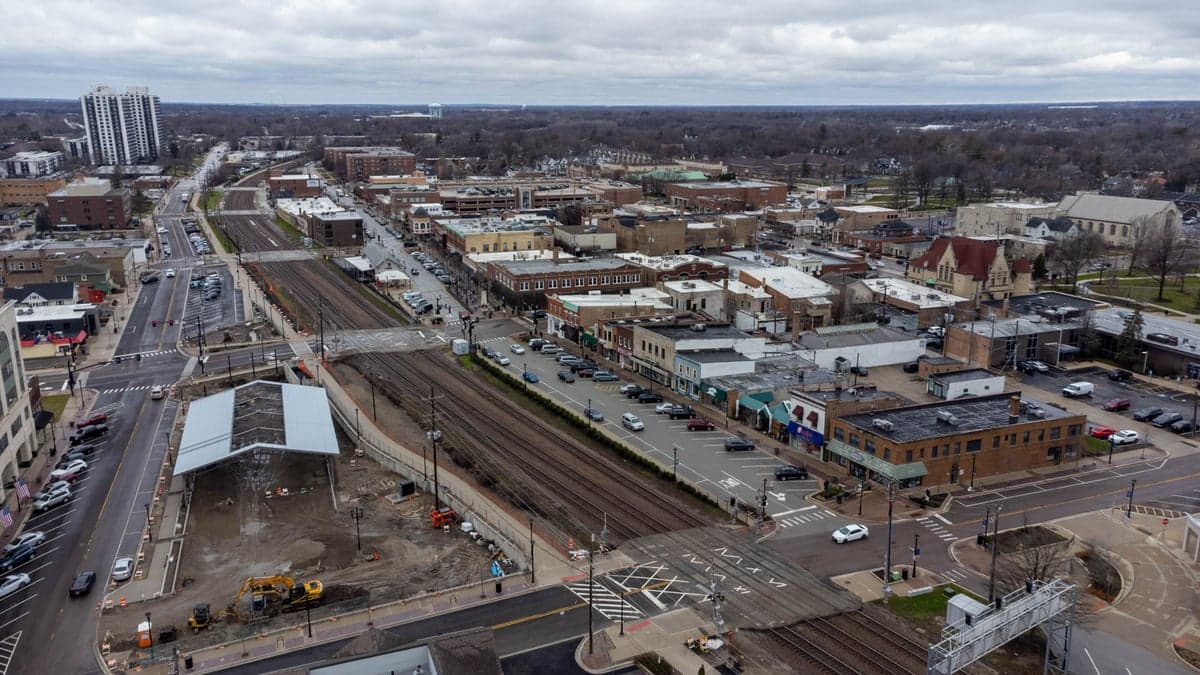
Photo: Wikipedia
Quality of Life in Wheaton, IL
A high quality of life with strong walkability, manageable living costs, healthy neighborhood signals, and solid amenity access.
What does Quality of Life tell us?
Quality of Life blends cost of living, nearby amenities, socioeconomic signals, and neighborhood character. City-level scores represent the whole municipality; individual neighborhoods can differ.
What does this tell us?
Quality of Life blends cost of living, nearby amenities, socioeconomic signals, and neighborhood character. City-level scores represent the whole municipality; individual neighborhoods can differ.
Cost of Living
53% above national average
The Real Cost of Living in Wheaton, IL for 2026
| Tier | Individual | Family (4) |
|---|---|---|
| Survival | $28k | $52k |
| Comfortable | $87k | $128k |
| Luxury | $216k+ | $335k+ |
| Elite (Top 5%) | $267k+ | $413k+ |
94%
The Area Signal
A metric tracking the socioeconomic signals of the area.
Hobbies
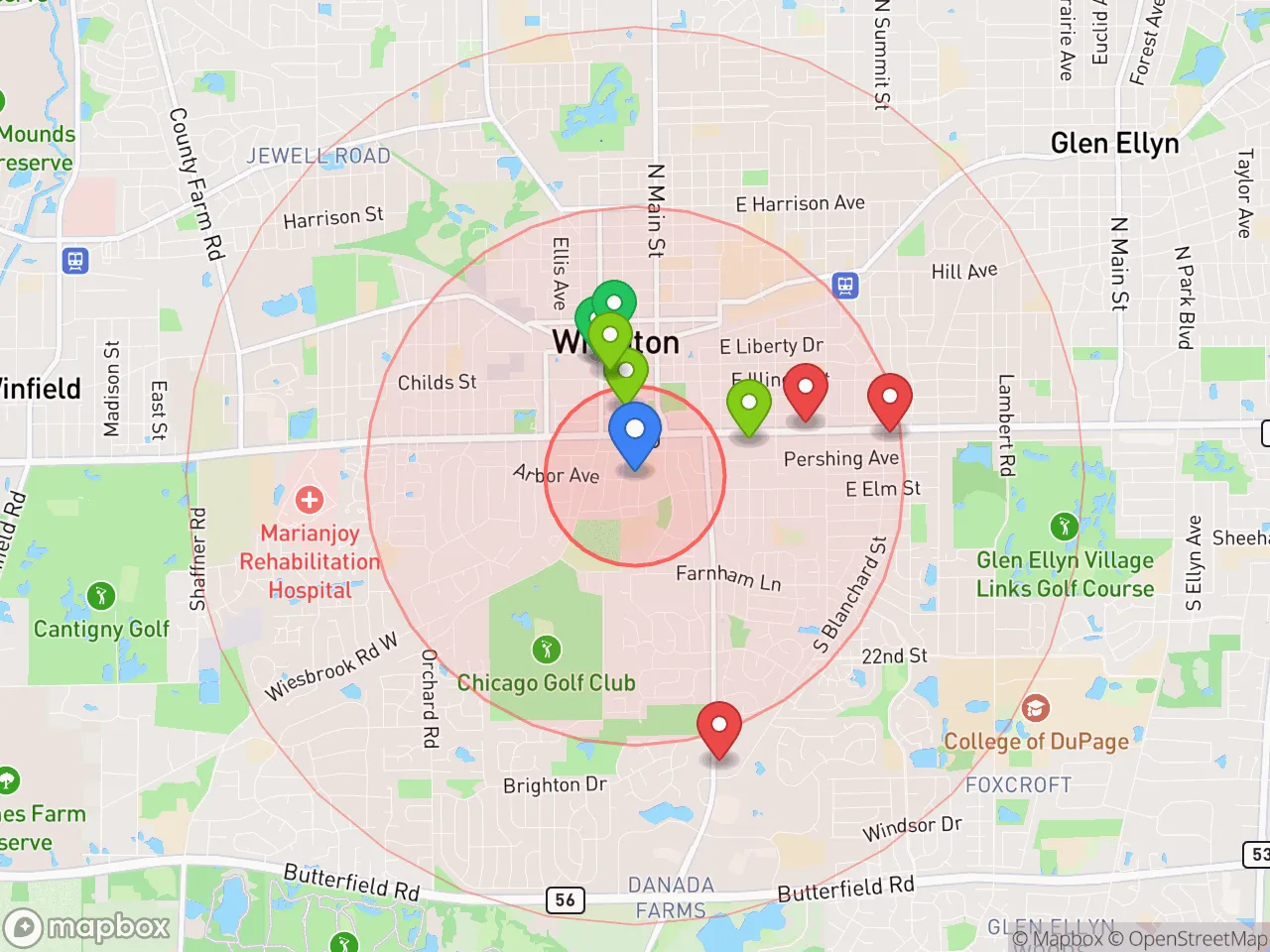
Explore the areaGroceries
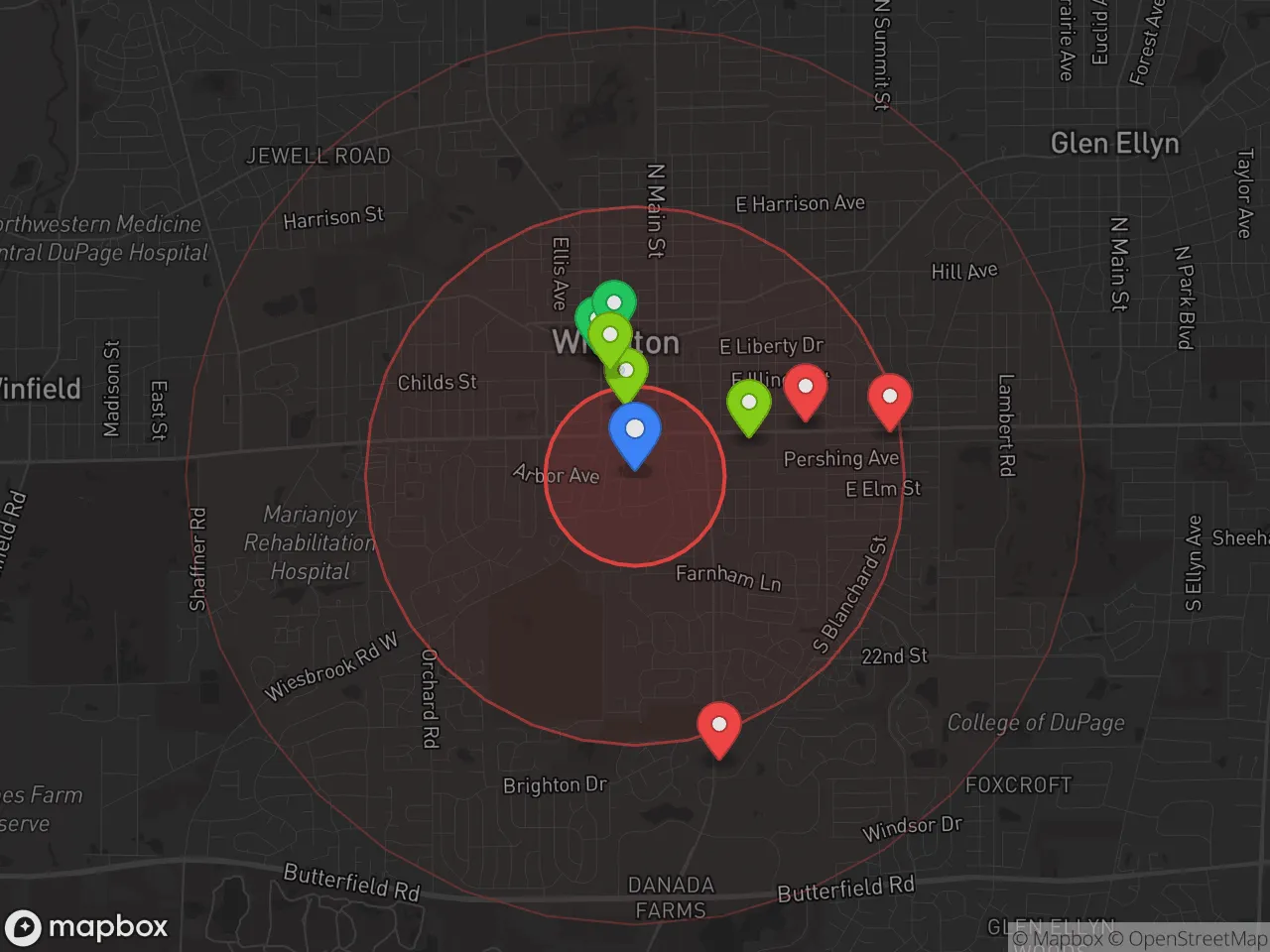
6 within 10 miles
Gas
20 within 10 miles
Hospital
20 within 20 miles
Airport
ORD — O'Hare International
Post Office
USPS — Wheaton, IL
Critical Amenities
Quality-of-Life Analysis
Wheaton, Illinois, is an affluent western suburb of Chicago defined by its strong sense of community, top-tier public schools, and a notably high cost of living. With a cost-of-living index of 153—well above the national average of 100—the city attracts families and professionals who prioritize education, safety, and suburban amenities over urban proximity. The population skews heavily toward married couples with children, and the median household income consistently ranks among the highest in DuPage County, reinforcing Wheaton’s reputation as a family-first enclave.
Cost of living, housing prices, and how Wheaton compares to nearby suburbs
Wheaton’s cost of living is driven primarily by housing, with a median home value of $447,700—significantly higher than the national median but slightly below pricier neighbors like Naperville ($500,000+) and Glen Ellyn ($460,000). Median rent sits at $1,731, reflecting a tight rental market where single-family homes dominate and apartment complexes are limited. For context, the same rent in Chicago’s Lincoln Park neighborhood would average closer to $2,200, but Wheaton offers far more square footage and yard space. Property taxes in DuPage County are among the highest in Illinois, averaging roughly 2.1% of assessed value, which adds a substantial recurring cost for homeowners. Compared to nearby Carol Stream or Winfield, Wheaton commands a premium for its school district and historic downtown, making it a less budget-friendly option for first-time buyers.
What daily life is like: amenities, schools, and local rhythm
Daily life in Wheaton revolves around its walkable downtown, anchored by the Wheaton Grand Theatre and a mix of independent boutiques and chain restaurants. The city’s crown jewel is Community Unit School District 200, which consistently ranks among Illinois’ top 10% for academic performance, with Wheaton North and Wheaton Warrenville South high schools both earning Blue Ribbon distinctions. The commute to Chicago’s Loop averages 26 minutes via Metra’s Union Pacific West Line, making Wheaton a viable option for downtown workers who want a small-town feel without a grueling drive. Parks and recreation are abundant: the 800-acre Danada Forest Preserve offers equestrian trails and fishing, while the Cosley Zoo provides a free, family-friendly attraction. The city’s evangelical Christian heritage is still visible through institutions like Wheaton College, which shapes the cultural calendar with lectures and concerts open to the public. Evenings and weekends tend to be quiet, with youth sports leagues and church activities forming the social backbone.
Wheaton is best suited for families and professionals who value exceptional schools, low crime rates, and a slower pace of life over urban excitement or housing affordability. Empty-nesters and retirees may find the property tax burden and lack of luxury condos limiting, while singles or young renters might prefer the nightlife and lower rents of nearby Lombard or Glen Ellyn. For those who can absorb the high cost of entry, Wheaton delivers a stable, well-resourced environment where community involvement and academic achievement are the norm.

Crime in Wheaton, IL
Lower crime rates than 96% of comparable U.S. locations.
Violent CrimeViolent Crime Analysis
Property CrimeProperty Crime Analysis
Crime Analysis
Wheaton, Illinois, is one of the safest cities in the Chicago metropolitan area, with violent crime rates that are a fraction of both state and national averages. The city reported a violent crime rate of just 33.5 incidents per 100,000 residents, while property crime stood at 473 per 100,000. These figures place Wheaton in a strong position for safety-conscious homebuyers, though the broader context of DuPage County and Illinois' progressive criminal justice policies warrants careful consideration.
Crime in context
Wheaton's violent crime rate of 33.5 per 100,000 is roughly 90% lower than the national average and significantly below the Illinois state rate of approximately 400 per 100,000. Property crime in Wheaton (473 per 100,000) also undercuts the national average of about 1,950 per 100,000. However, these statistics must be weighed against the reality that Wheaton sits within a large metro area governed by liberal and progressive judges and district attorneys. In Illinois, policies such as the Pretrial Fairness Act (ending cash bail) and sentencing reforms have been championed by progressive prosecutors. While intended to reduce incarceration, critics argue these measures lead to more offenders being released back onto the streets, potentially increasing victimization and reducing public safety—even in otherwise low-crime suburbs like Wheaton.
What residents experience
For daily life, Wheaton feels exceptionally safe. The city benefits from its own dedicated police department, which maintains a visible presence and strong community engagement. Residents commonly report feeling comfortable walking downtown, using the Illinois Prairie Path trails, and letting children play in neighborhoods after dark. The most frequent crimes are non-violent property offenses, such as theft from unlocked vehicles and package thefts. Wheaton's low violent crime rate means homicides, aggravated assaults, and robberies are rare events, often isolated to specific circumstances rather than random acts. However, the progressive legal environment in DuPage County means that even when arrests are made, offenders may face lighter sentences or diversion programs, a factor that can erode long-term deterrence.
Neighborhood-level variation
Safety is not uniform across Wheaton. The most secure areas are the established, tree-lined neighborhoods north of Roosevelt Road and west of Main Street, where single-family homes dominate and property crime is negligible. The area around the College of DuPage and the Danada neighborhood also report very low incident rates. Conversely, the area near the Wheaton Metra station and the commercial corridor along Roosevelt Road sees slightly higher rates of petty theft and vehicle break-ins, driven by transient traffic. Apartment complexes near the southern edge of town, closer to the border with Carol Stream, have reported occasional burglaries. Overall, Wheaton's neighborhood risk gradient is shallow—even its "higher crime" pockets are safe by national standards—but the progressive judicial climate means that any crime, however rare, may have less severe consequences for offenders than in more conservative jurisdictions.
* Values derived from national, state, county, city and local statistics and may differ in a specific area. Last updated: 2026-04-29T19:18:21.000Z
Narrative content on this page is AI-generated and may contain mistakes. Verify any details that matter before acting on them.
ReloMaps may earn a commission from affiliate links at no extra cost to you.

