Photo: Wikipedia
Find The Best Places To Live
in Chicago
PRO TIP! You can paste a Zillow or Redfin link to get info on that property.
What It's Like Living in Chicago, IL
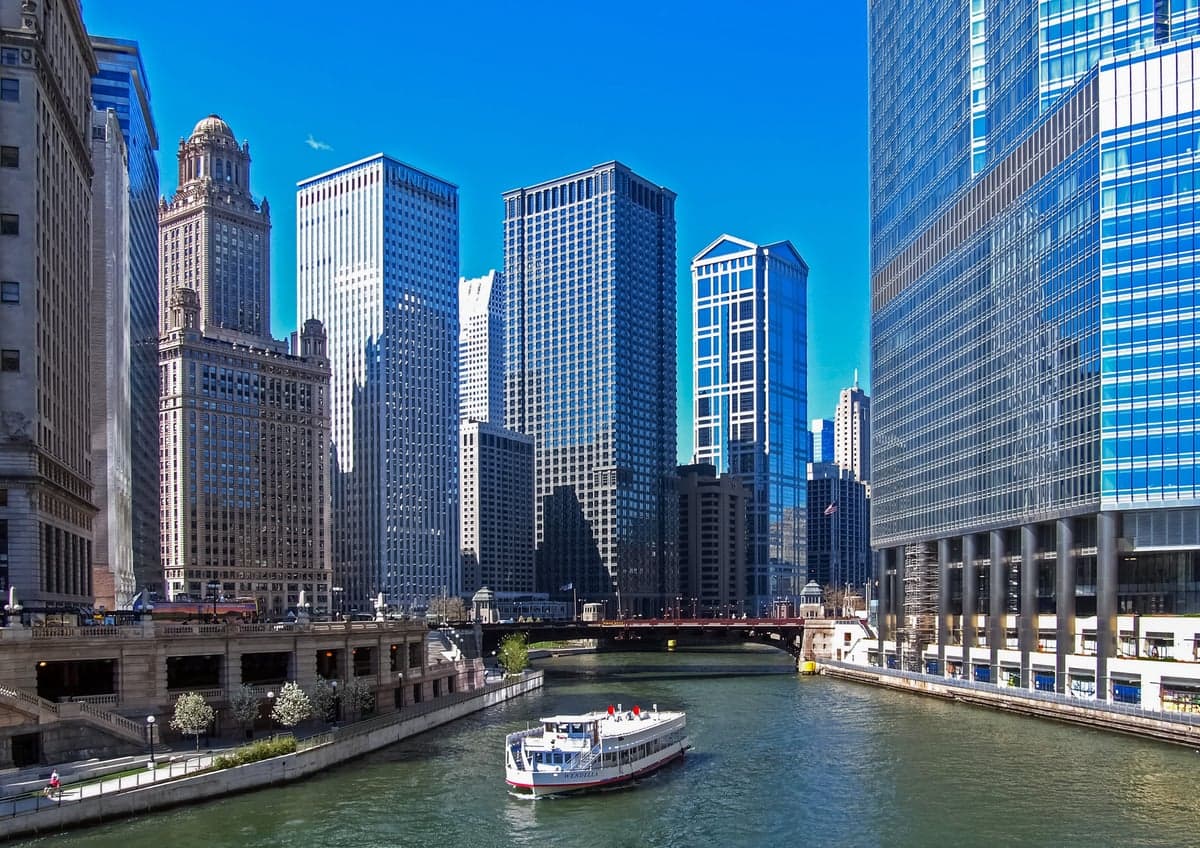
Chicago is a city of neighborhoods, a place where the skyline punches the clouds but the real action happens at the corner tavern, the lakefront trail, and the backyard barbecue. It’s big enough to feel anonymous one day and small enough to run into your neighbor at the grocery store the next, with a population of over 2.7 million people who are fiercely loyal to their block, their ward, and their deep-dish pizza joint. Living here means embracing a gritty, practical, and surprisingly friendly Midwestern vibe that’s a world apart from the coastal cities it’s often compared to.
The Daily Rhythm: Neighborhoods, Commutes, and the Weather Factor
Daily life in Chicago is defined by your neighborhood. Most people don’t live in the Loop; they live in Lincoln Park, Wicker Park, Logan Square, or Bridgeport, each with its own distinct character, grocery stores, and coffee shops. The average commute clocks in at just over 33 minutes, which is long but manageable thanks to the CTA’s L trains and buses—though many residents drive, especially if they live outside the core. The median age is 35.7, so you’re surrounded by a mix of young professionals, families, and empty-nesters, all navigating the same rhythm of work, school drop-offs, and weekend errands. The weather is the great equalizer: winters are long, gray, and cold, but the city doesn’t shut down. People shovel, layer up, and keep moving. Summers, on the other hand, are a reward—the lakefront, street festivals, and rooftop bars become the default weekend plan.
Sports, Community, and the Unwritten Rules of Fandom
Sports are a religion here, and you don’t get to be neutral. The Cubs and White Sox divide the city along geographic and class lines—Wrigleyville is a sea of blue on summer afternoons, while the South Side bleachers at Guaranteed Rate Field have a grittier, more loyal energy. The Bears, Bulls, and Blackhawks round out the pro scene, but high school sports also matter: a big Friday night football game in the suburbs or a Catholic league basketball rivalry can draw serious crowds. College sports are less dominant than in the Big Ten towns downstate, but DePaul and Loyola have their followings. The unwritten rule is that you pick a side and stick with it—bandwagon fans are spotted quickly. The city’s identity is wrapped up in these teams; a playoff run can genuinely lift the mood of the entire metro area.
What’s There to Do: Festivals, Food, and the Lakefront
Chicago’s entertainment calendar is relentless. From May through October, there’s a street festival almost every weekend—Taste of Chicago, the Air and Water Show, Lollapalooza, and dozens of neighborhood fests like the Wicker Park Fest or the Logan Square Arts Festival. Music venues range from the intimate Hideout to the massive United Center, and the theater scene is world-class, with Steppenwolf and the Goodman leading the way. The lakefront is the city’s backyard: 18 miles of public beaches, bike paths, and parks, with Montrose Harbor and North Avenue Beach as the most popular hangouts. Restaurants are a point of pride—you can get a world-class meal at a Michelin-starred spot or a $5 Italian beef sandwich at a counter joint, and both are equally celebrated. The cost of living index is 116, above the national average, but the median home value of $315,200 is still attainable compared to New York or San Francisco, especially if you’re willing to live in a less trendy neighborhood.
Pros and Cons of Living Here: What Residents Actually Say
Longtime residents love the sense of community—the way your local bartender knows your name, the block parties in summer, the fact that strangers will actually help you push your car out of a snowbank. They love the architecture, the lake, and the fact that you can live in a real city without the relentless pace of Manhattan. But they’re also honest about the frustrations. The violent crime rate is 370.8 per 100,000, which is higher than the national average, and while most crime is concentrated in specific areas, it’s a concern that shapes where people choose to live and how they move around. The median income is $75,134, which is decent, but property taxes are among the highest in the country, and the state’s financial struggles are a constant topic of conversation. Traffic is bad, especially on the Kennedy and Dan Ryan expressways, and the CTA has its share of delays and aging infrastructure. Schools are a mixed bag: some of the best public schools in the country sit alongside struggling ones, and many families opt for private or Catholic schools, which adds a significant expense. The winters are long—November through March can feel endless—but the city’s resilience is part of its charm. You learn to dress for it, to find joy in a sunny 20-degree day, and to appreciate the first warm breeze of spring like nowhere else.

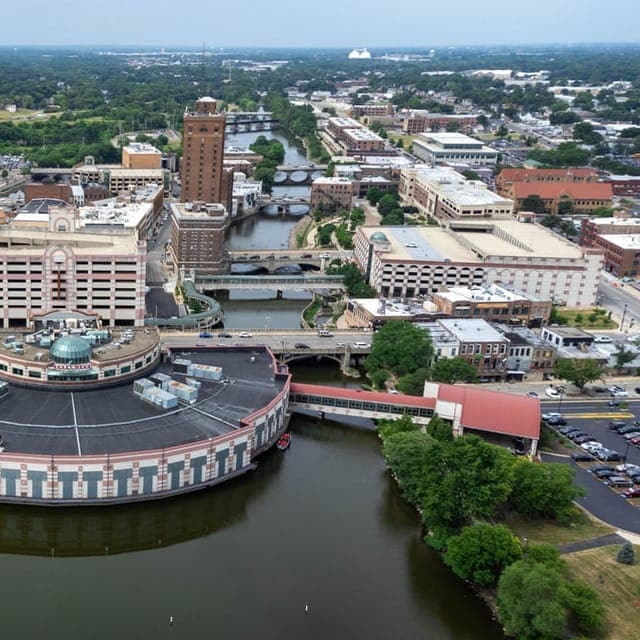
Similar major cities to Chicago

* Values derived from national, state, county, city and local statistics and may differ in a specific area. Last updated: 2026-04-13T20:10:41.000Z
Narrative content on this page is AI-generated and may contain mistakes. Verify any details that matter before acting on them.
ReloMaps may earn a commission from affiliate links at no extra cost to you.

