 Popular
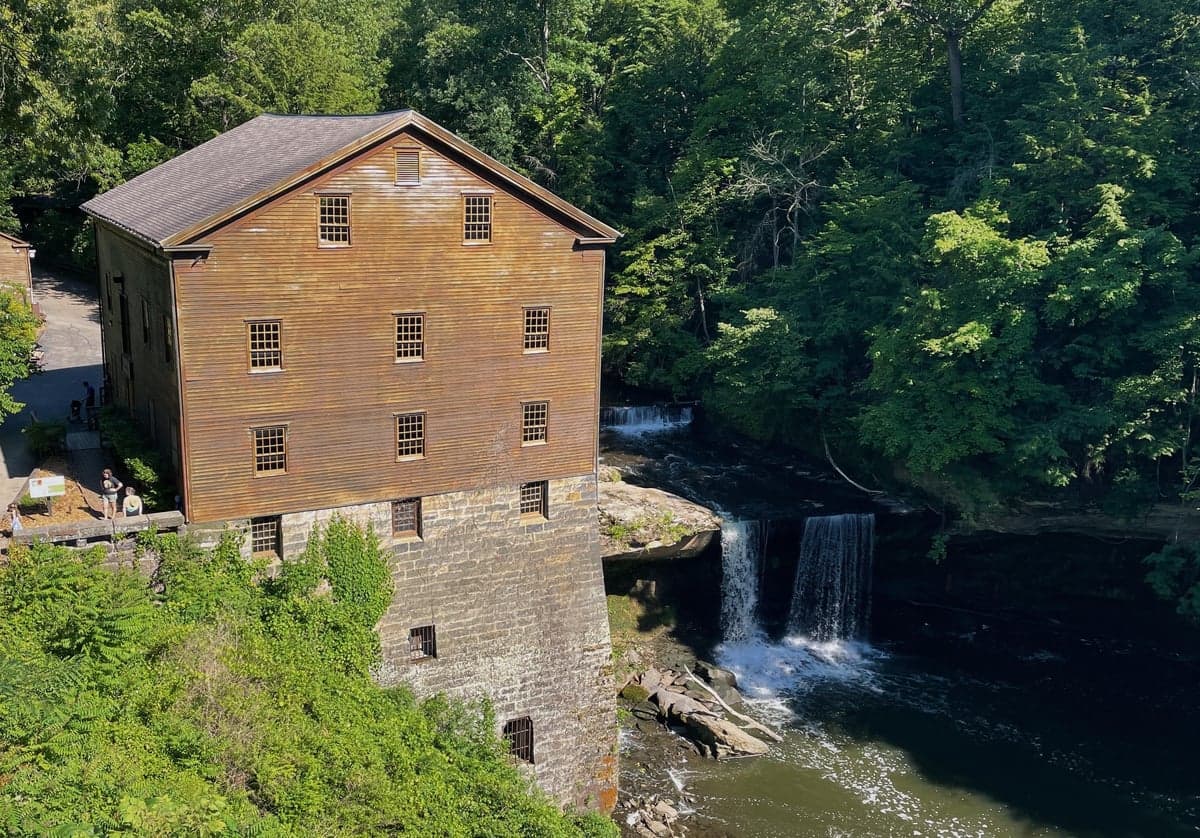
Photo: Wikipedia
Quality of Life in Youngstown, OH
Above-average quality of iife. The area offers a reasonable cost of living, decent mobility, and a mix of neighborhood amenities.
What does Quality of Life tell us?
Quality of Life blends cost of living, nearby amenities, socioeconomic signals, and neighborhood character. City-level scores represent the whole municipality; individual neighborhoods can differ.
What does this tell us?
Quality of Life blends cost of living, nearby amenities, socioeconomic signals, and neighborhood character. City-level scores represent the whole municipality; individual neighborhoods can differ.
Cost of Living
55% below national average
The Real Cost of Living in Youngstown, OH for 2026
| Tier | Individual | Family (4) |
|---|---|---|
| Survival | $11k | $22k |
| Comfortable | $19k | $27k |
| Luxury | $63k+ | $97k+ |
| Elite (Top 5%) | $74k+ | $115k+ |
127%
The Area Signal
A metric tracking the socioeconomic signals of the area.
Hobbies
Explore the areaGroceries
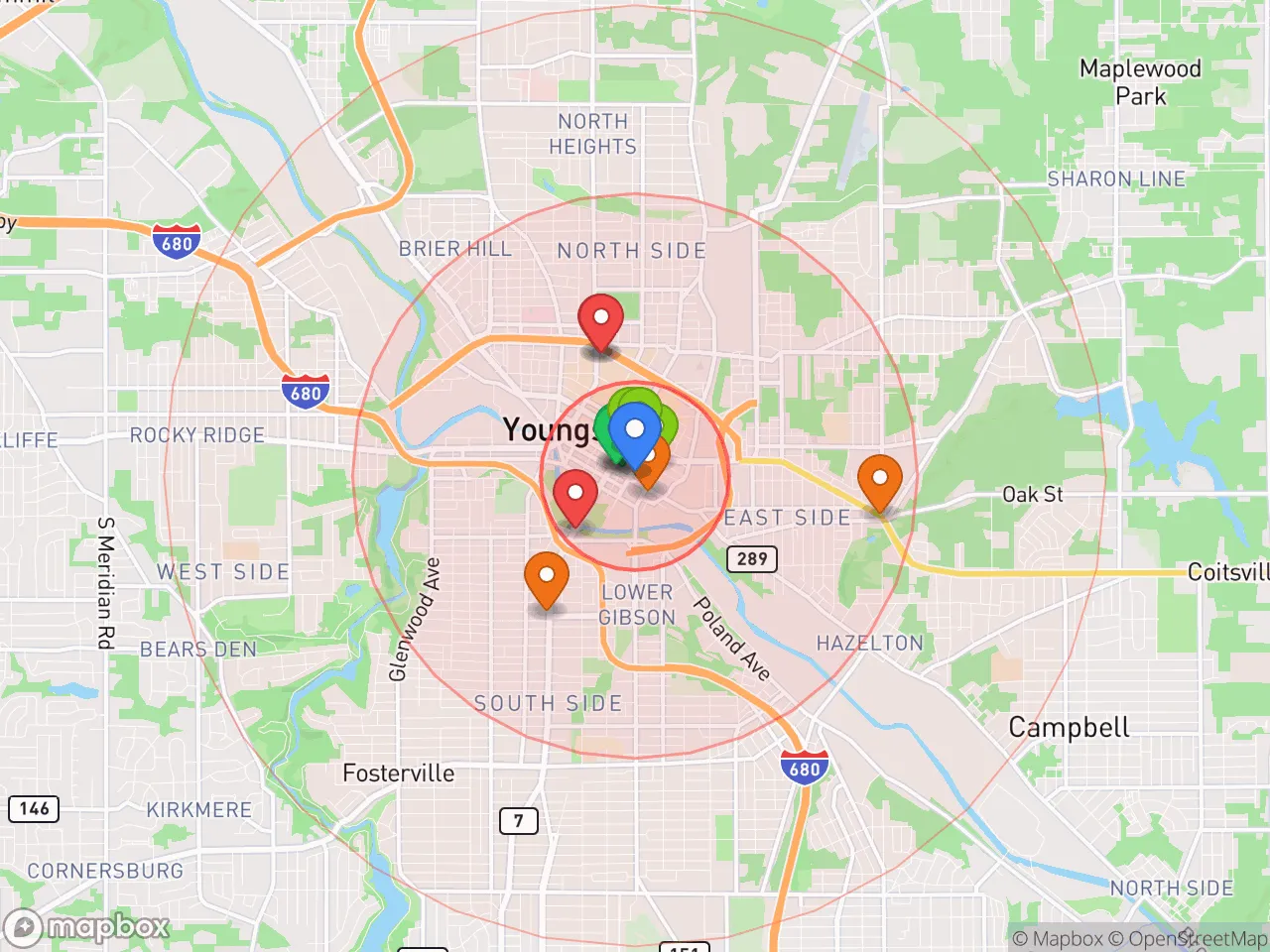
6 within 10 miles
Gas
20 within 10 miles
Hospital
20 within 20 miles
Airport
Pittsburgh International Airport
Post Office
USPS — Youngstown, OH
Critical Amenities
Quality-of-Life Analysis
Youngstown, Ohio, is a low-cost, working-class city where the cost of living index sits at 45—more than 55% below the national average—making it one of the most affordable urban areas in the Midwest. The population skews older and more economically stable than the region’s Rust Belt stereotype suggests, with a median age of 38.7 and a homeownership rate near 60%. Residents are predominantly long-term locals, many employed in manufacturing, healthcare, and logistics, though a growing number of remote workers and retirees are drawn by the exceptionally low housing prices.
Cost of living and housing affordability compared to Cleveland and Pittsburgh
Youngstown’s cost of living is dramatically lower than nearby metro areas. The median home value is just $58,400, compared to Cleveland’s $130,000 and Pittsburgh’s $175,000. Median rent is $718 per month, roughly half the national median. A household earning the area’s median income of $38,000 can afford a mortgage on a typical home with less than 20% of gross income. Property taxes in Mahoning County average 2.1% of assessed value, slightly above Ohio’s median but offset by the low base price. The average commute of 21.4 minutes is shorter than both Cleveland (26 min) and Pittsburgh (28 min), reducing transportation costs. Utility costs are about 10% below the national average, and grocery prices are roughly 8% lower. For comparison, a family of four can live comfortably on $45,000 annually in Youngstown, whereas the same lifestyle would require $70,000 in Columbus or $85,000 in Cleveland.
What daily life is like for families and retirees in Youngstown
Daily life in Youngstown centers on a modest but functional set of amenities. The city’s public school system, Youngstown City Schools, serves about 4,500 students with a graduation rate of 72%, below the state average of 87%; families often opt for charter schools or suburban districts like Boardman Local Schools (rated “A” by the Ohio Department of Education). Healthcare is anchored by Mercy Health-St. Elizabeth Youngstown Hospital, a 500-bed facility with a Level II trauma center. Recreation includes the 450-acre Mill Creek Park, which offers hiking, golf, and a lake, plus the Covelli Centre for concerts and minor-league hockey. Dining is dominated by local Italian-American and Eastern European staples—the city is known for its “Youngstown-style” pizza and pierogi. The rhythm of life is slower than in larger Ohio cities; most retail and services are concentrated along the U.S. 422 corridor, and the downtown area has seen modest reinvestment in lofts and breweries since 2020. Crime rates remain a concern—the city’s violent crime rate is 1.5 times the national average—but property crime has declined 18% since 2022, and most incidents are concentrated in a few neighborhoods.
Youngstown is best suited for cost-conscious retirees, remote workers with stable incomes, and tradespeople seeking affordable homeownership. Families should carefully evaluate school options and neighborhood safety data before relocating. The city offers genuine financial breathing room—a median home price under $60,000 and a commute under 22 minutes—but lacks the job growth, cultural density, and school quality found in Ohio’s larger metros. Those who prioritize low overhead and a quiet, community-oriented lifestyle will find Youngstown a viable, if gritty, option.

Crime in Youngstown, OH
Crime rates similar to the national median for U.S. locations.
Violent CrimeViolent Crime Analysis
Property CrimeProperty Crime Analysis
Crime Analysis
Youngstown, Ohio, faces significant public safety challenges, with violent and property crime rates that substantially exceed both state and national averages. The city recorded a violent crime rate of 257.9 incidents per 100,000 residents and a property crime rate of 1,009.6 per 100,000, placing it among the higher-risk communities in the Mahoning Valley. These figures reflect a community grappling with the legacy of industrial decline, economic disinvestment, and a criminal justice environment that residents and analysts often describe as permissive.
Crime in context
Youngstown’s violent crime rate is roughly 25% higher than the Ohio state average and about 30% above the national median for cities of similar size. Property crime, while lower than in some larger Ohio metros like Cleveland or Columbus, still represents a tangible risk for homeowners and renters. The city’s location within Mahoning County places it under the jurisdiction of a county prosecutor’s office and court system that has, in recent years, emphasized diversion programs and reduced sentencing for nonviolent offenders. Critics argue that this progressive approach, while intended to reduce incarceration, has contributed to a revolving-door effect for repeat property offenders and has not deterred violent crime. The presence of a liberal-leaning district attorney and judges who prioritize rehabilitation over incarceration is a factor that potential residents should weigh carefully, as it can lead to shorter sentences and higher recidivism rates.
What residents experience
For those living in Youngstown, the daily reality involves heightened vigilance. Property crimes such as burglary, vehicle theft, and vandalism are the most common concerns, often concentrated in neighborhoods with high vacancy rates and lower population density. Violent incidents, including aggravated assault and robbery, are more sporadic but can occur in commercial corridors and near public housing complexes. The city’s police department has struggled with staffing shortages, leading to slower response times in some precincts. Residents frequently report that the judicial system’s leniency—such as the use of personal recognizance bonds for repeat offenders—undermines deterrence and leaves victims feeling unsupported. This environment is particularly concerning for families and retirees who value predictable safety and swift accountability.
Neighborhood-level variation
Safety conditions in Youngstown are not uniform. The city’s five wards show stark contrasts: areas like the North Side and parts of the West Side experience the highest concentration of violent crime, while neighborhoods such as Mill Creek Park’s surrounding areas and the southern edge near Boardman report lower incident rates. The city’s ongoing demolition of blighted properties has helped reduce some crime hotspots, but the overall risk remains elevated compared to suburban alternatives like Canfield or Poland. Prospective residents should research specific block-level data through the Youngstown Police Department’s crime mapping tool and consider that the city’s progressive judicial philosophy applies uniformly across all neighborhoods, meaning even lower-crime areas are subject to the same systemic leniency. For those prioritizing safety, the surrounding Mahoning County suburbs offer a more conservative legal environment and significantly lower crime rates.
* Values derived from national, state, county, city and local statistics and may differ in a specific area. Last updated: 2026-04-21T19:48:35.000Z
Narrative content on this page is AI-generated and may contain mistakes. Verify any details that matter before acting on them.
ReloMaps may earn a commission from affiliate links at no extra cost to you.

