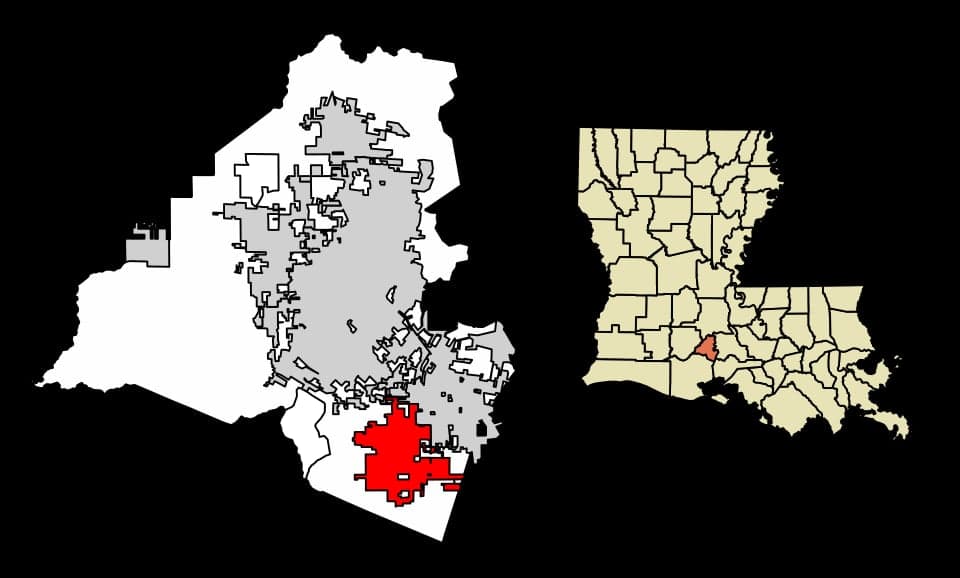
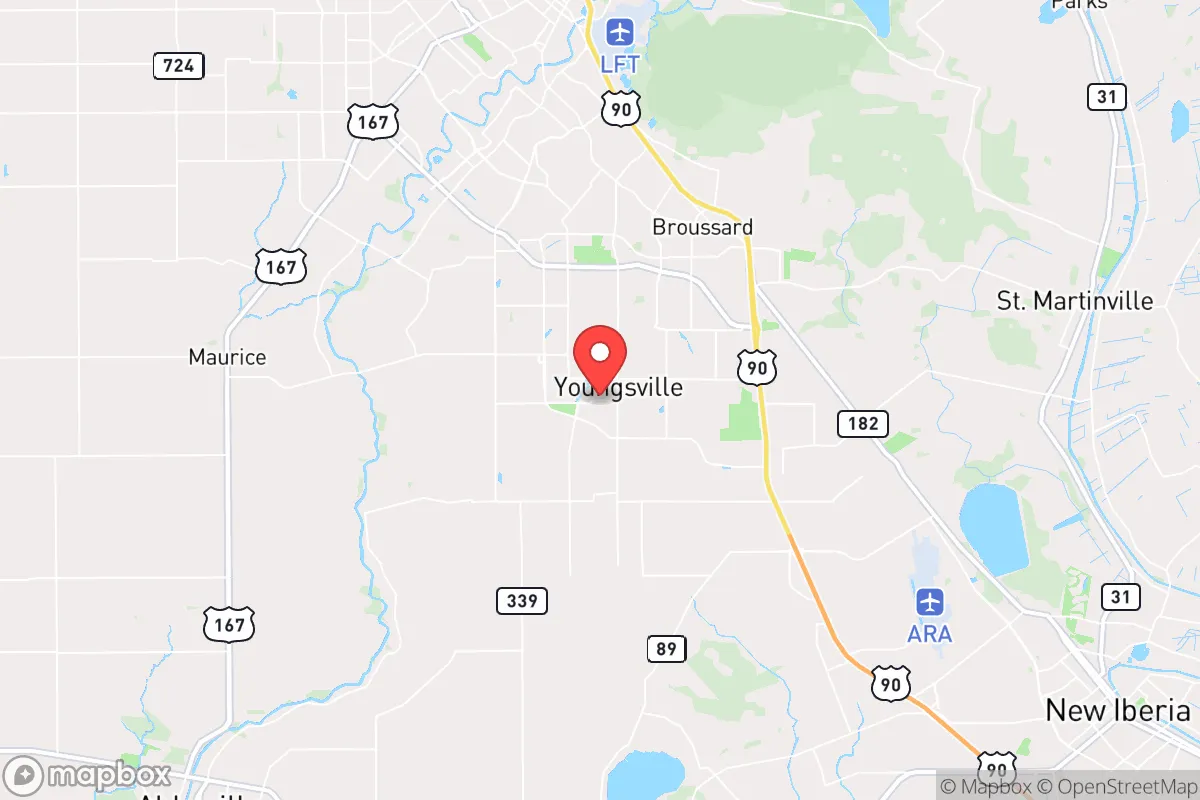
Photo: Wikipedia
Quality of Life in Youngsville, LA
Above-average quality of iife. The area offers a reasonable cost of living, decent mobility, and a mix of neighborhood amenities.
What does Quality of Life tell us?
Quality of Life blends cost of living, nearby amenities, socioeconomic signals, and neighborhood character. City-level scores represent the whole municipality; individual neighborhoods can differ.
What does this tell us?
Quality of Life blends cost of living, nearby amenities, socioeconomic signals, and neighborhood character. City-level scores represent the whole municipality; individual neighborhoods can differ.
Cost of Living
5% above national average
The Real Cost of Living in Youngsville, LA for 2026
| Tier | Individual | Family (4) |
|---|---|---|
| Survival | $21k | $40k |
| Comfortable | $51k | $75k |
| Luxury | $129k+ | $200k+ |
| Elite (Top 5%) | $151k+ | $235k+ |
151%
The Area Signal
A metric tracking the socioeconomic signals of the area.
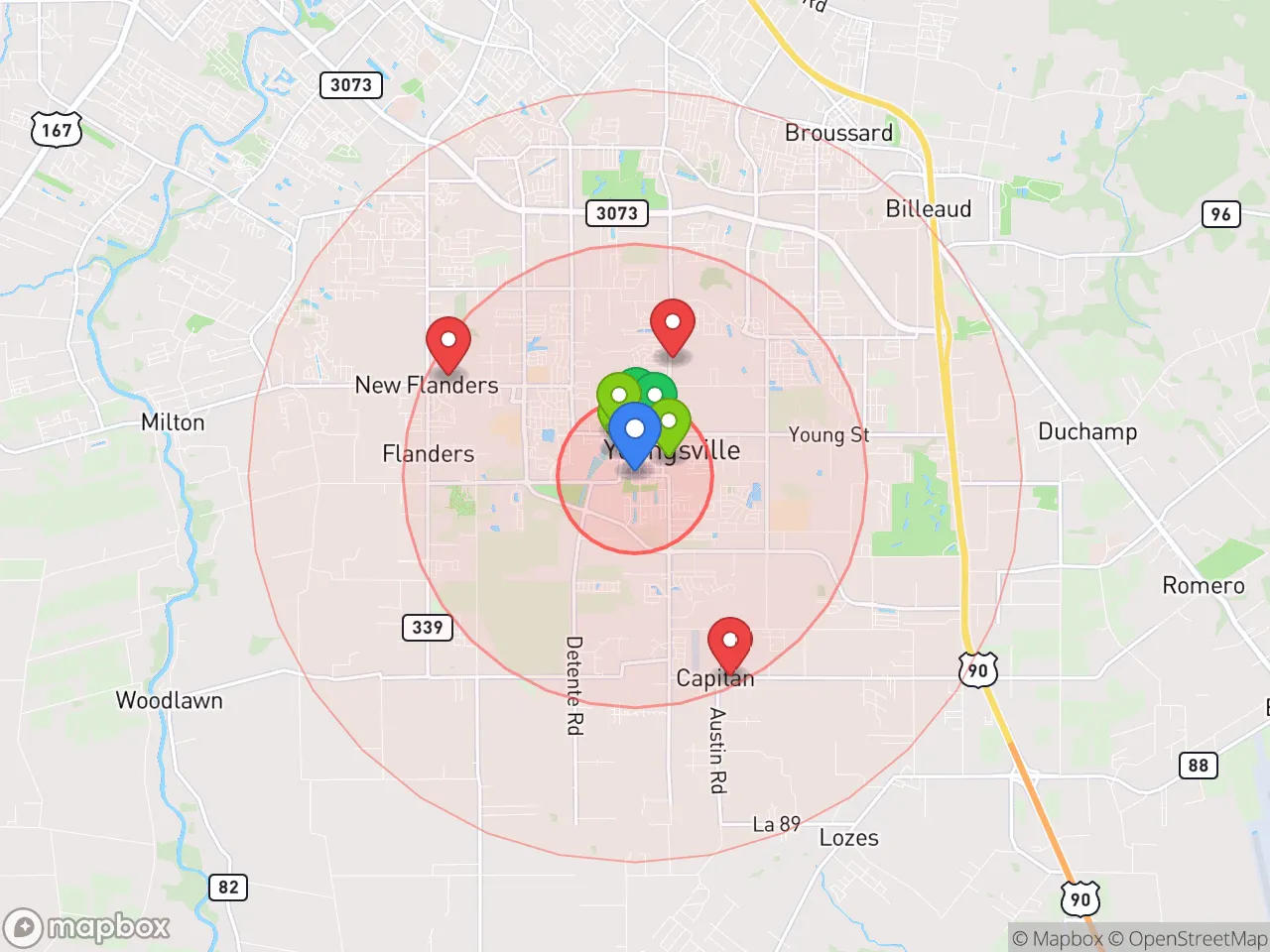
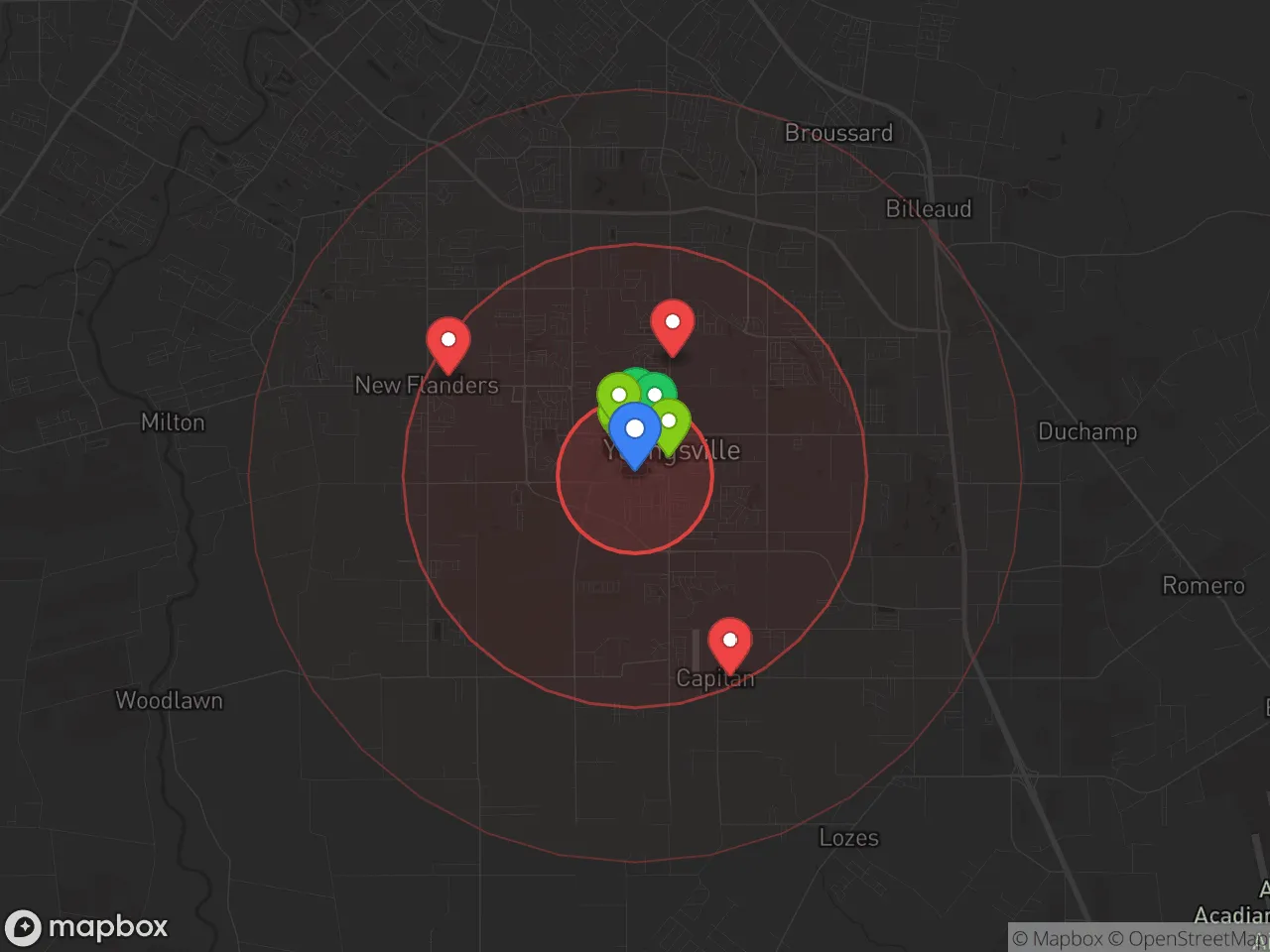
Hobbies
Explore the areaGroceries
9 within 10 miles
Gas
20 within 10 miles
Hospital
20 within 20 miles
Airport
IAH — George Bush Intercontinental
Post Office
USPS — Youngsville, LA
Critical Amenities
Quality-of-Life Analysis
Youngsville, Louisiana, stands out as one of the most affluent and rapidly growing suburbs in the Lafayette metropolitan area, attracting a demographic of upwardly mobile families, young professionals, and retirees seeking a quieter, newer alternative to the city core. With a cost of living index of 105—just 5% above the national average—the city offers a notably high quality of life relative to its price point, driven by strong local schools, low crime rates, and a master-planned community feel. The typical resident is a homeowner in their 30s or 40s, often commuting to Lafayette or working in the area’s expanding healthcare, energy, and education sectors.
Cost of living, housing affordability, and how Youngsville compares to nearby cities
Youngsville’s housing market is the primary driver of its cost-of-living premium, but it remains more affordable than many comparable suburbs in the South. The median home value of $263,200 is roughly 15% higher than the Lafayette metro average, reflecting the city’s newer construction and higher demand. Renters face a median rent of $1,318, which is competitive for the region but about 10% above nearby Broussard or Scott. The average commute of 25.4 minutes is slightly longer than the national average but typical for a bedroom community, with most residents driving west on LA-89 or US-90 to reach Lafayette’s employment hubs. Property taxes in Youngsville are relatively low—around 0.45% of assessed value—which helps offset the higher home prices compared to neighboring cities like Carencro or Duson. For buyers, the trade-off is clear: newer homes, larger lots, and better school zones come at a premium, but the overall cost of living remains well below coastal metros like Houston or Atlanta.
Schools, amenities, and what daily life is like for families in Youngsville
Daily life in Youngsville revolves around its highly rated public schools, extensive parks system, and a growing retail corridor along Chemin Metairie Parkway. The city is served by the Lafayette Parish School System, with Youngsville Middle School and Green T. Lindon Elementary consistently ranking among the top 10% in Louisiana for academic performance. The Youngsville Sports Complex—a 100-acre facility with baseball fields, soccer pitches, and walking trails—anchors the community’s active lifestyle, hosting regional tournaments that draw visitors from across the state. For everyday errands, residents rely on the Albertsons and Rouses Markets on Chemin Metairie, while dining options lean toward local Cajun-Creole staples like Bon Temps Grill and The French Press. The city lacks a major hospital, but Lafayette General Medical Center is a 15-minute drive away. Nightlife is minimal, with most social activity centered on school events, church gatherings, or weekend trips to Lafayette’s downtown music scene. The overall rhythm is suburban and family-oriented, with a strong sense of safety and community engagement.
Youngsville is best suited for families and professionals who prioritize good schools, new housing, and a low-crime environment over urban amenities or nightlife. Empty-nesters and remote workers also find the city appealing due to its quiet streets, reasonable commute times, and access to outdoor recreation. Those seeking walkable neighborhoods, diverse rental options, or a vibrant arts scene may find the city too homogeneous, but for the target demographic of homebuyers looking for a stable, growing suburb in Acadiana, Youngsville delivers a consistently high quality of life.

Crime in Youngsville, LA
Crime rates similar to the national median for U.S. locations.
Violent CrimeViolent Crime Analysis
Property CrimeProperty Crime Analysis
Crime Analysis
Youngsville, Louisiana, reports a violent crime rate of 351.6 per 100,000 residents and a property crime rate of 1,418 per 100,000, placing it in a moderate safety tier relative to other small cities in the Lafayette metropolitan area. While these figures are lower than the national average for violent crime, they are elevated compared to the safest small towns in the state, and the property crime rate sits near the Louisiana state median. The city’s proximity to Lafayette means it shares some of the regional crime pressures, though its suburban character and newer housing stock contribute to a generally lower-risk environment than the urban core.
Crime in context
Youngsville’s violent crime rate of 351.6 per 100,000 is roughly 10% below the national average but remains a concern for a city of its size. Property crime, at 1,418 per 100,000, is about 20% higher than the national average, driven largely by theft and vehicle break-ins common in growing suburban areas. Compared to Louisiana as a whole—which consistently ranks among the highest crime states in the U.S.—Youngsville fares better, but the gap is narrower than residents might expect. The Lafayette metropolitan area, including Youngsville, operates under the jurisdiction of the 15th Judicial District Court, where progressive sentencing reforms and district attorney policies have been noted for emphasizing diversion programs and reduced incarceration for non-violent offenders. This ideological approach, while intended to reduce recidivism, has drawn criticism for potentially emboldening repeat property offenders and contributing to a perception of leniency that can undermine public confidence in safety.
What residents experience
Residents of Youngsville most frequently encounter property crimes—particularly vehicle burglaries and package thefts—in newer subdivisions and near retail corridors along Chemin Metairie Parkway. Violent incidents are rare but not unheard of; domestic disputes and occasional aggravated assaults account for the majority of reported violent crimes. The Youngsville Police Department maintains a visible presence, with community policing initiatives and neighborhood watch programs active in several subdivisions. However, the broader judicial environment in Lafayette Parish, where progressive prosecutors have prioritized alternatives to incarceration, means that even when arrests are made, offenders may face reduced consequences. This dynamic can leave residents feeling that the justice system prioritizes offender rehabilitation over victim protection, a sentiment that has fueled local support for tougher sentencing measures in recent municipal elections.
Neighborhood-level variation in Youngsville is modest but noticeable. Older sections near the city’s historic core and areas adjacent to Highway 90 see slightly higher property crime rates, while newer master-planned communities like Sugar Mill Pond report fewer incidents due to private security and gated access. The city’s rapid growth—population has more than doubled since 2010—has outpaced police staffing, creating occasional response-time delays in outlying subdivisions. For families and retirees considering relocation, the safest choices are typically the newer, HOA-managed developments, while renters in multi-family complexes near major roads should exercise standard urban precautions like securing vehicles and using package lockers.
* Values derived from national, state, county, city and local statistics and may differ in a specific area. Last updated: 2026-04-23T04:57:31.000Z
Narrative content on this page is AI-generated and may contain mistakes. Verify any details that matter before acting on them.
ReloMaps may earn a commission from affiliate links at no extra cost to you.

