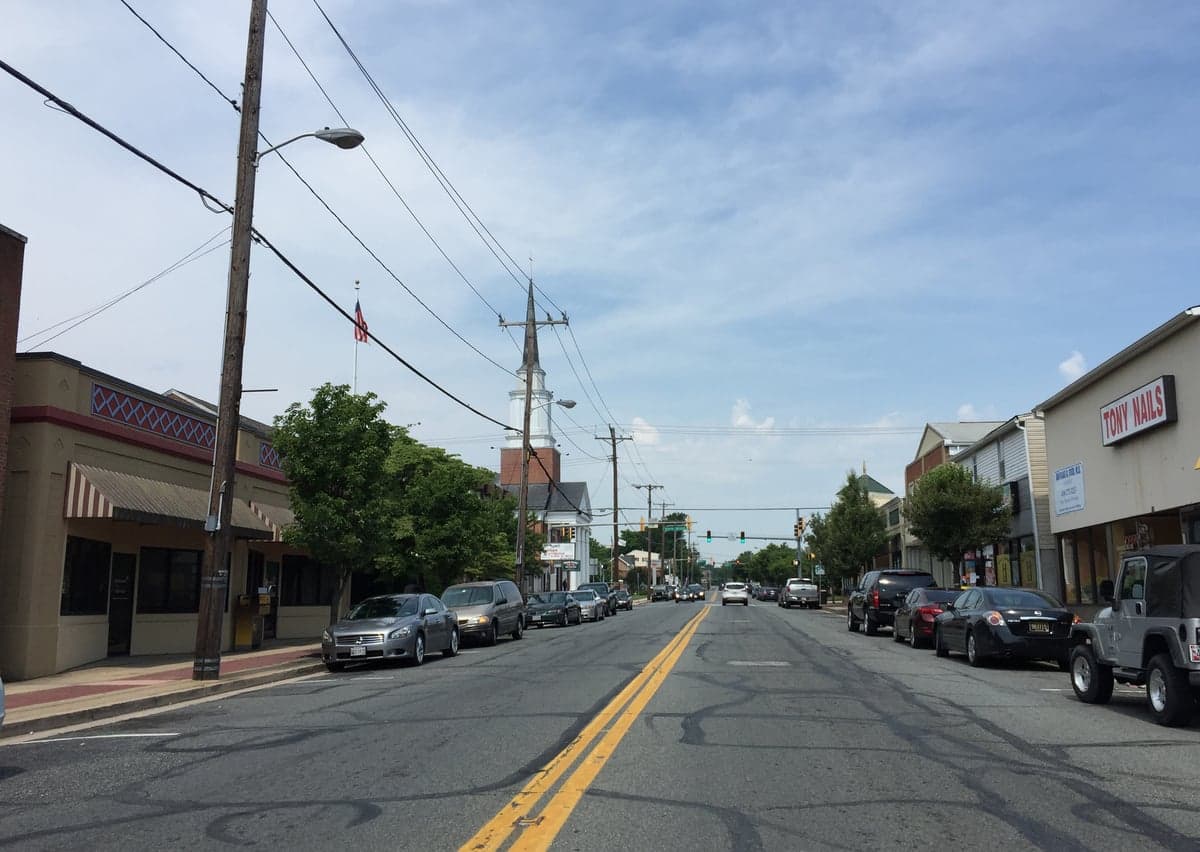
Photo: Wikipedia
Personal Sovereignty in Aberdeen, MD
Viable for self-reliance. Generally workable, though some barriers may limit total independence.
What does Personal Sovereignty tell us?
Personal Sovereignty measures your capacity for self-reliance and independence with minimal government friction. Higher scores mean fewer barriers between you and the way you want to live... but it assumes you have the space you need and good neighbors.
What does this tell us?
Personal Sovereignty measures your capacity for self-reliance and independence with minimal government friction. Higher scores mean fewer barriers between you and the way you want to live... but it assumes you have the space you need and good neighbors.
State Policy
Energy independence: Importer (8% of energy produced in-state)
Personal Liberty
Homesteading

Personal Liberty Analysis
Aberdeen, Maryland, presents a mixed picture for those prioritizing personal sovereignty. While the town itself offers a relatively quiet, small-city atmosphere, it operates under the full weight of Maryland state law, which consistently ranks among the most restrictive in the nation for individual autonomy. For the strategic relocator with a survivalist or prepper mindset, the key takeaway is that Aberdeen provides a decent physical location near critical infrastructure (the APG military base, I-95, the Chesapeake Bay), but the legal and regulatory environment demands careful navigation. Your personal freedom here will be defined less by local ordinances and more by your ability to work around or within a state system that is actively skeptical of self-reliance and individual rights.
Tax burden and regulatory posture: the cost of staying legal
Maryland’s tax posture is a significant drag on personal sovereignty. The state imposes a progressive income tax with rates up to 5.75%, and Harford County adds a local income tax of 3.06%, meaning your combined marginal rate can easily exceed 8.8%. This is a direct claim on your labor and savings, reducing the capital you can allocate to preparedness, land, or equipment. Property taxes in Aberdeen are around 1.1% of assessed value, which is moderate for the region but still a recurring cost that limits long-term financial independence. Sales tax is 6%, applied to most goods, including many preparedness supplies. The regulatory posture is equally burdensome. Maryland has a strong state preemption on many local ordinances, but the state itself is highly regulatory. Building codes are strict, environmental regulations (especially regarding the Chesapeake Bay watershed) limit what you can do with your land, and the state’s business climate is heavily taxed and licensed. For a prepper, this means that any attempt to operate a small business, build a workshop, or modify your property will involve permits, fees, and potential delays. The state’s regulatory apparatus is designed to manage risk from a top-down perspective, not to empower individual initiative.
Self-defense and gun law specifics: navigating a restrictive regime
This is the most critical area for the sovereignty-minded individual. Maryland is a "may-issue" state for concealed carry, though recent court rulings (notably Bruen) have forced a shift toward "shall-issue" in practice. However, the process remains onerous: you must complete a 16-hour training course, submit fingerprints, pass a background check, and pay substantial fees. The state also maintains a handgun roster that bans many popular models, and magazine capacity is limited to 10 rounds. Long guns are less restricted, but the state has a ban on "assault weapons" that includes many common semi-automatic rifles. For the prepper, this means your ability to defend your home and family with standard equipment is legally constrained. You cannot legally own a standard-capacity AR-15 or a Glock 19 with standard magazines. The state also has a "red flag" law that allows for the temporary seizure of firearms based on a complaint, without a criminal conviction. This is a direct threat to personal sovereignty, as it bypasses due process. Self-defense in the home is generally protected under the Castle Doctrine, but there is no "Stand Your Ground" law; you have a duty to retreat if possible. For a survivalist, the legal landscape here is hostile to the very concept of armed self-reliance. You can still own firearms, but you will be operating with one hand tied behind your back compared to states like Texas or Florida.
Self-reliance and homesteading viability: lot sizes, zoning, and off-grid feasibility
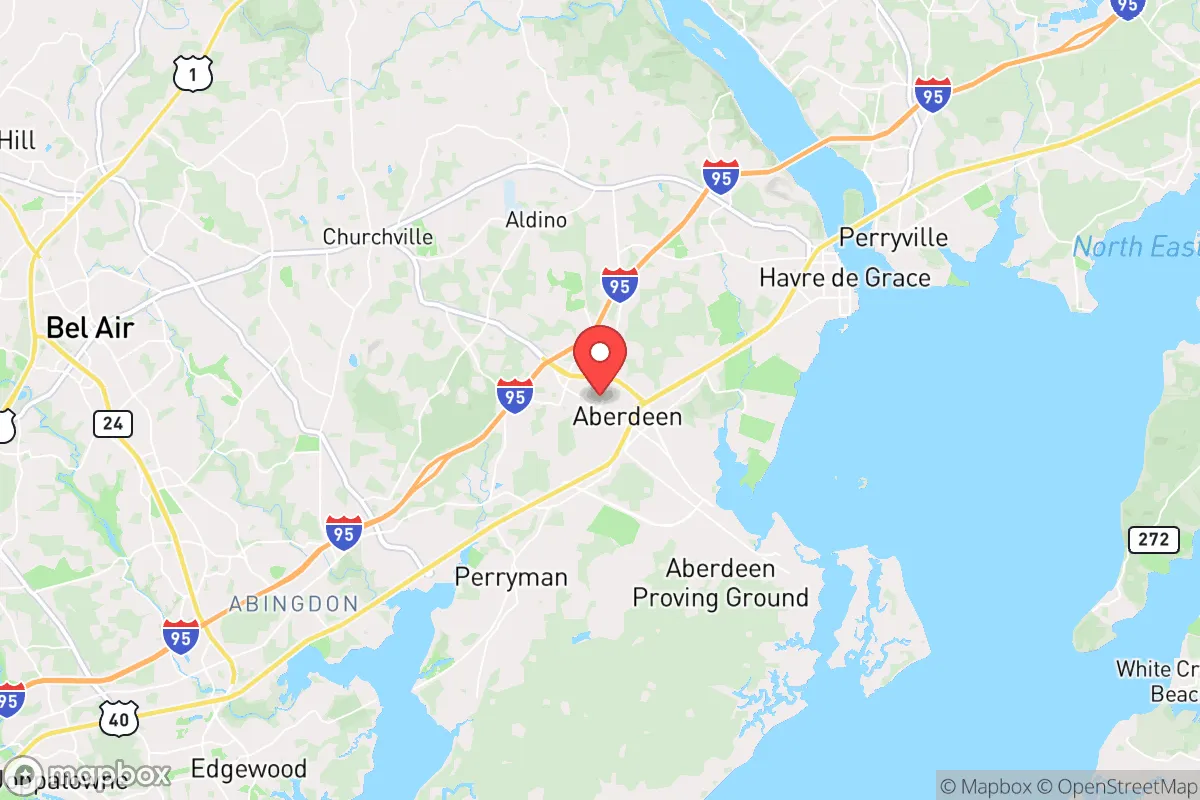
Aberdeen itself is a densely developed town with small lots, typically a quarter-acre or less. True homesteading within the city limits is not viable. You will need to look to the surrounding areas of Harford County, such as Churchville, Darlington, or the rural parts of Havre de Grace. In those areas, you can find lots of 1 to 5 acres, sometimes more. Zoning in the county is generally permissive for agricultural uses, but you will face restrictions on livestock, structures, and waste disposal. Off-grid living is effectively illegal in Maryland. The state requires connection to the electrical grid for new construction, and septic systems must meet strict health department standards. Rainwater collection is legal but regulated, and solar panels are allowed but must be grid-tied. Composting toilets are not permitted as a primary sanitation method. For a prepper seeking true self-reliance, this is a major obstacle. You cannot legally disconnect from the grid, drill your own well without a permit, or build a root cellar without an inspection. The state’s environmental and health regulations are designed to ensure a centralized, monitored infrastructure. The best you can do is a "grid-tied with backup" setup, which still leaves you dependent on the utility company. The viability of homesteading here is low for anyone seeking genuine independence; it is more suited to a "suburban prepper" model where you stockpile supplies and have a garden, but remain connected to the system.
Personal liberties: parental rights, medical autonomy, speech, and property
Parental rights in Maryland are under increasing pressure. The state has a strong public school system that has adopted comprehensive sex education and social-emotional learning curricula that many conservative parents find objectionable. There is no robust parental opt-out law for specific lessons, and the state has moved to limit parental notification regarding gender identity issues in schools. Medical autonomy is also constrained. Maryland has a state-run health insurance exchange and has expanded Medicaid, which increases government involvement in healthcare decisions. Vaccine mandates for school attendance are strict, and there is no broad religious exemption. During the COVID-19 pandemic, the state imposed some of the longest-lasting emergency orders in the country, including mask mandates and business closures. For a prepper, this demonstrates that the state will not hesitate to impose its will on your personal health choices during a crisis. Free speech is protected under the First Amendment, but Maryland has a "hate speech" law that can be used to prosecute certain types of expression, and the state has a strong anti-SLAPP law that protects against frivolous lawsuits, but also can be used to chill speech. Property rights are the most concerning. Maryland has a strong eminent domain power, and the state has used it for economic development projects. The state also has a "critical area" law that restricts development within 1,000 feet of tidal waters, which can severely limit your use of your own land. For the sovereignty-minded individual, the message is clear: your rights are conditional and subject to state override.
Overall, Aberdeen offers a strategic location near military infrastructure and major transportation, but the state of Maryland imposes a heavy hand on personal sovereignty. Compared to states like West Virginia, Pennsylvania, or Virginia (outside the DC suburbs), Maryland is significantly more restrictive on gun rights, property use, medical autonomy, and parental control. For the survivalist or prepper, this is not a destination for building a self-reliant compound. It is a place to live if you have a job at APG or in Baltimore and are willing to accept a lower ceiling on your personal freedoms in exchange for economic opportunity. If your primary goal is maximum sovereignty, you should look to the free states of the Midwest or the Southeast. If you must be in this region, focus on the rural parts of Harford County, but understand that you will be fighting the state every step of the way.

* Values derived from national, state, county, city and local statistics and may differ in a specific area. Last updated: 2026-04-22T04:01:32.000Z
Narrative content on this page is AI-generated and may contain mistakes. Verify any details that matter before acting on them.
ReloMaps may earn a commission from affiliate links at no extra cost to you.

