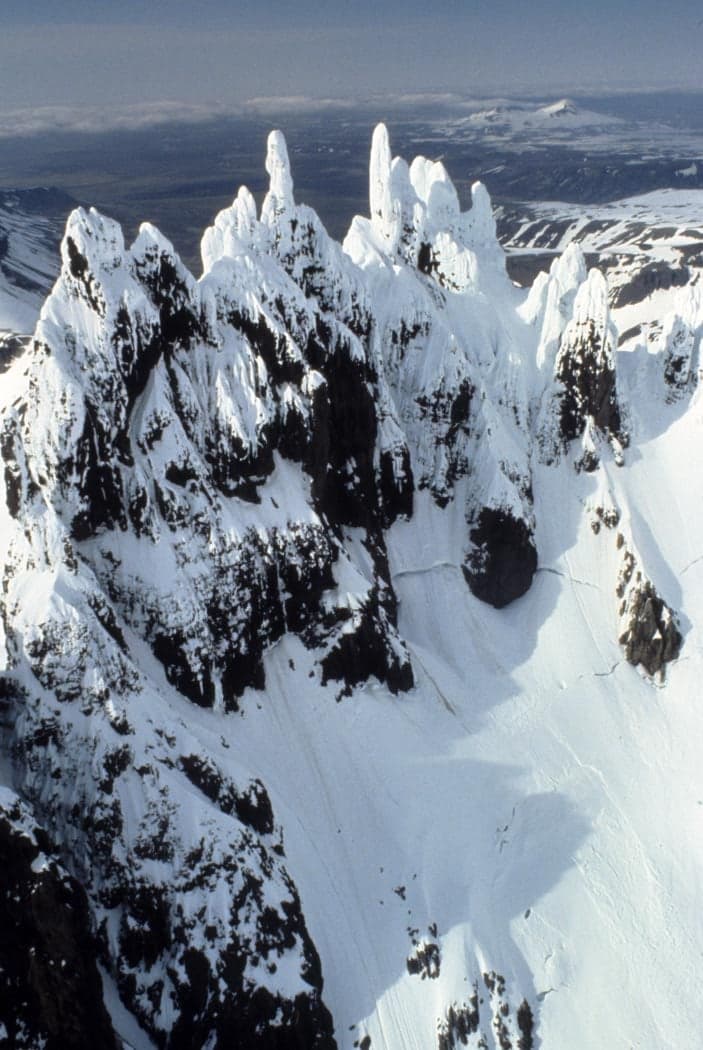
Photo: Wikipedia
Quality of Life in Aleutians East County
A livable area that tracks near national norms for affordability, walkability, and neighborhood health.
What does Quality of Life tell us?
Quality of Life measures an area by evaluating factors like cost of living, nearby amenities, country club access, airport proximity, socioeconomic signals and neighborhood character. For large states, this is a general average — quality of life can vary dramatically between metro areas, suburbs, and rural communities within the same state.
What does this tell us?
Quality of Life measures an area by evaluating factors like cost of living, nearby amenities, country club access, airport proximity, socioeconomic signals and neighborhood character. For large states, this is a general average — quality of life can vary dramatically between metro areas, suburbs, and rural communities within the same state.
Cost of Living
26% below national average
176%
The Real Cost of Living in Aleutians East County for 2026
| Tier | Individual | Family (4) |
|---|---|---|
| Survival | $17k | $31k |
| Comfortable | $28k | $41k |
| Luxury | $102k+ | $158k+ |
| Elite (Top 5%) | $120k+ | $186k+ |
Quality-of-Life Analysis
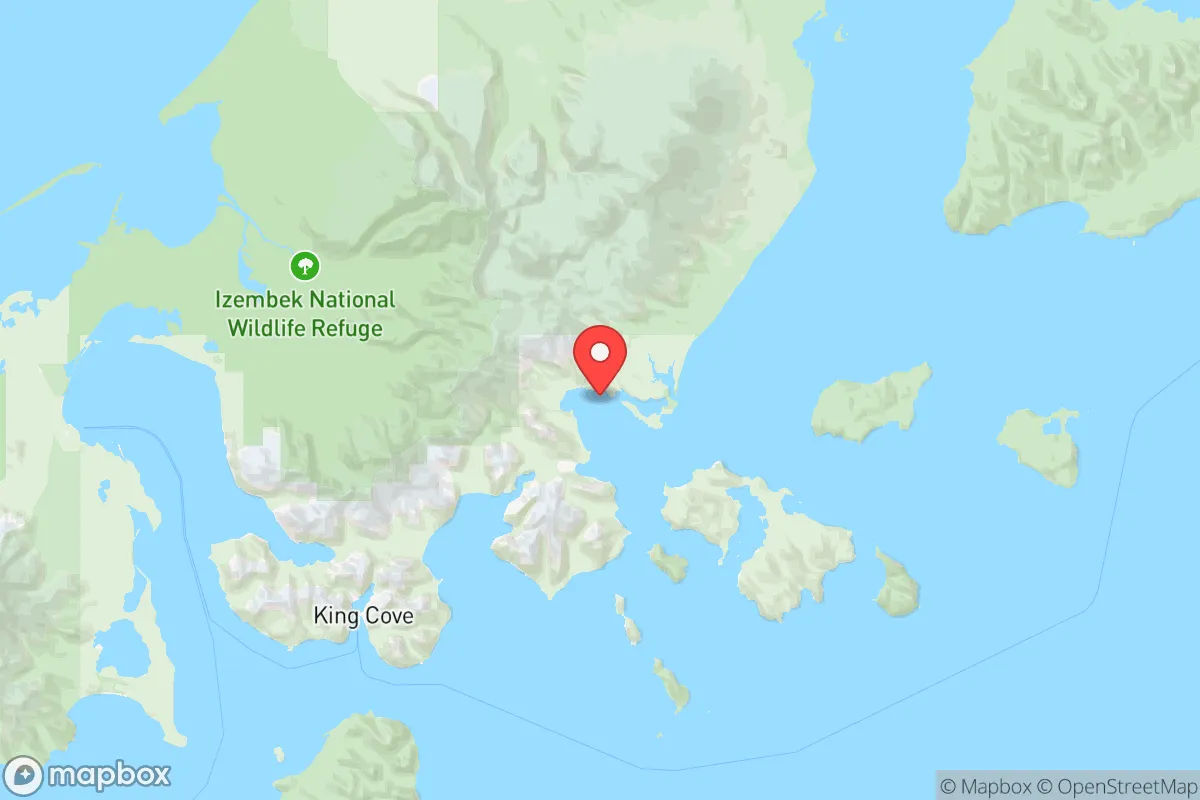
Aleutians East County spans the Alaska Peninsula and includes remote island communities strung along the Gulf of Alaska and Bering Sea. The county attracts commercial fishermen, seafood processors, and federal employees stationed at wildlife refuges – each drawn to a different spot on a spectrum that runs from the relative bustle of Sand Point to the isolated subsistence lifestyle of tiny villages like False Pass. With a cost of living index of 74 (26% below the U.S. average) and a median home value of $144,300, the county offers profound affordability, but trade-offs in access and amenities vary sharply by location.
Largest town(s) & population centers
Sand Point, with roughly 1,000 year-round residents, is the county's most populous community and its commercial hub. Located on Popof Island in the Shumagin Islands, it hosts the largest fishing fleet in the region and a major seafood processing plant operated by Trident Seafoods. Daily life centers on seasonal fishing work; in-town amenities include a clinic, K–12 school, grocery store, and a small airport with regular flights to Anchorage. King Cove, home to about 900 people, is the second-largest town and sits on the southern side of the Alaska Peninsula. Its economy is equally tied to fishing, but it also serves as a transport link via its state-licensed dock and airport. Both communities offer indoor plumbing, electricity, and occasional barge deliveries of goods, but lack road connections to the rest of Alaska – travel between towns is by air or boat.
Smaller towns & rural pockets
Cold Bay, population roughly 50, sits at the western end of the Alaska Peninsula near the Izembek National Wildlife Refuge. It functions primarily as a gateway for wildlife biologists, hunters, and fishermen accessing the remote Alaska Maritime National Wildlife Refuge. The town has a few permanent homes, a lodge, and an airport with the longest runway in the region, but no grocery store or school. False Pass, on the Bering Sea side of Unimak Island, is a tiny village of about 30 residents that operates as a fish processing site during salmon season; off-season, it is nearly empty. Nelson Lagoon, an even smaller Aleut community of about 50 people, is accessible only by air or sea and relies on subsistence harvests of clams, salmon, and seals. Akutan, site of one of the world's largest seafood processing plants (owned by Trident), has a transient workforce of several hundred but only

Crime in Aleutians East County
Higher crime rates than 66% of comparable U.S. locations.
Violent CrimeViolent Crime Analysis
Property CrimeProperty Crime Analysis
Crime Analysis
Aleutians East Borough, a remote chain of fishing communities along the Alaska Peninsula and islands, experiences violent crime at 731.2 incidents per 100,000 residents — nearly double the national average — while property crime at 1916.7 per 100,000 sits roughly on par with the U.S. figure but notably below Alaska's statewide rate. Safety conditions vary sharply between the borough's small, isolated villages; Sand Point, the largest community and commercial fishing hub, accounts for a disproportionate share of reported incidents, while Cold Bay and False Pass see far fewer calls. Limited law enforcement presence and long winter isolation shape day-to-day security for the roughly 3,400 residents scattered across six census-designated places.
Crime in context
Aleutians East's violent crime rate of 731.2 per 100,000 is slightly below Alaska's statewide average of 810 per 100,000 (2022 FBI data) but still about 1.9 times the national rate of roughly 380 per 100,000. Property crime at 1916.7 per 100,000 falls under Alaska's average of 2,410 per 100,000, meaning the borough is somewhat safer than Anchorage or Fairbanks for property offenses, though the national property crime rate of about 1,954 per 100,000 means Aleutians East is statistically close to the U.S. norm. Rape and aggravated assault are the most common violent offenses reported, often tied to alcohol misuse and seasonal influxes of transient workers in the seafood-processing industry.
What residents experience
Daily life in Aleutians East involves navigating a justice system stretched across vast distances. The Alaska State Troopers cover the entire borough from detachments in Sand Point and King Cove, with response times frequently measured in hours or even days during winter storms. Domestic violence and theft from fish-processing facilities and residential sheds are recurring concerns. In Akutan and King Cove, where populations swell during salmon and crab seasons, property crime spikes align with the summer fishing schedule. Residents often rely on informal community watch networks and tribal public safety officers (TPSOs) for immediate response. The Third Judicial District, headquartered in Anchorage, oversees prosecutions; its prosecutor recruitment challenges and a generally progressive state-court approach to sentencing mean some offenders cycle through the system with minimal jail time — a pattern that frustrates victims and community leaders in Sand Point and Nelson Lagoon who feel that repeat property and assault offenders face too few consequences.
Neighborhood-level safety differences within the borough are stark. Sand Point, home to about 1,000 residents and the borough's only high school, sees the highest concentration of both violent and property crimes due to its role as the regional commercial and transportation hub. King Cove, while still having a working waterfront, reports moderately lower crime rates, partly due to a strong local police presence and a year-round population with deeper family ties. Cold Bay and False Pass, with populations under 100 and no local police department, have very low incident counts but also face underreporting — violent incidents may go unrecorded simply because no one calls them in. Akutan, dominated by the Trident Seafoods plant, experiences seasonal property crime surges but few violent acts outside the plant gates. Overall, any resident's safety in Aleutians East hinges on proximity to an active trooper post, the local social fabric, and Alaska's broader criminal justice policies that critics argue prioritize leniency over public protection.
* Values derived from national, state, county, city and local statistics and may differ in a specific area. Last updated: 2026-05-27T20:23:02.000Z
Narrative content on this page is AI-generated and may contain mistakes. Verify any details that matter before acting on them.
ReloMaps may earn a commission from affiliate links at no extra cost to you.

