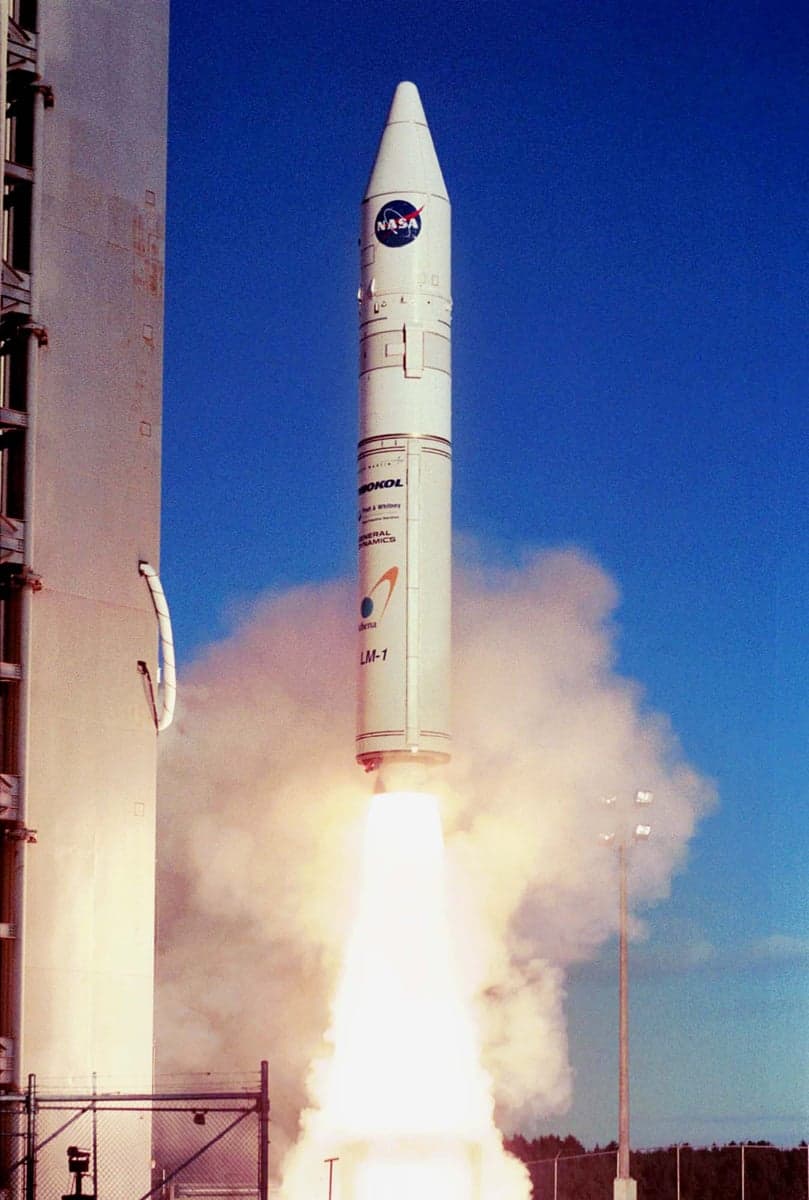
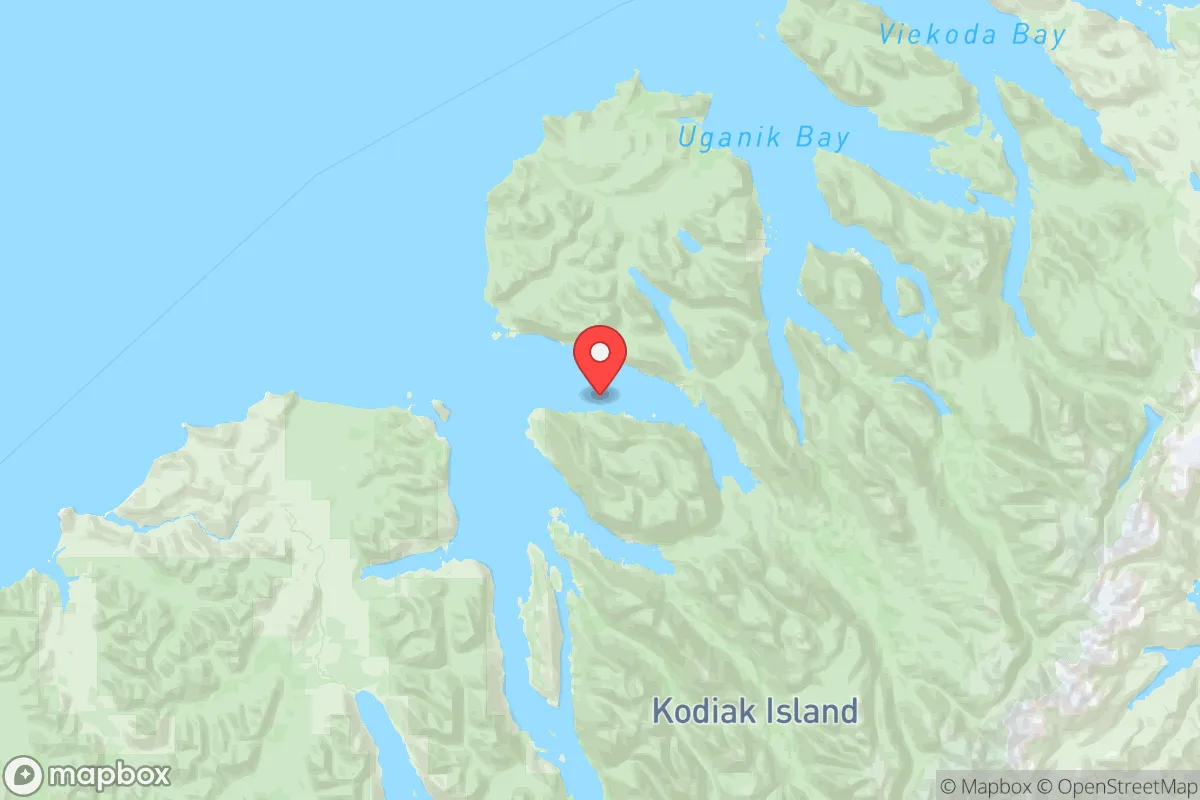

Photo: Wikipedia
Quality of Life in Kodiak Island County
A livable area that tracks near national norms for affordability, walkability, and neighborhood health.
What does Quality of Life tell us?
Quality of Life measures an area by evaluating factors like cost of living, nearby amenities, country club access, airport proximity, socioeconomic signals and neighborhood character. For large states, this is a general average — quality of life can vary dramatically between metro areas, suburbs, and rural communities within the same state.
What does this tell us?
Quality of Life measures an area by evaluating factors like cost of living, nearby amenities, country club access, airport proximity, socioeconomic signals and neighborhood character. For large states, this is a general average — quality of life can vary dramatically between metro areas, suburbs, and rural communities within the same state.
Cost of Living
40% above national average
77%
The Real Cost of Living in Kodiak Island County for 2026
| Tier | Individual | Family (4) |
|---|---|---|
| Survival | $27k | $50k |
| Comfortable | $74k | $109k |
| Luxury | $125k+ | $194k+ |
| Elite (Top 5%) | $147k+ | $228k+ |
Quality-of-Life Analysis
Kodiak Island County, Alaska, offers a quality-of-life spectrum that ranges from the concentrated services of its sole incorporated city to the self-reliant rhythms of remote coastal settlements and road-system-adjacent rural pockets. The county’s character is defined by the Gulf of Alaska and the Kodiak Archipelago, drawing residents who prioritize marine access, commercial fishing livelihoods, and a deep connection to the outdoors. The roughly 13,000 residents are spread across a landmass larger than Connecticut, creating distinct lifestyle zones where commute times, housing costs, and daily amenities shift dramatically depending on whether one lives in the hub of Kodiak city, a village like Ouzinkie, or a homestead along the road system.
Largest town(s) & population centers
The city of Kodiak is the county’s undisputed population and economic center, housing roughly 5,500 people and serving as the commercial, transportation, and government hub for the entire archipelago. Daily life here revolves around the working waterfront—the Coast Guard base, the fishing fleet, and the seafood processing plants that line the harbor. Residents enjoy a compact, walkable downtown with grocery stores, hardware shops, the Kodiak Island Borough School District’s main high school, and Providence Kodiak Island Medical Center. The average commute of just under 11 minutes is among the shortest in Alaska, a direct result of the town’s dense layout and limited road network. Outside of Kodiak city, the unincorporated community of Kodiak Station, adjacent to the Coast Guard base, functions as a bedroom community with military housing and a small commercial strip. Womens Bay, about 10 miles south of town, offers a more suburban feel with larger lots and waterfront homes, while still being within a 15-minute drive of the city’s amenities.
Smaller towns & rural pockets
Beyond the road system, life shifts to a village-based existence accessible only by boat or small aircraft. The largest of these is Port Lions, a community of roughly 170 people on the northeast side of Kodiak Island, founded after the 1964 earthquake. It has a store, a school, and a state ferry dock, but lacks the retail and medical services of Kodiak city. Old Harbor, on the southeast coast, is a traditional Alutiiq village of about 200 residents, where subsistence fishing and hunting remain central to daily life and the nearest hospital is a 45-minute flight away. Ouzinkie, on Spruce Island, is a smaller village of roughly 140 people, known for its Russian Orthodox heritage and tight-knit community. On the road system, but distinctly rural, are areas like Chiniak and Pasagshak, located 30 to 45 miles from Kodiak city at the end of the paved road. These pockets are home to homesteaders, fishermen, and remote workers who accept a longer commute—often 40 minutes to an hour—for privacy, ocean views, and acreage. Larsen Bay and Akhiok, on the island’s western side, are among the most isolated, with populations under 100 and no road connection to Kodiak city at all.
Cost & lifestyle range
The county’s overall cost of living index of 140 (40% above the U.S. average) masks a wide internal spread. In Kodiak city, the median home value of $382,700 and median rent of $1,669 reflect the highest real estate prices in the county, driven by limited land and high demand from Coast Guard families and fishing industry workers. A typical three-bedroom home in town might cost $350,000 to $450,000, while a comparable house on acreage in Chiniak could be $250,000 to $300,000, but with the trade-off of a 45-minute commute on a two-lane road. In villages like Ouzinkie or Old Harbor, housing is often limited to older single-family homes or tribal housing, with very few properties on the open market and rents that can be lower but with far fewer options. Utilities are a major cost differentiator: in Kodiak city, electricity is relatively stable thanks to hydroelectric power, while in rural villages, diesel-generated power can push monthly electric bills to $400 or more. Groceries are expensive everywhere, but the markup is steeper in villages where goods arrive by barge or air. The lifestyle range is thus a trade-off between convenience and space: Kodiak city offers walkability, schools, and healthcare within minutes, while the rural road-system communities and remote villages offer solitude, subsistence access, and lower housing costs at the price of isolation and higher logistical expenses.
This county is best suited for people who are comfortable with marine-dependent logistics, seasonal employment rhythms, and a community where self-reliance is a baseline expectation. Families who want a standard suburban experience with schools and a hospital will gravitate to Kodiak city or Womens Bay. Fishermen, homesteaders, and remote workers who prize privacy and direct ocean access will find their niche in Chiniak, Pasagshak, or the outer villages. Those unwilling to accept limited retail options, high shipping costs, or the occasional weather-delayed flight will struggle here. Kodiak Island County rewards residents who embrace its isolation as a feature, not a bug, and who value a lifestyle built around the sea rather than the highway.

Crime in Kodiak Island County
Higher crime rates than 66% of comparable U.S. locations.
Violent CrimeViolent Crime Analysis
Property CrimeProperty Crime Analysis
Crime Analysis
Kodiak Island County, Alaska, presents a complex safety picture that diverges sharply from both state and national averages. With a violent crime rate of 726.6 per 100,000 residents and a property crime rate of 1,909.5 per 100,000, the county experiences significantly higher violent crime than the U.S. national average (roughly 380 per 100K) and Alaska’s state average (approximately 650 per 100K). Property crime, while elevated, is closer to the state norm but still exceeds the national figure. These statistics reflect a community where safety concerns are concentrated in specific areas and driven by distinct local factors, including a transient population tied to the fishing industry and limited law enforcement resources across a vast, remote geography.
Crime in context
Kodiak Island County’s violent crime rate—nearly double the national average—is heavily influenced by the city of Kodiak, the county seat and only incorporated city. The Kodiak Police Department handles the bulk of reported incidents, with assault and sexual assault cases making up the majority of violent offenses. Property crime, including theft and burglary, is also concentrated in Kodiak’s downtown and near the fishing harbor, where seasonal workers and vessel crews contribute to transient-related crime. In contrast, unincorporated communities like Port Lions, Larsen Bay, and Old Harbor report far fewer incidents per capita, though their small populations (often under 200) make statistical comparisons unreliable. The county’s remote villages, such as Akhiok and Karluk, experience minimal property crime but face unique challenges like limited law enforcement presence—often relying on a single Alaska State Trooper covering hundreds of miles.
What residents experience
For residents, the most pressing safety concern is the high rate of violent crime, particularly sexual assault, which is a persistent issue across rural Alaska. The Kodiak Area Native Association and local shelters report that domestic violence and alcohol-related incidents drive a significant portion of calls for service. Property crime, while less alarming, manifests as theft from vehicles and break-ins at seasonal homes, especially in the summer when the population swells with fishing crews. The county’s judicial system, overseen by the Kodiak District Court, operates under Alaska’s state-level prosecution framework, which has faced criticism for progressive sentencing policies that some argue prioritize rehabilitation over incarceration. This approach, while sympathetic to offenders, can result in shorter sentences and earlier releases, directly impacting public safety by leaving more criminals on the street. Residents in Kodiak city often express frustration with repeat offenders cycling through the system, a pattern less pronounced in villages where community-based justice practices, such as tribal councils, provide alternative oversight.
Neighborhood-level variation within Kodiak Island County is stark. The city of Kodiak itself has safer enclaves, such as the Near Island area and the hillside neighborhoods above town, where property crime is lower and violent incidents are rare. Conversely, the downtown corridor and the Buskin River area near the airport see higher rates of theft and disorder. In the outlying villages, safety is more a function of social cohesion than policing; residents in Ouzinkie and Chiniak report feeling secure despite minimal law enforcement, as community watchfulness and familiarity deter most crime. However, the lack of a dedicated county sheriff—law enforcement is split between Kodiak PD, Alaska State Troopers, and tribal officers—means response times can exceed an hour in remote areas. For newcomers, choosing a residence in the hillside neighborhoods of Kodiak or a tight-knit village like Port Lions offers the best balance of safety and access to services, while avoiding the transient-heavy zones near the harbor.
* Values derived from national, state, county, city and local statistics and may differ in a specific area. Last updated: 2026-05-12T08:25:31.000Z
Narrative content on this page is AI-generated and may contain mistakes. Verify any details that matter before acting on them.
ReloMaps may earn a commission from affiliate links at no extra cost to you.

