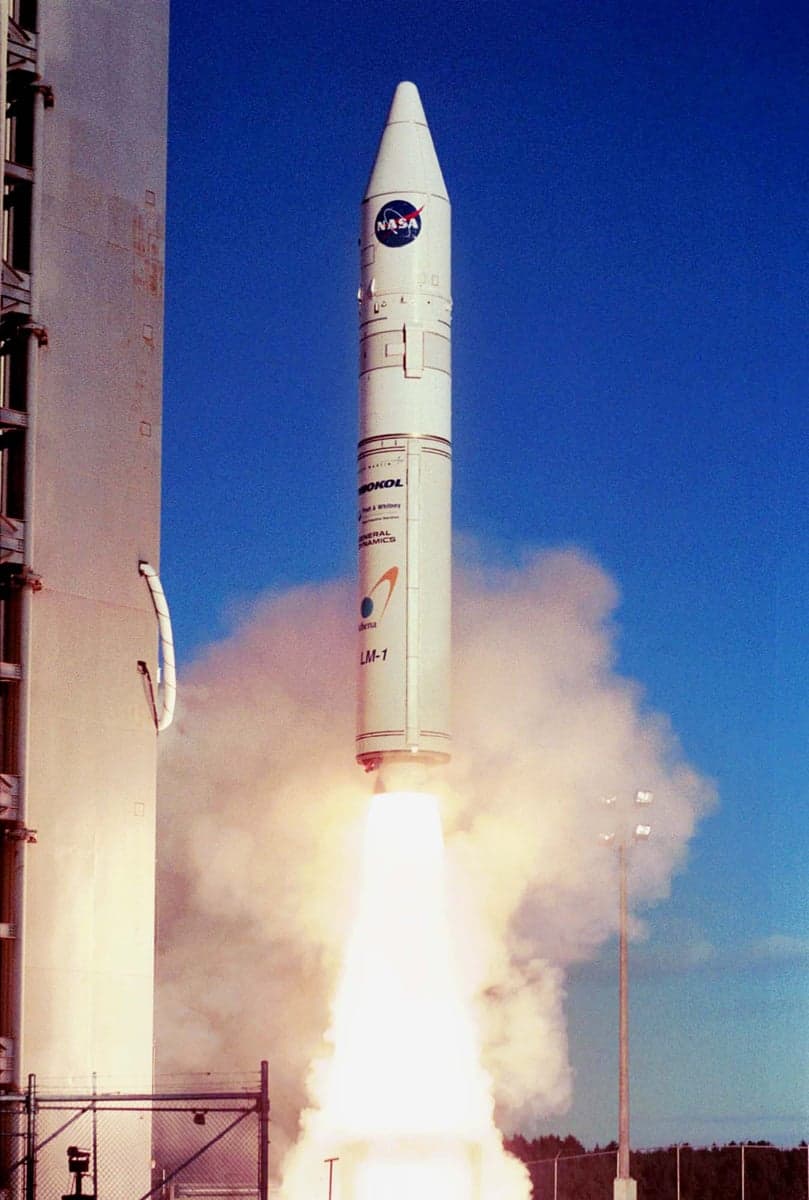
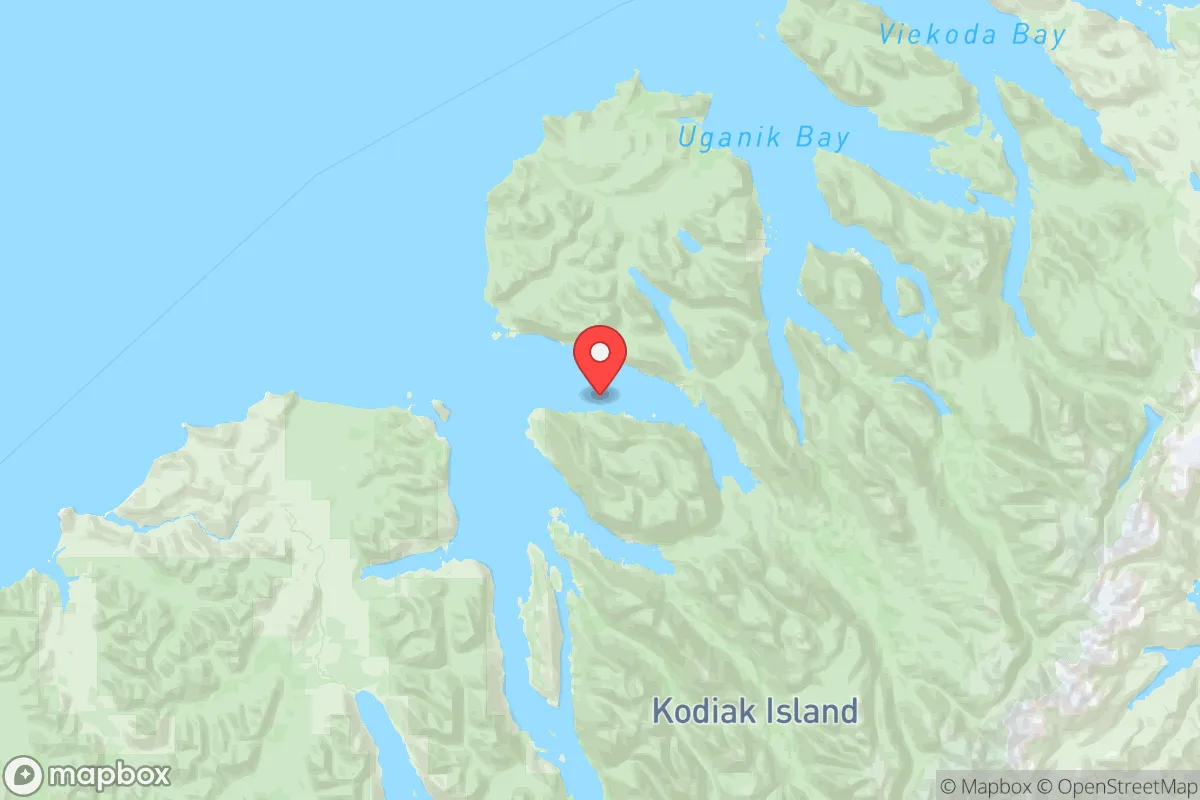

Photo: Wikipedia
Find The Best Places To Live in Kodiak Island County
PRO TIP! You can paste a Zillow or Redfin link to get info on that property.
Best Places to Live in Kodiak Island County
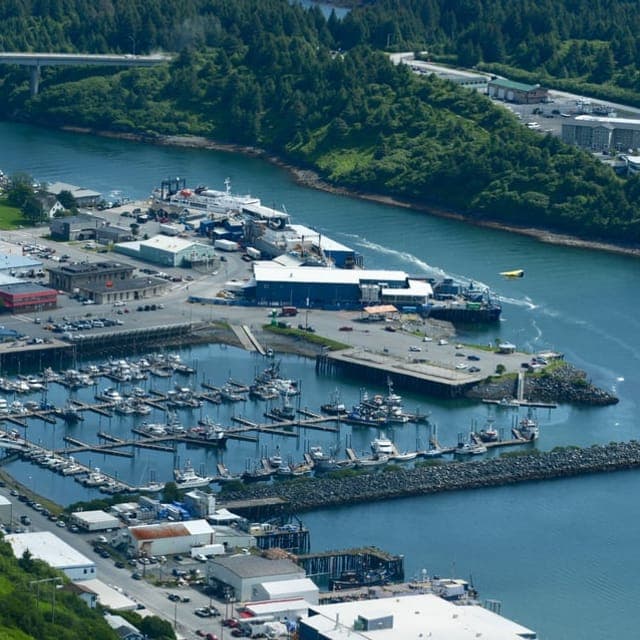
Cities & Towns in Kodiak Island County
Cities in Kodiak Island County
What It's Like Living in Kodiak Island County, AK
Living in Kodiak Island County means trading the Lower 48’s convenience for a life defined by the raw, beautiful isolation of the Gulf of Alaska. The county’s 12,878 residents are spread across the main city of Kodiak, smaller communities like Ouzinkie and Port Lions, and remote villages such as Old Harbor and Akhiok. This is not a place for everyone—it demands self-reliance, a tolerance for rain, and a deep appreciation for a community where everyone knows your name.
Daily Rhythm: Work, Weather, and the Bear in the Backyard
A typical day here starts early, often before dawn. The largest employer is the U.S. Coast Guard Base Kodiak, which brings in a steady stream of active-duty families and civilians. Fishing—both commercial and subsistence—is the other economic engine. You’ll see workers heading to the canneries in Kodiak city or out on boats in the harbor at dawn. The average commute is just over 10 minutes, a luxury that means more time for the outdoors. But that short commute comes with a trade-off: the weather. Kodiak gets over 60 inches of rain a year, and winter days are short and gray. Locals don’t complain about it; they buy good rain gear and get on with it. Grocery shopping is done at the Safeway in Kodiak city or the smaller AC Value Center, but prices are high because nearly everything is shipped in. A gallon of milk can easily top $7. The cost of living index sits at 140, well above the national average, and that reality shapes daily choices.
Sports & Community: High School Hoops and the Kodiak Brown Bear
Sports are a central thread in the social fabric, especially in the smaller villages. Kodiak High School’s football and basketball teams are a major draw, with Friday-night games in the fall packing the gym. The Kodiak Bears are a point of pride, and the rivalry with teams from the Kenai Peninsula is genuine. In villages like Ouzinkie or Port Lions, the school gym is often the community center—hosting everything from basketball tournaments to potlucks. There are no professional sports teams, but the Kodiak Island Hockey Association keeps youth hockey alive, and the annual Kodiak Salmon Derby in August is a huge event, drawing anglers from across the state. For a county this small, the level of participation and enthusiasm is striking.
What’s There to Do: Outdoors, Festivals, and the Bar Scene
If you don’t like the outdoors, you will struggle here. The main draws are world-class fishing for salmon and halibut, hunting for Sitka black-tailed deer, and hiking in the Kodiak National Wildlife Refuge. The Kodiak Brown Bear is the star attraction—you can see them from a safe distance on a guided tour or, if you’re unlucky, in your backyard. For a night out, the bars in Kodiak city—like the Breeze Inn or the Rendezvous—are where locals unwind after a long shift. The annual Kodiak Crab Festival in May is the biggest event of the year, featuring a parade, carnival, and the famous crab-eating contest. In Old Harbor, the Alutiiq culture is celebrated with traditional dance and storytelling events. The downside? Entertainment options are limited. There’s a single movie theater in Kodiak city, and live music is sporadic. For a concert or a mall, you’re looking at a flight to Anchorage.
Pros and Cons of Living Here: What Locals Love and What Frustrates Them
Longtime residents will tell you the best part is the sense of community and safety. People leave their doors unlocked, and neighbors help each other without hesitation. The violent crime rate is 726.6 per 100,000, which is high on paper, but much of that is tied to domestic disputes and alcohol-related incidents in the villages—not random street crime. The median home value is $382,700, which is steep for a place this remote, but the median household income of $83,716 helps offset it. The median age is 35.4, and about 28.6% of adults hold a college degree, giving the county a mix of young families and seasoned fishermen.
What frustrates people? The isolation and the cost of living. A trip to Costco in Anchorage is a planned event, not a quick errand. Internet can be slow and expensive, especially in villages like Akhiok. The weather wears on some people—the constant drizzle and gray skies from October through April can lead to seasonal affective disorder. And while the schools in Kodiak city are decent, the smaller village schools struggle with funding and teacher retention. For parents, this often means considering boarding school or moving to the mainland for high school options.
In short, Kodiak Island County is a place for people who value independence, community, and the raw beauty of Alaska over convenience and comfort. It’s a hard life, but for the right person, it’s the only life worth living.

* Values derived from national, state, county, city and local statistics and may differ in a specific area. Last updated: 2026-05-12T08:25:31.000Z
Narrative content on this page is AI-generated and may contain mistakes. Verify any details that matter before acting on them.
ReloMaps may earn a commission from affiliate links at no extra cost to you.

