Find The Best Places To Live
in Wrangell City And
PRO TIP! You can paste a Zillow or Redfin link to get info on that property.
What It's Like Living in Wrangell City And, AK
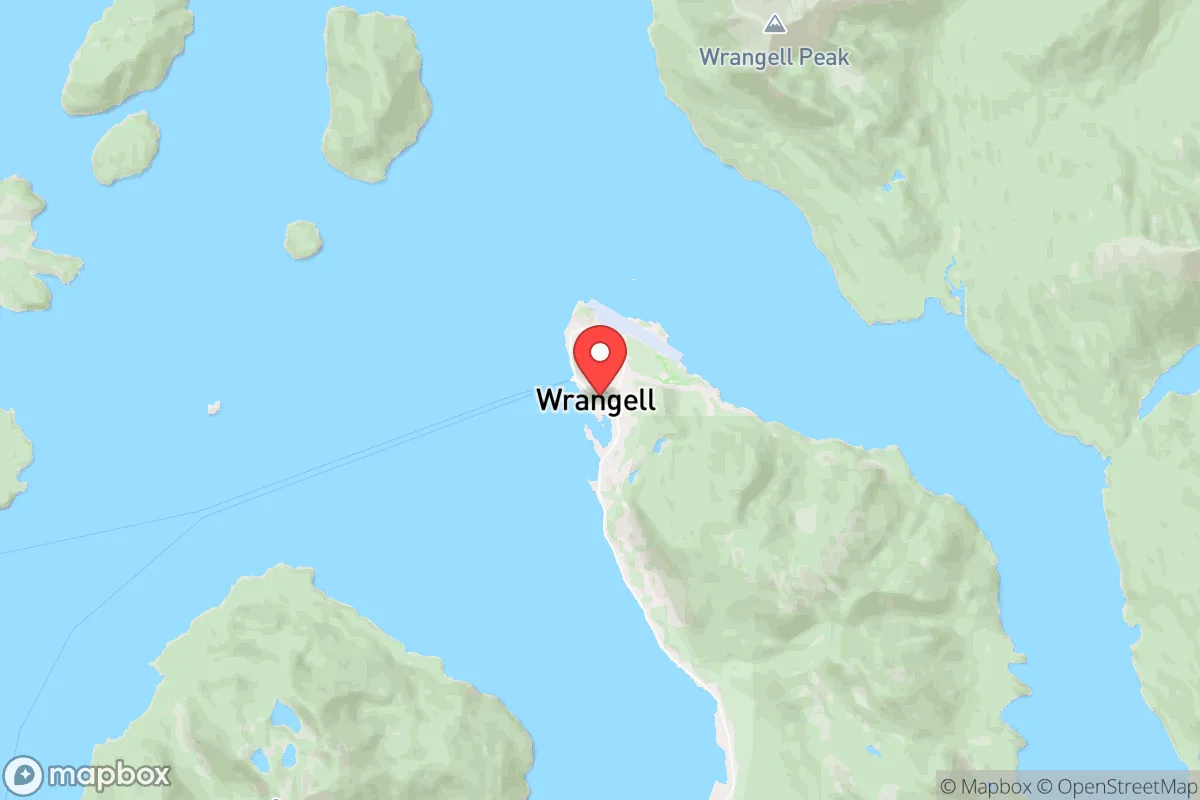
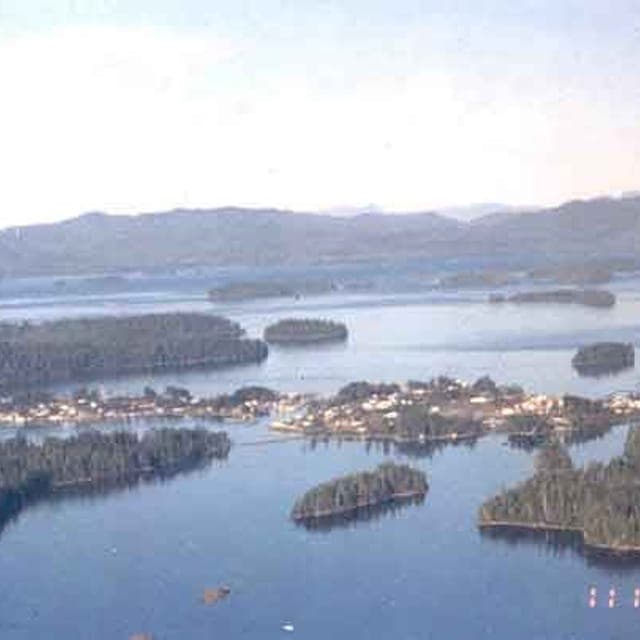
Wrangell is the kind of place where you wave at everyone you pass on the street, not because you have to, but because you probably know them. Tucked on the northern tip of Wrangell Island in Southeast Alaska, this community of roughly 2,106 people feels more like an extended family than a town, with a pace of life dictated by tides, weather, and the rhythms of the fishing fleet. It’s a working town, not a tourist hub, and the people who thrive here are the ones who find comfort in quiet, self-reliance, and a deep connection to the surrounding wilderness.
The Daily Rhythm: Slow, Self-Reliant, and Tied to the Water
Life in Wrangell moves at a deliberate pace. The median age here is 44.3, which skews older than the national average, and you’ll notice that many residents have deep roots—families that have fished, logged, or worked in the local seafood processing plants for generations. The average commute is a remarkably short 19.5 minutes, which is less a statistic and more a reflection of how compact the town is. Most people live within a few miles of the grocery store, the post office, and the harbor. Shopping is limited to essentials at the local IGA or Alaska Commercial Company; for anything beyond that, residents rely on Amazon or a trip to Juneau or Ketchikan via the Alaska Marine Highway ferry. Weekends are often spent on the water—fishing for salmon or halibut, crabbing, or simply cruising the Inside Passage in a skiff. The local bar, the Stikine Inn, is a social anchor, where you’ll find fishermen, loggers, and state workers swapping stories over beer and burgers.
Who Fits In: The Self-Starters and the Steady-Handed
Wrangell isn’t for everyone. It’s a place for people who don’t mind a little isolation and who value quiet competence over constant stimulation. The median household income is $64,545, which is modest by Alaskan standards but goes further here because the cost of living index is 95—actually below the national average. That’s rare for Alaska, and it means housing is more attainable than in many other Southeast towns. The median home value sits at $289,700, which is reasonable for a coastal property with a view. The kind of person who fits in here is someone who can fix their own boat, doesn’t mind a week of rain, and finds satisfaction in a day of hard physical work—whether that’s commercial fishing, working at the local sawmill, or teaching at the elementary school. Families with young children are a smaller slice of the population, but those who are here tend to be deeply involved in the school systemaine, which serves as a community hub for sports, potlucks, and town meetings.
What There Is to Do: Festivals, Fishing, and the Great Outdoors
Entertainment in Wrangell is decidedly low-key and nature-focused. The big annual event is the Wrangell Salmon Derby in May, which draws participants from across the region and is a genuine community celebration—think weigh-ins, cook-offs, and a lot of friendly competition. The Fourth of July parade is another highlight, with a small-town charm that includes fire trucks, kids on bikes, and a community barbecue. For outdoor enthusiasts, the Stikine River is a world-class destination for jet-boat tours, birding (the area is famous for its bald eagle and trumpeter swan populations), and hiking the Mount Dewey Trail for panoramic views of the harbor. There’s no movie theater, no mall, and no chain restaurants—the dining scene is limited to a handful of local spots like the Dockside Galley for fish and chips and the Zak’s Cafe for breakfast. The local high school sports teams—the Wrangell Wolves—are a big deal, with basketball and volleyball games drawing packed gyms on winter nights. It’s the kind of community where the whole town shows up for the homecoming game.
Pros and Cons of Living Here: What You Gain and What You Give Up
The honest pros of Wrangell are real and tangible. You get a low cost of living for Alaska, a tight-knit community where people actually help each other, and world-class fishing and hunting right out your back door. The lack of crowds and traffic is a genuine luxury. The cons are equally real. The violent crime rate is 726.6 per 100,000, which is high even by Alaskan standards—though much of that is tied to domestic disputes and alcohol-related incidents within a small population, not random street crime. It’s something to be aware of, not necessarily afraid of, but it’s a factor that long-time residents will mention candidly. The weather is another trade-off: expect over 200 days of rain or drizzle a year, with winters that are dark but not brutally cold (average January highs in the mid-30s). The isolation can wear on people who aren’t self-sufficient—there’s no road out of town, so you’re dependent on the ferry or small planes for any off-island travel. And with only 18.9% of adults holding a college degree, the professional job market is thin; most employment is in fishing, government, healthcare, or the school district.
Wrangell isn’t a place you move to on a whim. It’s a place you choose deliberately, knowing that the trade-offs—the rain, the isolation, the limited options—are worth it for the quiet, the community, and the raw beauty of the Tongass National Forest that surrounds you. If you’re looking for a place where you can own a home without a six-figure mortgage, where your neighbors know your name, and where the biggest decision of the week is whether to fish the Stikine or the harbor, Wrangell might just be your kind of town.

Similar small towns to Wrangell City And
* Values derived from national, state, county, city and local statistics and may differ in a specific area. Last updated: 2026-04-19T19:43:40.000Z
Narrative content on this page is AI-generated and may contain mistakes. Verify any details that matter before acting on them.
ReloMaps may earn a commission from affiliate links at no extra cost to you.

