Photo: Wikipedia
Quality of Life in Allentown, PA
Above-average quality of iife. The area offers a reasonable cost of living, decent mobility, and a mix of neighborhood amenities.
What does Quality of Life tell us?
Quality of Life blends cost of living, nearby amenities, socioeconomic signals, and neighborhood character. City-level scores represent the whole municipality; individual neighborhoods can differ.
What does this tell us?
Quality of Life blends cost of living, nearby amenities, socioeconomic signals, and neighborhood character. City-level scores represent the whole municipality; individual neighborhoods can differ.
Cost of Living
8% below national average
The Real Cost of Living in Allentown, PA for 2026
| Tier | Individual | Family (4) |
|---|---|---|
| Survival | $20k | $38k |
| Comfortable | $37k | $54k |
| Luxury | $89k+ | $138k+ |
| Elite (Top 5%) | $104k+ | $162k+ |
99%
The Area Signal
A metric tracking the socioeconomic signals of the area.
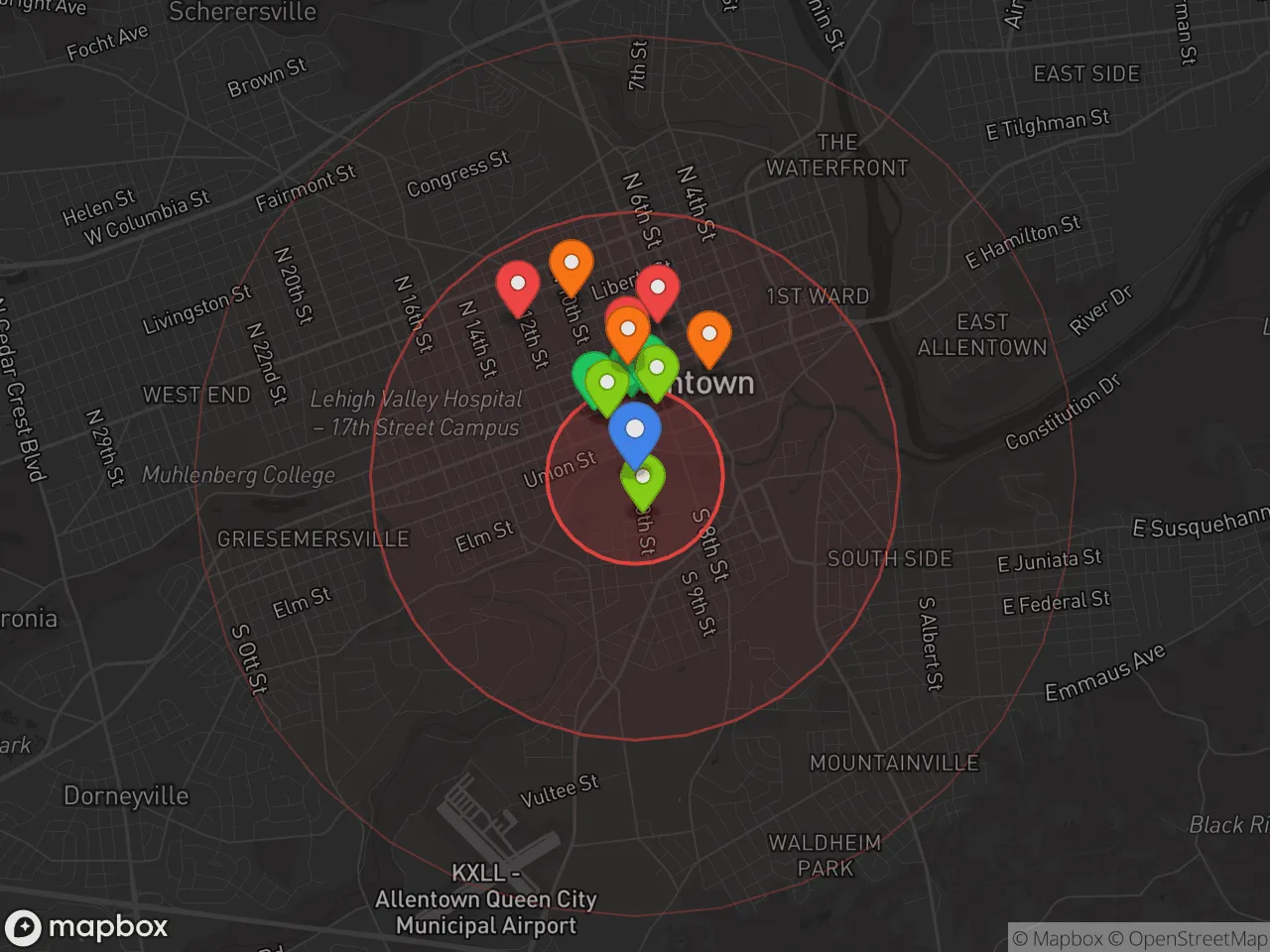
Hobbies
Explore the areaGroceries
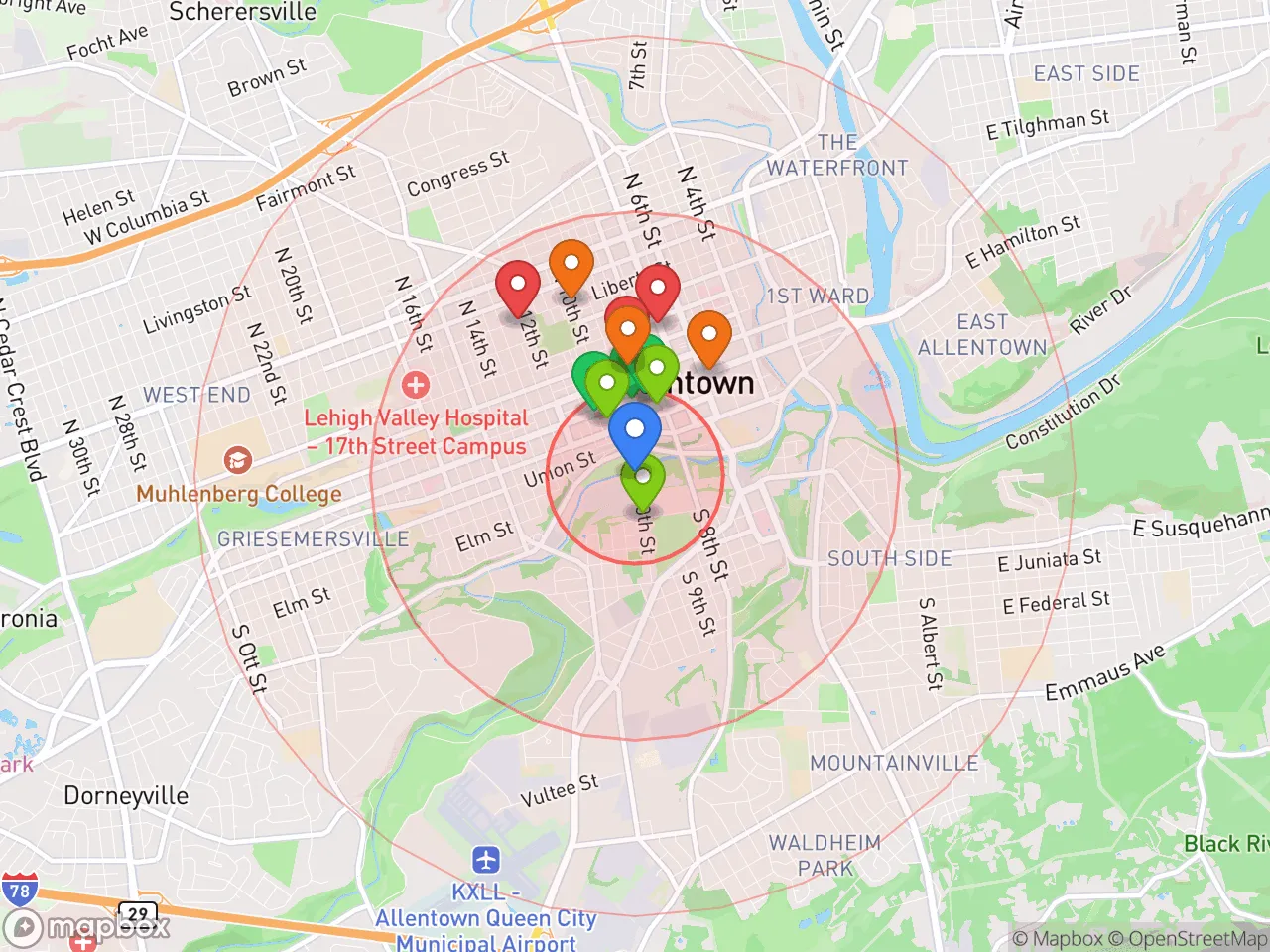
7 within 10 miles
Gas
20 within 10 miles
Hospital
20 within 20 miles
Airport
PHL — Philadelphia International
Post Office
USPS — Allentown, PA
Critical Amenities
Quality-of-Life Analysis
Allentown, Pennsylvania, offers a notably affordable quality of life relative to the broader Northeast corridor, with a cost of living index of 92 (where 100 equals the U.S. average). The city attracts a mix of young professionals, working-class families, and retirees drawn by its lower housing costs and proximity to both Philadelphia (about 60 miles south) and New York City (about 90 miles east). While Allentown is not an affluent enclave—its median household income trails the national average—it provides a solid, middle-class lifestyle with a growing downtown revitalization and access to the Lehigh Valley's industrial and healthcare job base.
How housing costs and affordability compare to nearby areas
Allentown's housing market is a primary draw for cost-conscious movers. The median home value sits at $188,900, significantly below the Pennsylvania state median of roughly $230,000 and far under the Philadelphia metro's $310,000. Median rent is $1,269, which undercuts nearby Bethlehem (around $1,400) and Easton (around $1,350). The average commute of 24.8 minutes is shorter than the national average of 26.4 minutes, a practical advantage for workers commuting to Lehigh Valley's major employers like Lehigh Valley Health Network, Air Products, and PPL Corporation. However, property taxes in Lehigh County are moderately high—around 2.1% of assessed value—which can offset some savings for homeowners. For renters, the affordability gap is clearest: a one-bedroom in Allentown costs roughly 30% less than a comparable unit in Philadelphia's suburbs.
What daily life is like for families and professionals
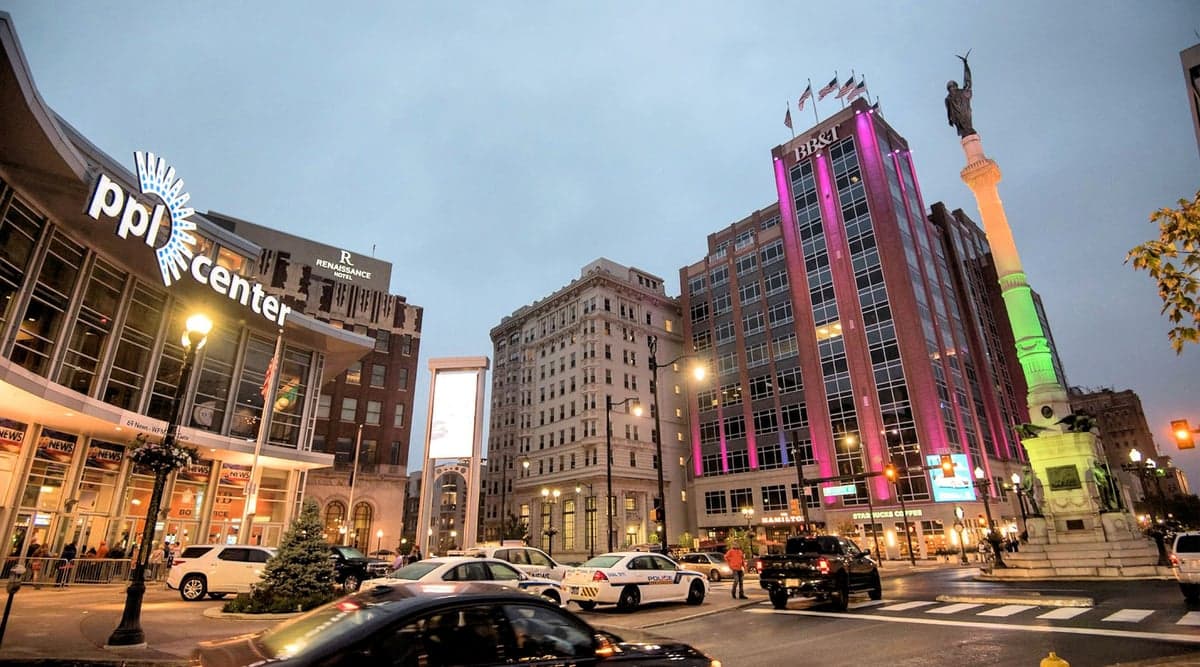
Daily life in Allentown centers on a mix of urban convenience and suburban accessibility. The Allentown School District serves about 17,000 students, though many families opt for charter schools or nearby suburban districts like Parkland or Southern Lehigh, which consistently rank among Pennsylvania's top 20%. Amenities include the Allentown Art Museum, the PPL Center (hosting minor-league hockey and concerts), and the Lehigh Valley Zoo. The city's downtown has seen a resurgence since the 2010s, with new apartments, breweries, and the SteelStacks arts campus in neighboring Bethlehem. For outdoor recreation, the Lehigh Parkway offers 6 miles of trails along the Little Lehigh Creek, while the Appalachian Trail is a 30-minute drive north. The rhythm is slower than Philadelphia but busier than rural Pennsylvania—restaurants and bars stay active until 10 p.m. on weeknights, and weekend farmers' markets at the Allentown Fairgrounds draw crowds. Public transit via LANTA buses is functional but limited, making a car nearly essential for most errands.
Allentown is best suited for budget-conscious professionals and families who prioritize lower housing costs and a manageable commute over high-end amenities or top-tier public schools. The city works well for those employed in Lehigh Valley's healthcare, manufacturing, or logistics sectors, as well as remote workers seeking an affordable base within striking distance of major East Coast cities. Retirees on fixed incomes also find the cost of living appealing, though those seeking walkable urban density may prefer Bethlehem's historic district. For anyone willing to navigate moderate property taxes and a school system with mixed outcomes, Allentown delivers a practical, grounded quality of life that is increasingly rare in the Northeast.

Crime in Allentown, PA
Generally safer than 56% of comparable U.S. locations.
Violent CrimeViolent Crime Analysis
Property CrimeProperty Crime Analysis
Crime Analysis
Allentown, Pennsylvania, presents a mixed safety profile for potential residents. The city’s violent crime rate of 262 incidents per 100,000 residents is notably higher than the national average, while its property crime rate of 1,422 per 100,000 also exceeds typical benchmarks. As a large metro area in a state with liberal-leaning judicial policies, readers should be aware that progressive district attorneys and judges in the region may prioritize offender rehabilitation over strict sentencing, a factor that can contribute to higher recidivism and more criminals on the street.
Crime in context
Allentown’s violent crime rate of 262 per 100,000 is roughly 25% higher than the national average of about 210 per 100,000, and significantly above the Pennsylvania state average of approximately 240 per 100,000. Property crime in Allentown stands at 1,422 per 100,000, which is about 30% above the national property crime rate of roughly 1,100 per 100,000. These figures place Allentown in a higher-risk category compared to many smaller cities and suburban areas in the Lehigh Valley. The influence of progressive judicial philosophies in Lehigh County—where district attorneys have implemented policies like cash bail reform and reduced prosecution for certain non-violent offenses—means that offenders may face lighter consequences, potentially emboldening criminal activity and undermining public safety.
What residents experience
Residents of Allentown frequently cite property crimes—such as vehicle break-ins, theft from porches, and residential burglaries—as the most common safety concerns. Violent incidents, while less frequent, are concentrated in specific areas, particularly around the downtown corridor and near public housing complexes. The city’s police department has struggled with staffing shortages, which can delay response times. Additionally, the broader Lehigh Valley’s progressive criminal justice reforms, including the expansion of diversion programs and reduced incarceration for drug offenses, have been criticized for failing to deter repeat offenders. For families and individuals, this means a heightened need for personal security measures, such as home alarm systems and neighborhood watch participation.
Neighborhood-level variation is significant in Allentown. The West End and areas near Cedar Crest College generally report lower crime rates, while the downtown core and parts of the East Side experience higher incident numbers. Suburban communities like Emmaus and Whitehall Township offer safer alternatives with crime rates closer to state averages. Prospective residents should research specific block-level data through the Allentown Police Department’s crime mapping tool and consider that the city’s progressive judicial environment may limit the effectiveness of traditional law enforcement approaches, making personal vigilance and community engagement essential for safety.
* Values derived from national, state, county, city and local statistics and may differ in a specific area. Last updated: 2026-05-02T01:09:54.000Z
Narrative content on this page is AI-generated and may contain mistakes. Verify any details that matter before acting on them.
ReloMaps may earn a commission from affiliate links at no extra cost to you.

