Photo: Wikipedia
Find The Best Places To Live
in Philadelphia
PRO TIP! You can paste a Zillow or Redfin link to get info on that property.
What It's Like Living in Philadelphia, PA
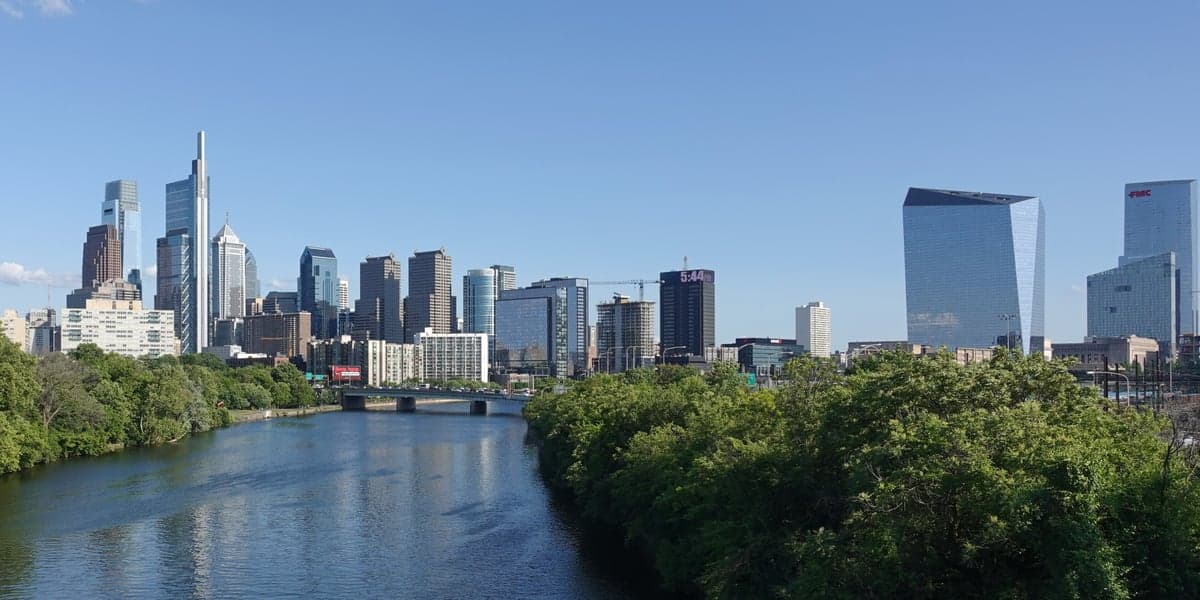
Philadelphia is a city that wears its history on its sleeve but lives firmly in the present — a place where cobblestone streets and colonial-era landmarks sit a block from row homes with cheesesteak joints on the corner. It’s gritty, proud, and unpretentious, with a pace that feels faster than Pittsburgh but slower than New York. For the conservative-leaning single or parent considering a move, Philly offers a dense urban experience with a surprisingly strong sense of neighborhood identity, but it also comes with real trade-offs in safety, schools, and daily convenience that are worth understanding before you pack a U-Haul.
The Daily Grind: Neighborhoods, Commutes, and Realities
Life in Philadelphia revolves around its neighborhoods — Fishtown, Northern Liberties, South Philly, and Chestnut Hill all feel like distinct small towns. Most residents shop at local ACME or Giant supermarkets, grab hoagies from Wawa, and hit Reading Terminal Market for weekend produce and roast pork sandwiches. The average commute clocks in at 32 minutes, which is longer than the national average but shorter than New York or D.C. — and many people rely on SEPTA’s regional rail or the Broad Street subway line. Traffic on I-95 and the Schuylkill Expressway is a daily frustration; locals call it the “Sure-Kill” for a reason. Weather-wise, you get four distinct seasons: humid summers, crisp falls, gray winters with occasional snow, and a brief but beautiful spring. The median age of 35.1 reflects a city with a solid mix of young professionals and families, though many parents move to the suburbs by the time kids hit school age due to concerns about the public school system.
Sports, Community, and What People Actually Do
Sports are the city’s secular religion. The Eagles (NFL), Phillies (MLB), 76ers (NBA), and Flyers (NHL) all command fierce loyalty — game days at Lincoln Financial Field or Citizens Bank Park are rowdy, family-friendly affairs where tailgating starts at 9 a.m. High school sports, especially Catholic League football and basketball, draw real crowds, and the annual Penn Relays at the University of Pennsylvania are a track-and-field institution. On weekends, locals bike along the Schuylkill River Trail, kayak on the river, or hike in Wissahickon Valley Park — a 2,000-acre wooded gorge within city limits. The restaurant scene is legendary for its BYOBs (bring your own bottle), Italian Market finds, and classic spots like Pat’s and Geno’s for cheesesteaks. Major festivals include the Philadelphia Flower Show, the Made in America music festival, and the sprawling South 9th Street Italian Market Festival. For a quieter evening, head to a dive bar like McGillin’s Olde Ale House or a craft brewery in Kensington.
Who Fits In — and Who Might Struggle
Philadelphia works best for people who value authenticity over polish. It’s a blue-collar city with a white-collar economy — major employers include Comcast, the University of Pennsylvania, Jefferson Health, and Independence Blue Cross. The median household income is $60,698, below the national average, and the cost of living index sits at 101 (just above the U.S. average). Home values are a relative bargain: median home value of $232,400, which is affordable compared to Boston or D.C. but climbing fast in trendy neighborhoods. About 34.6% of adults hold a bachelor’s degree, so you’ll find educated professionals but also a strong working-class presence. The kind of person who thrives here is someone who doesn’t mind a little grit — who can handle parking on a narrow street, tolerate occasional noise from neighbors, and appreciate that the guy at the deli counter might give you attitude but will remember your order. Parents often find the city challenging: the public school system is underfunded and inconsistent, and the violent crime rate of 821.6 per 100,000 is among the highest in the nation, concentrated in certain neighborhoods. Many families opt for Catholic or private schools, or move to the suburbs by third grade.
Pros, Cons, and Cultural Quirks
What longtime residents love:
- Walkable neighborhoods with real character — you can live without a car in Center City or University City
- World-class museums (the Philadelphia Museum of Art, the Barnes Foundation) and a thriving live music scene at venues like the TLA and Union Transfer
- A genuine sense of community — people look out for each other on their block, and local traditions like Mummers Parade on New Year’s Day are taken seriously
- Affordable housing compared to other East Coast cities, especially if you’re willing to buy a row home and fix it up
What frustrates them:
- Property taxes are high relative to home values, and the city wage tax (3.75% for residents) eats into paychecks — even if you work from home for an out-of-state company, you still owe it
- Crime and public safety are genuine concerns; you learn which blocks to avoid after dark, and car break-ins are common even in “good” areas
- Parking is a nightmare — many row homes have no driveway, and street parking means playing “the parking game” after 5 p.m.
- The school system is a dealbreaker for many parents, forcing tough choices about private tuition or a move to the suburbs
Culturally, Philadelphians are direct to the point of rudeness — but it’s not malice, it’s efficiency. You’ll hear “yo” used as a greeting, and everyone has an opinion on who makes the best cheesesteak (it’s John’s Roast Pork, by the way). The city’s identity is proudly working-class, even as condos rise in Fishtown and tech workers move in. If you’re looking for a place with deep roots, affordable urban living, and a no-BS attitude, Philadelphia could be your fit — just come with realistic expectations about safety, schools, and the wage tax.

Similar major cities to Philadelphia
* Values derived from national, state, county, city and local statistics and may differ in a specific area. Last updated: 2026-05-01T21:36:02.000Z
Narrative content on this page is AI-generated and may contain mistakes. Verify any details that matter before acting on them.
ReloMaps may earn a commission from affiliate links at no extra cost to you.

