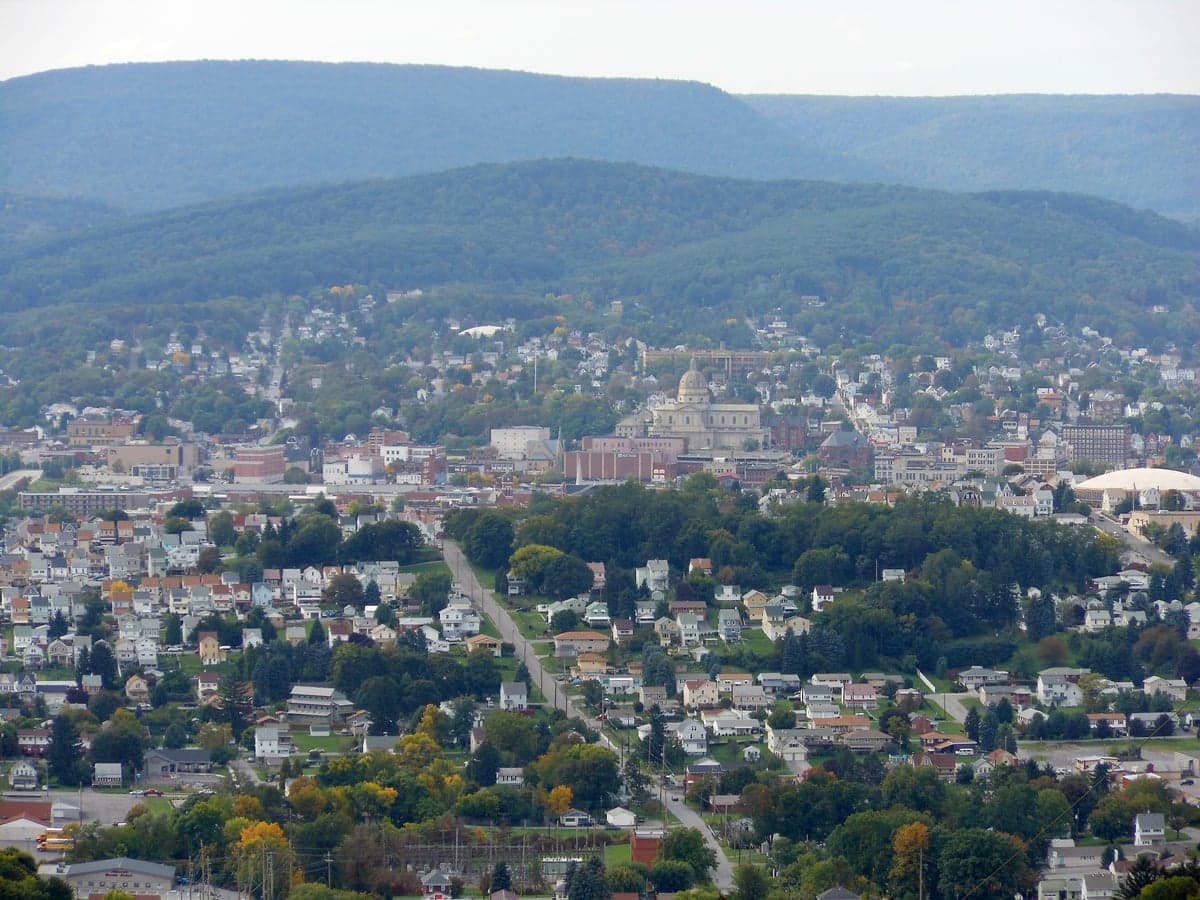
Photo: Wikipedia
Quality of Life in Altoona, PA
A high quality of life with strong walkability, manageable living costs, healthy neighborhood signals, and solid amenity access.
What does Quality of Life tell us?
Quality of Life blends cost of living, nearby amenities, socioeconomic signals, and neighborhood character. City-level scores represent the whole municipality; individual neighborhoods can differ.
What does this tell us?
Quality of Life blends cost of living, nearby amenities, socioeconomic signals, and neighborhood character. City-level scores represent the whole municipality; individual neighborhoods can differ.
Cost of Living
43% below national average
The Real Cost of Living in Altoona, PA for 2026
| Tier | Individual | Family (4) |
|---|---|---|
| Survival | $13k | $24k |
| Comfortable | $22k | $32k |
| Luxury | $91k+ | $140k+ |
| Elite (Top 5%) | $108k+ | $168k+ |
155%
The Area Signal
A metric tracking the socioeconomic signals of the area.
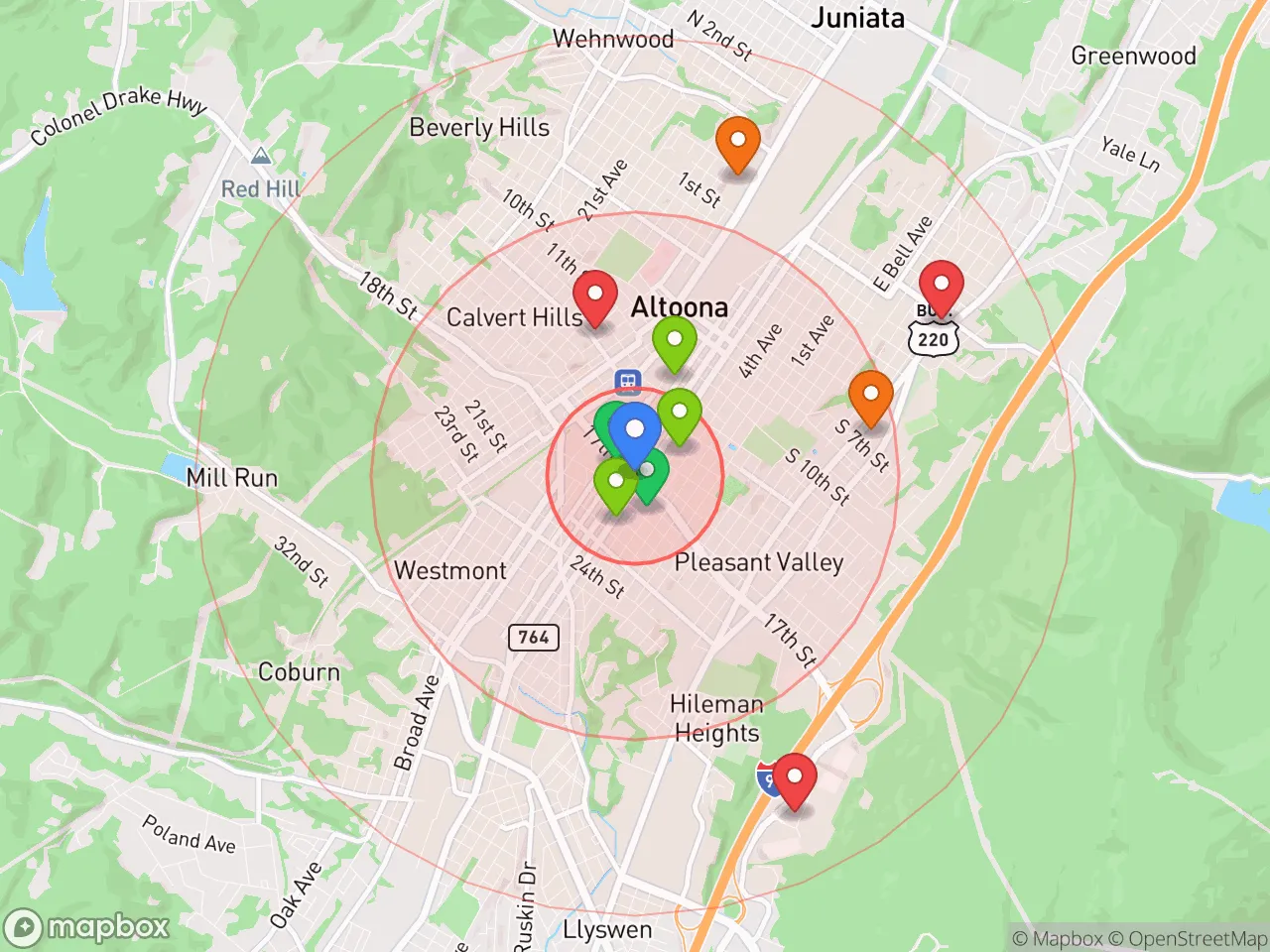
Hobbies
Explore the areaGroceries
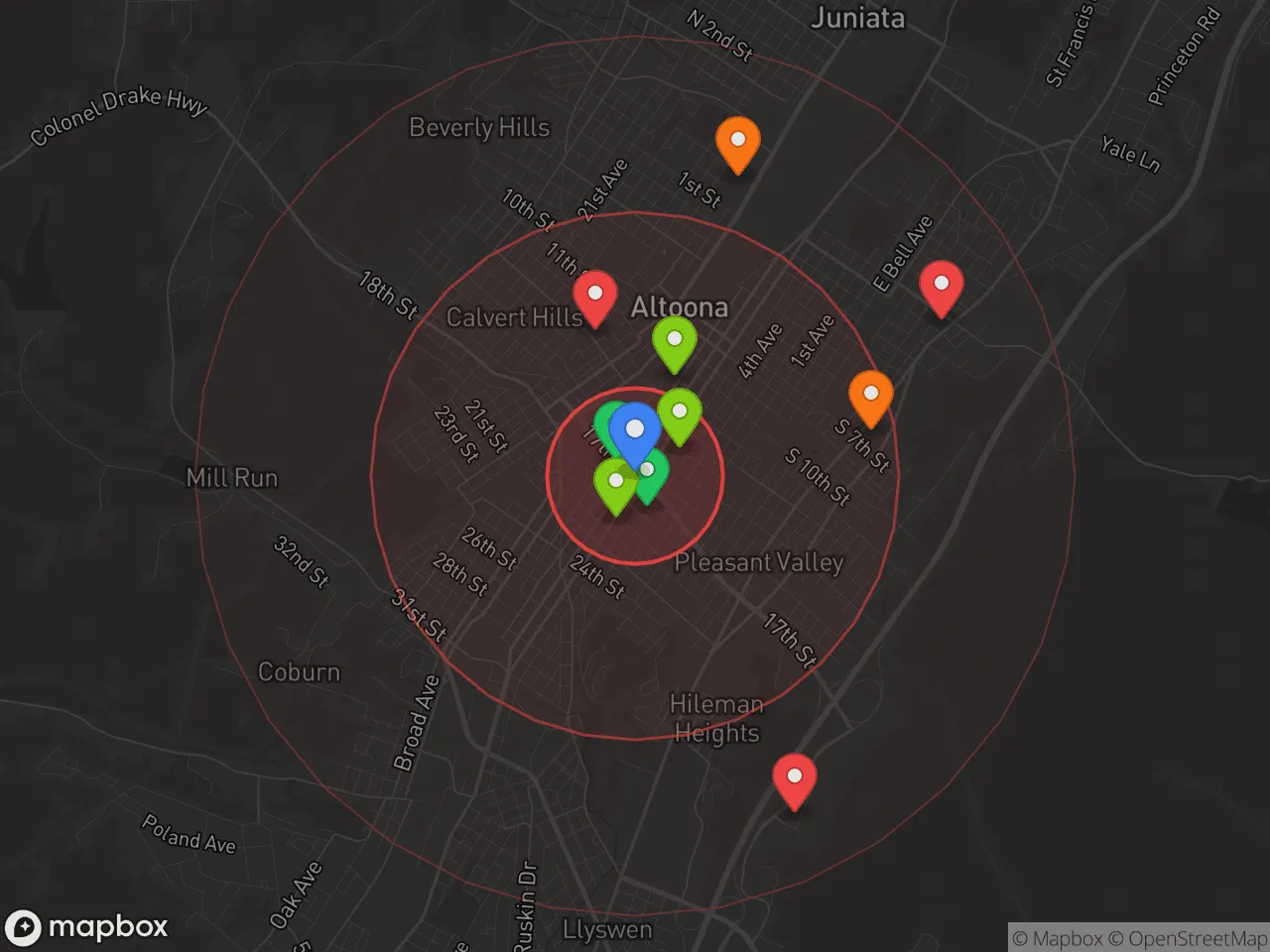
5 within 10 miles
Gas
20 within 10 miles
Hospital
6 within 20 miles
Airport
Pittsburgh International Airport
Post Office
USPS — Altoona, PA
Critical Amenities
Quality-of-Life Analysis
Altoona, Pennsylvania, offers a cost of living that is dramatically lower than the national average, attracting a mix of working-class families, retirees on fixed incomes, and remote workers seeking financial breathing room. With a cost of living index of 57 (43% below the U.S. average), the city provides a distinctly affordable lifestyle that stands in sharp contrast to the pricier corridors of Philadelphia or Pittsburgh. The population skews older and more rooted, with many residents employed in healthcare, logistics, and manufacturing, giving the area a stable, blue-collar character.
How affordable is Altoona compared to State College and Johnstown?
Altoona’s housing market is one of the most accessible in Pennsylvania. The median home value sits at $113,600, while the median rent is $789—figures that are roughly half of what you would find in State College, just 40 miles east. Compared to Johnstown, Altoona is slightly pricier for homes but offers a wider range of amenities and a stronger job market. The average commute time of 18.7 minutes is well below the national average of 26 minutes, meaning residents spend less time in traffic and more time at home. For a household earning the regional median income of roughly $50,000, homeownership is not only possible but often cheaper than renting, especially when factoring in Pennsylvania’s relatively low property taxes for owner-occupied homes.
What daily life is like for families and retirees in Altoona
Daily life in Altoona revolves around a compact, walkable downtown and a network of well-maintained parks. The Altoona Area School District serves roughly 7,500 students and includes Altoona Area High School, which offers a robust vocational-technical program. For healthcare, UPMC Altoona is a major regional employer and provides comprehensive medical services, reducing the need to travel to larger cities. The city’s amenities include the Altoona Curve minor league baseball team (Double-A affiliate of the Pittsburgh Pirates), the Railroaders Memorial Museum, and the nearby Allegheny Portage Railroad National Historic Site. Grocery stores, chain retailers, and local diners are plentiful, though fine dining and nightlife options are limited. The rhythm of life is slower and more predictable than in a major metro, appealing to those who value routine, community events, and outdoor recreation at places like Canoe Creek State Park (15 minutes west).
Altoona is best suited for people who prioritize affordability and a low-stress pace over urban excitement. Remote workers, early retirees, and tradespeople will find the housing costs freeing, while families benefit from short commutes and accessible schools. Those seeking a vibrant nightlife, high-end shopping, or a diverse culinary scene will likely feel constrained. For anyone whose primary goal is to own a home outright and live within a modest budget, Altoona delivers a quality of life that is both practical and quietly comfortable.

Crime in Altoona, PA
Crime rates similar to the national median for U.S. locations.
Violent CrimeViolent Crime Analysis
Property CrimeProperty Crime Analysis
Crime Analysis
Altoona, Pennsylvania, presents a mixed safety profile for potential residents. The city's violent crime rate of 285.1 incidents per 100,000 residents is notably lower than the national average, but its property crime rate of 1,534.1 per 100,000 is significantly higher, creating a situation where residents face a tangible risk of theft and vandalism while serious violent confrontations remain less common. This pattern places Altoona in a category where daily vigilance regarding property security is more critical than fear of random violent attacks.
Crime in context
When compared to both Pennsylvania and national benchmarks, Altoona's crime data reveals a distinct split. The city's violent crime rate is roughly 24% below the national average of approximately 380 per 100,000, and also sits below the Pennsylvania state average. However, the property crime rate is about 30% higher than the national average of roughly 1,180 per 100,000. This disparity is a common characteristic of mid-sized Rust Belt cities that have experienced economic shifts, where property crimes like theft from vehicles and burglaries are more prevalent than violent offenses. The presence of progressive district attorneys and judges in the broader region, including in nearby larger jurisdictions like State College and Pittsburgh, can contribute to a revolving-door justice system that prioritizes leniency for offenders over public safety. This ideological approach, while sympathetic to criminals, directly results in more repeat offenders returning to the streets, increasing the likelihood of property crimes and reducing accountability for victims.
What residents experience
For those living in Altoona, the most common safety concern is property-related. Residents frequently report incidents of vehicle break-ins, package theft from porches, and burglaries of unoccupied homes or storage sheds. The city's layout, with older residential neighborhoods and commercial corridors, means that opportunistic crime is a daily reality. While violent crime is less frequent, it is not absent, with aggravated assaults being the most common violent offense. The local police department has implemented community policing initiatives and crime prevention programs, but the effectiveness of these efforts is often undermined by a judicial environment that fails to hold offenders accountable. Progressive policies that emphasize rehabilitation over punishment, particularly for repeat property offenders, mean that many criminals cycle through the system without facing meaningful consequences, eroding public trust and leaving residents feeling that the justice system prioritizes the rights of perpetrators over the safety of law-abiding citizens.
Neighborhood-level variation is significant in Altoona. Areas closer to the downtown core and along major thoroughfares like Plank Road and 17th Street tend to report higher property crime rates. In contrast, residential neighborhoods on the city's outskirts, such as those near the Logan Valley Mall or in the older, well-established sections near the former railroad shops, generally experience lower crime rates. Potential residents are advised to examine block-level crime maps and speak with local police about specific streets, as safety can change dramatically within a few blocks. The city's overall safety is thus highly dependent on specific location, with the broader regional justice system's progressive leanings creating a persistent undercurrent of risk that affects all residents, regardless of where they live.
* Values derived from national, state, county, city and local statistics and may differ in a specific area. Last updated: 2026-05-01T08:07:23.000Z
Narrative content on this page is AI-generated and may contain mistakes. Verify any details that matter before acting on them.
ReloMaps may earn a commission from affiliate links at no extra cost to you.

