
Photo: Wikipedia
Quality of Life in Arkansas
A livable area that tracks near national norms for affordability, walkability, and neighborhood health.
What does Quality of Life tell us?
Quality of Life measures an area by evaluating factors like cost of living, nearby amenities, country club access, airport proximity, socioeconomic signals and neighborhood character. For large states, this is a general average — quality of life can vary dramatically between metro areas, suburbs, and rural communities within the same state.
What does this tell us?
Quality of Life measures an area by evaluating factors like cost of living, nearby amenities, country club access, airport proximity, socioeconomic signals and neighborhood character. For large states, this is a general average — quality of life can vary dramatically between metro areas, suburbs, and rural communities within the same state.
Cost of Living
28% below national average
80%
The Real Cost of Living in Arkansas for 2026
| Tier | Individual | Family (4) |
|---|---|---|
| Survival | $27k | $52k |
| Comfortable | $50k | $74k |
| Luxury | $106k+ | $165k+ |
| Elite (Top 5%) | $137k+ | $212k+ |
Quality-of-Life Analysis
Arkansas offers a remarkably broad spectrum of quality-of-life options, from dense urban cores to remote Ozark hollows, all within a state with a cost-of-living index of 72 (well below the national average of 100). The choice of where to live in the Natural State largely depends on whether a resident prioritizes career density, cultural amenities, outdoor recreation, or the lowest possible overhead. With a median home value of $175,300 and median rent of $914, the financial stakes are lower than in most of the country, allowing lifestyle preferences—rather than budget constraints—to drive the decision.
Major metros
Arkansas has two primary metropolitan engines, each with a distinct identity. Little Rock, the state capital and largest city, is the hub for government, healthcare (with UAMS as a major employer), and finance. Its vibe is that of a compact, mid-sized Southern capital—dense enough for a downtown skyline and a River Market district with nightlife, but with a commute averaging just 22.3 minutes statewide, traffic is rarely a dealbreaker. Northwest Arkansas (the Fayetteville-Springdale-Rogers-Bentonville corridor) is the state’s economic powerhouse, driven by the global headquarters of Walmart, Tyson Foods, and J.B. Hunt. This region feels more cosmopolitan and fast-growing, with a younger, more transient population drawn to the tech and supply-chain sectors. Fayetteville itself, home to the University of Arkansas, adds a progressive, college-town layer to the otherwise corporate landscape. For urban living, these two metros offer the state’s highest concentration of jobs, dining, and cultural venues, but at a higher cost than the rest of Arkansas.
Mid-size cities & college towns
Beyond the major metros, several mid-size cities and college towns provide a balanced mix of opportunity and livability. Jonesboro, in the northeast Delta, serves as a regional retail and medical hub anchored by Arkansas State University; it offers a slower pace than Little Rock but with solid job growth in education and healthcare. Conway, just north of Little Rock, is a fast-growing bedroom community with three colleges (Hendrix, UCA, and Central Baptist) and a family-friendly reputation, often cited for its strong public schools. Hot Springs, a historic resort town, blends tourism (Bathhouse Row, Oaklawn Racing Casino) with a growing arts scene and a retirement-friendly atmosphere. Russellville, home to Arkansas Tech University and the Arkansas Nuclear One plant, appeals to those seeking a quiet, affordable college town with access to Lake Dardanelle and the Ozarks. El Dorado, in the southern oil patch, has undergone a cultural renaissance with the Murphy Arts District, drawing visitors and new residents to its revitalized downtown.
Small towns & rural areas
Arkansas’s small towns and rural areas offer the lowest cost of living and the most direct connection to the state’s natural landscape. In the Ozark Mountains, towns like Eureka Springs (a Victorian-era artist enclave) and Mountain View (the folk music capital) attract retirees, artisans, and those seeking a countercultural or off-grid lifestyle. The Arkansas River Valley towns of Clarksville and Paris provide a slower, agricultural pace with easy access to the Ozark National Forest. In the Delta region, towns like Helena-West Helena and Stuttgart (the duck-hunting capital) are deeply rural, with a predominantly agricultural economy and a very low cost of living, but also face challenges of population decline and limited services. The Ouachita Mountains offer towns like Mena and Mount Ida, popular with retirees and outdoor enthusiasts for their proximity to the Ouachita National Forest and Lake Ouachita. These areas are best suited for those who prioritize space, privacy, and nature over career opportunities and urban amenities.
Luxury vs. affordable living
The spectrum of housing costs within Arkansas is wide, even within the same low-cost state. On the luxury end, Bentonville and Rogers in Northwest Arkansas have seen home prices soar, with custom homes in gated communities like Pinnacle Country Club or near the Crystal Bridges Museum frequently exceeding $800,000. Little Rock’s Heights and Chenal Valley neighborhoods also command premium prices, with historic homes and new construction in the $500,000–$1 million range. Hot Springs Village, a gated retirement community, offers upscale lakefront properties. At the affordable end, towns like Forrest City and Blytheville in the Delta have median home values well below $100,000, and rents can fall under $600 for a one-bedroom. Texarkana and Pine Bluff also offer very low housing costs, though they come with higher poverty rates and fewer amenities. The spread means a household earning the state median income can afford a luxury home in a low-cost area or a modest home in a high-cost one.
The practical reality of living in Arkansas is that the state’s low cost of living—with a median home value of $175,300 and median rent of $914—allows residents to choose a location based on lifestyle rather than financial necessity. Professionals and young families thrive in Northwest Arkansas and Little Rock, where jobs and amenities are concentrated. Retirees and remote workers often gravitate to the Ozarks or Ouachitas for the scenery and low taxes. Those on the tightest budgets can find a home in the Delta or rural south for a fraction of the national average. The commute, averaging just over 22 minutes, means that even in the largest metros, time spent in traffic is minimal compared to peer states. Arkansas’s quality-of-life options are not about extremes of wealth or poverty, but about a genuine choice between urban energy, small-town community, and rural solitude—all within a state that remains one of the most affordable in the nation.

Crime in Arkansas
Crime rates similar to the national median for U.S. locations.
Violent CrimeViolent Crime Analysis
Property CrimeProperty Crime Analysis
Crime Analysis
Arkansas's overall safety picture is mixed, with violent and property crime rates that consistently exceed national averages. The state recorded a violent crime rate of 496.8 per 100,000 residents and a property crime rate of 1,552.8 per 100,000 in the most recent reporting period. These figures place Arkansas among the higher-crime states in the South, though significant variation exists between its rural counties and its larger, more urbanized metro areas.
Crime in context
Arkansas's violent crime rate is roughly 30% higher than the national average, while its property crime rate is about 15% above the U.S. figure. The state's largest city, Little Rock, is a primary driver of these elevated numbers, with a violent crime rate that often exceeds 1,500 per 100,000—more than triple the national benchmark. Pine Bluff and West Memphis also report violent crime rates well above the state average, frequently ranking among the most dangerous small cities in the country. By contrast, safer communities such as Bentonville and Rogers in Northwest Arkansas post violent crime rates closer to 250–300 per 100,000, well below both the state and national averages. Property crime is more evenly distributed, though auto theft and burglary rates are notably higher in the central Arkansas corridor around Little Rock and North Little Rock.
What residents experience
For the average Arkansas resident, the likelihood of being a victim of violent crime is roughly 1 in 200, compared to 1 in 270 nationally. Property crime odds are about 1 in 64. Aggravated assault accounts for the majority of violent incidents, while robbery and homicide are concentrated in specific high-crime neighborhoods within Little Rock, Pine Bluff, and Texarkana. Residents in these areas frequently report concerns about drug-related violence and gang activity. In contrast, those living in Northwest Arkansas's fast-growing suburbs—including Fayetteville and Springdale—experience property crime rates that are closer to the national average, though car break-ins and package thefts remain common. The state's rural counties, such as Newton County and Searcy County, report the lowest crime rates overall, with violent crime often below 150 per 100,000.
Neighborhood-level variation and judicial influence
Crime in Arkansas is highly localized, and neighborhood-level safety can shift dramatically within a single city. In Little Rock, the western neighborhoods near Chenal Parkway and the Heights are significantly safer than the central and eastern parts of the city, where poverty and gang activity are concentrated. A critical factor in these disparities is the influence of local prosecutors and judges. In Pulaski County (Little Rock), progressive district attorneys have pursued policies such as reduced cash bail, diversion programs for violent offenders, and lighter sentencing guidelines. While these measures are intended to reduce incarceration rates, critics argue they have directly contributed to higher recidivism and more criminals returning to the streets, undermining public safety. Similarly, Jefferson County (Pine Bluff) has seen lenient judicial outcomes in drug and property crime cases, correlating with persistently high crime rates. Residents in these jurisdictions often express frustration that the justice system prioritizes offender rehabilitation over victim protection and public deterrence. In contrast, Benton County (Bentonville) maintains a more traditional law-and-order approach, with stricter sentencing and higher prosecution rates, which aligns with its consistently lower crime statistics. For anyone considering a move to Arkansas, researching the specific judicial philosophy of the county's elected prosecutor is as important as reviewing neighborhood crime maps.
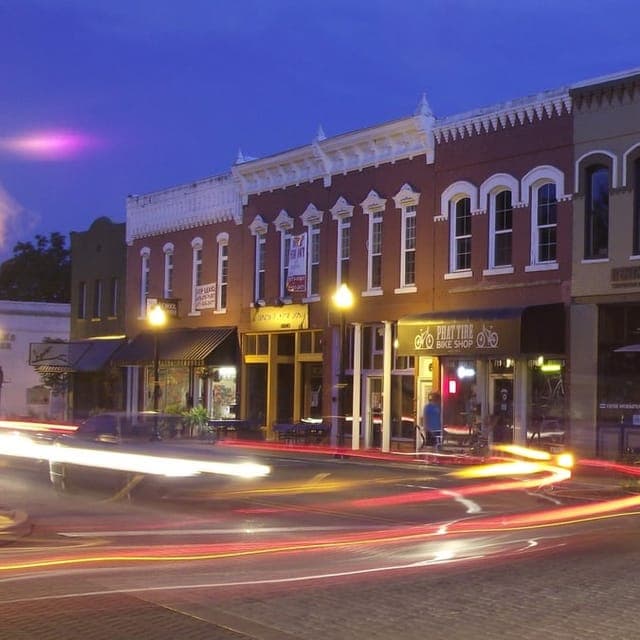
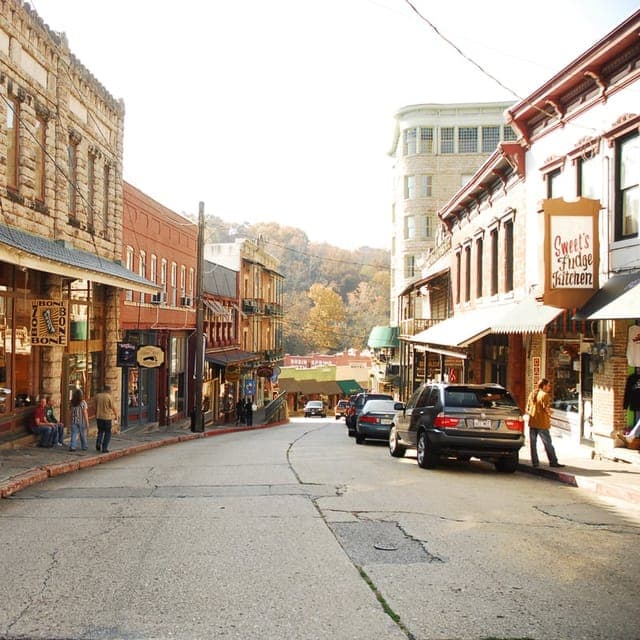
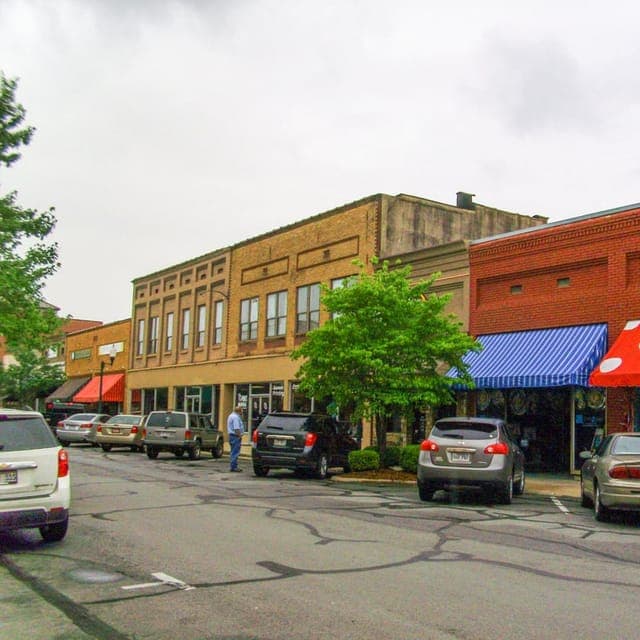
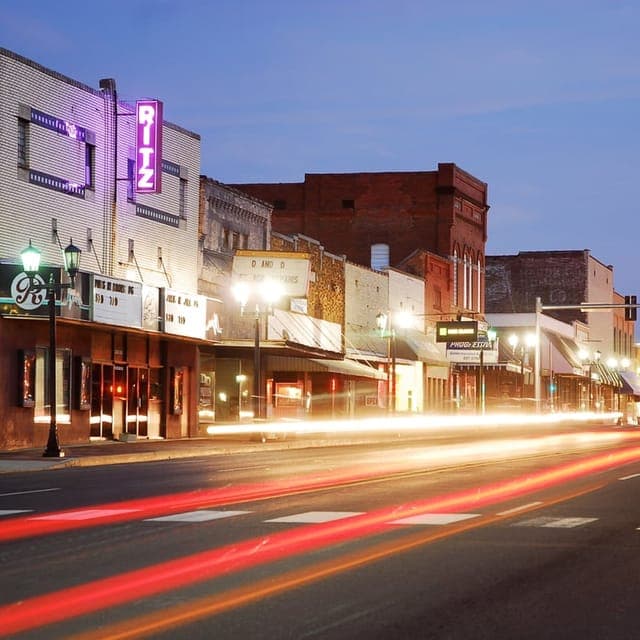
Top Cities for Quality of Life in Arkansas


* Values derived from national, state, county, city and local statistics and may differ in a specific area. Last updated: 2026-04-14T06:33:14.000Z
Narrative content on this page is AI-generated and may contain mistakes. Verify any details that matter before acting on them.
ReloMaps may earn a commission from affiliate links at no extra cost to you.

