
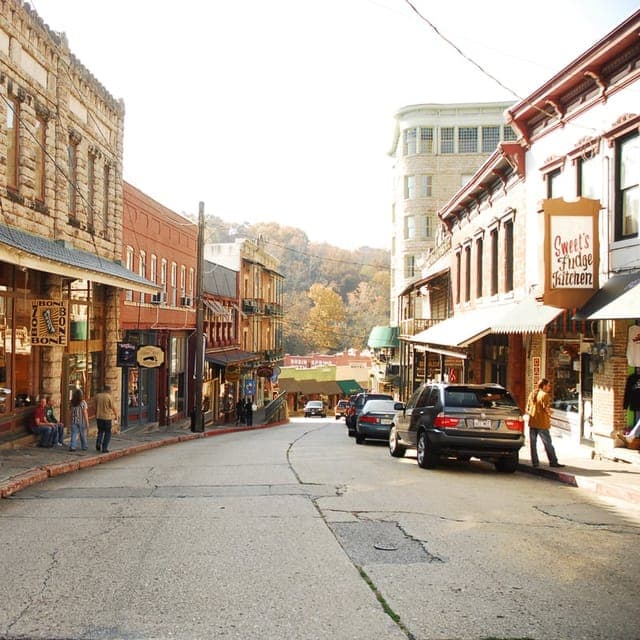
Photo: Wikipedia
Demographics of Arkansas
Affluence Level in Arkansas
A middle-class area roughly in line with national averages across income, home values, education, and employment.
People of Arkansas
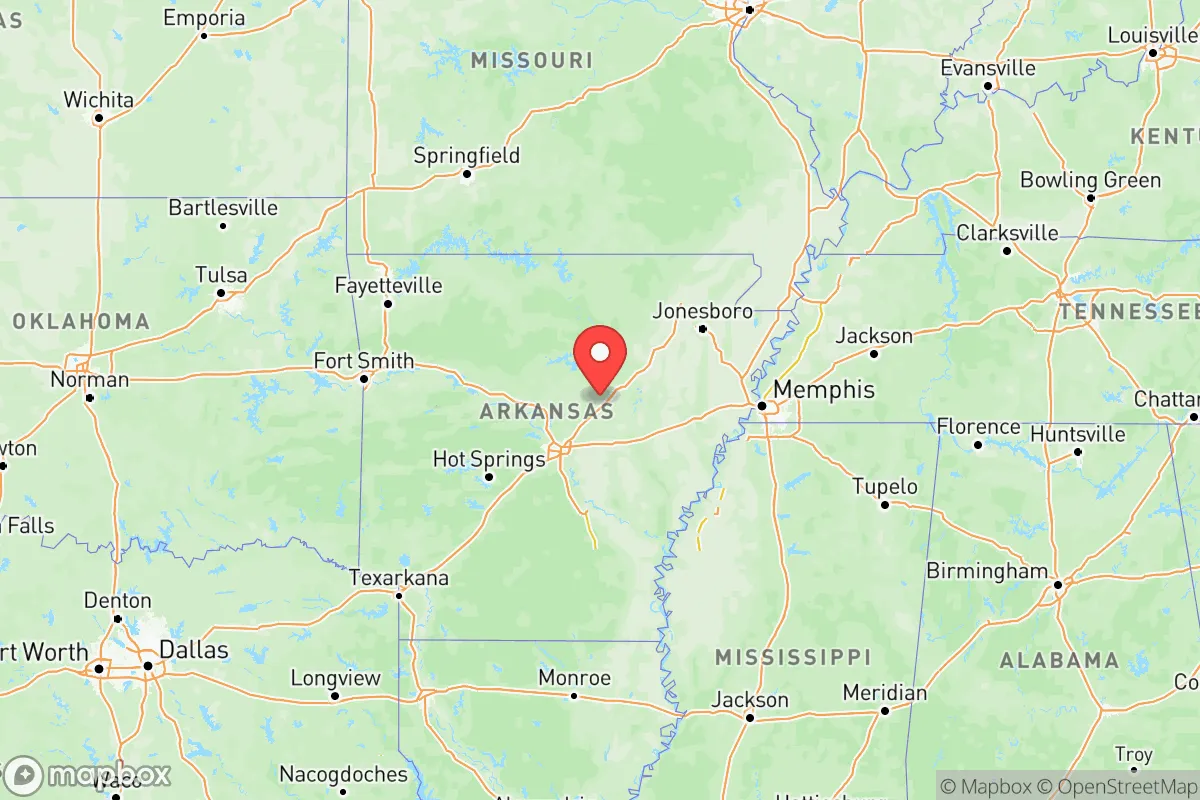
The people of Arkansas today number just over 3 million, a population that remains predominantly white (68.4%) with a significant Black minority (14.8%) and a growing Hispanic presence (8.8%). The state is notably less diverse than the national average, with a foreign-born share of only 3.4% and a college attainment rate of 25.1%, both well below U.S. medians. Arkansas’s identity is rooted in its rural and small-town character, with the Ozark and Ouachita mountain regions, the Arkansas Delta, and the central corridor around Little Rock each carrying distinct settlement histories. The state’s population is spread across a handful of growing metro areas—Northwest Arkansas, Central Arkansas, and the Fort Smith region—while many rural counties have been losing residents for decades.
Settlement & growth (pre-1960)
Long before European contact, Arkansas was home to several Native American nations. The Caddo people occupied the southwestern part of the state, the Quapaw controlled the Arkansas River Valley, and the Osage dominated the Ozarks to the north. The Cherokee, Choctaw, and Chickasaw were forcibly relocated into Arkansas during the Indian Removal era of the 1830s, with many passing through or settling temporarily in places like Fayetteville and Van Buren before being pushed further west into Indian Territory (modern Oklahoma).
European exploration began with the Spanish Hernando de Soto expedition in 1541, but sustained colonization did not begin until the French established Arkansas Post in 1686 near the confluence of the Arkansas and Mississippi Rivers. The area passed from France to Spain and back to France before being acquired by the United States in the Louisiana Purchase of 1803. Early American settlers were predominantly Scots-Irish and English migrants moving west from Tennessee, Kentucky, and Missouri, drawn by cheap land in the Arkansas River Valley and the Ozark Plateau. By the 1830s, Little Rock had emerged as the territorial capital and primary gateway for settlers.
The most transformative migration before the Civil War was the forced relocation of enslaved Black people into the Arkansas Delta, where cotton plantations expanded rapidly. By 1860, enslaved people made up roughly 25% of Arkansas’s population, concentrated in counties along the Mississippi River such as Phillips County (Helena) and Chicot County (Lake Village). After emancipation, many freedmen remained in the Delta as sharecroppers and tenant farmers, forming the foundation of Arkansas’s Black population that persists today.
Following the Civil War, a wave of European immigrants arrived, though in smaller numbers than in the Midwest or Northeast. German and Swiss immigrants settled in the Arkansas River Valley, particularly around Altus and Paris, where they established vineyards and fruit orchards. Italian immigrants were recruited to work in the Delta’s cotton fields and railroad construction, with colonies forming at Tontitown (near Springdale) and Lake Village. Polish and Czech immigrants also arrived, with Czech communities taking root in Stuttgart and the surrounding Grand Prairie region, where they became central to the state’s rice industry.
The early 20th century brought the Great Migration of Black Arkansans out of the Delta to northern and western cities, a trend that accelerated after World War I and continued through the 1960s. Simultaneously, the Dust Bowl and Great Depression pushed white farmers from Oklahoma and Texas into Arkansas, particularly into the Ozarks and the Arkansas River Valley. The post-World War II era saw the beginning of a shift from agriculture to manufacturing, with companies like Tyson Foods (headquartered in Springdale) and Walmart (headquartered in Bentonville) driving job growth in Northwest Arkansas. This region, once sparsely populated, began its transformation into the state’s economic engine.
Modern era (post-1965)
The 1965 Hart-Cellar Act had a modest impact on Arkansas compared to coastal states, but it did open the door for new immigrant communities. The most significant post-1965 arrival has been Hispanic immigration, primarily from Mexico and Central America, drawn by jobs in poultry processing, construction, and agriculture. The Hispanic population has grown from less than 1% in 1980 to 8.8% today, with concentrations in Springdale, Rogers, and Bentonville in Northwest Arkansas, as well as in Little Rock and Fort Smith. Marshallese immigrants, from the Republic of the Marshall Islands, have established a notable community in Springdale, drawn by work in the poultry industry and access to healthcare through a Compact of Free Association agreement.
East and Southeast Asian communities remain small, at roughly 1.0% of the population, with Vietnamese and Filipino residents concentrated in Little Rock and North Little Rock. The Indian subcontinent population is even smaller at 0.5%, with professionals in healthcare and technology primarily located in Little Rock and Fayetteville. Arkansas’s foreign-born share of 3.4% is among the lowest in the nation, reflecting the state’s limited historical role as an immigrant destination.
Domestic migration has been the dominant demographic force in modern Arkansas. The rise of Walmart and its supplier network transformed Northwest Arkansas from a rural backwater into a booming metro area of over 500,000 people. Bentonville, Fayetteville, and Rogers have attracted college-educated professionals from across the country, driving up the region’s educational attainment and income levels. Meanwhile, the Arkansas Delta has continued to lose population, with counties like Phillips and Lee seeing decades of decline as young people leave for opportunities elsewhere. The Black population, once heavily concentrated in the Delta, has become more urbanized, with Little Rock and Pine Bluff now holding the largest Black communities.
The future
Arkansas’s population is projected to grow slowly, reaching roughly 3.2 million by 2040, with growth concentrated in the Northwest Arkansas corridor and the Little Rock suburbs. The Hispanic share is expected to continue rising, potentially reaching 12-15% by 2040, as younger Hispanic families have higher birth rates and continued immigration. The white population is aging and declining in rural areas, while the Black population is stabilizing after decades of out-migration. The foreign-born share will likely remain below 5%, as Arkansas lacks the large urban centers and established ethnic enclaves that attract immigrants to other states.
The state is not homogenizing so much as diverging: Northwest Arkansas is becoming more diverse, more educated, and more affluent, while much of the Delta and southern Arkansas are becoming older, poorer, and more homogeneous. The cultural identity of the state is being reshaped by the influx of out-of-state professionals into Benton and Washington counties, who bring different political and social values than the native-born population. However, this change is largely contained to that region; the rest of Arkansas remains culturally conservative and rooted in its rural, evangelical Protestant heritage.
For someone moving to Arkansas now, the experience will depend heavily on location. Northwest Arkansas offers a dynamic, growing economy with a relatively diverse population, while the Delta and much of the Ozarks offer lower costs of living but fewer economic opportunities and less demographic change. The state as a whole will remain one of the least diverse in the country, with a population that is aging, slowly growing, and increasingly split between a thriving northwestern corner and a struggling rural majority.

Most Diverse Cities in Arkansas


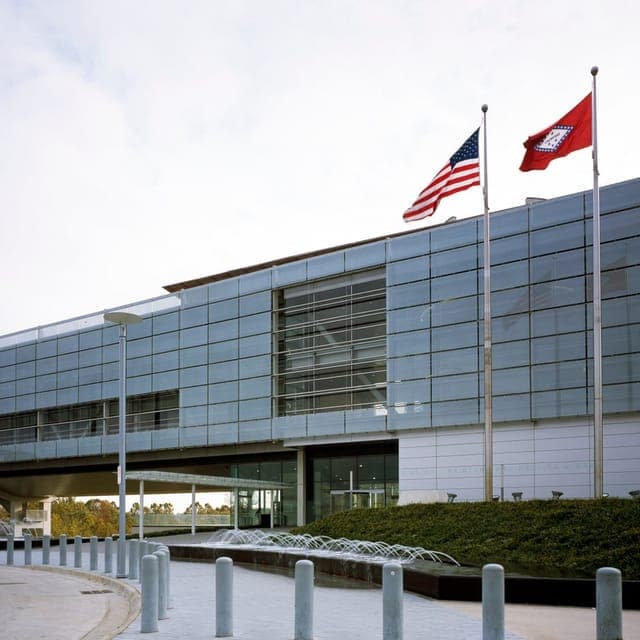
Most Homogenous Cities in Arkansas
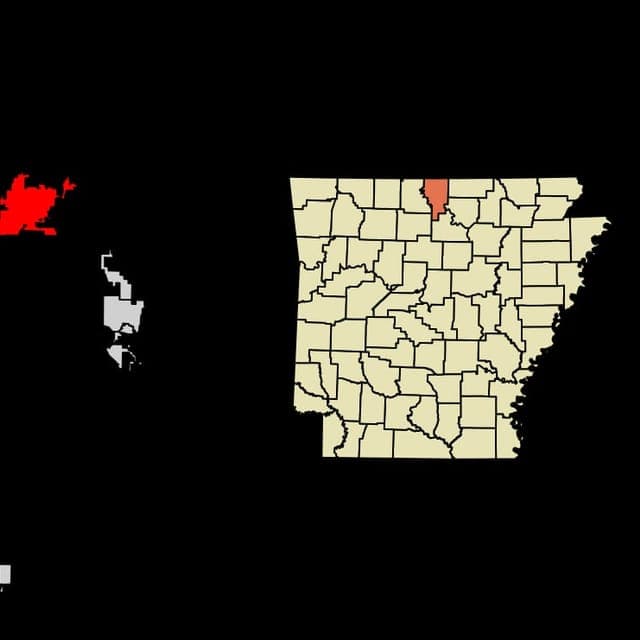
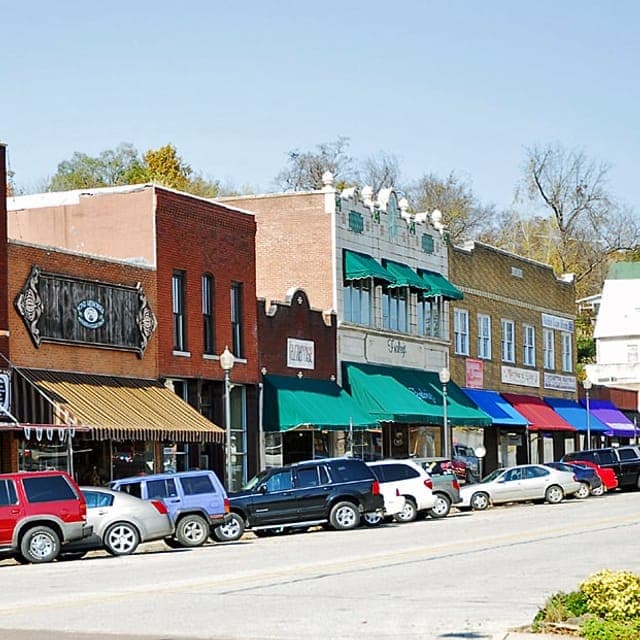

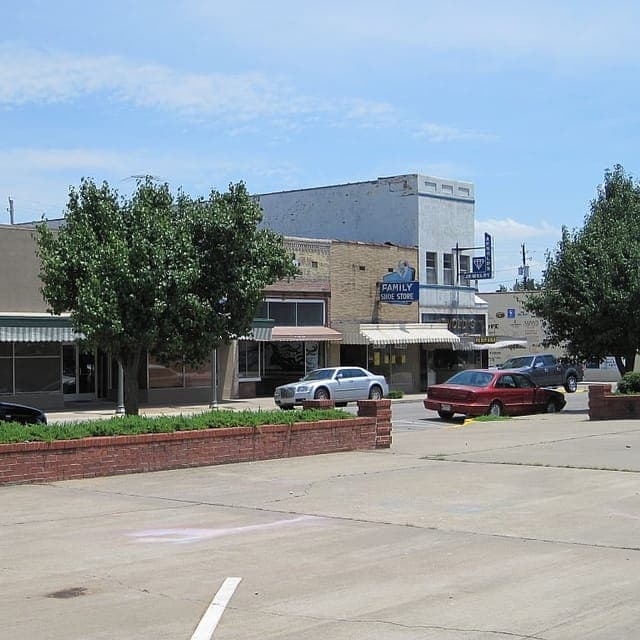
* Values derived from national, state, county, city and local statistics and may differ in a specific area. Last updated: 2026-04-14T06:33:14.000Z
Narrative content on this page is AI-generated and may contain mistakes. Verify any details that matter before acting on them.
ReloMaps may earn a commission from affiliate links at no extra cost to you.

