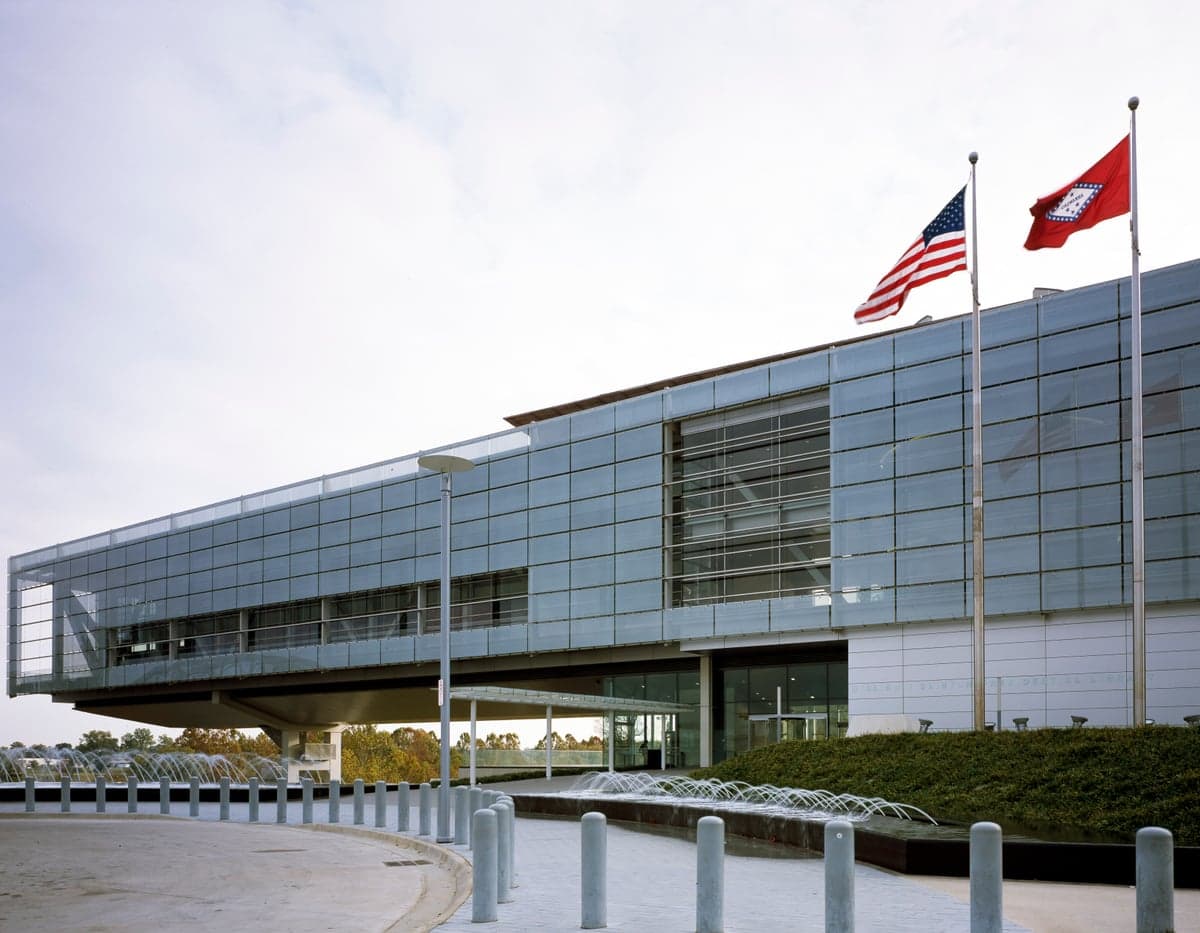
Photo: Wikipedia
Find The Best Places To Live
in Little Rock
PRO TIP! You can paste a Zillow or Redfin link to get info on that property.
What It's Like Living in Little Rock, AR
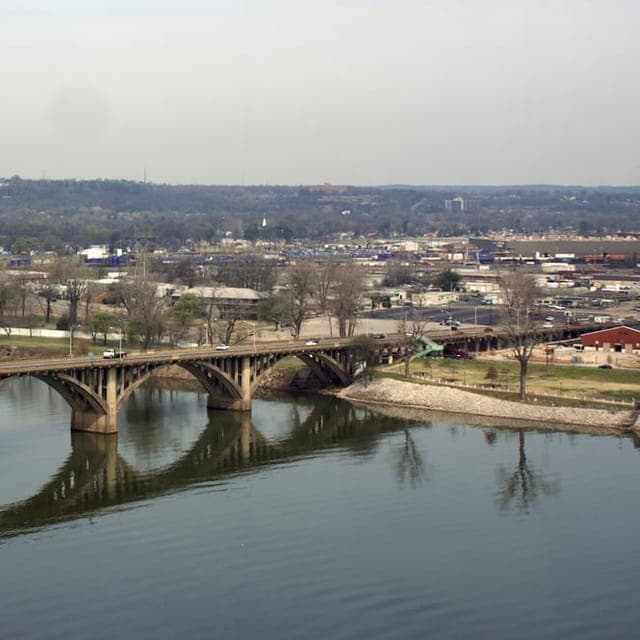
Little Rock has a way of surprising people. It’s the state capital, but it feels more like an oversized small town where everyone seems to know someone who knows someone. The Arkansas River cuts right through the middle, splitting the city into distinct halves, and the skyline is modest enough that you can still see the big Arkansas sky from most neighborhoods. It’s a place where you can grab a craft beer at a renovated train station, hike a mountain in the middle of the city, and still be home in time for a quiet evening on the porch — all without ever feeling like you’re in a rush.
The Daily Rhythm: Slow Mornings, Short Commutes, and a River as Your Backdrop
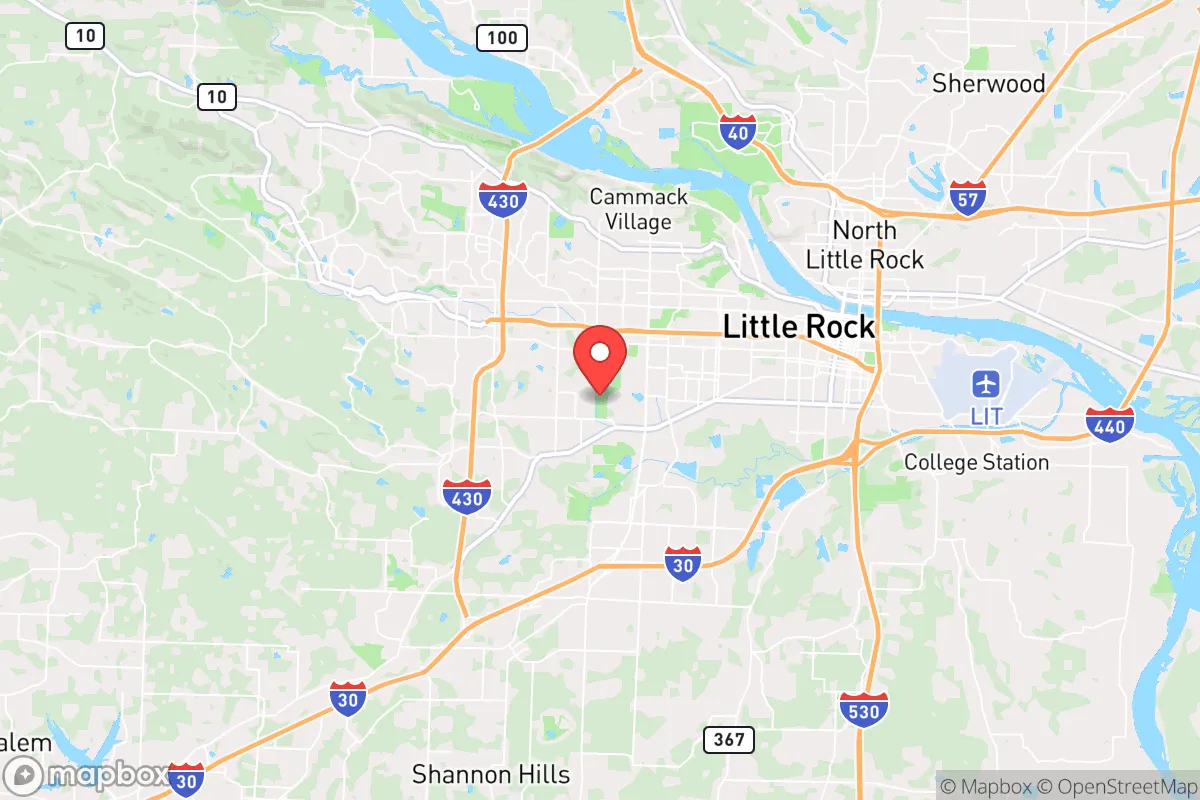
Most people here don’t live in a frenzy. The average commute clocks in at just over 18 minutes, which means you can actually run home for lunch or pick up the kids without losing your mind. The city’s layout is split by the river: downtown and the historic Quapaw Quarter sit on the south side, while the Heights, Hillcrest, and West Little Rock sprawl north and west. The Heights and Hillcrest are where you’ll find the old-money charm — brick streets, bungalows, and locally-owned coffee shops like Community Bakery or Mylo Coffee Co. West Little Rock is more suburban, with chain stores and newer subdivisions that appeal to families who want good schools and a big backyard.
Weekends often start with a run or bike ride along the Arkansas River Trail, a 17-mile loop that connects the Clinton Presidential Park to the Big Dam Bridge — the longest pedestrian bridge in North America built specifically for people and bikes. Afterward, you might hit the Hillcrest Farmers Market for local produce and tamales, or grab a plate of smoked brisket at Whole Hog Cafe. The pace is deliberate, not lazy. People here value their time off, and they use it.
Sports, Community, and the Things That Bring People Together
Sports in Little Rock are less about pro teams and more about shared identity. The Arkansas Razorbacks are the closest thing to a religion, even though the campus is three hours away in Fayetteville. On any fall Saturday, bars like Faded Rose or Boss Hog’s are packed with fans in hog hats watching the Hogs play SEC football. High school football is also a big deal — Pulaski Academy and Little Rock Christian draw serious crowds on Friday nights, and the community rallies around state championships like they’re national events.
The city’s own Arkansas Travelers (Double-A affiliate of the Seattle Mariners) play at Dickey-Stephens Park in North Little Rock, and it’s one of the best minor league ballpark experiences in the South — cheap tickets, fireworks on Fridays, and a view of the downtown skyline across the river. For hockey fans, the Little Rock Trojans (ECHL) bring a surprising amount of energy to the arena. None of this is world-class, but that’s kind of the point. It’s accessible, affordable, and feels like your own.
What’s There to Do: Festivals, Green Spaces, and a Surprisingly Good Food Scene
Little Rock punches above its weight when it comes to things to do. The River Market District is the social hub — a mix of restaurants, bars, and the weekend farmers market that turns into a block party in warm months. Riverfest (now rebranded as Little Rock Music + Arts Festival) draws national acts every Memorial Day weekend, and Argenta Arts District across the river in North Little Rock hosts gallery walks and live music year-round. The Pinnacle Mountain State Park is just 20 minutes west, offering hiking trails that range from a steep scramble to the summit to easy lakeside walks. It’s not Colorado, but it’s real, accessible nature that doesn’t require a weekend trip.
Food is a genuine highlight. The Root Cafe in the SoMa (South Main) district serves farm-to-table comfort food that would hold its own in Portland or Austin. Three Fold does hand-pulled noodles and dumplings that draw lines out the door. And for a true local experience, hit Lassis Inn — a no-frills spot that’s been serving catfish and tamales since 1905. The bar scene leans casual: Four Quarter Bar in Argenta has a solid tap list and live bluegrass, while White Water Tavern is a dive with character and a killer jukebox.
Pros and Cons of Living Here: The Honest Trade-Offs
What longtime residents love: The cost of living is genuinely low. With a median home value around $221,200 and a cost of living index of 86 (14% below the national average), a median household income of $60,583 goes further here than in most cities. You can buy a solid 3-bedroom in a good neighborhood for under $250,000. The weather is four-season without being extreme — summers are hot and humid, but fall and spring are gorgeous, and winter is mild enough that snow is a rare, exciting event. The people are friendly in a genuine, Southern way. Neighbors wave, strangers hold doors, and it’s not unusual to strike up a conversation at the grocery store.
What frustrates them: Crime is the elephant in the room. The violent crime rate sits at 1,483.5 per 100,000, which is high for a city its size. Most of it is concentrated in specific areas, and many residents simply avoid those parts, but it’s a real concern that comes up in conversation regularly. Property crime, especially car break-ins, is also an annoyance in popular districts. The job market is stable but not booming — the largest employers are state government, the University of Arkansas for Medical Sciences (UAMS), and a handful of hospitals. If you’re in healthcare, education, or government, you’re fine. If you’re in tech or finance, you may find fewer opportunities than in a larger metro. And while the airport is small and easy to navigate, direct flights are limited, so travel often requires a layover in Dallas or Atlanta.
About 44% of adults hold a college degree, which is slightly above the national average, and the median age of 36.4 means the city skews toward young families and early-career professionals. It’s not a place for someone who wants constant nightlife or cutting-edge culture. But for someone who wants a slower pace, a genuine sense of community, and the ability to own a home without being house-poor, Little Rock makes a lot of sense. It’s a city that doesn’t try to impress you — and that’s exactly why people end up staying.

Similar small cities to Little Rock
* Values derived from national, state, county, city and local statistics and may differ in a specific area. Last updated: 2026-04-23T04:09:49.000Z
Narrative content on this page is AI-generated and may contain mistakes. Verify any details that matter before acting on them.
ReloMaps may earn a commission from affiliate links at no extra cost to you.

