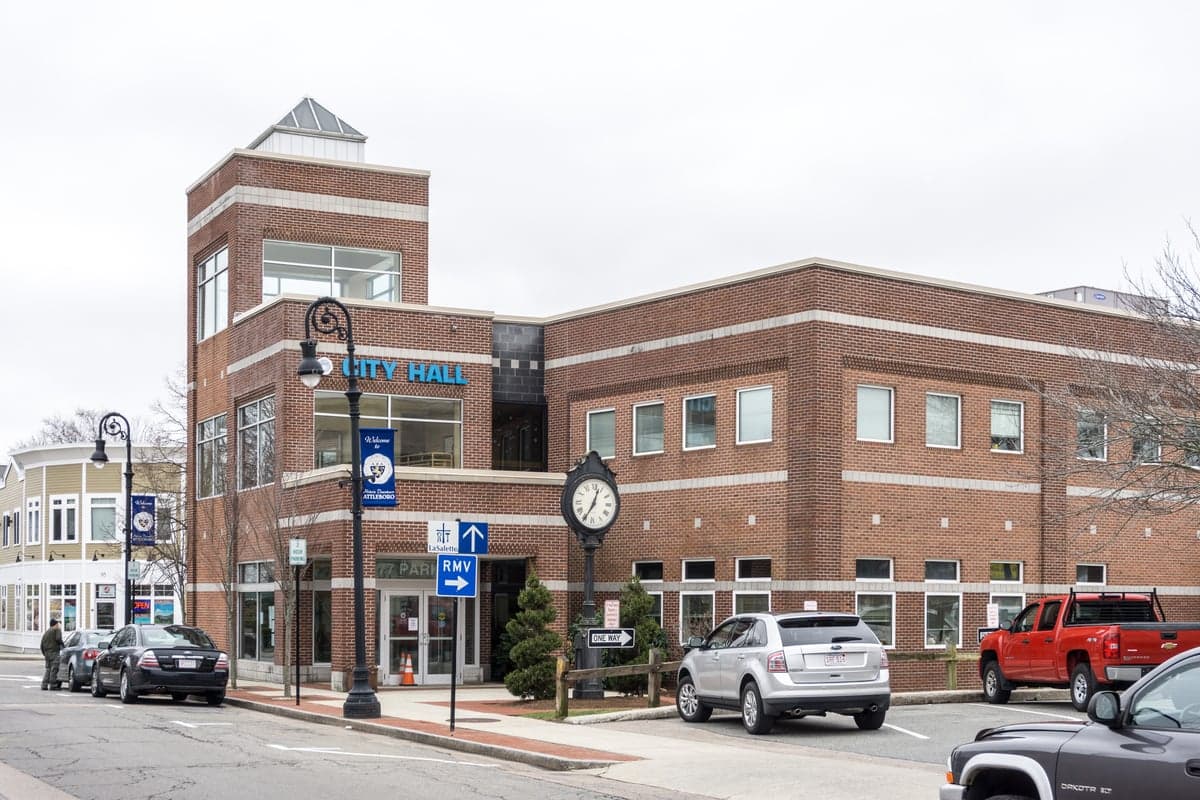
Photo: Wikipedia
Quality of Life in Attleboro, MA
A high quality of life with strong walkability, manageable living costs, healthy neighborhood signals, and solid amenity access.
What does Quality of Life tell us?
Quality of Life blends cost of living, nearby amenities, socioeconomic signals, and neighborhood character. City-level scores represent the whole municipality; individual neighborhoods can differ.
What does this tell us?
Quality of Life blends cost of living, nearby amenities, socioeconomic signals, and neighborhood character. City-level scores represent the whole municipality; individual neighborhoods can differ.
Cost of Living
33% above national average
The Real Cost of Living in Attleboro, MA for 2026
| Tier | Individual | Family (4) |
|---|---|---|
| Survival | $23k | $43k |
| Comfortable | $79k | $117k |
| Luxury | $140k+ | $216k+ |
| Elite (Top 5%) | $164k+ | $255k+ |
80%
The Area Signal
A metric tracking the socioeconomic signals of the area.
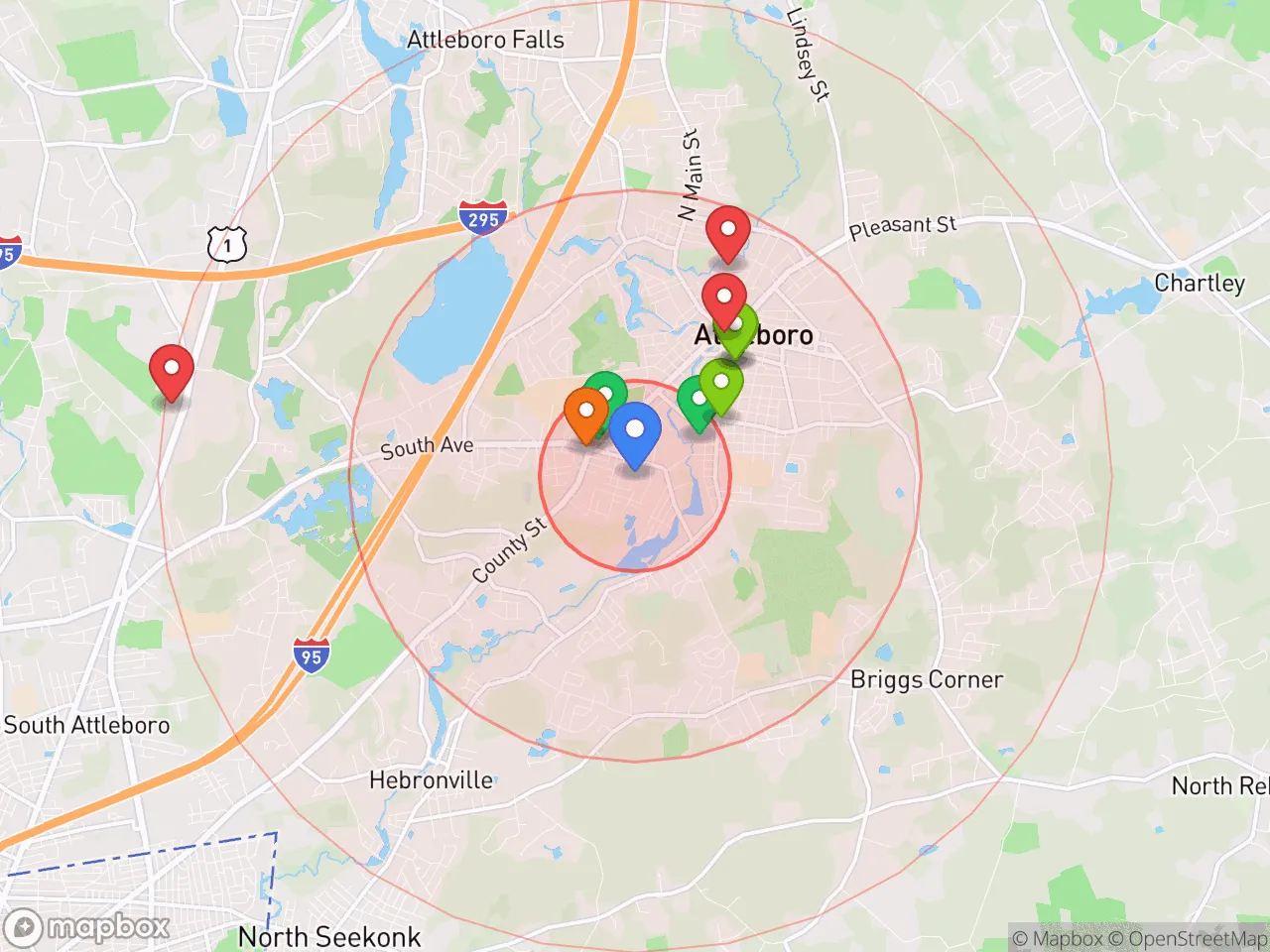
Hobbies
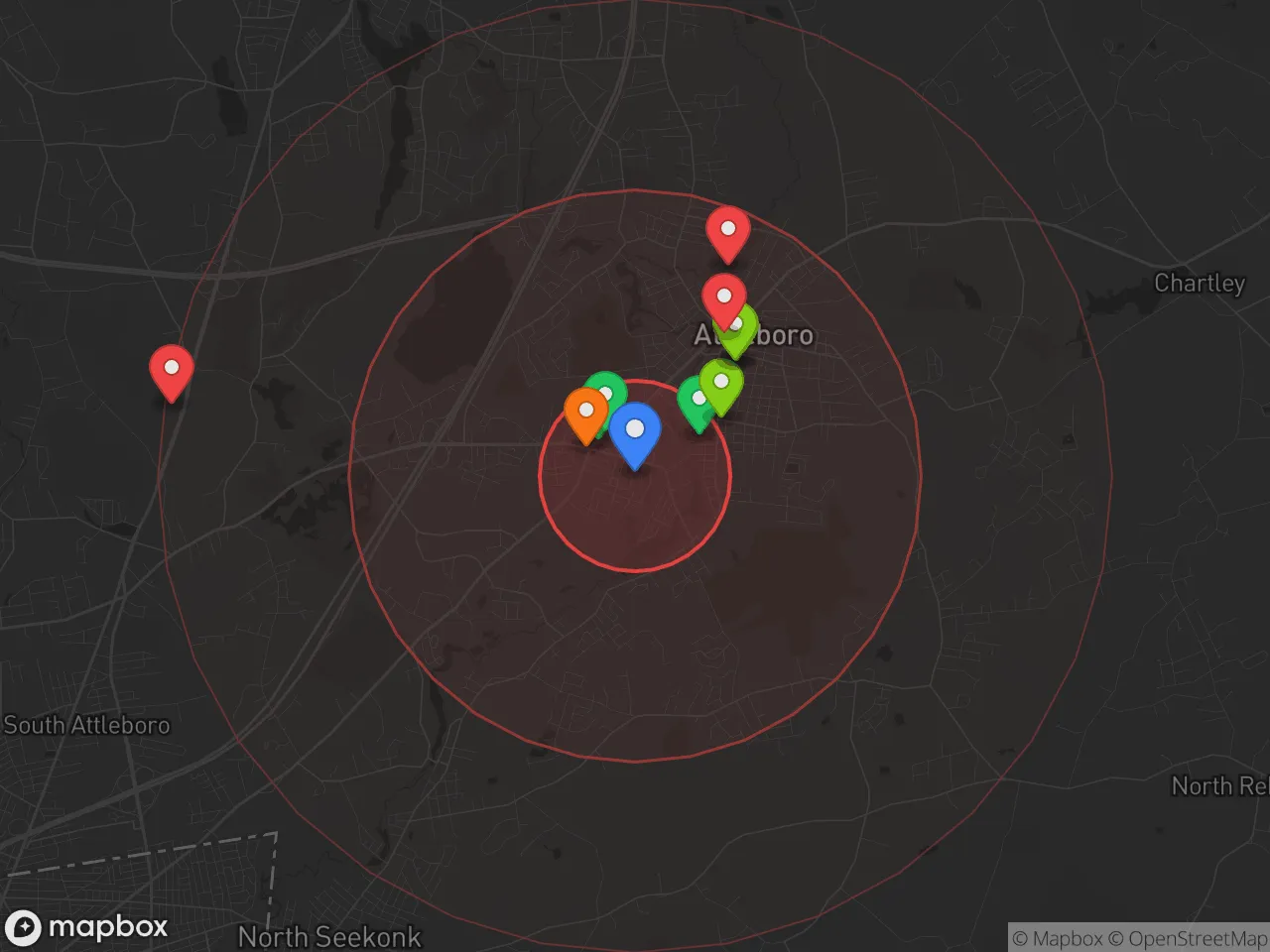
Explore the areaGroceries
6 within 10 miles
Gas
20 within 10 miles
Hospital
20 within 20 miles
Airport
PDX — Portland International Jetport
Post Office
USPS — Attleboro, MA
Critical Amenities
Quality-of-Life Analysis
Attleboro, Massachusetts, presents a quality of life defined by solid middle-to-upper-middle-class stability, attracting a mix of young families, long-time residents, and commuters who work in Providence or Boston. With a cost-of-living index of 133 (33% above the national average), the city offers a more affordable entry point into the Greater Boston housing market than its immediate neighbors, while still providing access to strong public schools and a walkable downtown core. The population skews toward professionals and tradespeople who value the balance of suburban space and urban proximity, creating a community that feels both established and quietly ambitious.
How housing costs and affordability compare to nearby cities
Attleboro’s median home value of $409,100 is notably lower than the Massachusetts state median of roughly $560,000, making it one of the more attainable options for buyers in Bristol County. The median rent of $1,446 is similarly competitive, undercutting rents in Providence (about $1,600) and Boston (over $2,400) by a wide margin. However, the cost-of-living index of 133 means everyday expenses—groceries, utilities, transportation—run about a third higher than the U.S. average. The average commute of 30.1 minutes reflects the city’s role as a bedroom community: many residents drive to jobs in Mansfield’s corporate parks, Providence’s hospitals, or Boston’s financial district via I-95 or the MBTA commuter rail. Property taxes in Attleboro hover around 1.2% of assessed value, which is moderate for Massachusetts, but buyers should factor in the state’s income tax (5.0% flat rate) when budgeting.
What daily life is like for families and professionals
Daily life in Attleboro centers on a compact downtown with independent coffee shops, a historic train station, and the Bungay River running through it. The Attleboro Public Schools system serves roughly 4,500 students, with Attleboro High School offering Advanced Placement courses and a strong vocational-technical track through the Tri-County Regional Vocational Technical High School. For recreation, residents use the 400-acre Balfour Riverwalk and the Capron Park Zoo, a small but well-regarded facility. The city lacks a major hospital—the nearest full-service emergency room is Sturdy Memorial in North Attleborough—but urgent care clinics are plentiful. Dining leans toward family-friendly Italian and Portuguese restaurants, reflecting the area’s heritage, with chains concentrated along Route 1. The MBTA’s Attleboro Station provides direct commuter rail service to South Station in Boston (about 50 minutes) and Providence (about 15 minutes), making car-free living feasible for some households.
Attleboro is best suited for buyers and renters who want a lower-cost foothold in the Boston-Providence corridor without sacrificing school quality or commute times. Young professionals who work in Providence or along the I-95 corridor will find the 30-minute average commute manageable, while families benefit from the city’s stable housing stock and community-oriented feel. Those seeking a vibrant nightlife or a walkable urban core should look to Providence or Boston proper, but for a reliable, family-friendly suburb with genuine small-city character, Attleboro delivers a strong return on investment.

Crime in Attleboro, MA
Lower crime rates than 78% of comparable U.S. locations.
Violent CrimeViolent Crime Analysis
Property CrimeProperty Crime Analysis
Crime Analysis
Attleboro, Massachusetts, presents a mixed safety profile for potential residents. The city’s violent crime rate of 212.3 incidents per 100,000 people is notably lower than the national average, but its property crime rate of 923.4 per 100,000 exceeds both state and national benchmarks, indicating a higher risk of theft and burglary. As a small city within commuting distance of Boston and Providence, Attleboro’s crime dynamics are influenced by its proximity to larger metropolitan areas and the broader progressive justice policies common in Massachusetts.
Crime in context
Attleboro’s violent crime rate sits well below the U.S. average of roughly 380 per 100,000, placing it in a safer tier for serious offenses like assault and robbery. However, the property crime rate is a clear concern, running about 20% higher than the national average and significantly above the Massachusetts state rate of approximately 650 per 100,000. This disparity suggests that while violent confrontations are less common, residents face a tangible risk of property loss. The city’s location in Bristol County, which has a mix of urban and suburban communities, means it is subject to the same criminal justice trends as the broader Boston-Providence corridor. In this region, progressive district attorneys and judges often prioritize diversion programs and reduced sentencing, a philosophy that, while sympathetic to offenders, can result in more criminals remaining on the street and a diminished sense of justice for victims and the public.
What residents experience
Daily life in Attleboro involves a heightened awareness of property crime. Residents commonly report package thefts, vehicle break-ins, and occasional home burglaries, particularly in areas near major roads like Route 1 and Interstate 95. The city’s police department is active, but the high property crime rate reflects a systemic challenge: repeat offenders cycling through a justice system that often prioritizes rehabilitation over incarceration. For families and homeowners, this means investing in security systems and neighborhood watch programs is a practical necessity. Violent crime, while less frequent, is not absent, with incidents often concentrated in specific hotspots rather than spread evenly across the city.
Neighborhood-level variation
Safety in Attleboro varies noticeably by neighborhood. Areas like the downtown core near the commuter rail station and parts of the South Attleboro commercial district see higher rates of property crime due to foot traffic and easy access to transit. In contrast, residential neighborhoods such as those around Bungay Lake or the North Attleboro border tend to report fewer incidents, offering a quieter, lower-risk environment. Prospective residents should research block-level crime maps and consider that the city’s overall property crime rate is driven by a few higher-crime pockets, while many streets remain relatively safe. The overarching influence of progressive judicial policies in Massachusetts, however, means that even in safer neighborhoods, residents should remain vigilant, as the system’s leniency can embolden offenders and undermine public confidence in safety.
* Values derived from national, state, county, city and local statistics and may differ in a specific area. Last updated: 2026-05-01T11:28:13.000Z
Narrative content on this page is AI-generated and may contain mistakes. Verify any details that matter before acting on them.
ReloMaps may earn a commission from affiliate links at no extra cost to you.

