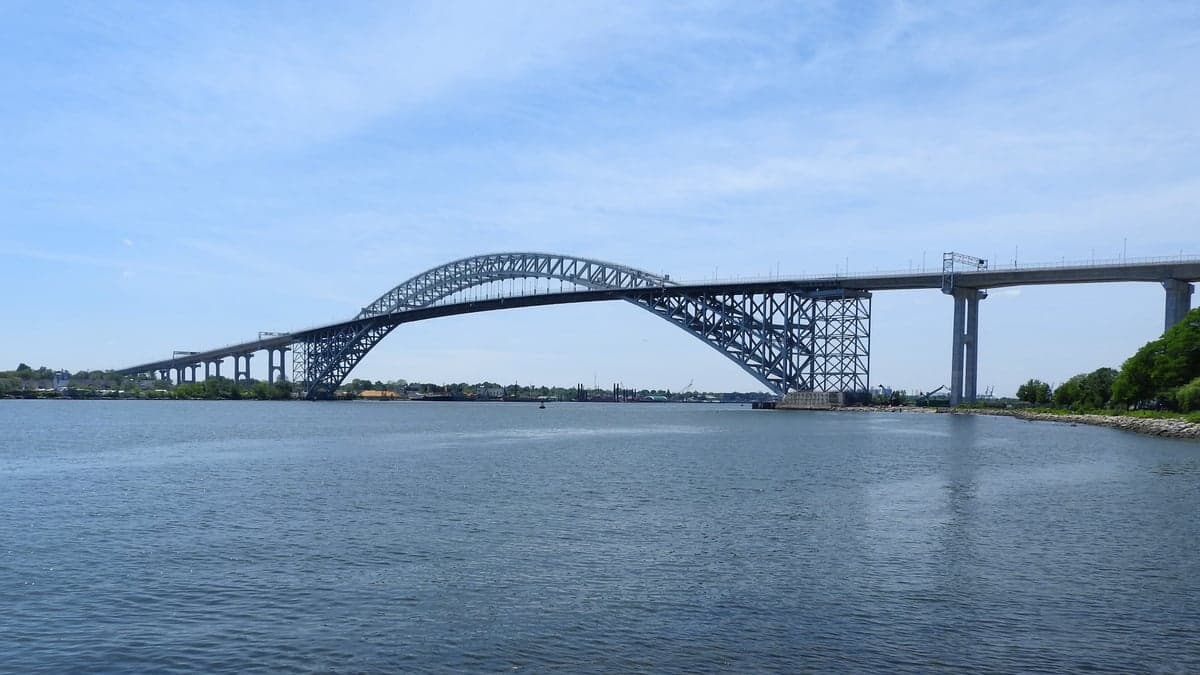
Photo: Wikipedia
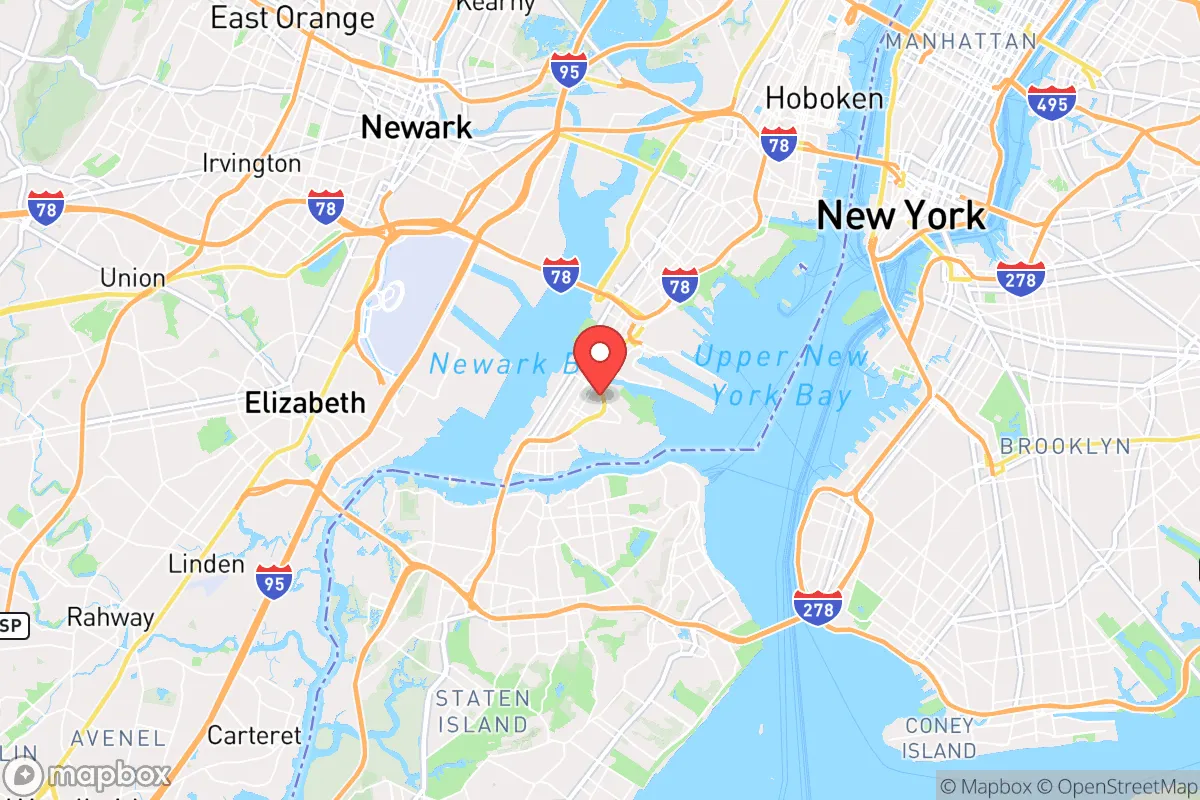
Personal Sovereignty in Bayonne, NJ
Viable for self-reliance. Generally workable, though some barriers may limit total independence.
What does Personal Sovereignty tell us?
Personal Sovereignty measures your capacity for self-reliance and independence with minimal government friction. Higher scores mean fewer barriers between you and the way you want to live... but it assumes you have the space you need and good neighbors.
What does this tell us?
Personal Sovereignty measures your capacity for self-reliance and independence with minimal government friction. Higher scores mean fewer barriers between you and the way you want to live... but it assumes you have the space you need and good neighbors.
State Policy
Energy independence: Importer (8% of energy produced in-state)
Personal Liberty
Homesteading

Personal Liberty Analysis
Bayonne, New Jersey, presents a challenging environment for personal sovereignty, where the state’s dense regulatory framework and high tax burden significantly constrain individual autonomy. For a conservative-leaning individual or family prioritizing self-reliance, this Hudson County city offers limited room to maneuver, with state-level policies often overriding local discretion. The trade-off is proximity to New York City’s economic opportunities, but the cost in personal freedom is steep, making Bayonne a location to approach with clear-eyed caution rather than optimism.
Tax burden and regulatory posture: how New Jersey’s policies limit financial autonomy
New Jersey’s tax burden is the highest in the nation, and Bayonne residents feel this acutely. The state’s income tax tops out at 10.75%, and property taxes in Bayonne average around $8,000 annually for a median-valued home, though some assessments push higher. This directly reduces the capital available for personal savings, emergency preparedness, or investment in self-sufficient infrastructure. The regulatory environment is equally restrictive: New Jersey’s strict building codes, environmental regulations, and permitting processes make even minor home modifications—like installing a backup generator or reinforcing a basement for storage—a bureaucratic ordeal. For a prepper mindset, this means every step toward self-reliance requires navigating layers of state and local approval, which can be both time-consuming and costly. The state’s aggressive tax collection and limited homestead exemptions further erode financial sovereignty, leaving less room for individuals to control their own resources.
Self-defense and gun law specifics: what Bayonne residents face under New Jersey’s restrictions
New Jersey’s gun laws are among the most restrictive in the country, and Bayonne residents must comply with a system that heavily prioritizes government oversight over individual rights. The state requires a Firearms Purchaser Identification Card (FPID) for long guns and a separate permit for each handgun purchase, with a 30-day waiting period between handgun purchases. Concealed carry is effectively impossible for most law-abiding citizens due to the state’s “justifiable need” requirement, which was only partially loosened after the Bruen decision but still demands extensive training and a lengthy application process. Magazine capacity is capped at 10 rounds, and “assault weapons” bans cover many common rifles. For a survivalist, this means self-defense options are severely limited: you cannot legally keep a standard-capacity magazine for home defense, and carrying a firearm for personal protection outside the home is a legal minefield. The state’s red flag laws and universal background checks add another layer of potential government intervention, where a neighbor’s complaint could trigger a firearm seizure without due process. Bayonne’s dense urban environment also means that even legal firearm storage—such as in a safe—must comply with strict child-access prevention laws, further complicating readiness.
Self-reliance and homesteading viability: lot sizes, zoning, and off-grid feasibility in Bayonne
Bayonne’s urban density makes traditional homesteading nearly impossible. The city’s typical lot sizes range from 2,500 to 5,000 square feet, with most homes on small plots that leave little room for gardening, livestock, or rainwater collection. Zoning laws prohibit keeping chickens, goats, or bees in most residential areas, and any attempt to install solar panels or a backup generator requires permits that can take months to secure. Off-grid living is not feasible: the city mandates connection to municipal water and sewer systems, and any attempt to drill a well or install a septic system would violate health codes. For a prepper focused on self-reliance, Bayonne offers no realistic path to food production or energy independence. The best you can do is a small container garden on a balcony or a rooftop, but even that may run afoul of homeowners’ association rules in many condo or apartment buildings. The city’s reliance on centralized infrastructure—power grids, water treatment, and supply chains—means that a prolonged disruption would leave residents with few local alternatives. Stockpiling supplies is possible but limited by storage space, and the dense population makes you vulnerable to looting or social unrest during a crisis.
Personal liberties: parental rights, medical autonomy, speech, and property in Bayonne
New Jersey’s progressive policies significantly curtail personal liberties in Bayonne. Parental rights are weak: the state mandates comprehensive sex education in public schools, including LGBTQ+ content, without a robust opt-out provision. Medical autonomy is limited by vaccine mandates for school attendance and healthcare workers, and the state’s public health emergency powers allow for rapid imposition of restrictions without legislative approval. Free speech is technically protected, but the state’s bias intimidation laws and hate crime statutes can be used to prosecute speech deemed offensive, creating a chilling effect for those expressing conservative views. Property rights are constrained by strict zoning and rent control ordinances in some parts of the city, limiting what you can do with your own land. For a survivalist, the lack of medical freedom is particularly concerning: New Jersey’s prescription drug monitoring program and restrictions on alternative treatments mean you cannot easily stockpile medications or pursue off-label therapies. The state’s strong tenant protections also mean that if you rent, your ability to modify your living space for preparedness is virtually nonexistent.
Overall, Bayonne ranks low on personal sovereignty compared to other areas in the region. While it offers urban convenience and proximity to economic hubs, the trade-off in autonomy is severe: high taxes, restrictive gun laws, limited homesteading potential, and weak parental rights create an environment where government overreach is the norm. For a conservative individual or family prioritizing self-reliance, areas in Pennsylvania, upstate New York, or even rural parts of South Jersey offer far more breathing room. Bayonne is a place to live if you must, not if you choose to be free.

* Values derived from national, state, county, city and local statistics and may differ in a specific area. Last updated: 2026-04-29T22:59:41.000Z
Narrative content on this page is AI-generated and may contain mistakes. Verify any details that matter before acting on them.
ReloMaps may earn a commission from affiliate links at no extra cost to you.

