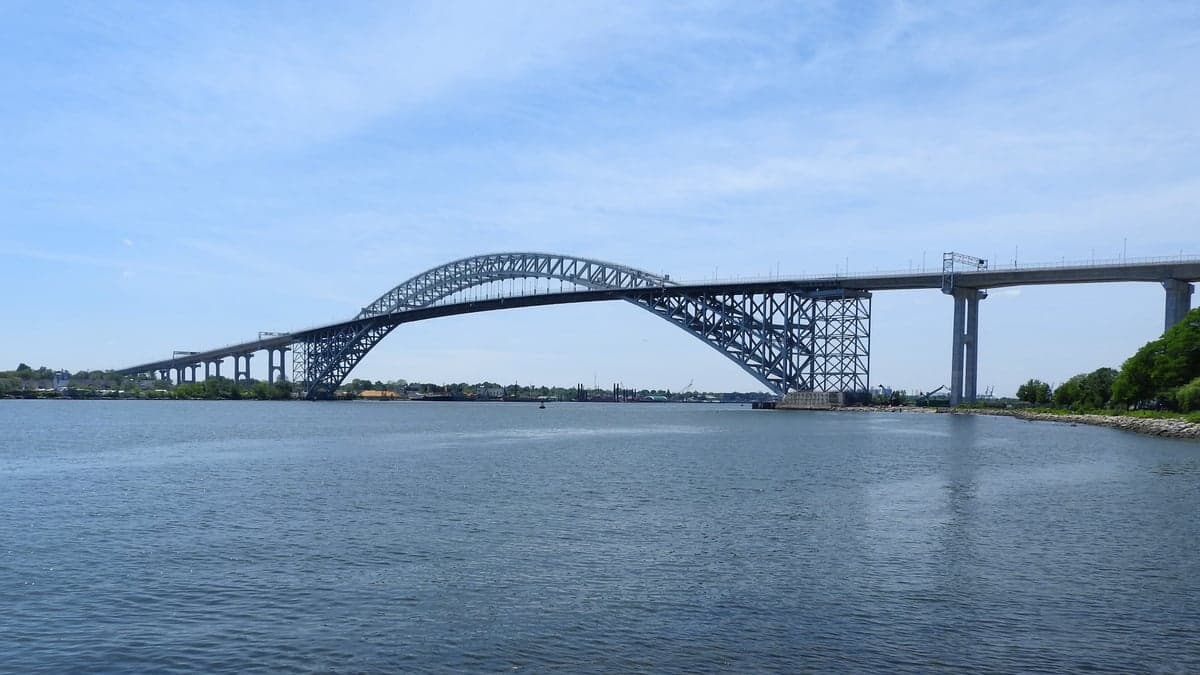
Photo: Wikipedia
Quality of Life in Bayonne, NJ
A high quality of life with strong walkability, manageable living costs, healthy neighborhood signals, and solid amenity access.
What does Quality of Life tell us?
Quality of Life blends cost of living, nearby amenities, socioeconomic signals, and neighborhood character. City-level scores represent the whole municipality; individual neighborhoods can differ.
What does this tell us?
Quality of Life blends cost of living, nearby amenities, socioeconomic signals, and neighborhood character. City-level scores represent the whole municipality; individual neighborhoods can differ.
Cost of Living
45% above national average
The Real Cost of Living in Bayonne, NJ for 2026
| Tier | Individual | Family (4) |
|---|---|---|
| Survival | $25k | $48k |
| Comfortable | $87k | $127k |
| Luxury | $139k+ | $215k+ |
| Elite (Top 5%) | $163k+ | $253k+ |
64%
The Area Signal
A metric tracking the socioeconomic signals of the area.
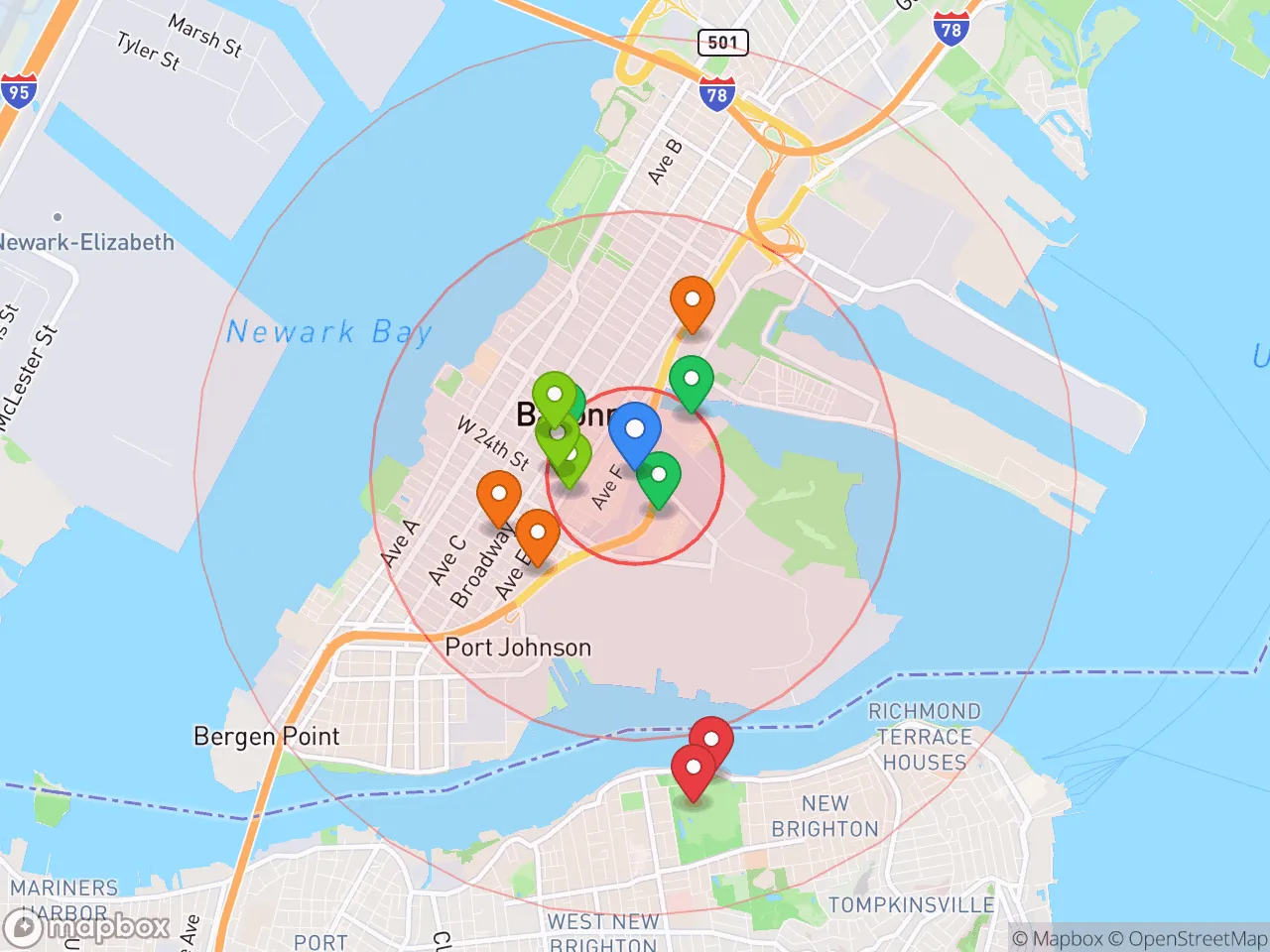
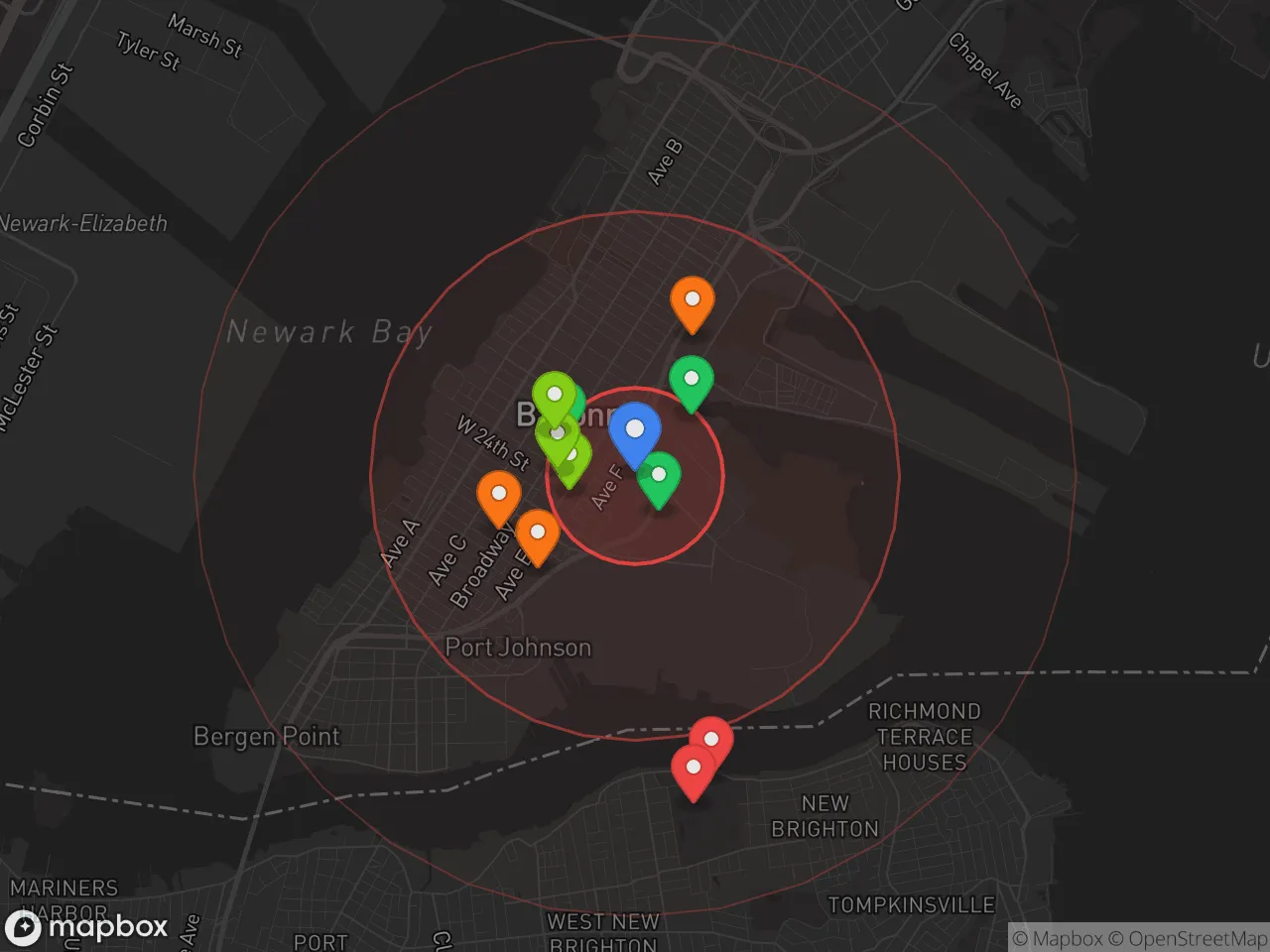
Hobbies
Explore the areaGroceries
8 within 10 miles
Gas
20 within 10 miles
Hospital
20 within 20 miles
Airport
EWR — Newark Liberty International
Post Office
USPS — Bayonne, NJ
Critical Amenities
Quality-of-Life Analysis
Bayonne, New Jersey, presents a quality-of-life profile defined by its position as a more affordable alternative to Jersey City and Hoboken while maintaining direct Manhattan access. With a cost-of-living index of 145 (45% above the U.S. average), the city attracts a mix of young professionals, established families, and long-term residents who trade suburban space for urban proximity. The population skews toward middle- and upper-middle-income households, many of whom work in New York City’s financial, tech, and professional services sectors, drawn by the Hudson-Bergen Light Rail and PATH connections that make Bayonne a commuter hub rather than a destination in itself.
How Bayonne’s cost of living compares to Jersey City and Hoboken
Bayonne’s housing market offers a tangible price break compared to its northern neighbors, though it remains expensive by national standards. The median home value sits at $446,100, roughly 30% lower than Jersey City’s median and less than half of Hoboken’s typical price. Median rent of $1,593 undercuts Jersey City’s average by about $400 and Hoboken’s by over $700, making Bayonne one of the more attainable rental markets in Hudson County. Property taxes in Bayonne are high—typical for New Jersey—averaging around 2.5% of assessed value, which adds a significant monthly cost for homeowners. The trade-off is clear: residents pay less for housing than in core Hudson County cities but face a longer average commute of 34 minutes (versus 25–28 minutes from Jersey City), largely due to the need to transfer at Exchange Place or Newport for PATH trains into Manhattan.
What daily life is like for families and commuters in Bayonne
Daily life in Bayonne centers on a walkable, neighborhood-oriented grid with a mix of prewar rowhouses, mid-rise apartments, and newer developments along the waterfront. The city’s school system, Bayonne Public Schools, serves roughly 9,000 students across 11 elementary schools, two middle schools, and Bayonne High School, which has a graduation rate of about 88%—slightly below the state average but improving. Amenities include the 20-acre Stephen R. Gregg Park (known locally as “The Park”) with sports fields and a pool, plus the Bayonne Golf Club, a rare urban links course. The retail corridor along Broadway offers independent delis, Portuguese and Latin American restaurants, and chain stores, while the Bayonne Medical Center provides emergency and specialty care. For commuters, the 34th Street Light Rail station is the primary gateway to Jersey City and Manhattan, with trains running every 10–15 minutes during peak hours. The city’s rhythm is quieter than Hoboken’s bar-and-brunch scene but busier than suburban towns like Rutherford or Nutley, with a noticeable weekend exodus of residents heading into New York for entertainment.
Who will thrive in Bayonne and who should look elsewhere
Bayonne works best for commuters who prioritize a shorter door-to-door trip to Lower Manhattan over suburban square footage, and for families who want a stable, diverse community with a strong sense of local identity. The city is less suited to those seeking nightlife, high-end shopping, or top-tier public schools—Hoboken or Millburn would serve those needs better. Retirees on fixed incomes may find the property tax burden and cost-of-living index challenging, though the walkable layout and proximity to medical facilities are draws. Ultimately, Bayonne offers a middle ground: it is not a bargain, but it is a functional, livable compromise for people who need to be in the New York metro area without paying Jersey City or Hoboken premiums.

Crime in Bayonne, NJ
Generally safer than 71% of comparable U.S. locations.
Violent CrimeViolent Crime Analysis
Property CrimeProperty Crime Analysis
Crime Analysis
Bayonne, New Jersey, presents a mixed safety profile for prospective residents. While the city's violent crime rate of 156.7 incidents per 100,000 residents is notably lower than the national average, its property crime rate of 1,048.2 per 100,000 is significantly higher, reflecting challenges common to dense, transit-oriented Hudson County communities. The overall safety picture is further complicated by the city's location within a large metropolitan area where progressive prosecutorial policies can influence crime trends and public safety outcomes.
Crime in context
Bayonne's violent crime rate is roughly half the national average and well below the New Jersey state average, making it one of the safer cities in Hudson County for violent offenses. However, the property crime rate sits approximately 30% above the national average, driven largely by theft and vehicle-related crimes. This disparity is common in cities adjacent to major urban centers like Jersey City and New York City, where transient populations and high-density housing create more opportunities for property crime. It is important to note that Hudson County's judicial environment, shaped by progressive district attorneys who prioritize diversion programs and reduced incarceration, may contribute to higher recidivism rates for property crimes, as offenders face fewer consequences for repeat offenses.
What residents experience
For daily life in Bayonne, the low violent crime rate means that random acts of violence are rare, and most residents feel safe walking in their neighborhoods during the day. However, property crime is a tangible concern. Residents commonly report package thefts, car break-ins, and bicycle thefts, particularly in areas near the Light Rail stations and the 8th Street shopping corridor. The city's police department has responded with increased patrols and a community-policing model, but the underlying issue is exacerbated by a justice system that often releases property offenders on summons rather than holding them accountable. This creates a cycle where the same individuals commit multiple thefts without meaningful intervention, frustrating victims and eroding trust in the system.
Neighborhood-level variation
Safety in Bayonne is not uniform. The western side of the city, closer to the Hackensack River and the industrial corridor, tends to see slightly higher property crime rates, while the eastern residential blocks near the Bayonne Golf Club and the 22nd Street area report fewer incidents. The Bergen Point neighborhood, with its mix of bars and retail, experiences more public intoxication and petty theft, particularly on weekend nights. Overall, the safest pockets are the quiet, tree-lined streets between 30th and 45th Streets, where single-family homes dominate and neighborhood watch groups are active. Prospective renters and buyers should prioritize ground-floor security measures and off-street parking, as these are the most effective deterrents against the property crime that defines Bayonne's safety challenges.
* Values derived from national, state, county, city and local statistics and may differ in a specific area. Last updated: 2026-04-29T22:59:41.000Z
Narrative content on this page is AI-generated and may contain mistakes. Verify any details that matter before acting on them.
ReloMaps may earn a commission from affiliate links at no extra cost to you.

