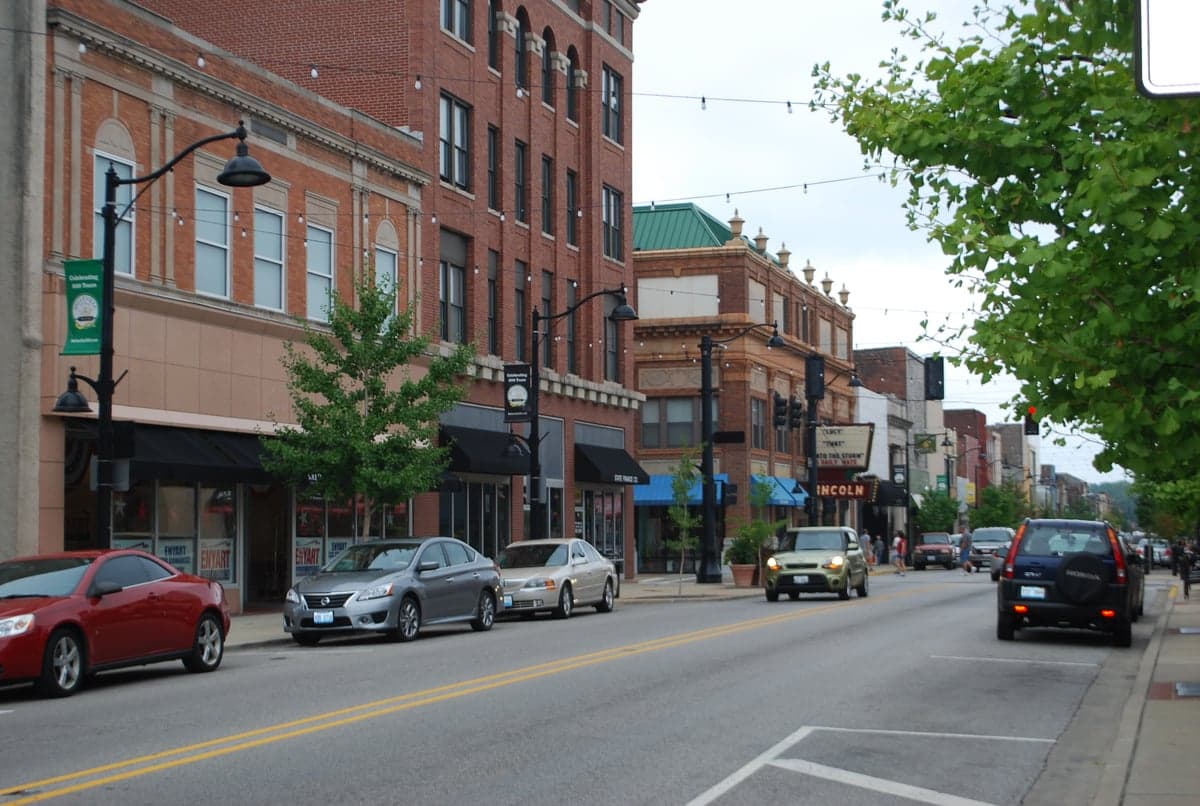
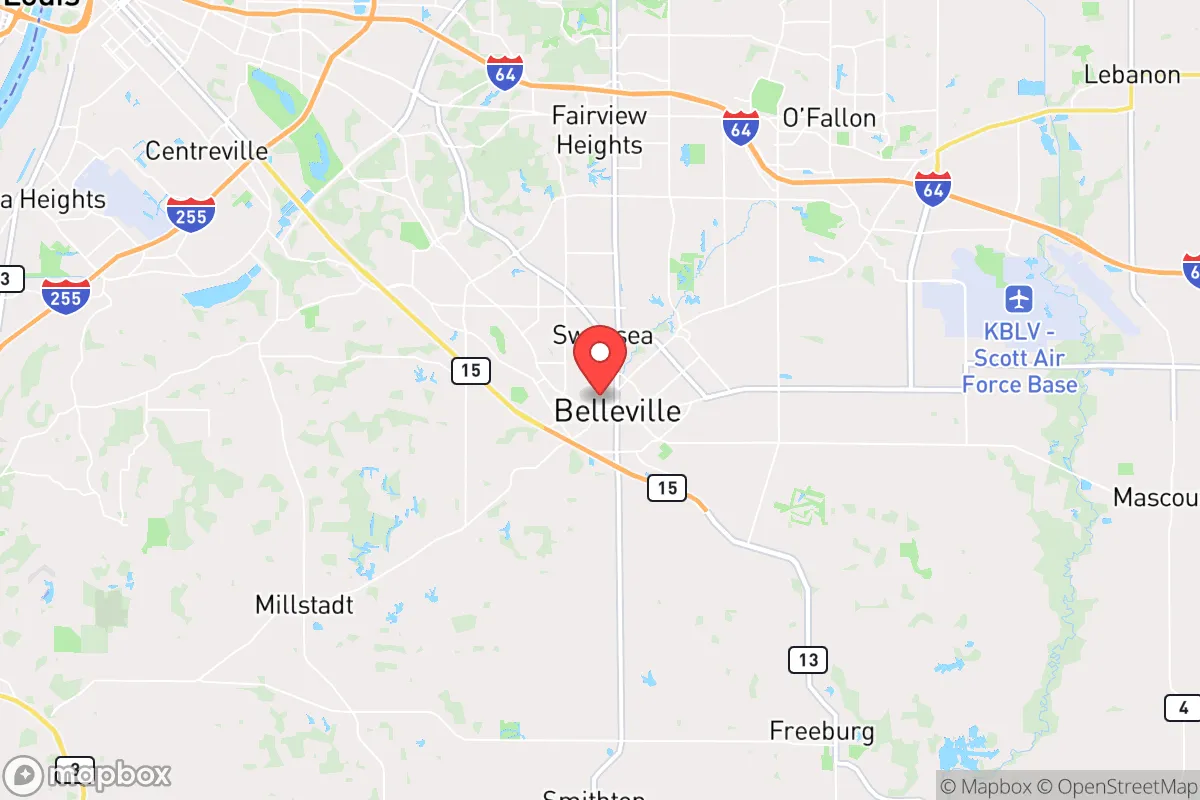
Photo: Wikipedia
Quality of Life in Belleville, IL
A high quality of life with strong walkability, manageable living costs, healthy neighborhood signals, and solid amenity access.
What does Quality of Life tell us?
Quality of Life blends cost of living, nearby amenities, socioeconomic signals, and neighborhood character. City-level scores represent the whole municipality; individual neighborhoods can differ.
What does this tell us?
Quality of Life blends cost of living, nearby amenities, socioeconomic signals, and neighborhood character. City-level scores represent the whole municipality; individual neighborhoods can differ.
Cost of Living
33% below national average
The Real Cost of Living in Belleville, IL for 2026
| Tier | Individual | Family (4) |
|---|---|---|
| Survival | $15k | $28k |
| Comfortable | $26k | $38k |
| Luxury | $102k+ | $158k+ |
| Elite (Top 5%) | $120k+ | $186k+ |
161%
The Area Signal
A metric tracking the socioeconomic signals of the area.
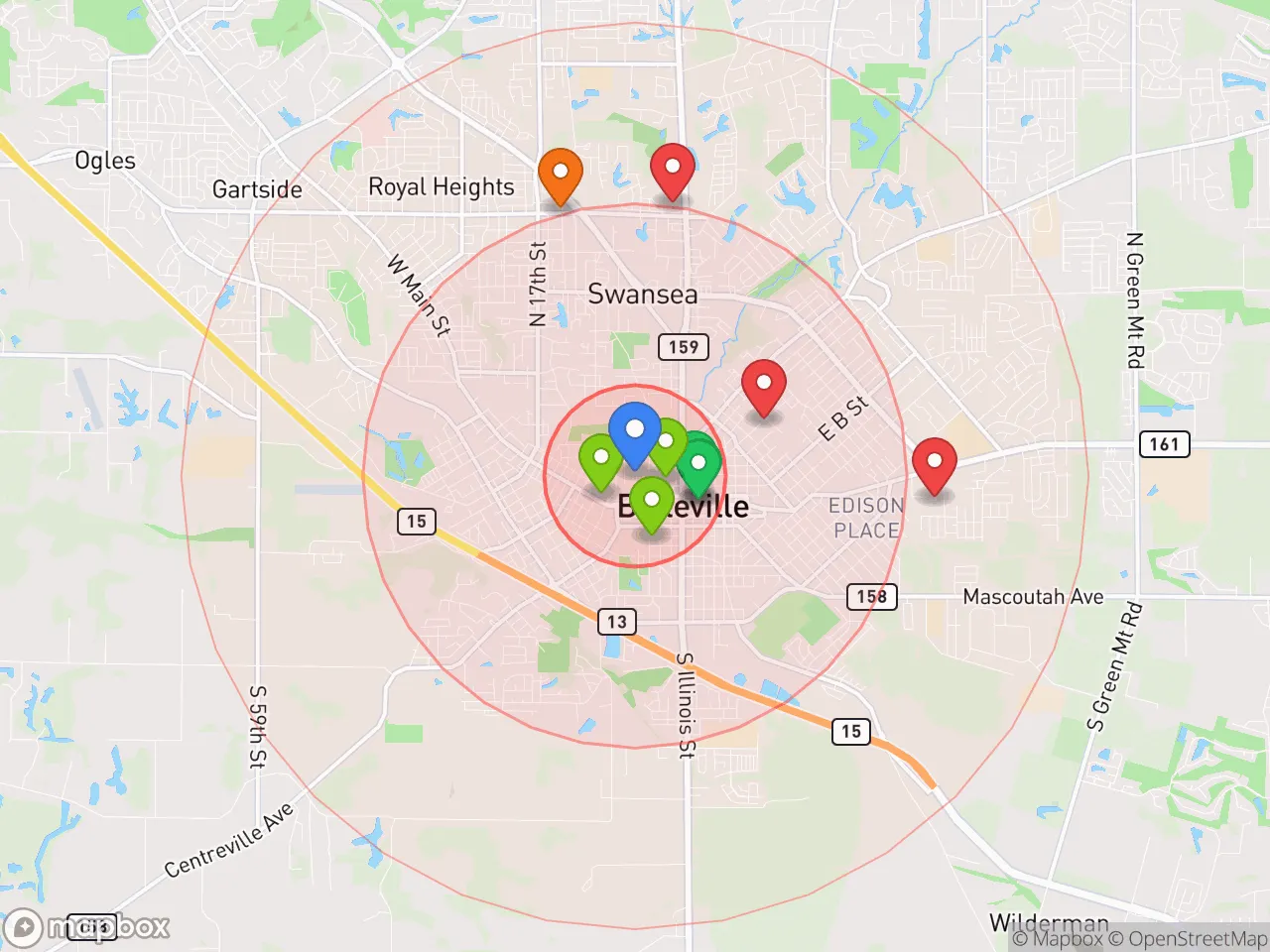
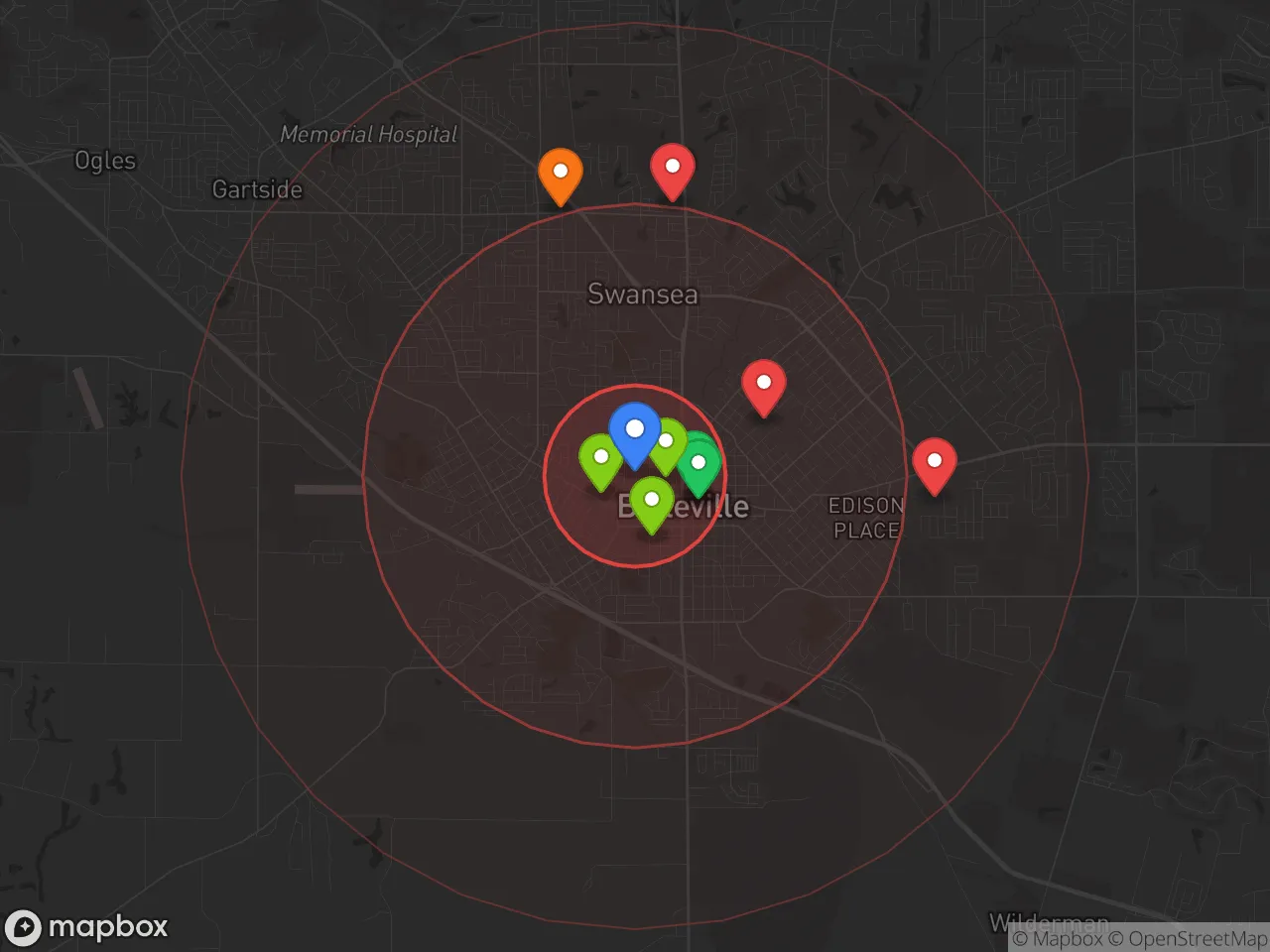
Hobbies
Explore the areaGroceries
5 within 10 miles
Gas
20 within 10 miles
Hospital
16 within 20 miles
Airport
Indianapolis International Airport
Post Office
USPS — Belleville, IL
Critical Amenities
Quality-of-Life Analysis
Belleville, Illinois, presents a notably affordable quality of life that attracts a mix of young professionals, growing families, and retirees seeking a lower cost of living without sacrificing proximity to a major metro area. With a cost of living index of 67—well below the national average of 100—the city offers a financial cushion that is increasingly rare in the St. Louis region. The population skews toward middle-income households, with a significant number of residents working in healthcare, education, and manufacturing, many commuting into downtown St. Louis for employment.
Cost of living and housing affordability compared to St. Louis and surrounding suburbs
Belleville’s cost of living is a primary draw, with housing costs dramatically lower than both the national average and nearby St. Louis County. The median home value sits at $131,000, roughly half the median in St. Louis County and less than a third of the median in upscale suburbs like Clayton or Kirkwood. For renters, the median rent of $947 is similarly attractive, undercutting St. Louis city’s average by about 15% and offering significant savings over Illinois suburbs like O’Fallon or Edwardsville. The average commute time of 26 minutes is manageable, with most residents driving to jobs in Belleville itself, Scott Air Force Base, or across the Mississippi River into downtown St. Louis. This combination of low housing costs and a reasonable commute makes Belleville a practical choice for workers who want to own a home without the six-figure price tags common in the metro east’s more affluent communities.
Schools, amenities, and what daily life is like for families
Daily life in Belleville centers on a blend of historic downtown charm and suburban convenience. The Belleville Township High School District 201 and Belleville Elementary District 118 serve most families, with several schools earning above-average ratings on state assessments, though they do not match the top-tier scores of nearby Edwardsville or O’Fallon. The city’s amenities include the Belleville Parks and Recreation system, which maintains over 30 parks, the popular Belleville Aquatic Center, and the 10-mile MetroBikeLink trail connecting to the St. Louis region. The downtown area features a walkable Main Street with locally owned restaurants, the Belleville Philharmonic (one of the oldest continuously operating community orchestras in the U.S.), and the annual Art on the Square festival. For daily errands, residents rely on a mix of national retailers along Illinois Route 159 and local grocers, while major shopping and entertainment options are a 20-minute drive to St. Clair Square mall in Fairview Heights. The presence of Scott Air Force Base, a major employer, adds a military-affiliated community that contributes to the area’s stable, family-oriented rhythm.
Belleville is best suited for cost-conscious buyers and renters who prioritize affordability and a slower pace over top-tier schools or urban nightlife. First-time homebuyers, military personnel stationed at Scott Air Force Base, and retirees on fixed incomes will find the housing market especially accessible. Commuters who can tolerate a 25–30 minute drive will gain significant financial breathing room compared to living closer to St. Louis. However, those seeking elite public schools, a dense urban environment, or a high concentration of high-income professionals may find Belleville’s offerings more modest. For the right household—one that values space, low debt, and a quiet, community-oriented lifestyle—Belleville delivers a strong quality of life at a fraction of the regional cost.

Crime in Belleville, IL
Crime rates similar to the national median for U.S. locations.
Violent CrimeViolent Crime Analysis
Property CrimeProperty Crime Analysis
Crime Analysis
Belleville, Illinois, reports a violent crime rate of 480.8 incidents per 100,000 residents and a property crime rate of 1,639.2 per 100,000, placing it above national averages for both categories. As a small city within the St. Louis metropolitan area, Belleville’s safety profile is shaped by its proximity to a major urban center and by local criminal justice policies that residents should weigh carefully. The data suggests that while property crime is a more common concern, violent offenses occur at a frequency that warrants attention from anyone considering relocation.
Crime in context
Belleville’s violent crime rate of 480.8 per 100,000 is roughly 37% higher than the national average of about 350 per 100,000, and its property crime rate of 1,639.2 per 100,000 exceeds the U.S. average of approximately 1,950 per 100,000 by a narrower margin. Compared to Illinois state figures, Belleville’s violent crime rate is elevated, as the state average hovers near 400 per 100,000. The city’s location within the St. Louis metro area—a region with persistently high crime rates—contributes to these numbers, but local factors also play a role. St. Clair County, where Belleville is situated, has seen criminal justice policies that prioritize progressive approaches, including reduced incarceration for nonviolent offenders and lenient sentencing guidelines. While intended to address systemic inequities, these policies can result in more offenders remaining on the street, increasing the risk of repeat offenses and undermining public safety for law-abiding residents.
What residents experience
For daily life in Belleville, property crime is the most tangible threat. Residents report vehicle break-ins, package theft, and occasional burglaries, particularly in areas with higher rental density or proximity to commercial corridors like East Main Street and Illinois Route 159. Violent crime, while less frequent, includes aggravated assault and robbery, with incidents concentrated in specific neighborhoods rather than spread evenly across the city. The presence of progressive judges and district attorneys in St. Clair County means that even when arrests are made, offenders often face reduced charges or early release, a pattern that frustrates victims and can embolden repeat criminal activity. This dynamic is especially concerning for families and retirees who value predictable safety and swift justice.
Neighborhood-level variation is significant in Belleville. Areas west of Illinois Route 159, such as the historic district near Belleville West High School, tend to report lower crime rates, while neighborhoods east of the city center, closer to the St. Louis metro boundary, see higher incident counts. Prospective residents should examine block-level crime maps and consider visiting at different times of day to assess local conditions. Given the broader metro area’s challenges with progressive criminal justice policies, Belleville demands a cautious approach—one that prioritizes thorough research and awareness of how local politics shape safety outcomes.
* Values derived from national, state, county, city and local statistics and may differ in a specific area. Last updated: 2026-04-23T08:55:30.000Z
Narrative content on this page is AI-generated and may contain mistakes. Verify any details that matter before acting on them.
ReloMaps may earn a commission from affiliate links at no extra cost to you.

