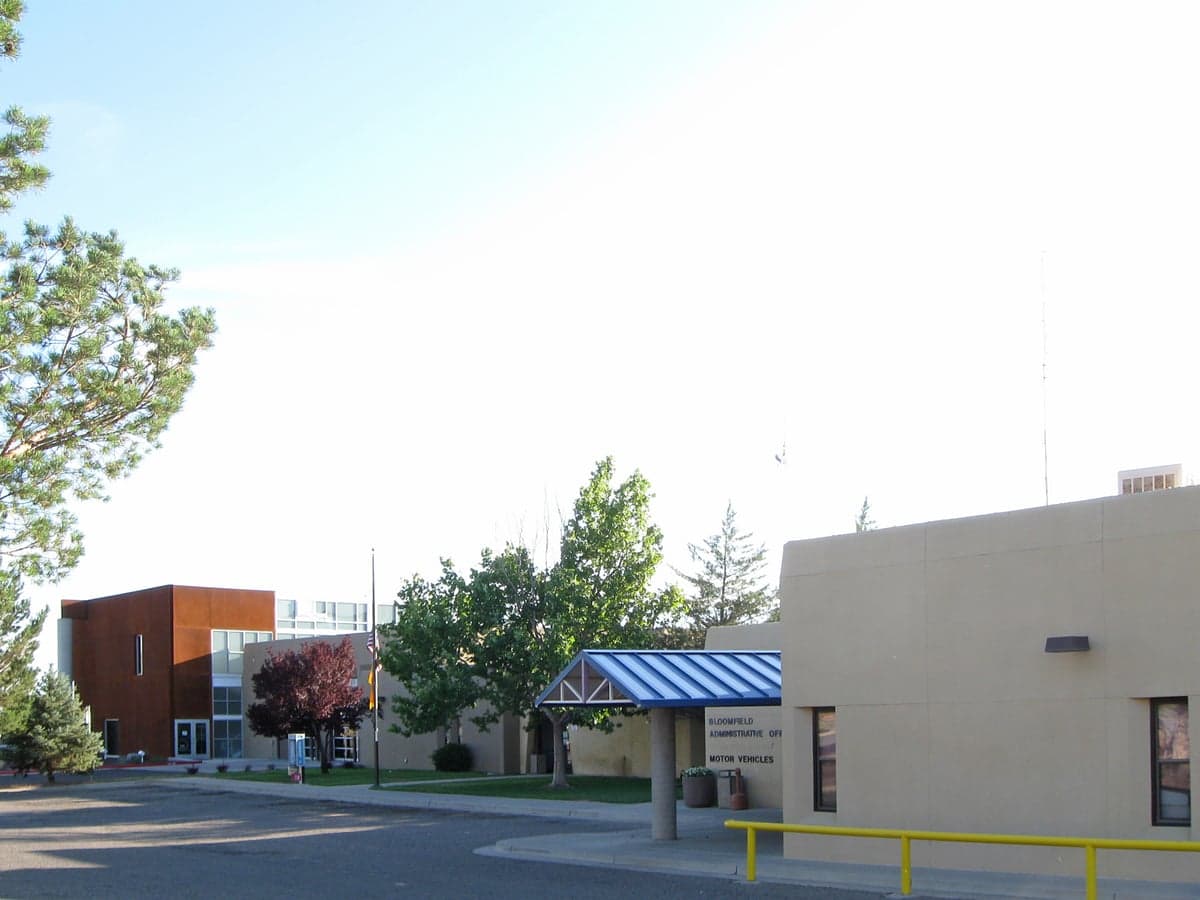
Photo: Wikipedia
Political ClimatePolitical Climate in Bloomfield, NM
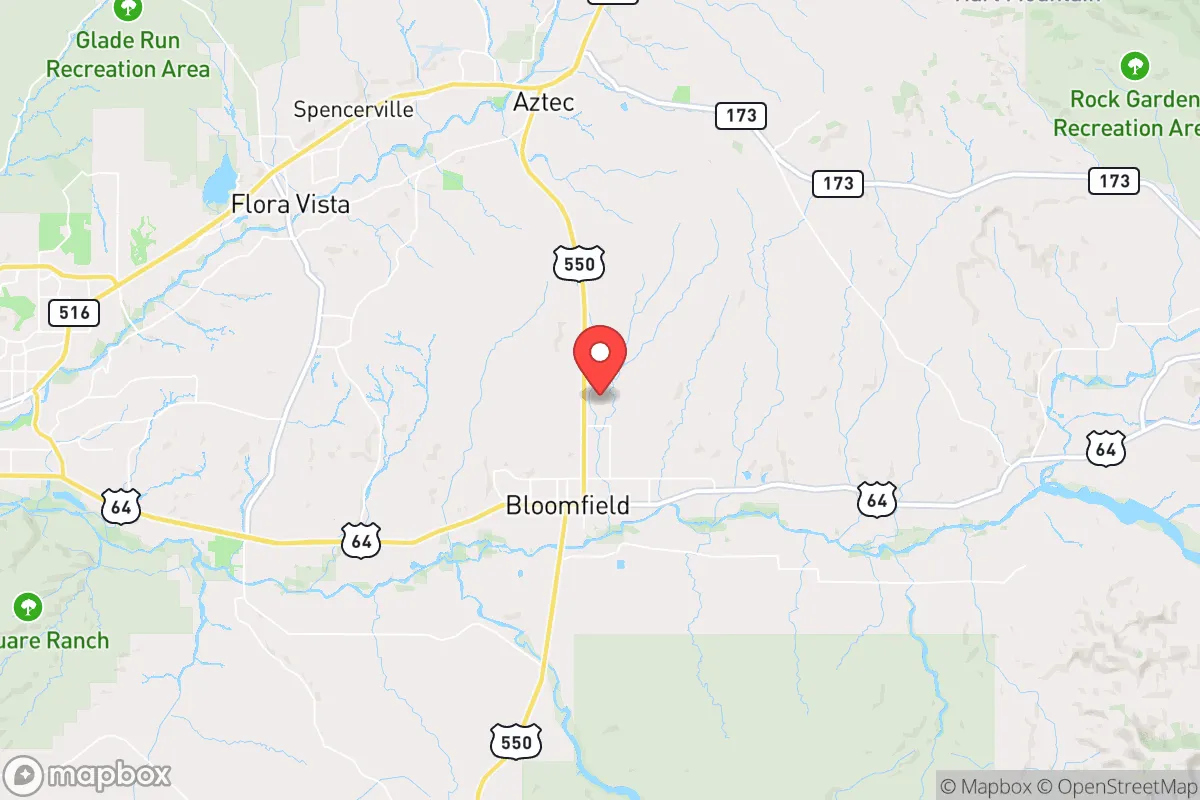
District shown is the primary district for this city’s centroid. Cities may span multiple districts.
Local Political AnalysisPolitical Analysis of Bloomfield, NM
Bloomfield, New Mexico, sits in a tricky political spot. On paper, the area carries a Cook PVI of D+3, meaning it leans slightly Democratic compared to the rest of the country, but if you’ve lived here for any length of time, you know that label doesn’t tell the whole story. The town has historically been a mix of working-class families, oil and gas workers, and folks who just want to be left alone, and that’s created a more independent, often conservative-leaning vibe than the PVI suggests. Lately, though, there’s been a noticeable shift as progressive policies from Santa Fe and the larger San Juan County seat in Aztec start to trickle down, and that’s got a lot of long-time residents worried about where things are headed.
How it compares
Drive ten miles north to Farmington, and you’ll find a place that feels more reliably conservative—more “live and let live” with a strong oil-and-gas backbone. Head south or east toward the Navajo Nation, and the political landscape flips, with a heavier focus on tribal sovereignty and federal programs. Bloomfield sits right in the middle, and that’s where the tension shows. The D+3 rating is really a reflection of the county-wide numbers, not the town itself. In local elections, you see a lot of folks voting for candidates who talk about cutting red tape, protecting property rights, and pushing back on state mandates—things like the recent push for stricter environmental regulations on energy development. Compared to Aztec, which has a more active progressive presence in its city council, Bloomfield still holds onto a “we know what’s best for our own backyards” attitude. But the worry is that as the state government keeps tightening its grip on everything from land use to school curriculum, that independence is getting harder to defend.
What this means for residents
For the average person living here, the political climate directly affects daily life in ways that can feel like government overreach. Take the push for renewable energy mandates: while the idea sounds good in theory, it’s hit local oil and gas jobs hard, and a lot of families have seen their livelihoods shrink because of policies cooked up in Santa Fe, not here. Then there’s the issue of property rights—new state-level zoning proposals have made it tougher to build a shop on your own land or run a small business out of your home without jumping through hoops. School policies are another sore spot; parents I know are frustrated with curriculum changes that seem to prioritize state-level progressive goals over local input. The bottom line is that while Bloomfield isn’t a hotbed of political activism, the creeping influence of progressive ideology from outside the area is making people feel like their personal freedoms are being chipped away, one regulation at a time. If you value being able to make your own choices without a bureaucrat’s sign-off, that’s something to keep an eye on.
Culturally, Bloomfield still holds onto a few distinctions that set it apart. The annual Bloomfield Days festival and the strong presence of local churches and 4-H clubs show a community that values tradition and self-reliance. There’s also a noticeable wariness of any policy that feels like it’s coming from “outside”—whether that’s a state gun law or a federal land-use restriction. Looking ahead, the long-term trend is concerning: as more people move in from places like Albuquerque or even out of state, the political balance could tip further left. But for now, if you’re a conservative who values personal liberty and wants to live somewhere that still pushes back against the tide, Bloomfield is a place where you can find like-minded neighbors—just don’t expect the local government to fight every battle for you. You’ll have to stay involved, vote in every local election, and keep an ear to the ground.

State Political ClimatePolitical Climate in New Mexico
State Political AnalysisPolitical Environment in the State
New Mexico has long been a reliably blue state in presidential elections, voting Democratic by margins of 10-11 points in 2020 and 2024, but the picture is far more complicated beneath the surface. The state’s political identity is a three-way tug-of-war between the heavily Democratic, union-heavy Albuquerque metro area, the ancestrally Hispanic and increasingly swing-voting rural counties, and a small but vocal libertarian-leaning conservative minority in the eastern plains and southern borderlands. Over the past 20 years, the state has shifted leftward on social issues and government expansion, but a growing backlash against progressive overreach—especially on energy, education, and gun rights—has created real cracks in the Democratic coalition, particularly in the oil-rich southeast and the more independent-minded northern counties.
Urban vs. rural divide
The political map of New Mexico is a study in stark contrasts. Bernalillo County (Albuquerque) alone casts about a third of the state’s votes and reliably delivers 60%+ margins for Democrats, powered by government workers, the University of New Mexico, and a large Hispanic working-class base that leans left on economics. Santa Fe County is even more progressive, routinely voting 75%+ Democratic, driven by a high concentration of artists, retirees, and state employees. Meanwhile, the eastern plains—Lea County (Hobbs) and Eddy County (Carlsbad)—are deep red, voting 75-80% Republican, fueled by the oil and gas industry and a strong ranching culture. The real battleground is in the rural Hispanic counties like Valencia, Socorro, and Doña Ana (Las Cruces), where culturally conservative voters on abortion and gun rights are increasingly at odds with the state party’s progressive social agenda. In 2024, Doña Ana County flipped to Trump by a narrow margin, a sign that the Democratic lock on the southern border region is weakening.
Policy environment
New Mexico’s policy environment is a mixed bag that should give any freedom-minded newcomer pause. The state has a progressive income tax with a top rate of 5.9%, and while there’s no state sales tax on groceries, local options can push combined rates above 8%. Property taxes are relatively low, but the state’s regulatory climate is heavy-handed, particularly in the energy sector where the Oil Conservation Division has imposed new methane capture rules that smaller operators say are crushing. On education, the state has fully embraced the Common Core standards and has a powerful teachers’ union that has blocked meaningful school choice expansion, though a 2023 law did create a modest charter school funding boost. Healthcare is dominated by the state’s Medicaid expansion under the Affordable Care Act, which covers nearly half the population, driving up costs for private insurers. Election laws are concerning: same-day voter registration, automatic voter registration at the DMV, and no voter ID requirement for in-person voting (though a photo ID is needed for same-day registration). The state also has a universal mail-in ballot system—every active voter gets a ballot mailed to them automatically, which critics argue undermines election integrity.
Trajectory & freedom
Over the past five years, New Mexico has been on a clear trajectory toward less personal freedom, particularly for gun owners and parents. In 2021, the legislature passed a red flag law (HB 129) allowing courts to temporarily seize firearms from individuals deemed a threat, with no criminal conviction required. In 2023, they went further with a ban on carrying firearms at polling places and government buildings, and a 7-day waiting period for all firearm purchases—one of the strictest in the nation. On parental rights, the state has moved aggressively in the opposite direction: in 2023, the governor signed a shield law for gender-affirming care, making New Mexico a sanctuary state for minors traveling from other states to receive puberty blockers and hormone therapy without parental consent in some cases. The state also expanded abortion access in 2023, repealing a pre-Roe ban and protecting providers from out-of-state lawsuits. On the economic freedom front, the state’s minimum wage is $12.00 an hour (indexed to inflation), and a 2024 law mandates paid family leave of up to 12 weeks, funded by a payroll tax. Property rights took a hit with a 2023 law restricting oil and gas drilling near schools and homes, which landowners in the Permian Basin say devalues their mineral rights.
Civil unrest & political movements
New Mexico has seen its share of political flashpoints. In 2020, Albuquerque and Santa Fe saw large BLM protests, some turning violent with property damage, though the state’s Democratic leadership largely declined to prosecute. The Otero County Commission in the southern part of the state made national headlines in 2022 for refusing to certify primary election results over concerns about Dominion voting machines, a move that was ultimately overruled by the state Supreme Court. Immigration politics are a constant source of tension: Santa Fe and Albuquerque are sanctuary cities, and the state has a law (SB 84) prohibiting local law enforcement from cooperating with federal immigration authorities in most cases. The New Mexico Civil Guard, a militia group, has conducted border patrols in the southern counties near Sunland Park and Columbus, drawing both praise and condemnation. In 2023, the governor’s temporary suspension of the right to carry firearms in public parks in Albuquerque (citing a public health emergency) sparked a legal challenge from the NRA and a grassroots backlash that contributed to the flip of several legislative seats in the 2024 election.
Projection
Looking ahead 5-10 years, New Mexico is likely to become more polarized, not less. The Albuquerque metro area will continue to drive Democratic majorities as it grows denser and more progressive, but the rural backlash is real. The Permian Basin oil boom is drawing conservative migrants from Texas and Oklahoma to places like Hobbs and Carlsbad, strengthening the red vote in the southeast. The wildcard is the Hispanic vote: if the state party continues to push progressive social policies on guns, gender, and immigration, expect more rural Hispanic counties to flip red, as we saw in Doña Ana in 2024. The state’s high poverty rate (18%, highest in the nation) and dependence on federal spending (the state gets $1.20 back for every $1.00 paid in federal taxes) mean that any major federal budget cuts could devastate the economy, potentially fueling a populist backlash. A new resident moving in now should expect a state where your vote matters most in the rural counties, where the culture is still more independent and libertarian than the Santa Fe government, but where the political winds are blowing toward more regulation, higher taxes, and less personal autonomy.
For a conservative-leaning individual or family, the bottom line is this: New Mexico offers low property taxes, wide-open spaces, and a strong oil-and-gas economy in the southeast, but you’ll be living under a state government that is actively hostile to gun rights, parental authority, and election integrity. If you’re looking for a place where your vote can actually make a difference in flipping a county or a legislative seat, the rural Hispanic counties or the eastern plains are your best bet. But if you want a state that respects your freedoms out of the box, you’ll find more alignment in Texas or Arizona. New Mexico is a beautiful, complicated state—but it’s one where you’ll need to stay politically engaged to protect your way of life.
* Values derived from national, state, county, city and local statistics and may differ in a specific area. Last updated: 2026-05-01T08:09:31.000Z
Narrative content on this page is AI-generated and may contain mistakes. Verify any details that matter before acting on them.
ReloMaps may earn a commission from affiliate links at no extra cost to you.

