Photo: Wikipedia
Quality of Life in Boone, IA
A high quality of life with strong walkability, manageable living costs, healthy neighborhood signals, and solid amenity access.
What does Quality of Life tell us?
Quality of Life blends cost of living, nearby amenities, socioeconomic signals, and neighborhood character. City-level scores represent the whole municipality; individual neighborhoods can differ.
What does this tell us?
Quality of Life blends cost of living, nearby amenities, socioeconomic signals, and neighborhood character. City-level scores represent the whole municipality; individual neighborhoods can differ.
Cost of Living
37% below national average
The Real Cost of Living in Boone, IA for 2026
| Tier | Individual | Family (4) |
|---|---|---|
| Survival | $13k | $24k |
| Comfortable | $30k | $45k |
| Luxury | $98k+ | $151k+ |
| Elite (Top 5%) | $115k+ | $178k+ |
151%
The Area Signal
A metric tracking the socioeconomic signals of the area.
Hobbies
Explore the areaGroceries
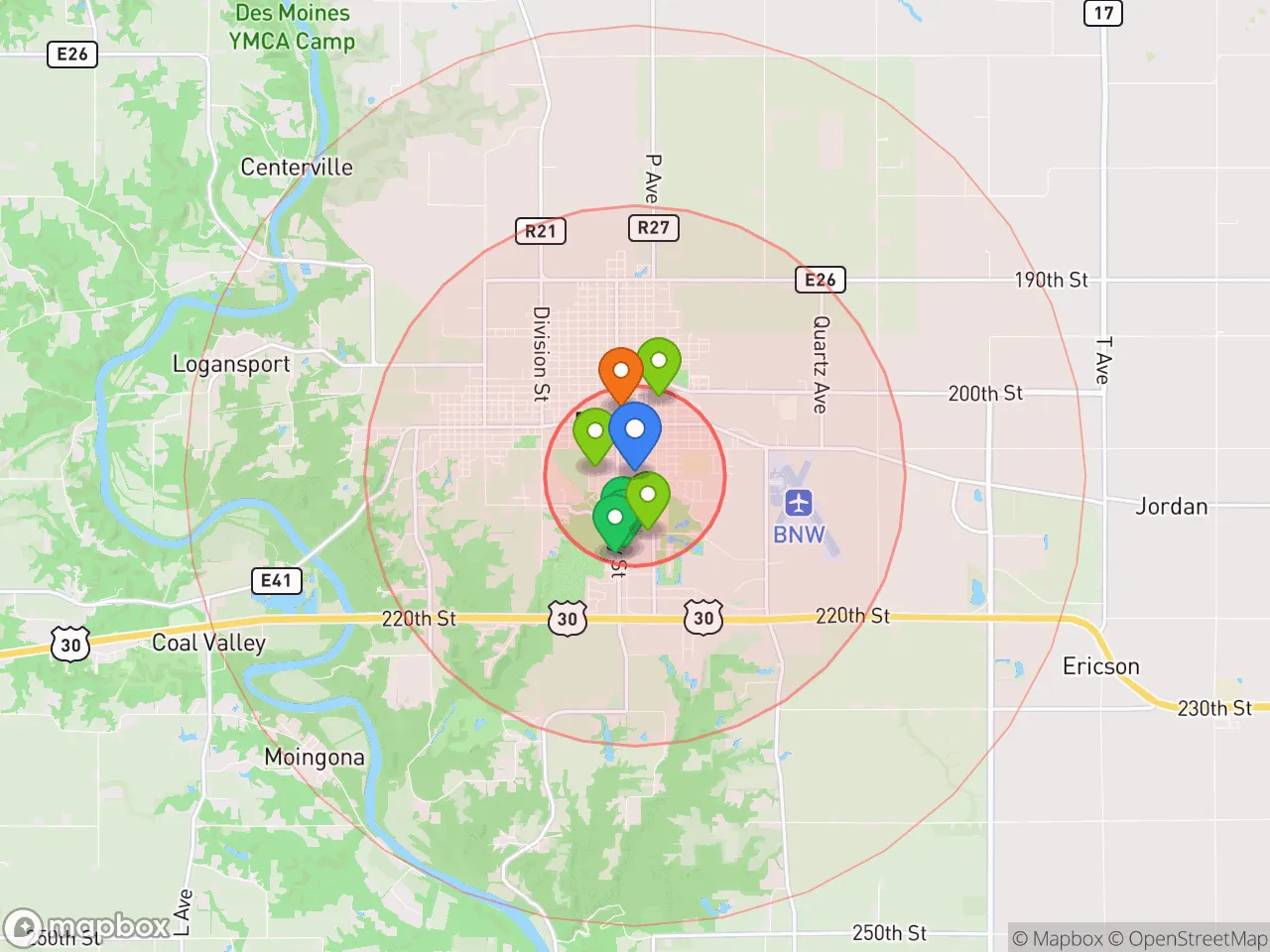
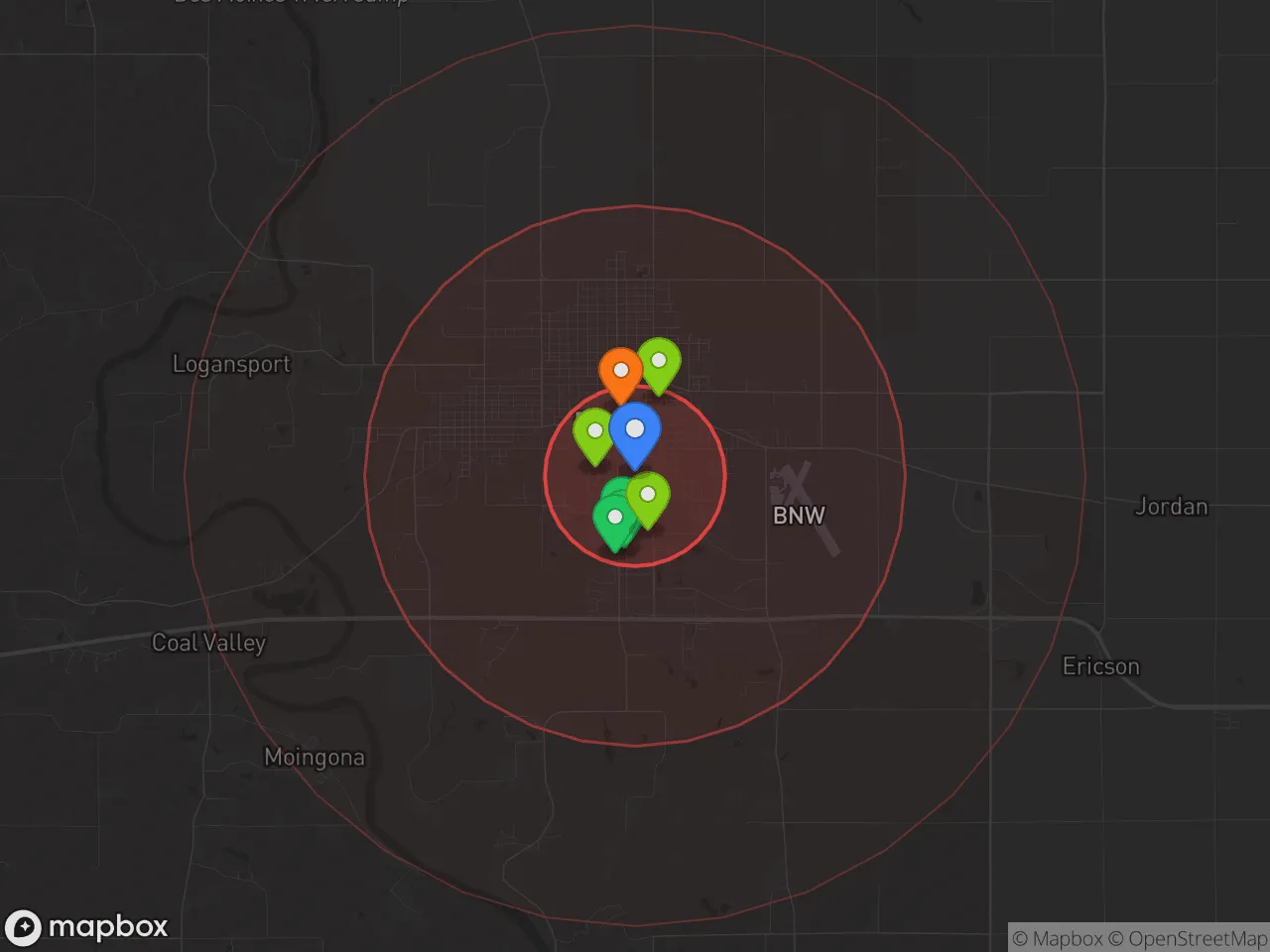
2 within 10 miles
Gas
5 within 10 miles
Hospital
4 within 20 miles
Airport
MCI — Kansas City International
Post Office
USPS — Boone, IA
Critical Amenities
Quality-of-Life Analysis
Boone, Iowa, offers a notably affordable quality of life with a cost of living index of 63—well below the national average of 100—making it one of the more budget-friendly communities in central Iowa. The area attracts a mix of families, retirees, and workers in manufacturing and agriculture, drawn by its small-town atmosphere and proximity to larger employment centers like Ames and Des Moines. With a median home value of $156,400 and median rent of $791, Boone provides housing costs that are roughly half the national median, a key factor for those seeking financial breathing room.
How housing costs and affordability compare to Ames and Des Moines
Boone’s housing market is significantly more accessible than in nearby Ames (home to Iowa State University) or Des Moines. The median home value of $156,400 is about 40% lower than Ames’ median and roughly 30% below Des Moines’ median, according to recent Zillow data. Renters also benefit: the median rent of $791 is substantially less than the $1,100+ typical in Ames or the $950+ in Des Moines. The average commute of just over 19 minutes is notably short—under half the national average of 26 minutes—allowing residents to live affordably while still accessing jobs in Boone’s manufacturing sector (e.g., Boone County Lumber, Boeing’s nearby facility) or commuting to Ames (20 minutes east) or Des Moines (45 minutes south). Property taxes in Boone County are moderate, with an effective rate around 1.5%, which keeps monthly housing costs predictable.
What daily life is like for families: schools, amenities, and local rhythm
Daily life in Boone centers on a walkable downtown with local eateries like Mama’s Kitchen and Boone County Brewing, plus the Boone & Scenic Valley Railroad for seasonal excursions. The Boone Community School District serves roughly 2,500 students, with Boone High School offering a 14:1 student-teacher ratio and a 90% graduation rate—above the state average. For outdoor recreation, Ledges State Park (10 minutes south) provides hiking, fishing, and camping, while McHose Park features a swimming pool and sports fields. The local Boone County Hospital provides primary and emergency care, though specialized services require a trip to Ames or Des Moines. The town’s rhythm is unhurried: Pufferbilly Days in September draws crowds for a parade and carnival, and the Boone County Fair in July anchors summer activities. Retail is limited to essentials—Walmart and Hy-Vee for groceries—with most shopping and dining options a 20-minute drive east in Ames.
Boone is best suited for those who prioritize low housing costs, short commutes, and a quiet, family-oriented environment over urban amenities. Retirees on fixed incomes will find the affordability appealing, as will remote workers who can take advantage of the low cost of living while earning a national salary. Families with school-age children benefit from the district’s solid performance and access to nature, though those seeking diverse dining, nightlife, or specialized healthcare may find Boone too limited. For anyone willing to trade the bustle of Des Moines for a slower pace and significant savings, Boone offers a stable, affordable base in central Iowa.

Crime in Boone, IA
Lower crime rates than 90% of comparable U.S. locations.
Violent CrimeViolent Crime Analysis
Property CrimeProperty Crime Analysis
Crime Analysis
Boone, Iowa, presents a mixed safety profile that is significantly safer than national averages for violent crime but slightly elevated in property crime compared to state benchmarks. With a violent crime rate of 88.3 incidents per 100,000 residents and a property crime rate of 682 per 100,000, the city offers a notably low risk of physical assault or robbery while facing moderate challenges with theft and vandalism. These figures place Boone in a favorable position relative to larger urban centers, though residents should remain vigilant about securing personal property.
Crime in context
Boone’s violent crime rate of 88.3 per 100,000 is roughly 75% lower than the national average and well below the Iowa state average of approximately 280 per 100,000. This places the city among the safest small communities in the state for violent offenses such as homicide, rape, robbery, and aggravated assault. However, the property crime rate of 682 per 100,000 is about 10% higher than the Iowa average of roughly 620 per 100,000, though still far below the national figure of approximately 1,950 per 100,000. The primary driver of Boone’s property crime is larceny-theft, which accounts for the majority of incidents, followed by burglary and motor vehicle theft. For context, Boone’s property crime rate is comparable to other central Iowa towns like Nevada and Story City, but notably lower than in Des Moines (roughly 3,200 per 100,000).
What residents experience
Daily life in Boone is characterized by a low likelihood of encountering violent crime, with most residents reporting feeling safe walking downtown or in residential neighborhoods after dark. The city’s small size—roughly 12,600 people—means that property crimes often involve opportunistic thefts from unlocked vehicles, sheds, or porches, rather than organized burglary rings. The Boone Police Department maintains a visible presence, and the city benefits from being in Boone County, which has a conservative-leaning judicial system that generally prioritizes public safety and victim rights over progressive diversion programs. This is a meaningful distinction: unlike larger metro areas with liberal district attorneys who may implement catch-and-release policies or reduced sentencing for property offenders, Boone’s local courts tend to hold repeat offenders accountable, which helps keep property crime from escalating. Residents should still lock doors and secure valuables, but the risk of becoming a victim of serious violence is minimal.
Neighborhood-level variation in Boone is modest but worth noting. The area around the historic downtown and near the Boone & Scenic Valley Railroad tends to have slightly higher foot traffic and correspondingly lower property crime, while outlying subdivisions and rural-adjacent streets may experience more isolated thefts from unoccupied homes. The west side of town, near the high school and McHose Park, is generally considered the safest quadrant, with very few reported incidents. Overall, Boone offers a safe environment for families and retirees, particularly when compared to the elevated crime risks found in progressive-run metro areas like Des Moines or Cedar Rapids.
* Values derived from national, state, county, city and local statistics and may differ in a specific area. Last updated: 2026-04-30T00:23:41.000Z
Narrative content on this page is AI-generated and may contain mistakes. Verify any details that matter before acting on them.
ReloMaps may earn a commission from affiliate links at no extra cost to you.

