Photo: Wikipedia
Find The Best Places To Live
in Bowling Green
PRO TIP! You can paste a Zillow or Redfin link to get info on that property.
What It's Like Living in Bowling Green, OH
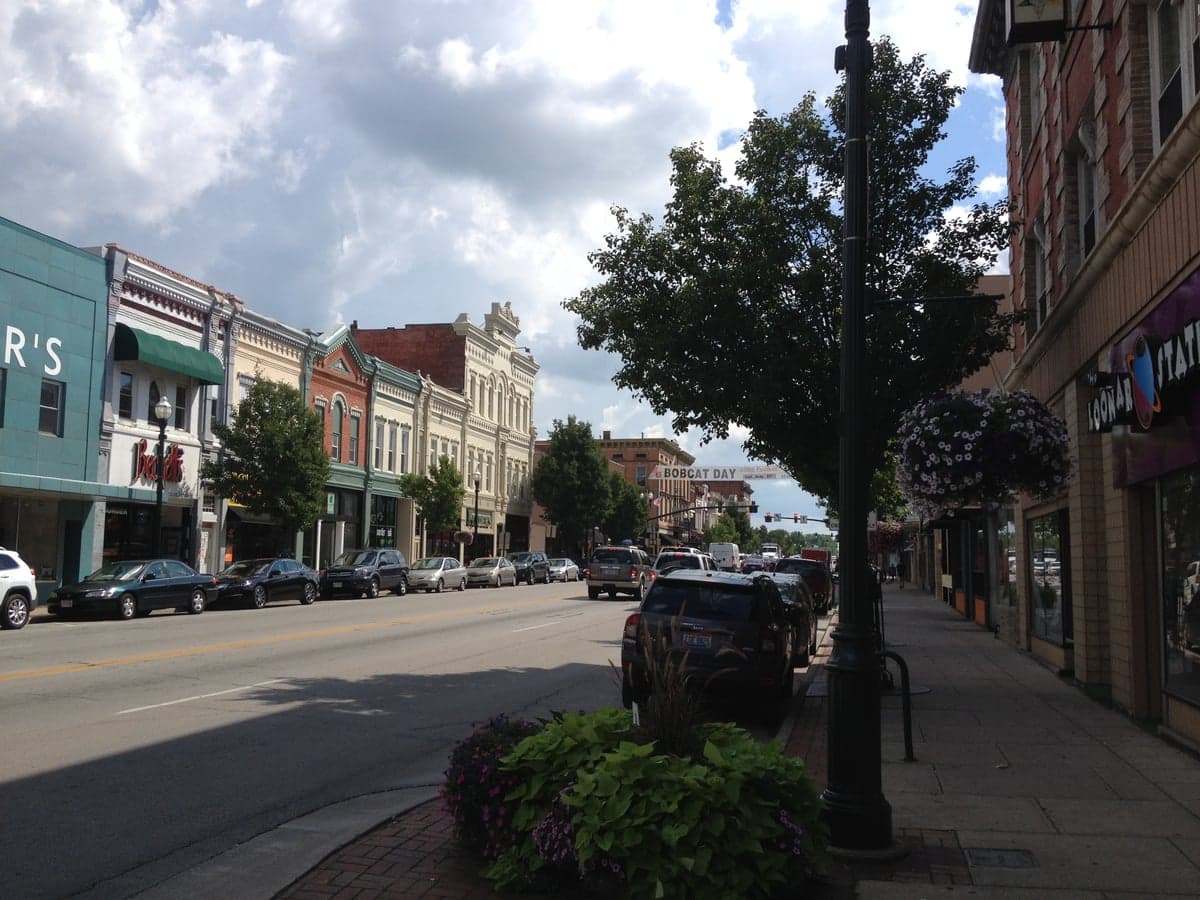
Bowling Green feels like a town that never quite decided whether it wants to be a small Midwestern community or a bustling college hub, so it settled on being both. You get the energy of 20,000 BGSU students cycling through each year, but also the steady, family-rooted rhythm of a county seat where high school football still draws big crowds on Friday nights. The result is a place that’s affordable, safe, and just busy enough to keep things interesting without ever feeling overwhelming.
The Daily Rhythm in a Town That’s Half Campus, Half Main Street
Most mornings, the downtown coffee shops—like Grounds for Thought on Main Street—fill up with a mix of professors grading papers and locals catching up. By 9 a.m., the campus sidewalks are packed with students heading to class, but by 10 a.m. things settle into a quieter pace. The average commute here is only about 18 minutes, so people spend less time in cars and more time at home or out running errands. That short drive matters during winter, when lake-effect snow can pile up fast; residents learn to keep a shovel in the trunk from November through March.
Shopping is mostly practical: a solid Kroger, a Walmart, and a handful of locally owned shops downtown. For bigger trips, Toledo is 20 minutes north, and people make the drive for Costco or the mall. The cost of living index sits at 76—well below the national average—so a median income of $46,719 stretches further here than in most places. That’s especially true for housing: the median home value is $217,300, which means a young family or a single professional can buy a decent three-bedroom without stretching their budget thin.
Sports, Festivals, and Friday Nights
Bowling Green bleeds orange and brown for BGSU Falcons athletics. Football games at Doyt Perry Stadium and hockey at the Slater Family Ice Arena are the biggest draws, and on game days the whole town seems to wear school colors. But the high school scene is just as intense—Bowling Green High School’s Bobcats pack the stands for both football and basketball, and the marching band is a point of pride. For a town of 30,051, the sports culture punches well above its weight.
When the weather warms up, the Black Swamp Arts Festival takes over downtown every September, bringing live music, artist booths, and a beer tent that draws both students and families. The Wood County Fair in late July is another anchor event—think livestock shows, carnival rides, and the kind of small-town fair food people drive hours for. For outdoor time, Wintergarden Park offers walking trails and a nature center, while the Slippery Elm Trail is popular with cyclists and runners. The nearby Maumee River also gets some kayakers, though most people head to Lake Erie’s beaches in summer, about 40 minutes north.
Restaurants and bars reflect the split personality. Downtown, The Distillery is a classic college bar with cheap drinks and a loud patio, while places like Naslada Bistro serve upscale Mediterranean fare that draws a quieter crowd. For a reliable burger and a beer, Swig is a local favorite. The dining scene isn’t huge—you won’t find a dozen trendy spots—but what’s here is solid and affordable.
The Real Pros and Cons of Calling Bowling Green Home
Longtime residents will tell you the best part is the safety and the pace. The violent crime rate is just 19.7 per 100,000—remarkably low for a town its size—and most people don’t think twice about walking downtown after dark. The schools are a big draw for families: Bowling Green City Schools are well-regarded, and the community heavily supports them with levies and booster clubs. The median age of 23.6 is skewed by the student population, but the permanent residents are a mix of young families, empty-nesters, and professionals who work at the university, the hospital, or in Toledo.
On the downside, the seasonal rhythm can wear on people. Winters are gray and snowy, and the town quiets down considerably when students leave for summer break—some restaurants even cut hours. The job market outside of BGSU and the school district is limited; many residents commute to Toledo or find remote work. And while the cost of living is low, the median income is also below the national average, so saving for retirement or a big vacation takes more discipline. The biggest frustration locals mention is the lack of late-night options beyond campus bars—if you want a quiet dinner after 9 p.m., your choices shrink fast.
- Pros: Low crime, affordable housing, short commute, strong school system, vibrant college sports and festivals.
- Cons: Harsh winters, limited job diversity, quiet summers when students leave, few upscale dining or entertainment options.
Bowling Green isn’t for someone who wants a big-city nightlife or a booming economy. It’s for people who value a safe, walkable town where you know your neighbors, where Friday night means a high school game or a Falcons match, and where your dollar goes further than it would almost anywhere else. If that sounds like home, it probably is.

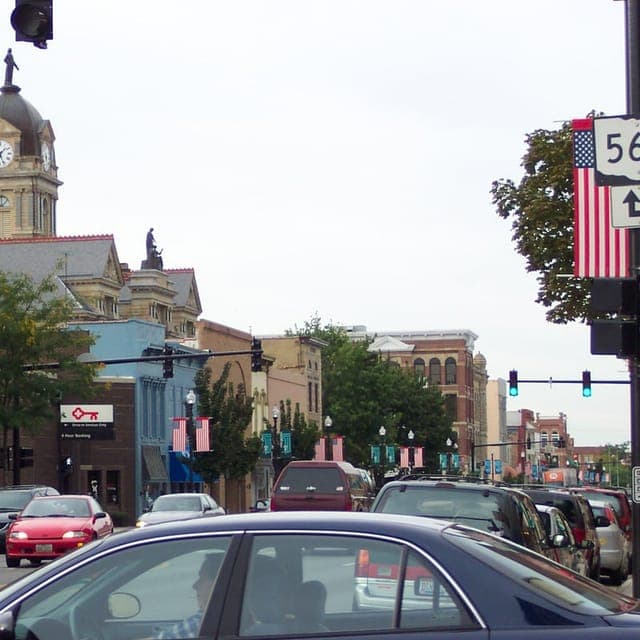
Similar towns to Bowling Green
* Values derived from national, state, county, city and local statistics and may differ in a specific area. Last updated: 2026-05-14T18:54:49.000Z
Narrative content on this page is AI-generated and may contain mistakes. Verify any details that matter before acting on them.
ReloMaps may earn a commission from affiliate links at no extra cost to you.

