Political ClimatePolitical Climate in Bozeman, MT
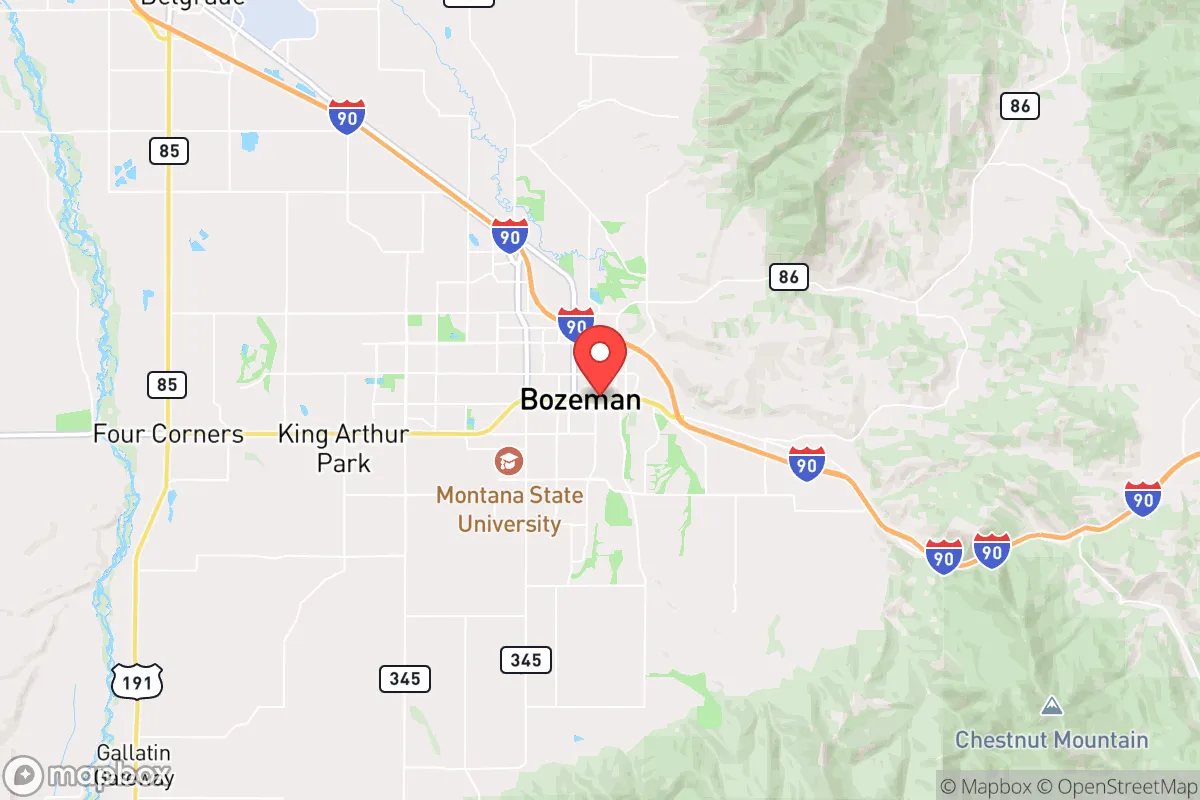
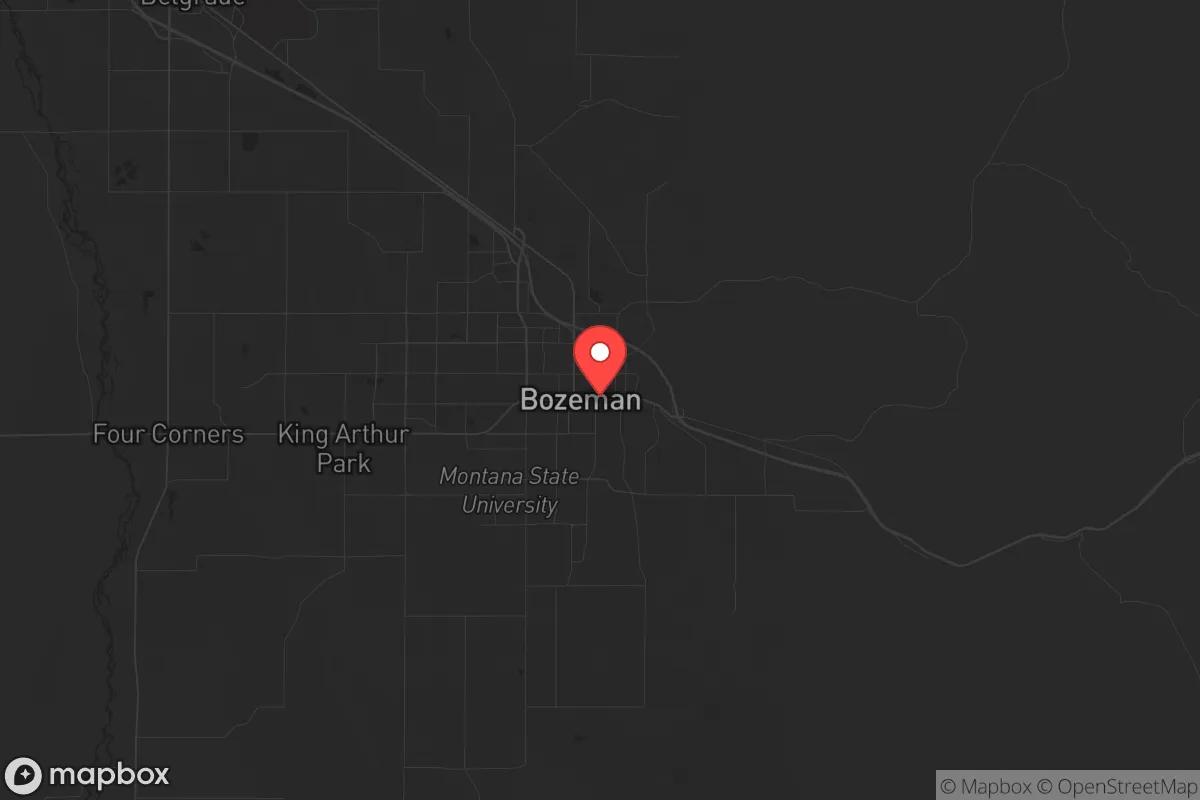
District shown is the primary district for this city’s centroid. Cities may span multiple districts.
Local Political AnalysisPolitical Analysis of Bozeman, MT
Bozeman used to be a place where folks pretty much agreed on the basics—keep the government out of your business, respect the Second Amendment, and let the free market do its thing. But over the last decade, the political climate here has shifted noticeably. The area’s Cook PVI is R+5, which still leans Republican on paper, but that number hides a lot of internal tension. The influx of out-of-state transplants, especially from California and the Pacific Northwest, has brought a wave of progressive ideology that’s slowly chipping away at the traditional, live-and-let-live culture that made Bozeman special.
How it compares
Drive 30 minutes west to Manhattan or Three Forks, and you’ll find a political landscape that feels like Bozeman did 20 years ago—solidly conservative, with a strong emphasis on personal responsibility and limited government. Head east to Livingston, and it’s a mixed bag: still plenty of ranchers and hunters, but also a growing artist and activist crowd that pushes for more regulation. The real contrast is with Missoula, about two hours west, which is a deep-blue stronghold where progressive policies on housing, land use, and taxes are the norm. Bozeman sits in the middle, but the worry is that it’s sliding toward Missoula’s model, where government overreach into property rights and local business operations becomes the standard. The surrounding Gallatin County is still red-leaning, but the city itself is where the battle lines are drawn.
What this means for residents
For those of us who’ve been here a while, the biggest concern is how this shift affects daily freedoms. You’re seeing more zoning restrictions that make it harder to build a workshop on your own land, and there’s constant chatter about new taxes for bike lanes and public transit that benefit a small, vocal minority. The school board has become a battleground, with some pushing for curriculum changes that prioritize social agendas over core academics. And while the Second Amendment is still protected by state law, the local city council has flirted with “safe storage” ordinances that feel like a foot in the door for more restrictions. The housing crisis is real, but the proposed solutions—like rent control and density mandates—smack of top-down control that ignores the simple fact that supply and demand work better than bureaucrats.
On the cultural side, Bozeman still has its rodeos, its hunting seasons, and its strong sense of community, but you can feel the tension. The old-timers and the newcomers don’t always see eye to eye on what makes this place great. The long-term trajectory depends on whether the next few elections bring back a focus on individual liberty and fiscal restraint, or if the progressive wave continues to erode the very freedoms that drew people here in the first place. For now, it’s a place to keep an eye on—and to get involved in local politics if you want to keep it from turning into another Missoula.

State Political ClimatePolitical Climate in Montana
State Political AnalysisPolitical Environment in the State
Montana has long been a reliably Republican state in presidential elections, voting for the GOP candidate in every contest since 1992, but its political climate is far more nuanced than a simple red-state label suggests. The state’s dominant coalition is a mix of libertarian-leaning ranchers, conservative small-town residents, and a growing number of out-of-state transplants, creating a dynamic where the rural-urban divide is the central political fault line. Over the last 10-20 years, the trajectory has been a slow but steady shift rightward in the legislature, even as the population centers of Bozeman and Missoula have become more progressive, leading to a state government that is increasingly at odds with its fastest-growing cities.
Urban vs. rural divide
The political map of Montana is a textbook case of the urban-rural split. The western third of the state, dominated by the Rocky Mountains, is where the blue dots are concentrated. Missoula, home to the University of Montana, is the most reliably Democratic city in the state, consistently voting for progressive candidates and ballot measures. Bozeman, despite its explosive growth fueled by tech and outdoor recreation, has also trended left, though it retains a more moderate, business-friendly Democratic streak. In contrast, the eastern two-thirds of the state—the High Line, the Missouri River breaks, and the plains—are deeply Republican. Billings, the largest city, is a conservative stronghold, but its energy and agriculture-based economy keeps it pragmatic rather than ideological. The real action is in the suburban and exurban counties around the blue cities. Gallatin County (Bozeman) flipped from red to purple to blue over the past decade, while Missoula County has only deepened its Democratic lean. Meanwhile, counties like Flathead County (Kalispell) and Lewis and Clark County (Helena) have become more reliably Republican, creating a political geography where the state legislature is dominated by rural voices who are increasingly skeptical of the priorities of the growing urban centers.
Policy environment
Montana’s policy environment is a mixed bag for a conservative audience. On the positive side, the state has no sales tax, a flat income tax rate of 5.9% (recently lowered from a progressive structure), and a relatively light regulatory touch on businesses, especially in agriculture and energy. The 2021 Montana Legislature passed a series of bills that made it a "Second Amendment Sanctuary State," prohibiting state enforcement of future federal gun bans. Education policy is a battleground: the state has a robust school choice movement, with a new education savings account (ESA) program passed in 2023 that allows parents to use public funds for private or homeschool expenses. However, the state’s healthcare landscape is concerning for those wary of government overreach. Montana expanded Medicaid under the Affordable Care Act, and the program has been renewed multiple times, creating a large government-dependent population. Election laws have been a flashpoint: the 2021 session tightened voter ID requirements and banned ballot harvesting, but the state still allows same-day voter registration, which many conservatives view as a vulnerability. The overall regulatory posture is pro-business, but the state’s reliance on federal land (nearly 30% of the state is federally owned) creates constant tension over property rights and resource extraction.
Trajectory & freedom
The trajectory of personal freedom in Montana is a tale of two trends. On one hand, the state has aggressively expanded gun rights: the 2021 "Constitutional Carry" law allows permitless carry of firearms, and the 2023 session passed a law prohibiting state and local law enforcement from enforcing federal gun laws that violate the state constitution. Parental rights have also been strengthened, with a 2023 law requiring schools to notify parents of any curriculum involving sexual content and allowing them to opt their children out. On the other hand, the state’s response to the COVID-19 pandemic was a major red flag for freedom-minded individuals. Governor Greg Gianforte, a Republican, imposed a statewide mask mandate in 2020, and the state health department aggressively pushed vaccine mandates for healthcare workers. More recently, the 2023 legislature passed a bill banning gender-affirming care for minors, a win for parental rights advocates, but the state also expanded its "red flag" law in 2021, allowing for temporary firearm seizures based on a court order—a policy many conservatives view as a violation of due process. The biggest concern for long-term freedom is the state’s housing crisis, driven by an influx of wealthy out-of-state buyers, which has led to calls for rent control and land-use regulations that could erode property rights.
Civil unrest & political movements
Montana is not known for widespread civil unrest, but there have been notable flashpoints. The most visible is the ongoing conflict over public lands and resource extraction. The "Yellowstone Club" and other luxury developments in Big Sky have sparked protests from local activists who argue that wealthy newcomers are pricing out long-time residents and damaging the environment. On the right, the "Montana Freedom Caucus" has become a powerful force in the state legislature, pushing for more aggressive nullification of federal laws and opposing any form of gun control. Immigration politics are less heated than in border states, but the issue of "sanctuary cities" has emerged in Missoula, where the city council declared itself a "welcoming city" for immigrants, prompting a backlash from the state legislature, which passed a law in 2021 prohibiting such policies. Election integrity remains a hot-button issue: the 2020 election saw widespread allegations of irregularities in Gallatin County, leading to a controversial audit that found no evidence of fraud but deepened partisan distrust. The most visible political movement is the "Yellowstone County Republican Party," which has become a model for grassroots organizing, while left-wing activism is concentrated in the university towns, where groups like "Montana Women Vote" and "Indivisible" are active.
Projection
Looking ahead 5-10 years, Montana is likely to become more politically polarized, not less. The demographic shift is the key driver: the state is growing faster than almost any other, with most newcomers coming from blue states like California, Washington, and Oregon. These transplants tend to be wealthier and more moderate or liberal, especially in Bozeman and Missoula. This will likely push those cities further left, while the rural areas, feeling left behind, will become more conservative and populist. The state legislature will remain Republican-controlled, but the internal conflict between the libertarian-leaning "Freedom Caucus" and the more pragmatic "Main Street" Republicans will intensify. The biggest wildcard is the housing crisis: if the state fails to address it, expect more government intervention in the form of zoning reforms or even rent control, which would be a major blow to property rights. The state’s reliance on federal land will continue to be a source of tension, with potential for increased conflict over mining, logging, and energy development. For a conservative moving in now, expect a state where your local government is likely to be conservative, but the state-level politics will be a constant tug-of-war between freedom and regulation.
For a new resident, the bottom line is that Montana offers a high degree of personal freedom in many areas—gun rights, low taxes, and school choice—but it is not a libertarian paradise. The state government has shown a willingness to impose mandates and expand its power, especially in healthcare and land use. The key is to choose your location carefully: Kalispell or Billings will offer a more traditional conservative environment, while Missoula and Bozeman will feel increasingly like the blue states people are fleeing. Pay close attention to local elections, as county commissions and school boards have outsized power in Montana. The state is still a great place for those who value independence, but the fight to keep it that way is far from over.
* Values derived from national, state, county, city and local statistics and may differ in a specific area. Last updated: 2026-04-19T06:52:23.000Z
Narrative content on this page is AI-generated and may contain mistakes. Verify any details that matter before acting on them.
ReloMaps may earn a commission from affiliate links at no extra cost to you.

